Opening a bottle of wine should be a moment of anticipation, not frustration. Yet, for many, wrestling with a stubborn cork can quickly turn a sophisticated experience into a struggle. Whether you’re a seasoned sommelier or just beginning your journey into the world of wine, a reliable wine opener is an indispensable tool, transforming the simple act of uncorking into an effortless pleasure. This comprehensive guide will navigate you through the diverse landscape of wine openers, ensuring you find the perfect companion for every bottle.
What is a Wine Opener? Why Do You Need One?
A wine opener, often interchangeably called a corkscrew, is a specialized device designed to extract corks from wine bottles. While its primary function is straightforward, the evolution of this tool reflects centuries of innovation aimed at making wine more accessible and enjoyable. From simple hand-held corkscrews to sophisticated electric models, wine openers are essential for anyone wishing to savor their favorite vintage without damaging the cork or, worse, the wine itself.
The history of the wine opener is as rich as wine itself, evolving from basic “screws” in the 17th century to the ingenious mechanisms we see today. Early corkscrews were often simple twisted metal worms, requiring significant strength and technique. Over time, designs incorporated levers, gears, and other mechanical advantages, making the process smoother and more accessible. For any wine enthusiast, a quality wine opener is more than just a gadget; it’s a gateway to appreciation, ensuring that every bottle is opened with precision and care, preserving the integrity of the wine.
Popular Types of Wine Openers on the Market
The market offers a wide array of wine openers, each with unique advantages and methods of operation. Understanding these different types will help you select the one that best fits your lifestyle and needs.
Lever Wine Opener (Rabbit Wine Opener)
Lever-style wine openers, often dubbed “Rabbit” openers due to the popular brand that pioneered the design, are renowned for their ease of use and speed. They employ a mechanical advantage system, making cork removal almost effortless.
- Pros: Extremely easy and quick to use, ideal for those with limited hand strength or for opening multiple bottles. Many include integrated foil cutters.
- Cons: Can be bulky and more expensive than traditional corkscrews. Some models may not fit all bottle neck sizes perfectly.
- How to Use: Place the opener over the wine bottle’s neck, lower the lever to insert the corkscrew into the cork, then raise the lever to extract the cork. The cork is then easily released from the worm by repeating the motion off the bottle.
|
Our Picks for the Best Wine Opener in 2026
We may earn a commission when you use one of our links to make a purchase.
|
||
| Num | Product | Action |
|---|---|---|
| 1 | GORILLA GRIP BPA-Free Premium Wine Opener, Heavy Duty Zinc Alloy Wing Corkscrew, Multifunctional Bottle Openers Remove Corks, Caps, Easy Use Sharp Cork Screw, Dishwasher Safe, Holiday Essential, Black |

|
| 2 | Oster Cordless Electric Wine Bottle Opener with Foil Cutter, Silver |
|
| 3 | Wino Wine Key! - Professional Sommelier's Corkscrew Wine Opener |
|
| 4 | KORCCI Wine Opener, Heavy-Duty Zinc Alloy Wing Corkscrew, Premium Beer Bottle Opener, Multifunctional Wine Accessories with Ergonomic Handle and Sharp Screw, for Kitchen, Bar, Restaurant, Bartenders |
|
| 5 | Cap Opener, Fun Bottle Opener for Parties and Gatherings, Creative Design Launches Caps at BBQs, Portable Entertainment for Outdoor Activities, Available in Red, Black, Blue |
|
| 6 | Beneno Wine Opener, Zinc Alloy Premium Wing Corkscrew with Multifunctional Bottles Opener, Sharp Wine Corkscrew with Ergonomic Non-Slip Wing Handle, Silver |
|
| 7 | OXO SteeL Winged Corkscrew with Removable Foil Cutter |
|
| 8 | Cuisinart CWO-25 Electric Wine Opener, Stainless Steel 3.50" x 4.75" x 10.00" |
|
| 9 | Secura Electric Wine Opener, Automatic Electric Wine Bottle Corkscrew Opener with Foil Cutter, Rechargeable (Stainless Steel) |
|
| 10 | OXO Steel Vertical Lever Corkscrew with Removable Foil Cutter |
|
|
Our Picks for the Best Wine Opener in 2026
We may earn a commission when you use one of our links to make a purchase.
|
||
| Num | Product | Action |
|---|---|---|
| 1 | KORCCI Wine Opener, Heavy-Duty Zinc Alloy Wing Corkscrew, Premium Beer Bottle Opener, Multifunctional Wine Accessories with Ergonomic Handle and Sharp Screw, for Kitchen, Bar, Restaurant, Bartenders |
|
| 2 | Oster Cordless Electric Wine Bottle Opener with Foil Cutter, Silver |
|
| 3 | GORILLA GRIP BPA-Free Premium Wine Opener, Heavy Duty Zinc Alloy Wing Corkscrew, Multifunctional Bottle Openers Remove Corks, Caps, Easy Use Sharp Cork Screw, Dishwasher Safe, Holiday Essential, Black |
|
| 4 | OXO Steel Vertical Lever Corkscrew with Removable Foil Cutter |
|
| 5 | Cap Opener, Fun Bottle Opener for Parties and Gatherings, Creative Design Launches Caps at BBQs, Portable Entertainment for Outdoor Activities, Available in Red, Black, Blue |
|
| 6 | Cuisinart CWO-25 Electric Wine Opener, Stainless Steel 3.50" x 4.75" x 10.00" |
|
| 7 | Beneno Wine Opener, Zinc Alloy Premium Wing Corkscrew with Multifunctional Bottles Opener, Sharp Wine Corkscrew with Ergonomic Non-Slip Wing Handle, Silver |
|
| 8 | Secura Electric Wine Opener, Automatic Electric Wine Bottle Corkscrew Opener with Foil Cutter, Rechargeable (Stainless Steel) |
|
| 9 | Wino Wine Key! - Professional Sommelier's Corkscrew Wine Opener |
|
| 10 | OXO SteeL Winged Corkscrew with Removable Foil Cutter |
|
Corkscrew Wine Opener (Waiter’s Friend & Winged Corkscrew)
The term “corkscrew” broadly refers to any device with a helical screw (the “worm”) designed to penetrate and pull a cork. Within this category, two types stand out: the Waiter’s Friend and the Winged Corkscrew.
Waiter’s Friend (Sommelier Knife)
The Waiter’s Friend is a classic, compact, and highly efficient tool favored by sommeliers and wine professionals. It typically features a corkscrew, a small knife for cutting foil, and a lever (or two-step hinge) for leverage.
- Pros: Compact, portable, versatile (often includes a foil cutter and bottle cap opener), offers excellent control.
- Cons: Requires some technique and manual effort; can be challenging for beginners or those with weaker grip strength.
- How to Use: Use the small knife to cut and remove the foil. Screw the worm into the center of the cork. Place the first lever notch on the bottle rim and pull up the handle. Then, use the second notch (if available) for further leverage to fully extract the cork.
Winged Corkscrew
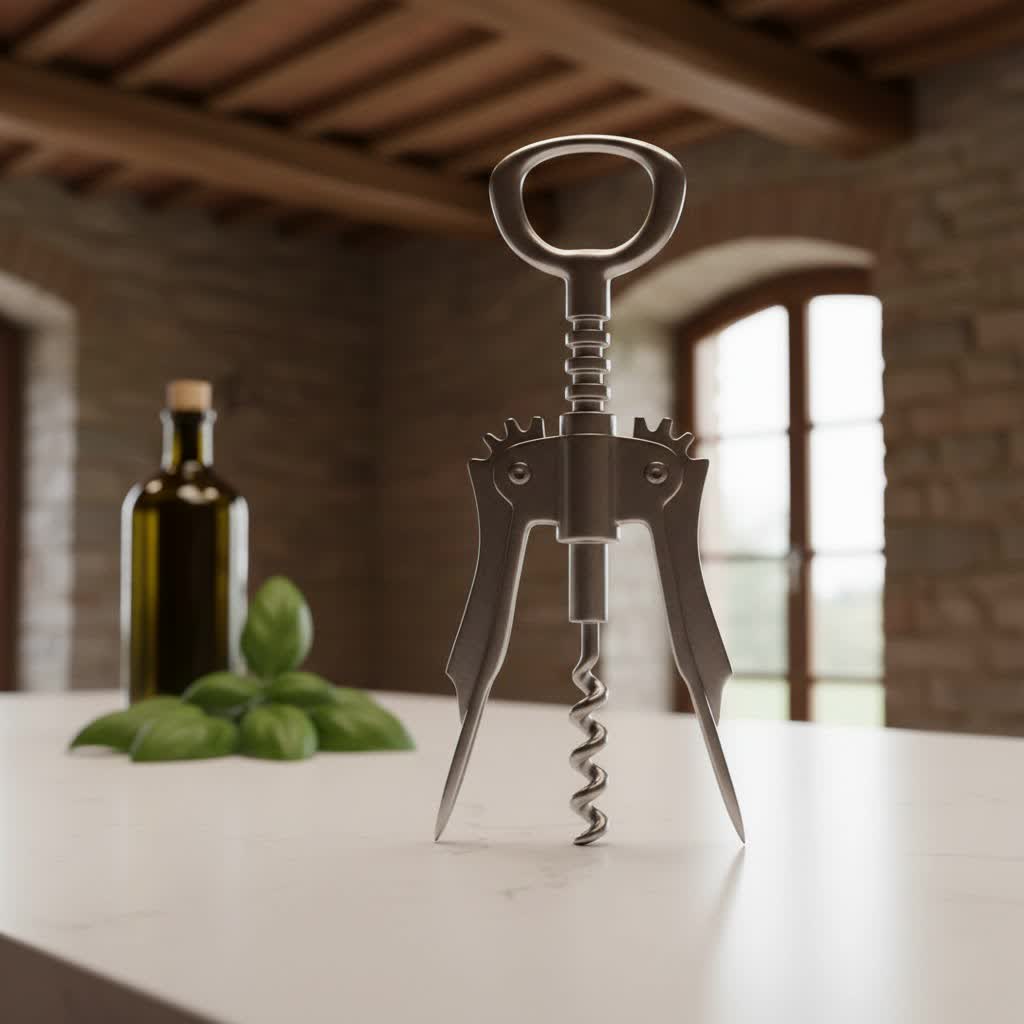
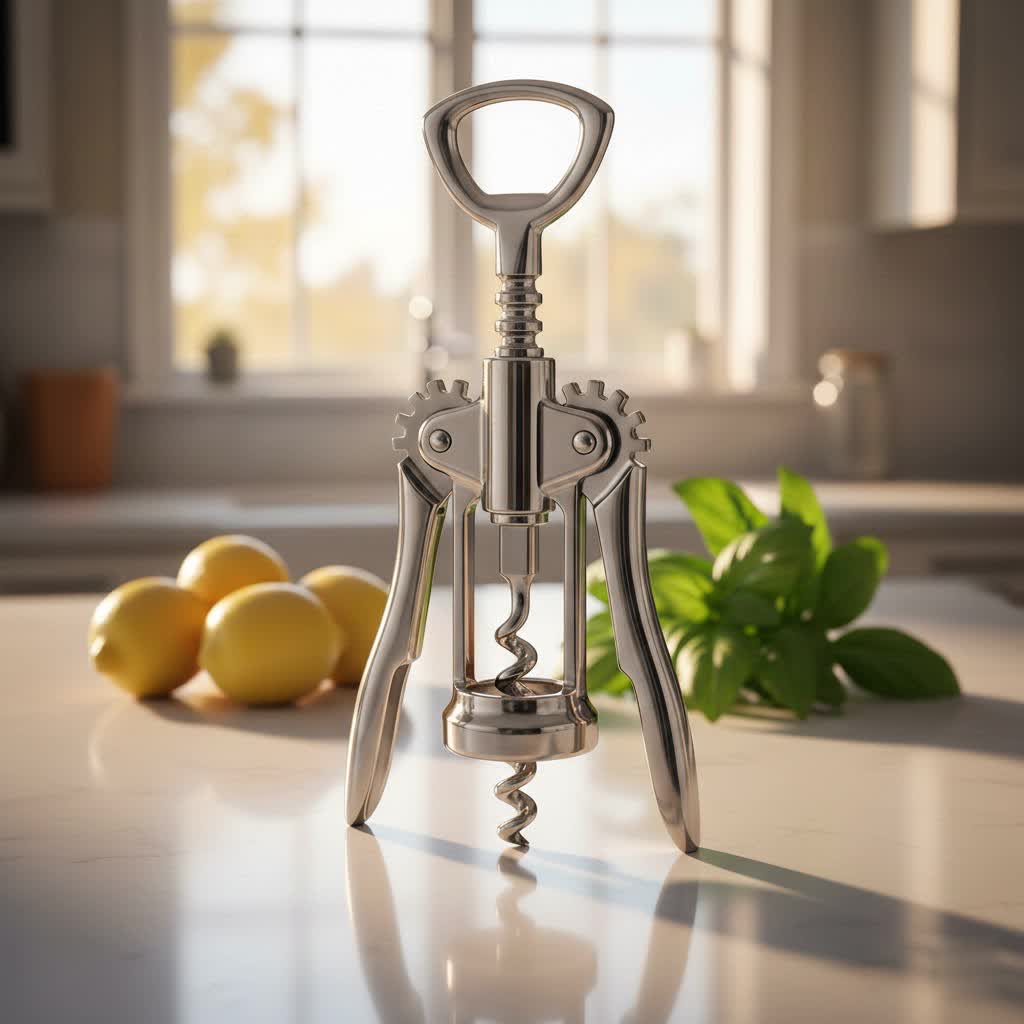
The winged corkscrew is a common sight in many homes, known for its straightforward mechanical design. As the worm is screwed into the cork, two “wings” on either side rise, which are then pressed down to lift the cork out.
- Pros: Easy to use, offers good leverage, suitable for casual home use.
- Cons: Can be bulky, less precise for delicate corks, some cheaper models can strip gears or bend.
- How to Use: After removing the foil, center the corkscrew over the cork and twist the handle clockwise. As the worm enters the cork, the two wings will rise. Once fully raised, push both wings down simultaneously to lift the cork out.
Electric Wine Opener
Electric wine openers provide the ultimate in convenience, removing corks at the touch of a button. They are particularly popular for those seeking an effortless uncorking experience.
- Pros: Extremely easy to use, requires minimal effort, ideal for individuals with arthritis or limited hand mobility. Often sleek and modern in design.
- Cons: Requires charging (battery life can vary), typically larger and less portable, generally more expensive.
- How to Use: After removing the foil, place the electric opener vertically over the bottle neck. Press a button, and the device automatically inserts the worm and extracts the cork. A reverse button typically releases the cork from the opener.
Air Pressure Wine Opener
Air pressure wine openers use a needle to inject air into the bottle, creating pressure that forces the cork out. This method can be gentle on older, fragile corks.
- Pros: Very gentle on corks, prevents cork crumbling, can be effective for old or delicate corks.
- Cons: Some concern over air pressure potentially affecting wine, not suitable for synthetic corks, requires multiple pumps.
- How to Use: Insert the needle through the cork. Pump the handle a few times to build air pressure inside the bottle, gently pushing the cork upwards until it pops out.
Multi-tool Wine Opener
While many Waiter’s Friends are inherently multi-tool, some openers go a step further, combining additional functionalities beyond the corkscrew and foil cutter. These can include bottle cap openers, knife blades, or even small screwdrivers.
- Pros: Highly versatile, space-saving by combining multiple tools into one.
- Cons: Quality of secondary tools can vary, can be bulkier than a basic corkscrew.
- How to Use: Varies greatly depending on the specific tools included, but the corkscrew and foil cutter functions generally follow the Waiter’s Friend method.
Comparison Table of Wine Openers
Choosing the right wine opener depends on your priorities. Here’s a comparison to help you weigh the options:
| Type of Wine Opener | Pros | Cons | Estimated Price Range | Overall Rating (1-5) |
|---|---|---|---|---|
| Lever | Easy, fast, little effort | Bulky, higher cost, may not fit all bottles | $25 – $75 | ⭐⭐⭐⭐ |
| Waiter’s Friend | Compact, portable, versatile, good control | Requires technique, more effort, can struggle with old corks | $10 – $40 | ⭐⭐⭐⭐⭐ |
| Winged | Easy to use, good leverage | Bulky, less precise for old corks, prone to gear issues in cheap models | $10 – $30 | ⭐⭐⭐ |
| Electric | Effortless, ideal for limited mobility | Requires charging, larger, more expensive | $20 – $100 | ⭐⭐⭐⭐ |
| Air Pressure | Gentle on corks, good for old wines | Not for synthetic corks, pumping required, potential wine alteration concern | $15 – $50 | ⭐⭐⭐ |
| Multi-tool | Highly versatile, space-saving | Quality of extra tools can vary, can be bulky | $15 – $45 | ⭐⭐⭐⭐ |
Factors to Consider When Buying a Wine Opener (Buying Guide)
Selecting the perfect wine opener involves more than just picking a type; several factors contribute to its overall performance, durability, and user experience.
Material
The materials used in a wine opener significantly impact its durability and aesthetic appeal.
- Stainless Steel: Pros: Highly durable, rust-resistant, easy to clean, professional look. Cons: Can be heavier, potentially higher cost.
- Plastic/ABS: Pros: Lightweight, affordable, available in many colors. Cons: Less durable, prone to breakage, can feel flimsy.
- Wood: Pros: Elegant, comfortable grip, classic aesthetic. Cons: Can be susceptible to moisture damage, requires more care, often combined with metal components.
When evaluating materials, prioritize solid construction, especially for the screw (worm) and lever mechanisms, which endure the most stress.
Durability
A durable wine opener is a long-term investment. How can you ensure yours will last?
- Check Construction: Look for solid metal components, especially at pivot points and the corkscrew helix. Cheap plastic hinges are often the first to fail.
- Read Reviews: User reviews frequently highlight issues with longevity and material quality.
- Mẹo bảo quản (Maintenance Tips): To extend your wine opener’s lifespan, keep it clean and dry. Avoid leaving it submerged in water. For corkscrews, occasionally apply a drop of food-grade mineral oil to the worm for smoother operation.
Ease of Use
The best wine opener for you is one you can operate comfortably and confidently.
- Design & Ergonomics: Consider the handle’s shape and size. Does it fit well in your hand? Is it comfortable to grip and apply force? Lever-style openers are often favored for minimal effort, while waiter’s friends require a bit more manual dexterity.
- Weight: A heavier opener can feel more substantial and durable, but a lighter one might be more portable.
- Fitting Your Needs: If you frequently entertain, a fast lever or electric opener might be ideal. For occasional use or portability, a waiter’s friend excels. For those with conditions like arthritis, electric or lever models are often recommended due to their low physical demand.
Price
Wine openers range from budget-friendly to luxury items.
- Price Segments:
- Budget ($10-$20): Typically includes basic waiter’s friends, winged corkscrews, or simple twist-style openers. Quality can vary greatly.
- Mid-Range ($20-$75): Offers more durable waiter’s friends, many lever-style models, and basic electric openers. This segment often provides the best balance of price and performance.
- Premium ($75+): Features high-end electric openers, designer lever models, or traditional corkscrews made with luxurious materials. These often boast advanced mechanisms and superior craftsmanship.
- Choosing Wisely: Don’t automatically equate high price with superior performance. Many mid-range options deliver excellent results. Consider your frequency of use and specific needs.
Brand
Choosing a reputable brand can offer assurance of quality, customer support, and reliability.
- Trusted Brands: Look for brands known for kitchen tools or wine accessories, such as Pulltaps, OXO, Rabbit, Le Creuset, Zyliss, and Peugeot. These companies often have a track record of producing well-engineered and durable products.
- Why Brand Matters: Reputable brands typically invest in better materials, ergonomic design, and rigorous testing, leading to a more consistent and satisfying user experience. They also often provide warranties, offering peace of mind.
Top 5 Wine Openers Loved by Enthusiasts
Based on quality, durability, ease of use, and user reviews, here are some of the most favored wine openers on the market today.
- Pulltaps Classic Double-Lever Waiter’s Corkscrew: Description: A favorite among professionals, this compact, robust waiter’s friend features a double-hinged fulcrum for superior leverage and a sharp foil cutter. Pros: Exceptionally durable, highly portable, excellent control, professional-grade. Cons: Requires a learning curve for beginners.
- Rabbit Original Lever Corkscrew: Description: The iconic lever-style opener, known for its rapid, effortless cork extraction. It typically comes with a matching foil cutter. Pros: Incredibly easy and fast, ideal for frequent use and those with limited hand strength. Cons: Bulky, higher price point, may not fit all wide-mouthed bottles.
- OXO Steel Double Lever Waiters Corkscrew: Description: Combining the best of both worlds, this is an ergonomic and sturdy waiter’s friend designed for comfort and efficiency. Pros: Comfortable grip, effective double-lever mechanism, integrated foil cutter, excellent value. Cons: Still requires some manual effort.
- Oster Electric Wine Opener: Description: A popular and budget-friendly electric option, offering one-touch operation for quick cork removal. Often includes a foil cutter. Pros: Ultimate ease of use, sleek design, great for entertaining, affordable for an electric model. Cons: Requires charging, not as portable as manual options.
- The Durand Corkscrew: Description: A specialized two-prong corkscrew designed for fragile, older corks. It gently extracts the cork without piercing it, preventing crumbling. Pros: Preserves delicate corks, essential for vintage wines, leaves cork intact. Cons: Expensive, requires careful technique, less versatile for everyday use.
“For serious wine collectors, a two-prong opener like The Durand is invaluable. It’s the only way to safeguard those precious, aged corks.” – Sarah Chen, Master Sommelier
Tips for Using and Maintaining Your Wine Opener
Proper use and care can significantly enhance your wine opening experience and extend the life of your tool.
How to Use Your Wine Opener Correctly
- Foil Removal: Always remove the foil cleanly below the lip of the bottle. This prevents wine from coming into contact with the foil and any potential contaminants. Most waiter’s friends and electric openers include a foil cutter.
- Centering the Worm: Ensure the corkscrew’s worm is centered on the cork before twisting. This helps prevent the cork from breaking or crumbling.
- Vertical Insertion: Insert the worm vertically, not at an angle. For manual corkscrews, apply steady, even pressure.
- Gentle Extraction: Once the corkscrew is fully inserted, extract the cork with a smooth, controlled motion. Avoid sudden jerks, especially with older corks, to prevent breakage. For waiter’s friends, use the two-step leverage to ease the cork out gradually.
Cleaning and Care Tips
- Wipe Clean: After each use, wipe down your wine opener with a damp cloth to remove any wine residue or cork particles.
- Dry Thoroughly: Ensure all metal parts are completely dry before storing to prevent rust, especially for stainless steel and other metallic components.
- Lubrication (for some types): For lever-style openers with moving parts, or corkscrews that feel stiff, a tiny drop of food-grade mineral oil on the screw or hinges can maintain smooth operation.
- Proper Storage: Store your wine opener in a dry place, preferably in a drawer or a dedicated storage case to protect it from dust and damage.
Conclusion
Choosing the ideal wine opener is a personalized journey, deeply influenced by your individual preferences, how often you uncork bottles, and the specific types of wine you enjoy. Whether you prefer the classic elegance of a Waiter’s Friend, the sheer convenience of an Electric Wine Opener, or the robust power of a Lever-style design, a quality tool makes all the difference. Investing in the right wine opener not only simplifies the act of enjoying wine but also enhances the overall ritual, ensuring every pour is as smooth and delightful as the wine itself. So, which wine opener will be your trusted companion for countless memorable sips?
Frequently Asked Questions
What’s the best wine opener for someone with arthritis?
Electric wine openers are often the best choice for individuals with arthritis or limited hand strength, as they remove corks with minimal effort, typically at the push of a button. Lever-style openers also offer significant mechanical advantage, making them a good manual alternative.
Can a wine opener also open beer bottles?
Many Waiter’s Friend corkscrews and some multi-tool wine openers include a built-in bottle cap opener, making them versatile tools that can indeed open beer bottles in addition to wine.
How do I open a wine bottle with a broken cork?
For a broken or crumbling cork, a two-prong (Ah-So) cork puller is highly recommended. It slides between the cork and the bottle neck, extracting the cork intact without further damage. Alternatively, a wine opener that pushes the cork into the bottle, like a Coravin system, can access the wine without full cork removal.
How often should I replace my wine opener?
The lifespan of a wine opener varies significantly by type and material. A well-maintained, high-quality waiter’s friend or lever opener can last a decade or more, while cheaper winged corkscrews or electric models might need replacement every few years due to wear on gears, plastic parts, or battery degradation. Regular inspection for wear and tear will indicate when a replacement is needed.
Is there a specific wine opener for synthetic corks?
Most wine openers can handle synthetic corks. However, some traditional corkscrews might find synthetic corks harder to grip or pull due to their texture. Winged corkscrews and lever-style openers often work well with synthetic corks due to their greater leverage. Electric openers also remove them easily.