Imagine the perfect evening: a delicious meal, great company, and the anticipation of a fine bottle of wine. But then, the moment of truth arrives, and you realize you’re without a reliable wine opener. This common dilemma sends many scrambling for a quick solution, often leading them to their nearest CVS. More than just a convenience store, CVS can be a surprising spot to find a functional wine opener that saves the day.
This comprehensive guide will explore the world of wine openers, focusing on the types you’re likely to find at a major retailer like CVS. We’ll delve into their history, how they work, and what factors to consider when making a purchase. Whether you’re a seasoned wine enthusiast or an occasional enjoyer, understanding your options will help you choose the best wine opener to ensure your wine experience is always smooth and enjoyable, even when purchased on the fly.
What is a Wine Opener? Why Do You Need One?
A wine opener, often interchangeably called a corkscrew, is an indispensable tool designed to extract corks from wine bottles. While seemingly simple, this device has a rich history, evolving from basic screws used for extracting stoppers to sophisticated mechanisms that simplify the uncorking process. Its primary function is to provide the necessary leverage and grip to remove a cork without damaging it or contaminating the wine.
For any wine lover, a quality wine opener is not merely a convenience; it’s a fundamental part of the wine-drinking ritual. Attempting to open a wine bottle without the proper tool can lead to frustrating scenarios, such as a broken cork, wine spills, or even injuries. A good wine opener ensures a clean, swift, and safe uncorking, preserving the integrity of both the cork and the wine, and ultimately enhancing your overall enjoyment of the beverage.
Popular Wine Opener Types You Might Find at CVS
When you’re in a pinch and heading to CVS for a wine opener, you’ll typically encounter a few common and reliable types designed for general use. These openers prioritize straightforward functionality and affordability, making them perfect for unexpected needs or casual wine drinkers.
Lever Wine Opener (Rabbit-Style)
The lever-style wine opener, often dubbed the “rabbit” opener due to its ear-like handles, is a popular choice for its ease of use. This type works by clamping onto the bottle neck, and with a simple push and pull of a lever, the cork is extracted.
- Pros: Extremely easy and quick to use, requires minimal strength or dexterity, and often comes with a foil cutter.
- Cons: Can be bulky and more expensive than simpler models.
- How to Use: Place the opener over the bottle so the handles grip the neck. Push the lever down to insert the screw into the cork, then pull the lever up to smoothly extract the cork.
|
Our Picks for the Best Wine Opener in 2026
We may earn a commission when you use one of our links to make a purchase.
|
||
| Num | Product | Action |
|---|---|---|
| 1 | Secura Electric Wine Opener, Automatic Electric Wine Bottle Corkscrew Opener with Foil Cutter, Rechargeable (Stainless Steel) |

|
| 2 | Oster Cordless Electric Wine Bottle Opener with Foil Cutter, Silver |
|
| 3 | GORILLA GRIP BPA-Free Premium Wine Opener, Heavy Duty Zinc Alloy Wing Corkscrew, Multifunctional Bottle Openers Remove Corks, Caps, Easy Use Sharp Cork Screw, Dishwasher Safe, Holiday Essential, Black |
|
| 4 | Beneno Wine Opener, Zinc Alloy Premium Wing Corkscrew with Multifunctional Bottles Opener, Sharp Wine Corkscrew with Ergonomic Non-Slip Wing Handle, Silver |
|
| 5 | Wino Wine Key! - Professional Sommelier's Corkscrew Wine Opener |
|
| 6 | Cap Opener, Fun Bottle Opener for Parties and Gatherings, Creative Design Launches Caps at BBQs, Portable Entertainment for Outdoor Activities, Available in Red, Black, Blue |
|
| 7 | Cuisinart CWO-25 Electric Wine Opener, Stainless Steel 3.50" x 4.75" x 10.00" |
|
| 8 | OXO Steel Vertical Lever Corkscrew with Removable Foil Cutter |
|
| 9 | OXO SteeL Winged Corkscrew with Removable Foil Cutter |
|
| 10 | KORCCI Wine Opener, Heavy-Duty Zinc Alloy Wing Corkscrew, Premium Beer Bottle Opener, Multifunctional Wine Accessories with Ergonomic Handle and Sharp Screw, for Kitchen, Bar, Restaurant, Bartenders |
|
|
Our Picks for the Best Wine Opener in 2026
We may earn a commission when you use one of our links to make a purchase.
|
||
| Num | Product | Action |
|---|---|---|
| 1 | OXO SteeL Winged Corkscrew with Removable Foil Cutter |
|
| 2 | Wino Wine Key! - Professional Sommelier's Corkscrew Wine Opener |
|
| 3 | Cuisinart CWO-25 Electric Wine Opener, Stainless Steel 3.50" x 4.75" x 10.00" |
|
| 4 | GORILLA GRIP BPA-Free Premium Wine Opener, Heavy Duty Zinc Alloy Wing Corkscrew, Multifunctional Bottle Openers Remove Corks, Caps, Easy Use Sharp Cork Screw, Dishwasher Safe, Holiday Essential, Black |
|
| 5 | KORCCI Wine Opener, Heavy-Duty Zinc Alloy Wing Corkscrew, Premium Beer Bottle Opener, Multifunctional Wine Accessories with Ergonomic Handle and Sharp Screw, for Kitchen, Bar, Restaurant, Bartenders |
|
| 6 | OXO Steel Vertical Lever Corkscrew with Removable Foil Cutter |
|
| 7 | Cap Opener, Fun Bottle Opener for Parties and Gatherings, Creative Design Launches Caps at BBQs, Portable Entertainment for Outdoor Activities, Available in Red, Black, Blue |
|
| 8 | Secura Electric Wine Opener, Automatic Electric Wine Bottle Corkscrew Opener with Foil Cutter, Rechargeable (Stainless Steel) |
|
| 9 | Beneno Wine Opener, Zinc Alloy Premium Wing Corkscrew with Multifunctional Bottles Opener, Sharp Wine Corkscrew with Ergonomic Non-Slip Wing Handle, Silver |
|
| 10 | Oster Cordless Electric Wine Bottle Opener with Foil Cutter, Silver |
|
Corkscrew Wine Opener (Waiter’s Friend)
The classic corkscrew, particularly the “waiter’s friend” or “wine key,” is a compact and versatile tool favored by sommeliers and bartenders alike. It typically features a helical screw (the “worm”), a small knife for cutting foil, and a lever for leverage.
- Pros: Portable, durable, and highly effective once mastered. Often includes a built-in foil cutter and bottle opener.
- Cons: Requires some technique and hand strength, can be challenging for new users, and may struggle with older or fragile corks.
- How to Use: Use the small blade to cut and remove the foil. Twist the worm into the center of the cork until only one coil is visible. Place the first notch of the lever on the bottle rim and pull the handle up halfway. Reposition with the second notch on the rim and pull again to fully extract the cork.
Electric Wine Opener
For those seeking maximum convenience and minimal effort, an electric wine opener is an ideal solution. These battery-operated devices do all the work with the push of a button, making them excellent for individuals with limited hand strength or those who simply appreciate gadgetry.
- Pros: Effortless and fast cork removal, ideal for individuals with arthritis or dexterity issues, and often sleek in design.
- Cons: Requires batteries or recharging, generally more expensive, and less portable than manual options.
- How to Use: Place the electric opener vertically over the wine bottle. Press a button to activate the screw, which automatically drills into the cork and pulls it out. Another button press usually releases the cork.
Winged Corkscrew
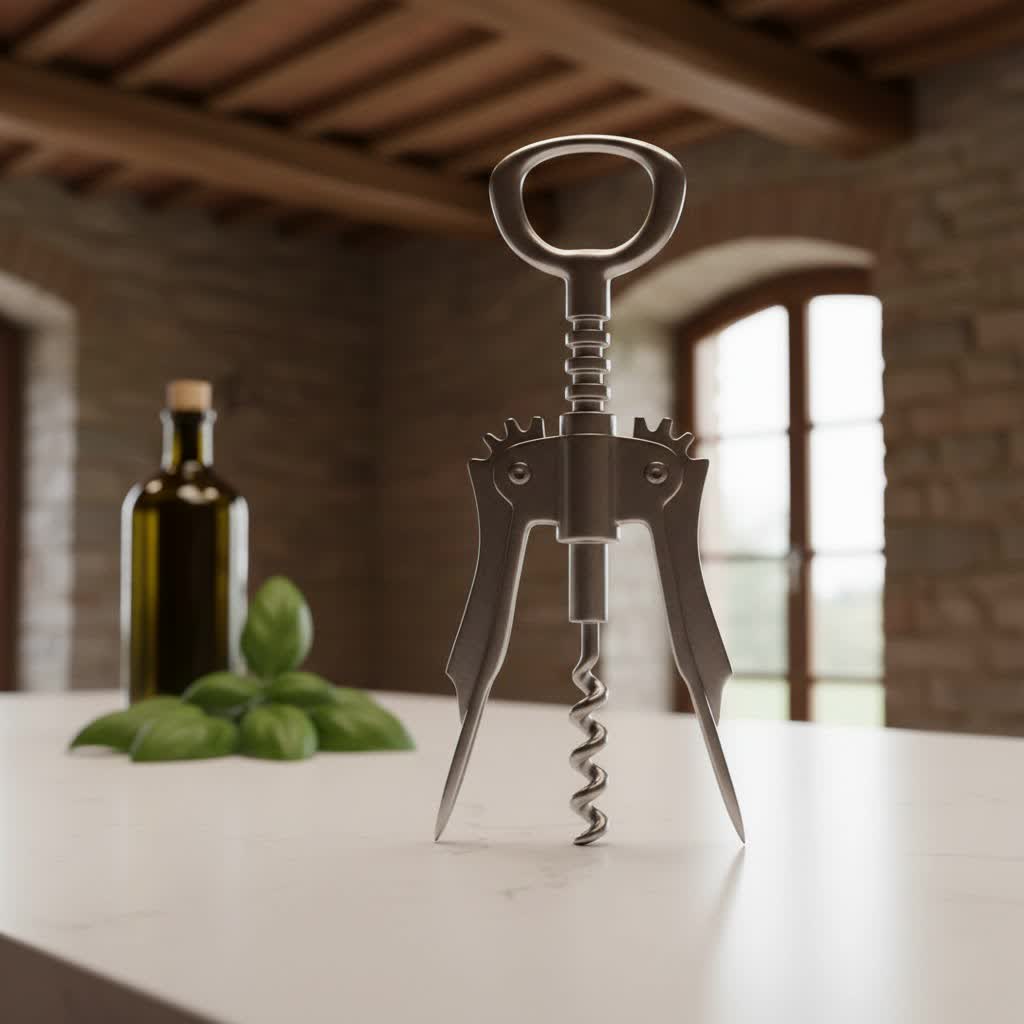
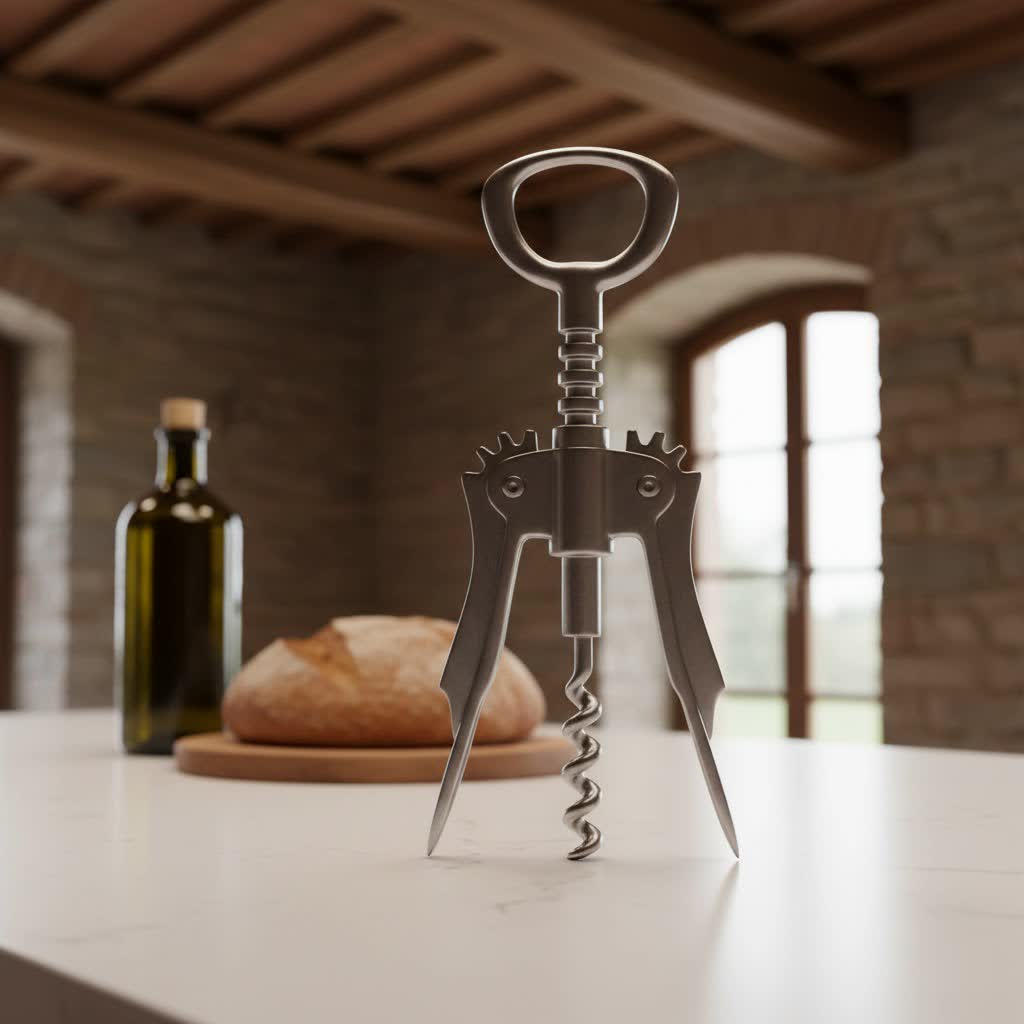
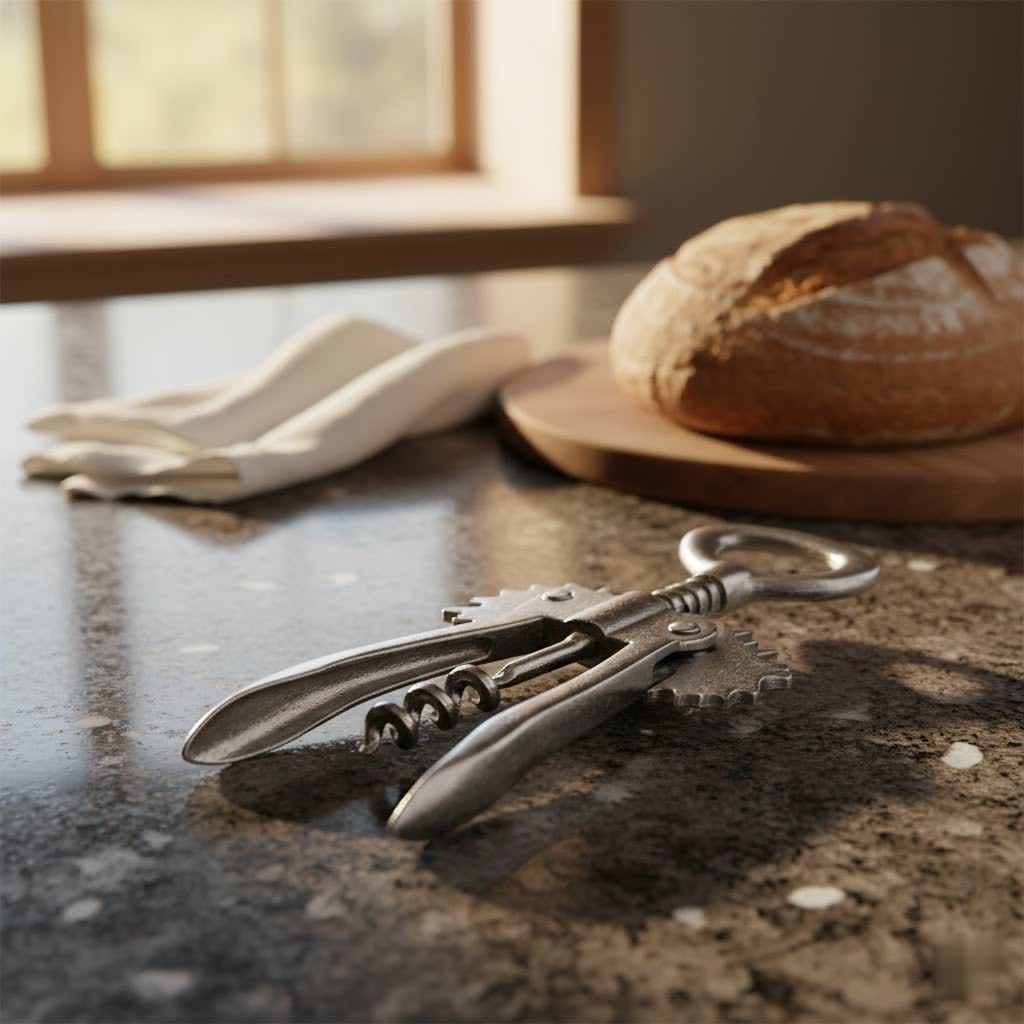
The winged corkscrew is a common household item, recognizable by its two “wings” that rise as the screw penetrates the cork. It offers a moderate level of ease, making it a good stepping stone between basic corkscrews and more advanced lever models.
- Pros: Generally affordable and intuitive to use, requiring less strength than a waiter’s friend.
- Cons: Can be less effective with very tight or synthetic corks, and sometimes feels less sturdy than other types.
- How to Use: Place the center of the corkscrew over the cork. Twist the handle to drive the screw into the cork. As you twist, the wings will rise. Once the wings are fully extended, push them down simultaneously to lift the cork out.
Multi-tool Wine Opener
While not a distinct opening mechanism, many basic wine openers found in drugstores are multi-tools, combining a corkscrew with a bottle opener and sometimes a foil cutter. These are typically simple twist-style corkscrews or waiter’s friends with added functionality.
- Pros: Highly versatile, space-saving, and cost-effective.
- Cons: Quality can vary greatly; added tools might be less robust than standalone versions.
- How to Use: Varies based on the core corkscrew type (e.g., twist or waiter’s friend), with additional functions used as needed.
Comparing Popular Wine Opener Types
Choosing the right wine opener often comes down to balancing ease of use, durability, and budget. Here’s a quick comparison of the types you might encounter at CVS:
| Wine Opener Type | Pros | Cons | Price Range (Estimated at CVS) | Ease of Use |
|---|---|---|---|---|
| Lever (Rabbit) | Very easy, fast, good for all corks. | Bulky, higher price. | $15 – $30+ | Excellent |
| Corkscrew (Waiter’s Friend) | Compact, portable, durable (if good quality). | Requires practice, some hand strength. | $5 – $15 | Moderate |
| Electric | Effortless, quick, modern. | Requires power, higher price, less portable. | $20 – $40+ | Excellent |
| Winged | Intuitive, affordable, common. | Less effective on tough corks, can be flimsy. | $8 – $20 | Good |
| Multi-tool | Versatile, compact, budget-friendly. | Quality can vary, tools might be basic. | $5 – $15 | Varies (often Moderate) |
Factors to Consider When Buying a Wine Opener at CVS (Buying Guide)
When picking up a wine opener from a convenient location like CVS, it’s good to keep a few key factors in mind to ensure you get a tool that meets your needs and lasts beyond a single use.
Material
The material of your wine opener significantly impacts its durability, feel, and performance.
- Stainless Steel: Commonly found in durable models. It’s rust-resistant, strong, and provides a good weight for leverage. Most corkscrews and worms will be steel.
- Plastic: Often used for handles or casings, especially in winged or electric models. While lightweight and affordable, ensure the plastic feels sturdy to avoid breakage.
- Wood: Less common in basic drugstore models, but offers an elegant feel in higher-end waiter’s friends. It provides a comfortable grip.
Durability
You want a wine opener that can withstand repeated use without bending or breaking.
- Worm Quality: Look for a worm (the screw) that is sharp and has deep, non-stick grooves. Thin, poorly constructed worms can break or shred corks.
- Joints and Hinges: For waiter’s friends or lever models, sturdy hinges are crucial for smooth operation and longevity. Avoid flimsy connections.
- Maintenance Tip: To extend the life of your wine opener, wipe it clean after each use and store it in a dry place. Avoid harsh detergents that can corrode materials.
Ease of Use
The primary goal of any wine opener is to make uncorking easy. Consider your own strength and dexterity.
- Design: Simpler designs often mean fewer parts to malfunction. Electric and lever openers are generally the easiest.
- Size and Weight: A comfortable grip is essential. If you have smaller hands or limited strength, lighter, more ergonomic designs might be preferable.
- Choosing for Your Needs: If you open wine frequently or have hand issues, an electric or lever model offers the most comfort. For occasional use and portability, a waiter’s friend can be ideal after a bit of practice.
Price
Cvs Wine Openers generally fall into the affordable to mid-range categories.
- Entry-level ($5-$15): Basic corkscrews (winged, simple waiter’s friend) that are functional for occasional use.
- Mid-range ($15-$40): Better quality waiter’s friends, more robust winged openers, and some electric or lever models.
- Budgeting Tip: For a reliable, everyday opener from a drugstore, aiming for the mid-range will likely yield better durability and performance.
Brand
While CVS may not carry many high-end specialty brands, they often stock reputable generic brands or brands known for household goods.
- Why Brand Matters: Established brands often have better quality control and customer service. While you might not find a “Rabbit” branded opener, look for brands that consistently offer decent quality for their price point in other household items.
- Checking Reviews: If possible, a quick check online for reviews of similar products by the brand can give you insight into its reliability.
Top Wine Opener Types for Your CVS Run
While specific product availability at CVS can vary, here are the types of wine openers you are most likely to find and which excel for quick, convenient purchases:
- Basic Winged Corkscrew: This is a common and usually affordable option. It’s intuitive, making it a good choice if you need an opener now and don’t want to fuss with technique. Its simple mechanism is generally reliable for standard corks.
- Entry-Level Waiter’s Friend: You might find a straightforward waiter’s corkscrew, perhaps with a basic plastic or metal handle. These are great for portability and discreet use, but be prepared for a learning curve if you’re new to them. Look for one with a decent spiral (worm) that isn’t too thin.
- Simple Lever or Electric Opener: Less common for the absolute lowest price point, but still possible. If you spot one, and your budget allows, these offer the easiest and fastest uncorking experience, perfect if you anticipate frequent use or have any hand strain concerns.
When browsing the aisles, prioritize functionality and perceived sturdiness over elaborate designs. A well-built basic model will serve you better than a flashy but flimsy one.
Tips for Using and Maintaining Your Wine Opener
Even the simplest wine opener can benefit from proper usage and care to ensure it performs optimally and lasts longer.
- Foil Removal First: Always remove the foil capsule completely before inserting the corkscrew. Most waiter’s friends include a small serrated knife for this purpose. For other types, a dedicated foil cutter or even a sharp paring knife will do the trick. A clean foil cut prevents bits of foil from falling into the wine.
- Center and Go Straight: When inserting the screw, always aim for the center of the cork and try to keep the opener as straight as possible. This minimizes the risk of the cork breaking or crumbling.
- Gentle and Steady Pressure: Avoid excessive force. Whether you’re twisting a corkscrew or pushing a lever, steady and controlled movements are key to a smooth extraction. Rushing can lead to a damaged cork or spills.
- Cleaning: After each use, wipe down your wine opener with a damp cloth to remove any cork residue or wine drips. For corkscrews, ensure the worm is clean and free of debris.
- Storage: Store your wine opener in a dry place to prevent rust, especially if it’s made of metal. Keeping it in a drawer with other utensils is common, but a dedicated slot or box can help protect it from damage.
“A good wine opener isn’t just a tool; it’s an extension of your appreciation for the wine. Treat it well, and it will serve you for countless memorable moments.” – Admin, ReviewMunz.com, Wine Opener Expert
Conclusion
Finding the perfect wine opener, even on a quick trip to CVS, doesn’t have to be complicated. By understanding the different types available – from the classic waiter’s friend and convenient winged corkscrews to the effortless electric and lever models – you can make an informed decision. Consider your individual needs, such as ease of use, portability, and budget, to select a tool that will reliably enhance your wine-drinking experience. Remember, the right wine opener is not just about popping a cork; it’s about making every bottle of wine an accessible pleasure.
Which type of wine opener best suits your spontaneous plans or everyday needs?
Frequently Asked Questions
Can I really find a good quality wine opener at CVS?
Yes, while CVS is not a specialty kitchen store, they often stock basic yet functional wine openers like winged corkscrews or simple waiter’s friends, which can be perfectly adequate for casual use or emergency situations.
Are electric wine openers available at drugstores like CVS?
It’s possible, though less common than manual options. Availability can vary by store and season. If ease of use is your priority, checking for an electric model at a larger CVS or online via their website might yield results.
How much should I expect to pay for a wine opener at CVS?
Prices typically range from $5-$10 for basic winged corkscrews or multi-tool waiter’s friends, up to $20-$40 for more robust lever or electric models, if available. They are generally priced for convenience and affordability.
What’s the easiest type of wine opener to use for someone with limited hand strength?
An electric wine opener is generally the easiest, requiring just the push of a button. Lever-style (rabbit) openers are also very easy, providing significant leverage with minimal physical effort, and are good manual alternatives.
How do I ensure my wine opener lasts a long time?
To extend your wine opener’s lifespan, choose one made from durable materials like stainless steel, clean it after each use to remove cork residue, and store it in a dry place to prevent rust or damage.