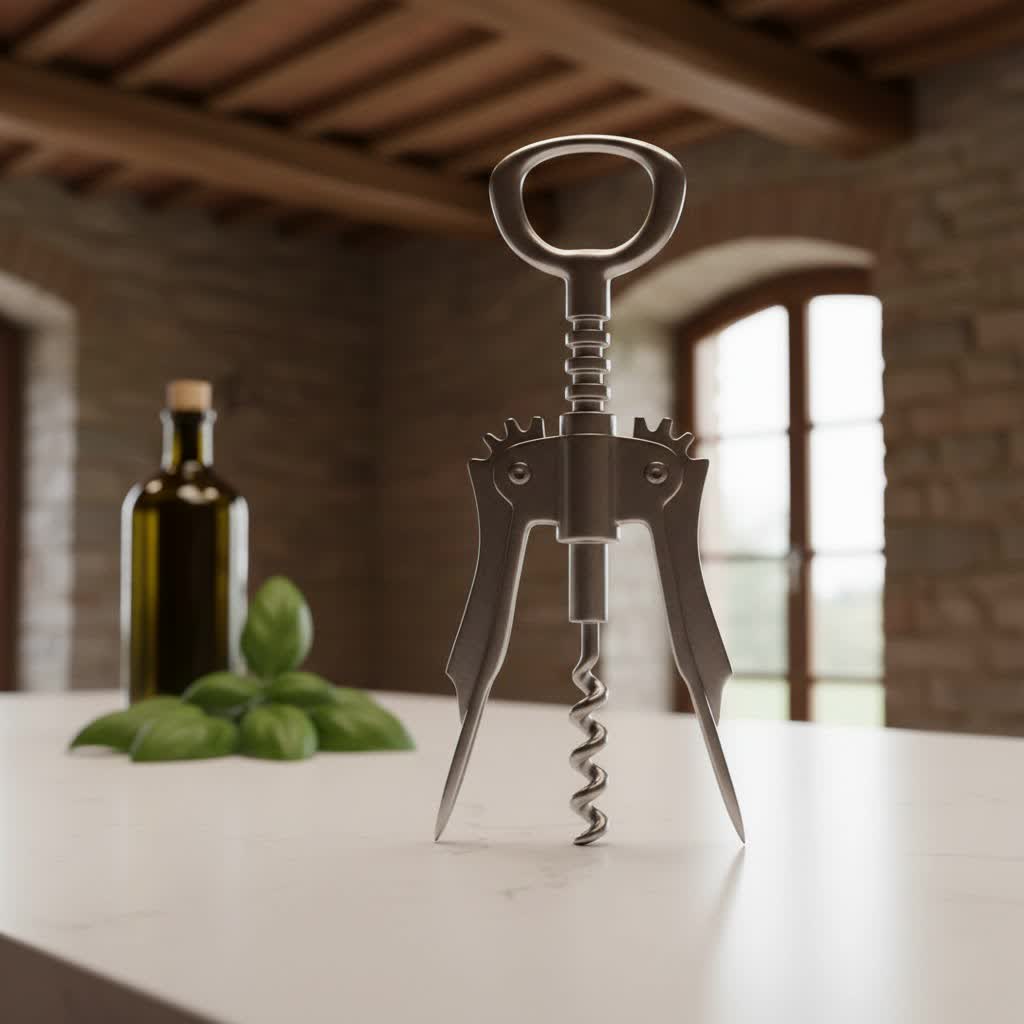
Opening a bottle of wine should be a moment of anticipation, not frustration. For many wine enthusiasts, a quality wine opener is as essential as the perfect glassware. With over a decade of experience in evaluating countless models, from classic designs to cutting-edge innovations, this guide provides an expert perspective to help you choose the ideal corkscrew wine opener for your needs. We’ll explore the various types, compare their features, and offer insights to ensure every pour is seamless and enjoyable.
What is a Wine Opener? Why Do You Need One?
A wine opener, at its core, is a specialized tool designed to extract the cork from a wine bottle, allowing you to access and enjoy the wine within. While the concept seems simple, its evolution reflects a long history of human ingenuity aimed at making this task efficient and elegant. Early methods of opening wine bottles were often crude, involving pushing the cork in or even breaking the bottle neck. The invention of the corkscrew revolutionized wine consumption, making it accessible and refined.
For any wine lover, a reliable wine opener is more than just a convenience; it’s a necessity. A high-quality opener ensures the cork is removed cleanly without breaking, preventing bits of cork from falling into your wine. It also safeguards the bottle’s integrity and, most importantly, enhances the overall ritual and enjoyment of wine. A superior opener means less effort, less mess, and a more pleasant experience from the very first pop.
Popular Types of Wine Openers on the Market
The world of wine openers is diverse, offering a range of mechanisms to suit different preferences, skill levels, and occasions. While all aim to remove a cork, their designs and operational methods vary significantly.
Lever Wine Opener
Lever-style wine openers, often known as “Rabbit” corkscrews due to a popular brand, are designed for maximum ease and speed. They operate by clamping onto the bottle neck, and with a simple up-and-down motion of a lever, the corkscrew (or worm) is driven into the cork, and then the cork is extracted.
- Pros: Extremely easy and quick to use, requiring minimal physical effort or dexterity. They are ideal for those who struggle with traditional corkscrews or frequently open multiple bottles.
- Cons: Often bulkier and less portable than other types. They can also be more expensive. While generally durable, the intricate mechanisms can sometimes be prone to wear over time with heavy use.
- How to Use: Place the opener over the bottle, ensuring the clamps grip the neck. Push the lever down to insert the screw into the cork. Pull the lever up to extract the cork. Reverse the motion to release the cork from the screw.
|
Our Picks for the Best Wine Opener in 2026
We may earn a commission when you use one of our links to make a purchase.
|
||
| Num | Product | Action |
|---|---|---|
| 1 | Secura Electric Wine Opener, Automatic Electric Wine Bottle Corkscrew Opener with Foil Cutter, Rechargeable (Stainless Steel) |

|
| 2 | Cuisinart CWO-25 Electric Wine Opener, Stainless Steel 3.50" x 4.75" x 10.00" |
|
| 3 | GORILLA GRIP BPA-Free Premium Wine Opener, Heavy Duty Zinc Alloy Wing Corkscrew, Multifunctional Bottle Openers Remove Corks, Caps, Easy Use Sharp Cork Screw, Dishwasher Safe, Holiday Essential, Black |
|
| 4 | OXO SteeL Winged Corkscrew with Removable Foil Cutter |
|
| 5 | Oster Cordless Electric Wine Bottle Opener with Foil Cutter, Silver |
|
| 6 | Beneno Wine Opener, Zinc Alloy Premium Wing Corkscrew with Multifunctional Bottles Opener, Sharp Wine Corkscrew with Ergonomic Non-Slip Wing Handle, Silver |
|
| 7 | KORCCI Wine Opener, Heavy-Duty Zinc Alloy Wing Corkscrew, Premium Beer Bottle Opener, Multifunctional Wine Accessories with Ergonomic Handle and Sharp Screw, for Kitchen, Bar, Restaurant, Bartenders |
|
| 8 | Cap Opener, Fun Bottle Opener for Parties and Gatherings, Creative Design Launches Caps at BBQs, Portable Entertainment for Outdoor Activities, Available in Red, Black, Blue |
|
| 9 | Wino Wine Key! - Professional Sommelier's Corkscrew Wine Opener |
|
| 10 | OXO Steel Vertical Lever Corkscrew with Removable Foil Cutter |
|
Traditional Corkscrew Wine Opener (Twist/Winged/Waiter’s)
This category encompasses the classic manual corkscrew designs that rely on twisting the worm into the cork and then applying leverage or direct pull.
Waiter’s Corkscrew (Wine Key)
Often considered the professional’s choice, the waiter’s corkscrew is compact, versatile, and highly effective. It typically includes a small foil cutter and a two-step lever system for leverage against the bottle rim.
- Pros: Portable, durable, and highly precise. The two-step leverage makes cork removal controlled and smooth. Often includes a foil cutter and sometimes a bottle opener.
- Cons: Requires some technique and hand strength, which can be challenging for beginners.
- How to Use: First, use the integrated knife to cut and remove the foil. Screw the worm into the center of the cork until only one coil remains visible. Place the first “boot” (lever) on the bottle rim and pull the handle up to partially extract the cork. Reposition the second boot on the rim and pull again to fully remove the cork.
Winged Corkscrew
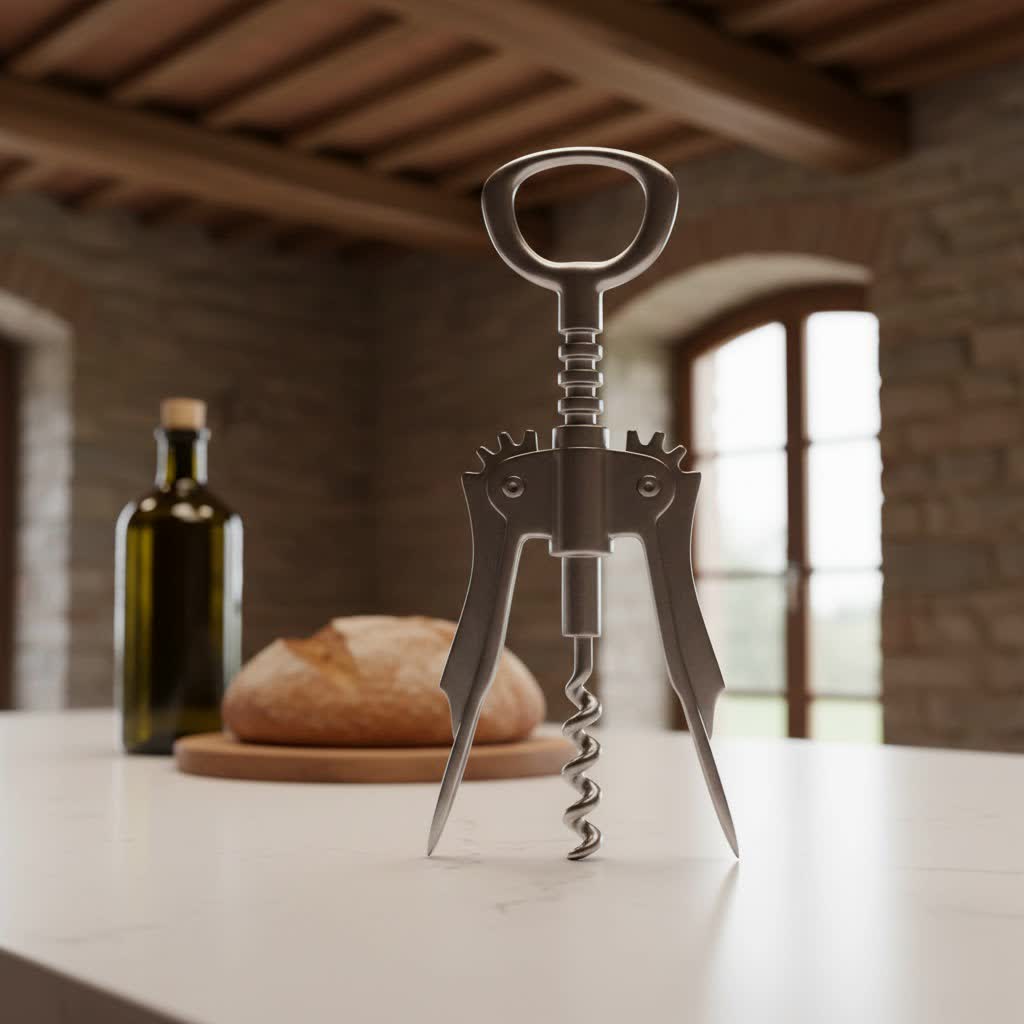
The winged corkscrew, a common household item, features two levers that rise as the worm is twisted into the cork. Pushing these “wings” down extracts the cork.
- Pros: Generally easy to use and provides good leverage, reducing the physical effort of pulling. Affordable and widely available.
- Cons: Can be less reliable with brittle or synthetic corks, sometimes struggling to provide enough torque for a smooth extraction. Can also be a bit clunky.
- How to Use: Place the corkscrew over the bottle so the worm is centered on the cork. Twist the handle to drive the worm into the cork; the wings will rise. Once the worm is fully inserted, push both wings down simultaneously to lift the cork out of the bottle.
Twist Corkscrew (Self-Pulling)
These are simpler manual corkscrews where you twist a handle, and the screw both penetrates and extracts the cork simultaneously, often with a frame that rests on the bottle neck.
- Pros: Straightforward operation, generally requiring less hand strength than a basic pull-style corkscrew.
- Cons: Can sometimes be less efficient with very tight or old corks. May still require a final pull.
- How to Use: Place the opener over the bottleneck. Turn the handle clockwise to screw the worm into the cork. As you continue to twist, the design helps pull the cork out.
Electric Wine Opener
Electric wine openers provide a high level of convenience, automating the cork removal process with the press of a button.
- Pros: Extremely easy to use, ideal for individuals with limited hand strength or mobility. Offers a quick and effortless cork removal experience. Often sleek and modern in design.
- Cons: Requires batteries or recharging, meaning it might be unusable if not charged. Generally more expensive than manual options. Less portable due to size and power requirements.
- How to Use: Place the electric opener vertically over the wine bottle, ensuring the corkscrew aligns with the cork. Press the “down” button to activate the corkscrew, which will automatically bore into and pull the cork. Press the “up” button to release the cork from the opener.
Air Pressure Wine Opener
Air pressure openers use a needle to penetrate the cork and inject air into the bottle, building pressure that forces the cork out.
- Pros: No twisting or pulling, making it gentle on fragile corks and easy to use. Can be very quick.
- Cons: Risk of damaging the cork or even the bottle if not used correctly or if too much pressure is applied. Some purists avoid them due to the interaction with the wine.
- How to Use: Carefully insert the needle through the center of the cork. Pump the handle several times to build air pressure inside the bottle. The cork will gradually rise and eventually pop out.
Multi-tool Wine Opener
While many wine openers offer more than one function, the waiter’s corkscrew is the quintessential multi-tool. It combines a corkscrew, a foil cutter (often a small serrated knife), and sometimes a bottle opener for crown caps, all in one compact device. This makes it incredibly versatile for various beverage opening needs.
- Pros: Highly versatile, combining multiple essential tools into a single, portable unit. Excellent for professionals or those who appreciate efficiency.
- Cons: Quality can vary significantly between brands, impacting the effectiveness of each tool.
- How to Use: Use the small knife to cut the foil, then proceed with the corkscrew and lever system as described for the waiter’s corkscrew. The bottle opener can be used on capped bottles.
Comparison Table of Wine Opener Types
| Type of Wine Opener | Pros | Cons | Price Range (Approx.) | Ease of Use | Durability |
|---|---|---|---|---|---|
| Lever Wine Opener | Very easy, fast, minimal effort | Bulky, can be expensive, complex mechanism | $20 – $100+ | Excellent | Good |
| Waiter’s Corkscrew | Portable, durable, precise, multi-tool | Requires technique/strength | $5 – $50+ | Moderate | Excellent |
| Winged Corkscrew | Easy to use, good leverage, affordable | Less reliable with fragile/synthetic corks | $10 – $30 | Good | Fair to Good |
| Electric Wine Opener | Effortless, quick, modern | Battery dependent, less portable, costly | $25 – $150+ | Excellent | Good |
| Air Pressure Wine Opener | Gentle on corks, no pulling/twisting | Risk of cork/bottle damage, less common | $15 – $40 | Good | Fair |
| Multi-tool (Waiter’s) | Highly versatile, compact, all-in-one | Requires skill for optimal use | $5 – $50+ | Moderate | Excellent |
Factors to Consider When Buying a Wine Opener
Choosing the best wine opener involves more than just picking the first one you see. Several factors can influence its performance, longevity, and your overall satisfaction.
Material
The materials used in a wine opener directly impact its durability, feel, and aesthetic.
- Stainless Steel: Pros: Highly durable, rust-resistant, easy to clean, often provides a premium feel and weight. Cons: Can be heavier than other materials.
- Plastic: Pros: Lightweight, affordable, comes in various colors. Cons: Less durable, especially for crucial components like the worm or lever mechanisms. Can feel flimsy.
- Wood: Pros: Offers a classic, elegant aesthetic, comfortable grip. Cons: Requires more care, can be susceptible to moisture or damage if not treated properly.
- Combination Materials: Many high-quality openers feature a combination, like a stainless steel worm with a comfortable rubberized or wooden handle, offering the best of both worlds.
Durability
A durable wine opener is an investment that will serve you well for years. To assess durability:
-
Examine the Worm (Screw): Look for a thick, sharp, and preferably Teflon-coated worm. A thin or poorly made worm can bend, break corks, or struggle to penetrate. Teflon coating reduces friction, making cork removal smoother.
-
Check Joints and Levers: For lever or waiter’s styles, ensure joints are sturdy and mechanisms operate smoothly without excessive play. High-quality metal construction is key.
-
Weight and Feel: Often, a heavier, well-balanced opener indicates better construction and material quality. It should feel solid in your hand.
-
Maintenance Tips for Longevity:
- Clean Regularly: Wipe down your opener after each use, especially if it comes into contact with wine or cork residue.
- Avoid Dishwashers: Harsh detergents and high heat can damage finishes, wooden components, and delicate mechanisms. Hand washing is always preferred.
- Store Properly: Keep your opener in a dry place, away from extreme temperatures, to prevent rust or material degradation.
Ease of Use
The ease of use is paramount for a pleasant wine-opening experience.
- Design: Ergonomic designs with comfortable grips significantly reduce strain. Features like double-hinged levers on waiter’s corkscrews enhance leverage and control.
- Size and Weight: Consider where you’ll be using the opener. A compact, lightweight waiter’s corkscrew is great for portability, while a larger, heavier lever-style might be preferred for home use.
- Physical Ability: For those with arthritis or limited hand strength, electric or lever openers offer significant advantages over manual pull-style corkscrews.
Price
Wine openers come in a wide range of prices, from budget-friendly options to luxurious, high-end models.
- Entry-Level ($5-$20): Often basic waiter’s corkscrews or winged openers. Good for occasional use, but quality can be inconsistent.
- Mid-Range ($20-$70): This segment offers excellent value, including high-quality waiter’s corkscrews, reliable lever models, and decent electric options. These typically provide a good balance of durability and performance.
- Premium ($70+): Features sophisticated designs, premium materials, advanced mechanisms, and often comes from renowned brands. These are built for extensive use and longevity, often offering an exceptional user experience.
Choose an opener that fits your budget but prioritize quality within that range. Investing a bit more often pays off in durability and frustration-free use.
Brand
Reputable brands often guarantee a certain level of quality, customer support, and sometimes even warranties. Some trusted names in the wine opener market include:
- OXO: Known for ergonomic designs and user-friendly products.
- Pulltaps: Highly regarded for professional-grade waiter’s corkscrews.
- Rabbit (Metrokane): Popularized the lever-style opener, synonymous with ease of use.
- Laguiole: Offers elegant, artisan-crafted waiter’s corkscrews, often with luxurious handles.
- Brabantia: Provides reliable and well-designed twist-style corkscrews.
Choosing from established brands increases the likelihood of a well-engineered and durable product.
Top 6 Best Corkscrew Wine Openers Reviewed
Based on performance, ease of use, durability, and user satisfaction, here are some of the most favored corkscrew wine openers available today.
-
OXO Steel Double Lever Waiter’s Corkscrew:
- Description: This highly-rated waiter’s corkscrew combines classic functionality with modern ergonomics. It features a comfortable, non-slip handle, a sturdy double-lever fulcrum system, and a long, sharp worm. It often includes an integrated foil cutter.
- Pros: Exceptional ease of use for a waiter’s style, comfortable grip, effective foil cutter, robust build.
- Cons: Slightly larger than some minimalist waiter’s friends.
- Best For: Everyday home use, aspiring sommeliers, those seeking reliability and comfort.
-
Pulltaps Original Waiter’s Corkscrew:
- Description: A favorite among wine professionals, the Pulltaps corkscrew is renowned for its durability and efficient two-step leverage system. It’s a no-frills, high-performance tool.
- Pros: Incredibly reliable, excellent leverage, durable construction, compact for pocket carry.
- Cons: Minimalist design might not appeal to all; requires a bit of practice for smooth operation.
- Best For: Professionals, frequent entertainers, anyone prioritizing function and durability.
-
Rabbit Original Lever Corkscrew Wine Opener:
- Description: The iconic lever-style opener that made uncorking effortless for many. It features a sturdy clamp and a smooth lever mechanism to extract corks quickly.
- Pros: Extremely easy and fast, requires almost no effort or skill, robust construction.
- Cons: Bulky, higher price point, not ideal for portability.
- Best For: Individuals with limited hand strength, those who open many bottles at home, gifting.
-
Brabantia Tasty+ Wine Bottle Opener Corkscrew:
- Description: A well-designed twist-style corkscrew that rests atop the bottle, automatically pulling the cork as you twist the handle.
- Pros: Easy on the hands and wrists, smooth twisting action, good for casual users.
- Cons: Larger than a waiter’s corkscrew, might struggle with very stubborn corks compared to lever styles.
- Best For: Casual wine drinkers, those seeking a simple and ergonomic twist-style opener.
-
HiCoup Waiter’s Corkscrew:
- Description: Often considered a strong contender in the mid-range waiter’s corkscrew category, offering a good balance of quality and affordability. It typically features a sharp serrated foil cutter and a double-hinged fulcrum.
- Pros: Good value, solid construction for the price, effective foil cutter, reliable leverage.
- Cons: Quality control can sometimes vary between units, may not have the premium finish of higher-end brands.
- Best For: Budget-conscious buyers looking for a dependable waiter’s corkscrew, everyday use.
-
Peugeot Elis Touch Electric Corkscrew:
- Description: A premium electric wine opener known for its elegant design, quiet operation, and efficient cork removal. It often features a powerful motor and a sleek charging base.
- Pros: Effortless and swift operation, sophisticated design, built-in battery for cordless use.
- Cons: High price point, needs charging, less compact than manual options.
- Best For: Tech-savvy wine lovers, those prioritizing convenience and luxury, gifting.
Tips for Using and Maintaining Your Wine Opener
To ensure your wine opener performs optimally and lasts for years, proper usage and maintenance are key.
- Use it Correctly:
- Foil Cutter First: Always remove the foil completely before attempting to extract the cork. This prevents foil bits from falling into the wine and allows for a clean seal break.
- Center the Worm: For all corkscrews, ensure the worm is inserted directly into the center of the cork. Off-center insertion can cause the cork to break or crumble.
- Straight Pull (Waiter’s/Twist): When pulling a manual corkscrew, apply steady, upward pressure. Avoid wiggling or twisting the bottle, which can damage the cork.
- Gentle Leverage (Lever/Winged): Allow the opener’s mechanism to do the work. Don’t force movements, as this can strain the device or break the cork.
- Clean and Store:
- Wipe After Each Use: Especially after contact with cork or wine. A damp cloth followed by a dry one is usually sufficient.
- Avoid Submerging: Do not soak manual or electric openers in water. For electric models, ensure charging ports are dry.
- Store in a Dry Place: Prevent rust and protect materials by storing your wine opener in a drawer or a dedicated spot away from moisture and extreme temperatures.
- Lubrication (for some Lever/Electric models): If your lever or electric opener has moving parts, occasionally a tiny drop of food-grade mineral oil can keep the mechanism smooth, following the manufacturer’s instructions.
Conclusion
Choosing the Best Corkscrew Wine Opener is a personal journey that blends practicality with preference. Whether you lean towards the classic elegance of a waiter’s corkscrew, the effortless convenience of a lever or electric model, or the simplicity of a winged opener, the market offers an exceptional array of choices. By considering factors like material, durability, ease of use, and trusted brands, you can find a companion that elevates every bottle opening into a moment of pure enjoyment. A well-chosen wine opener isn’t just a tool; it’s an essential part of the wine experience, promising smooth pours and cherished memories.
What kind of wine opener do you find most essential for your wine-drinking rituals?
Câu Hỏi Thường Gặp
What type of corkscrew is best for old or fragile corks?
For old or fragile corks, a twin-blade (Ah-So) wine opener or a lever-style opener is often recommended. Twin-blade openers gently slide between the cork and the bottle neck without piercing the cork, reducing the risk of breakage. Lever openers offer controlled extraction, which can also be beneficial for delicate corks.
Can I use an electric wine opener on synthetic corks?
Yes, most electric wine openers can effectively remove synthetic corks. Synthetic corks are generally denser than natural corks, but electric openers typically provide enough power and torque to extract them smoothly.
How often should I replace my corkscrew wine opener?
The lifespan of a corkscrew wine opener varies greatly depending on its type, material quality, and frequency of use. A high-quality waiter’s corkscrew can last decades, while a plastic winged opener might need replacing every few years. Look for signs of wear like a dull or bent worm, loose mechanisms, or difficulty extracting corks.
What’s the difference between a corkscrew and a wine opener?
The terms “corkscrew” and “wine opener” are often used interchangeably, but “wine opener” is a broader term that encompasses all tools used to open wine bottles, including those that don’t use a spiral screw (like air pressure openers or twin-blade openers). “Corkscrew” specifically refers to tools that use a spiral metal worm to twist into and extract a cork.
Is a double-hinged waiter’s corkscrew better than a single-hinged one?
Generally, yes. A double-hinged (or two-step) waiter’s corkscrew provides two points of leverage on the bottle rim, making it easier and smoother to extract the cork in two stages. This significantly reduces the effort required and minimizes the risk of breaking the cork compared to a single-hinged design.
Why does my corkscrew sometimes break the cork?
Cork breakage can occur for several reasons: an old, brittle cork; improper insertion of the worm (off-center or not deep enough); a dull or poorly designed worm; or excessive force/wiggling during extraction. Using a quality corkscrew and proper technique is crucial to prevent this.
How do I clean a sticky corkscrew worm?
To clean a sticky corkscrew worm, use a small brush (like an old toothbrush) and warm, soapy water to remove any cork residue. For very sticky or waxy buildup, you can try a small amount of rubbing alcohol on a cloth, then rinse and dry thoroughly. Ensure no moisture remains on metal parts to prevent rust.