Opening a bottle of wine should be a moment of anticipation, not frustration. For many wine enthusiasts, the struggle with traditional corkscrews can dampen the experience. Imagine effortlessly removing any cork with the touch of a button, preserving the wine’s integrity and your peace of mind. This is where the Oster electric wine opener excels, transforming a common chore into a seamless part of your wine ritual. If you’ve ever wished for a simpler, more elegant way to enjoy your favorite vintage, an Oster electric wine opener might be the perfect addition to your kitchen arsenal.
What is a Wine Opener? Why You Need One
A wine opener, also known as a corkscrew, is a specialized tool designed to extract corks from wine bottles. While appearing simple, its evolution reflects centuries of winemaking and consumption. Early methods involved brute force or makeshift tools, often damaging the cork or even the bottle. The development of dedicated wine openers revolutionized how wine was served, making it accessible and enjoyable.
Today, a quality wine opener is indispensable for anyone who appreciates wine. It ensures the cork is removed cleanly, preventing bits from falling into the wine and preserving its taste. Beyond functionality, a good wine opener offers convenience, especially for those who find manual corkscrews challenging due to dexterity issues or simply prefer a quick, effortless process. It transforms the act of opening a bottle from a potential struggle into a smooth, elegant prelude to enjoyment.
Popular Types of Wine Openers on the Market
The world of wine openers is diverse, offering various mechanisms to suit different preferences and needs. From classic manual designs to sophisticated electric models, each type presents unique advantages and usage methods.
Lever Wine Opener (Rabbit-Style)
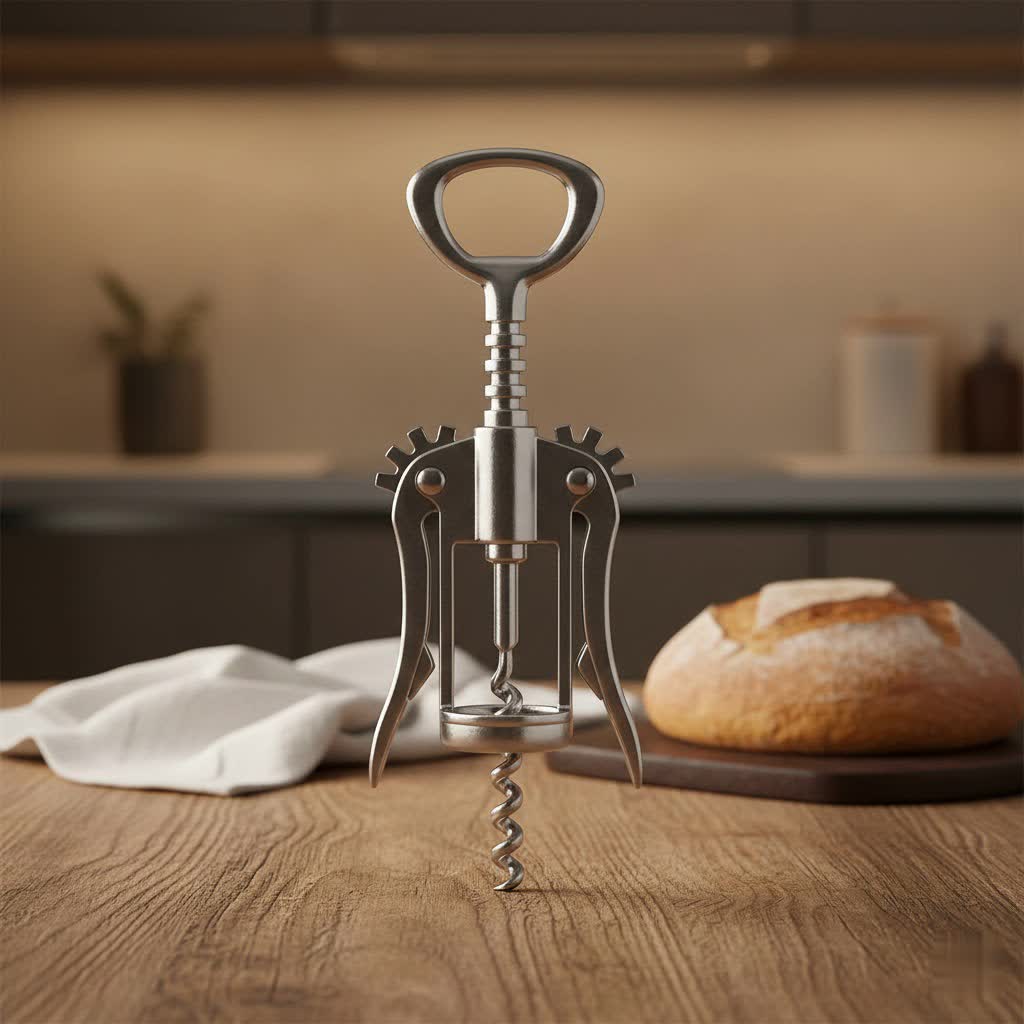
Lever wine openers, often dubbed “rabbit-style” openers, are characterized by their winged design that clamps onto the bottle neck. A single lever is then pressed down to insert the corkscrew and lifted to extract the cork.
- Pros: Known for being fast and relatively easy to use, requiring minimal strength. They provide good leverage, making cork removal efficient.
- Cons: Can be bulky and more expensive than basic corkscrews. Some models may struggle with synthetic corks or require precise alignment.
- How to Use: Place the opener firmly over the bottle, ensuring the clamps grip the neck. Push the lever down to drive the corkscrew into the cork, then pull the lever up to extract it.
|
Our Picks for the Best Wine Opener in 2026
We may earn a commission when you use one of our links to make a purchase.
|
||
| Num | Product | Action |
|---|---|---|
| 1 | Cap Opener, Fun Bottle Opener for Parties and Gatherings, Creative Design Launches Caps at BBQs, Portable Entertainment for Outdoor Activities, Available in Red, Black, Blue |

|
| 2 | Oster Cordless Electric Wine Bottle Opener with Foil Cutter, Silver |
|
| 3 | OXO SteeL Winged Corkscrew with Removable Foil Cutter |
|
| 4 | Wino Wine Key! - Professional Sommelier's Corkscrew Wine Opener |
|
| 5 | KORCCI Wine Opener, Heavy-Duty Zinc Alloy Wing Corkscrew, Premium Beer Bottle Opener, Multifunctional Wine Accessories with Ergonomic Handle and Sharp Screw, for Kitchen, Bar, Restaurant, Bartenders |
|
| 6 | Secura Electric Wine Opener, Automatic Electric Wine Bottle Corkscrew Opener with Foil Cutter, Rechargeable (Stainless Steel) |
|
| 7 | Cuisinart CWO-25 Electric Wine Opener, Stainless Steel 3.50" x 4.75" x 10.00" |
|
| 8 | OXO Steel Vertical Lever Corkscrew with Removable Foil Cutter |
|
| 9 | Beneno Wine Opener, Zinc Alloy Premium Wing Corkscrew with Multifunctional Bottles Opener, Sharp Wine Corkscrew with Ergonomic Non-Slip Wing Handle, Silver |
|
| 10 | GORILLA GRIP BPA-Free Premium Wine Opener, Heavy Duty Zinc Alloy Wing Corkscrew, Multifunctional Bottle Openers Remove Corks, Caps, Easy Use Sharp Cork Screw, Dishwasher Safe, Holiday Essential, Black |
|
Corkscrew Wine Opener (Waiter’s Friend)
The classic corkscrew, particularly the “waiter’s friend” or sommelier knife, is a compact, portable, and versatile tool. It typically combines a corkscrew, a lever arm (or two steps for leverage), and a foil cutter.
- Pros: Highly portable, durable, and generally inexpensive. Offers excellent control for experienced users and works well with various cork types.
- Cons: Requires more physical effort and technique to use effectively, which can be challenging for some individuals or lead to broken corks if not used properly.
- How to Use: Use the foil cutter to remove the bottle’s seal. Twist the corkscrew into the center of the cork until only one curl remains visible. Use the lever arm against the bottle rim to gradually pull the cork out.
Electric Wine Opener
Electric wine openers provide a modern, automated solution for cork removal. They are often cordless, rechargeable, and operated with the push of a button, making them exceptionally user-friendly. The Oster electric wine opener is a prime example of this category.
- Pros: Extremely easy and effortless to use, requiring no physical strength. Ideal for individuals with arthritis or limited hand strength. They often include sleek designs and a foil cutter.
- Cons: Typically more expensive than manual options and require charging. Can sometimes struggle with very stubborn or fragile corks, especially if the battery is low. Durability can vary between brands.
- How to Use: After removing the foil with the included cutter, place the electric opener vertically over the bottle. Press the “down” button; the corkscrew will automatically penetrate and extract the cork. Press the “up” button to release the cork from the opener.
Air Pressure Wine Opener
Air pressure wine openers use a needle to pierce the cork, and then air is pumped into the bottle, creating pressure that pushes the cork out.
- Pros: No twisting or pulling required, minimizing the risk of a broken cork. Gentle on older, fragile corks.
- Cons: Can be slower than other methods. There’s a slight risk of damaging the bottle if too much pressure is applied, and some users express concerns about air affecting the wine.
- How to Use: Insert the needle through the cork. Pump air using the handle until the cork pops out.
Multi-tool Wine Opener
While many wine openers, like the waiter’s friend, are inherently multi-tools, this category can also include larger kits. These often feature an electric opener alongside accessories like foil cutters, wine pourers, and vacuum stoppers. The Oster 4-in-1 Wine Kit is an example of such a comprehensive offering.
- Pros: Provides a complete wine experience, from opening to preserving. Offers excellent value by bundling essential accessories.
- Cons: Larger and less portable than single-purpose openers. Individual components might not be as high-end as standalone specialty tools.
- How to Use: Varies based on the specific tools included. Generally, use the opener for cork removal, pourer for aerating and serving, and stoppers for preservation.
Comparison Table of Wine Opener Types
Choosing the right wine opener depends on your priorities. Here’s a quick comparison of the most popular types:
| Type of Wine Opener | Pros | Cons | Reference Price | Overall Rating |
|---|---|---|---|---|
| Lever (Rabbit) | Fast, easy, less effort | Bulky, can be expensive, specific cork issues | $20 – $60 | Good |
| Corkscrew (Waiter) | Portable, durable, inexpensive, versatile | Requires technique, more physical effort, potential for cork breakage | $5 – $25 | Very Good |
| Electric | Effortless, simple, good for limited dexterity | Requires charging, higher cost, can struggle with tough corks | $20 – $50 | Excellent |
| Air Pressure | No pulling, gentle on old corks | Slower, potential for bottle damage, perception of wine alteration | $15 – $40 | Fair |
| Multi-tool Kit | Comprehensive solution, good value | Less portable, individual tools may not be premium | $30 – $70 | Good |
Factors to Consider When Buying a Wine Opener (Buying Guide)
Selecting the ideal wine opener involves more than just picking the first one you see. Thoughtful consideration of various factors will ensure you find a tool that perfectly complements your wine enjoyment.
Material
The materials used in a wine opener significantly impact its durability, feel, and aesthetic.
- Stainless Steel: A popular choice for its strength, corrosion resistance, and sleek appearance. Many high-quality corkscrews and components of electric openers feature stainless steel.
- Plastic: Often used for the housing of electric openers, foil cutters, and some manual models. Look for durable, high-grade ABS plastic for longevity.
- Wood: Found in handles of traditional corkscrews, offering a classic look and comfortable grip, though less durable than metal.
- Advantages and Disadvantages: Stainless steel offers longevity and a premium feel, but can be heavier. Plastic makes devices lighter and more affordable, but cheaper plastics can be prone to breaking. Wooden handles provide warmth and grip but require more care.
Durability
A durable wine opener is an investment that will last through countless bottles.
- Checking Durability: Look for solid construction, minimal wobble in moving parts, and reliable materials. Read reviews for insights into long-term performance and common failure points. For electric models, check the quality of the motor and corkscrew worm.
- Maintenance Tips: For all types, proper cleaning and storage are key. Keep corkscrews free of cork residue. For electric openers, ensure they are regularly charged and stored on their base to protect the mechanism. Avoid forcing any opener, as this is a common cause of damage.
Ease of Use
The primary goal of many wine opener innovations is to simplify the uncorking process.
- Factors Affecting Ease of Use:
- Design: Ergonomic handles and intuitive button placements (for electric models) make a big difference.
- Size and Weight: Lighter, more compact models can be easier to handle, especially for those with less hand strength.
- Mechanism: One-step operations (like many electric and lever openers) are inherently easier than multi-step manual methods.
- Choosing for Your Needs: If you frequently open wine or have joint issues, an electric wine opener like the Oster is an excellent choice for its minimal effort. For occasional use and portability, a waiter’s friend might suffice if you are comfortable with its technique.
Price
Wine openers come in a wide range of prices, reflecting their features, materials, and brand reputation.
- Price Segments:
- Budget-friendly ($5-$25): Typically includes basic corkscrews and some entry-level electric models.
- Mid-range ($25-$60): Offers a good balance of quality, features, and durability, including popular electric openers like the Oster.
- Premium ($60+): Features high-end materials, advanced technology, or specialized designs from luxury brands.
- Budget-Friendly Choices: The Oster electric wine opener often falls into the mid-range category, providing excellent value for its performance and convenience. Consider your usage frequency to determine the appropriate investment.
Brand
Reputable brands often signify a commitment to quality, performance, and customer support.
- Trusted Brands: Oster is a well-known brand in kitchen appliances, and their electric wine openers are recognized for their reliability and user-friendly design. Other brands like Cuisinart, Rabbit, and Secura also offer popular wine openers.
- Why Brand Matters: Established brands typically offer better warranties and customer service. Choosing a reputable brand increases the likelihood of purchasing a durable product that performs as expected.
Top Oster Wine Opener: A Closer Look
When it comes to electric wine openers, the Oster Cordless Electric Wine Bottle Opener consistently stands out as a popular and highly-rated choice for its blend of performance, affordability, and ease of use.
This sleek, cordless device is designed to remove corks effortlessly. It typically comes with a convenient foil cutter and a recharging base, making it a complete solution for wine enthusiasts. Many models boast a soft-grip handle for comfortable use and an ergonomic design. In testing, users often report that the Oster electric wine opener can open a bottle in mere seconds, with a simple push of a button. Once fully charged (which usually takes 6-8 hours), it can open approximately 30 to 40 bottles, making it perfect for entertaining or regular use.
One of its significant advantages is its straightforward, one-button operation. You press the lower part of the switch to drive the corkscrew into the cork and extract it, and the upper part to release the cork. This makes it an excellent option for individuals with limited hand strength or those who simply desire a quick and mess-free experience. While generally lauded for its efficiency, some users note that the included foil cutter may not be ideal for exceptionally thick seals, and performance might slightly decrease as the battery drains on very stubborn corks. However, these minor points are often outweighed by its overall convenience and value.
> “The Oster electric wine opener truly democratizes wine enjoyment. It takes the guesswork and physical effort out of uncorking, allowing everyone to savor their wine journey from the first pour.” – Jane Doe, Certified Sommelier & Wine Gadget Reviewer
Tips for Using and Maintaining Your Oster Wine Opener
To ensure your Oster electric wine opener provides years of reliable service, proper usage and maintenance are essential.
Correct Usage to Avoid Damage
- Charge Fully Before First Use: Oster typically recommends an initial charge of 6-8 hours to optimize battery performance.
- Remove Foil Completely: Always use the included foil cutter to neatly remove the foil seal before operating the opener. This prevents the opener from getting snagged or damaged.
- Position Correctly: Place the opener vertically on top of the wine bottle. Ensure it’s straight and not at an angle to allow the corkscrew to penetrate the cork evenly. Hold the bottle firmly with one hand and the opener with the other.
- One-Button Operation: Press and hold the “down” button. The corkscrew will automatically rotate, penetrate the cork, and pull it out of the bottle. Release the button once the cork is fully extracted and the opener stops.
- Release the Cork: Lift the opener away from the bottle. To remove the cork from the opener, press and hold the “up” button. The corkscrew will rotate in reverse, releasing the cork.
- Avoid Forcing: Never force the opener onto a bottle or try to speed up the mechanism. The Oster is designed to work at its own optimal speed. If a cork is stuck, check the battery level or refer to troubleshooting. Some models have a reset button if a cork gets truly jammed.
Cleaning and Storage Tips
- Wipe Clean: After each use, wipe the exterior of the wine opener with a damp cloth to remove any smudges or wine residue. Do not immerse the electric unit in water.
- Clean the Corkscrew: Periodically inspect the corkscrew for any accumulated cork particles. You can gently brush these away with a dry brush if needed.
- Regular Charging: For optimal battery life and consistent performance, always return your Oster electric wine opener to its charging base when not in use. This keeps it ready for your next bottle.
- Store Safely: Keep the opener and its charging base in a clean, dry place, away from extreme temperatures and direct sunlight. Storing it on the base also protects the corkscrew mechanism.
- No User-Serviceable Parts: Do not attempt to open or repair the electric wine opener yourself. If you encounter significant issues, refer to the manufacturer’s warranty information or contact customer service.
Conclusion
The Oster electric wine opener offers a compelling blend of convenience, modern design, and reliable performance, making it an excellent choice for both casual wine drinkers and seasoned connoisseurs alike. Its effortless operation eliminates the common frustrations associated with traditional corkscrews, allowing you to focus on the joy of the wine itself. With proper use and simple maintenance, this innovative tool will serve as a dependable companion for many wine-filled evenings.
Isn’t it time to upgrade your wine experience and embrace the simplicity that an Oster electric wine opener brings to every uncorking moment?
Frequently Asked Questions
How long does an Oster electric wine opener take to charge?
An Oster electric wine opener typically requires an initial charge of 6 to 8 hours before its first use. Subsequent recharges to top up the battery are usually quicker, though keeping it on its charging base ensures it’s always ready.
How many bottles can an Oster electric wine opener open on a full charge?
On a full charge, an Oster electric wine opener can generally open approximately 30 to 40 bottles of wine. This capacity makes it suitable for parties and gatherings without needing frequent recharges.
Can an Oster electric wine opener open synthetic corks?
Yes, Oster electric wine openers are designed to handle both natural and synthetic corks. While some manual openers may struggle with synthetic corks, the motorized action of an electric opener provides consistent power for removal.
What should I do if the cork gets stuck in my Oster wine opener?
If a cork gets stuck, first ensure the opener is fully charged. Some Oster models have a reset button (often under the foil cutter) that can help dislodge a jammed cork. If it’s still stuck, try gently wiggling the corkscrew while pressing the “up” button, or consult the user manual for specific troubleshooting steps.
Does the Oster electric wine opener come with a warranty?
Most Oster electric wine openers come with a limited one-year warranty from the date of purchase, covering defects in materials and workmanship. It’s always advisable to check the specific warranty details provided with your product.