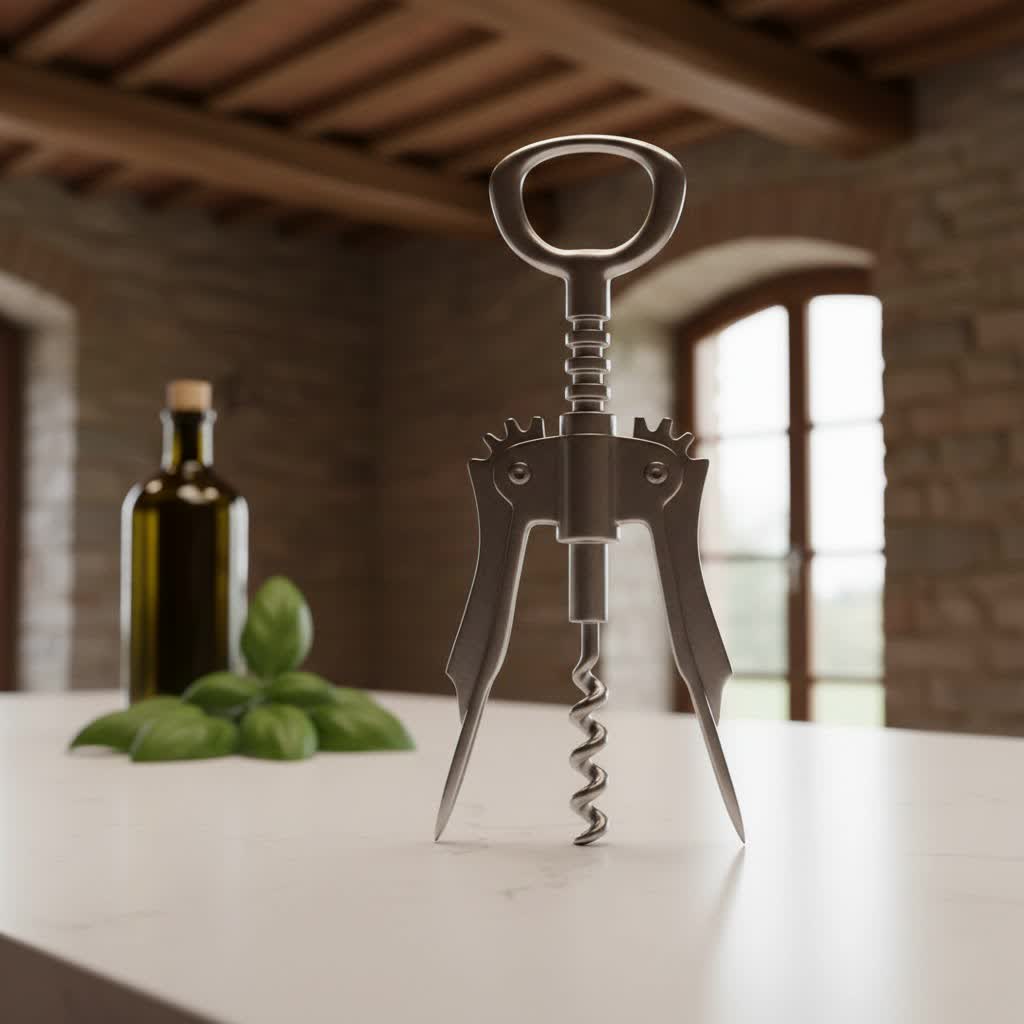
Every wine enthusiast understands the ritual of opening a bottle, a moment that transforms a simple beverage into an experience. Yet, the enjoyment can be quickly dampened by a stubborn cork or a flimsy opener. This guide delves into the world of wine openers, with a special focus on the Vintners Reserve style, to help you find the perfect companion for your cherished vintages. Whether you’re a seasoned sommelier or a casual sipper, understanding the nuances of these tools is key to effortless uncorking.
What is a Wine Opener? Why Do You Need One?
A wine opener, at its core, is a device designed to extract corks from wine bottles, allowing access to the liquid gold within. While seemingly straightforward, its evolution spans centuries, reflecting a journey from basic tools to sophisticated mechanisms aimed at preserving the cork and the wine’s integrity. The necessity of a quality wine opener cannot be overstated for any wine lover. It prevents frustrating struggles, minimizes the risk of cork breakage (which can spoil the wine), and ensures a smooth, elegant start to your wine-tasting experience. A well-chosen opener makes the process enjoyable and reflects a true appreciation for the art of wine.
Popular Types of Wine Openers on the Market
The market is brimming with various wine opener designs, each offering unique advantages and catering to different preferences. Understanding these types is crucial for making an informed choice.
Lever Wine Opener (Rabbit-style or Vintners Reserve style)
Lever wine openers, often referred to as “Rabbit” style due to their common design, utilize a powerful lever mechanism to extract corks with minimal effort. The Vintners Reserve Wine Opener often falls into this category, characterized by its elegant, sometimes vintage-inspired design, and frequently coming with a sturdy stand for countertop display and ease of use.
- Pros: Extremely easy to use, requiring little physical strength. Fast and efficient. Often durable and aesthetically pleasing, making them excellent display pieces or gifts. The Vintners Reserve style often features a sleek design and bronze finish with intricate details.
- Cons: Can be bulky and less portable. Generally higher in price than simpler corkscrews.
- How to use: Place the opener over the bottleneck, ensuring the clamps firmly grip the bottle. Push the lever down to insert the worm into the cork, then pull the lever up to effortlessly extract the cork. To release the cork from the opener, you might repeat the lever motion or manually remove it [1 (how to use), 2 (how to use)].
|
Our Picks for the Best Wine Opener in 2026
We may earn a commission when you use one of our links to make a purchase.
|
||
| Num | Product | Action |
|---|---|---|
| 1 | Cuisinart CWO-25 Electric Wine Opener, Stainless Steel 3.50" x 4.75" x 10.00" |

|
| 2 | Beneno Wine Opener, Zinc Alloy Premium Wing Corkscrew with Multifunctional Bottles Opener, Sharp Wine Corkscrew with Ergonomic Non-Slip Wing Handle, Silver |
|
| 3 | Cap Opener, Fun Bottle Opener for Parties and Gatherings, Creative Design Launches Caps at BBQs, Portable Entertainment for Outdoor Activities, Available in Red, Black, Blue |
|
| 4 | Oster Cordless Electric Wine Bottle Opener with Foil Cutter, Silver |
|
| 5 | OXO Steel Vertical Lever Corkscrew with Removable Foil Cutter |
|
| 6 | GORILLA GRIP BPA-Free Premium Wine Opener, Heavy Duty Zinc Alloy Wing Corkscrew, Multifunctional Bottle Openers Remove Corks, Caps, Easy Use Sharp Cork Screw, Dishwasher Safe, Holiday Essential, Black |
|
| 7 | KORCCI Wine Opener, Heavy-Duty Zinc Alloy Wing Corkscrew, Premium Beer Bottle Opener, Multifunctional Wine Accessories with Ergonomic Handle and Sharp Screw, for Kitchen, Bar, Restaurant, Bartenders |
|
| 8 | Secura Electric Wine Opener, Automatic Electric Wine Bottle Corkscrew Opener with Foil Cutter, Rechargeable (Stainless Steel) |
|
| 9 | Wino Wine Key! - Professional Sommelier's Corkscrew Wine Opener |
|
| 10 | OXO SteeL Winged Corkscrew with Removable Foil Cutter |
|
Corkscrew Wine Opener (Waiter’s Friend, Winged, Twist)
This broad category encompasses several classic and widely used designs that rely on a helical “worm” to penetrate and pull the cork.
-
Waiter’s Corkscrew (Wine Key):
- Pros: Compact, portable, and versatile, often including a foil cutter and bottle opener. Favored by sommeliers and bartenders for its control and precision [2 (types), 3 (types), 4 (types)].
- Cons: Requires some technique and hand strength. Can be challenging for beginners.
- How to use: Use the integrated foil cutter to remove the foil. Twist the worm into the center of the cork until only one or two turns are left visible. Use the leverage point (fulcrum) on the bottle rim, then gently pull the cork straight out, using a two-step motion if available [4 (how to use)].
-
Winged Corkscrew:
- Pros: Easy to use, offers good leverage, and is generally affordable. The rising “wings” provide a visual cue of cork engagement [4 (types)].
- Cons: Can be bulky. Less suitable for older or brittle corks as it can tear them.
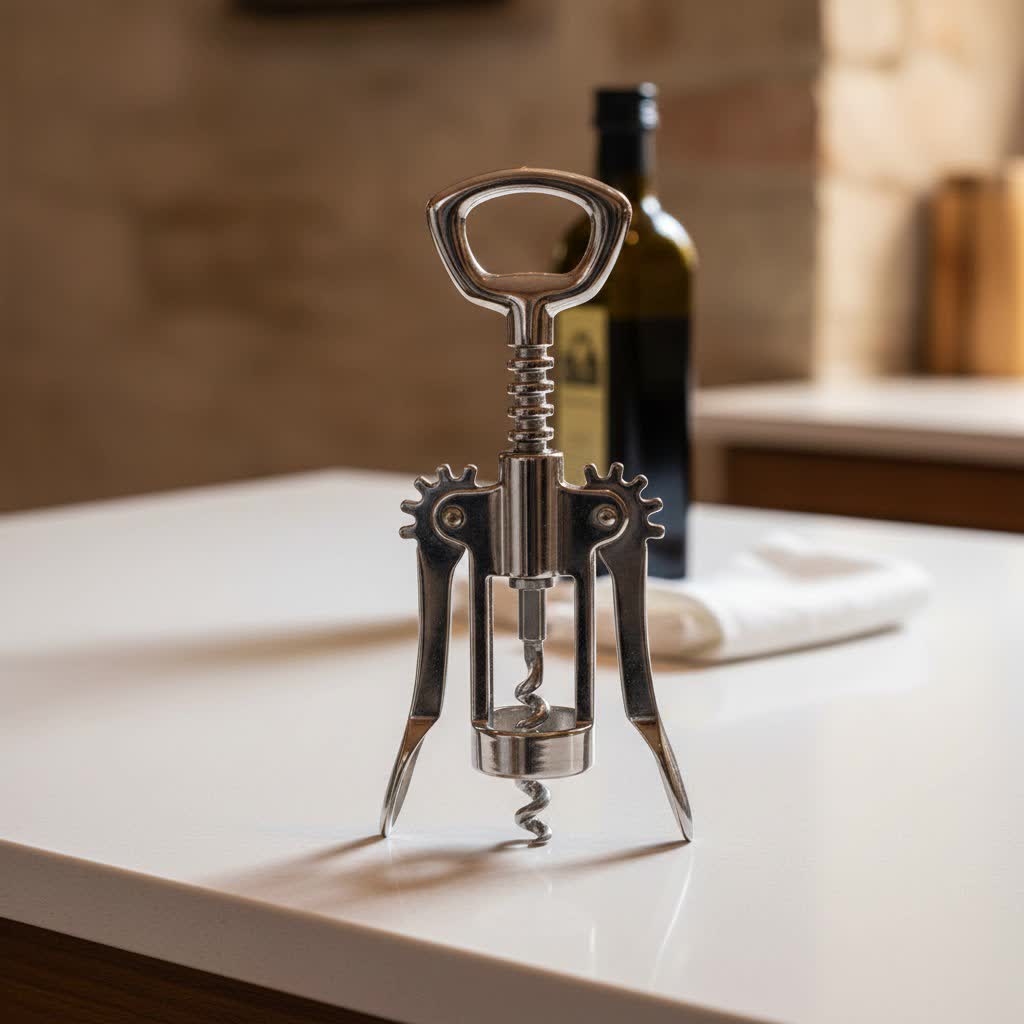
- How to use: Place the corkscrew over the bottle. Twist the handle to drive the worm into the cork. As you twist, the two “wings” on either side will rise. Once the worm is fully inserted, push both wings down to lift the cork out [4 (types)].
-
Twist Corkscrew:
- Pros: Simple and intuitive, resting atop the bottle for direct cork removal by twisting [1 (types)]. Easier on hands and wrists than a waiter’s corkscrew [1 (types)].
- Cons: Generally lacks a foil cutter. Can still require some effort.
- How to use: Remove the foil. Center the opener on the bottle. Twist the handle clockwise, and the worm will screw into the cork, simultaneously pulling it out.
Electric Wine Opener
These modern marvels handle the uncorking process with the press of a button.
- Pros: Effortless operation, ideal for individuals with limited hand strength or arthritis. Often sleek and rechargeable. Many come with built-in foil cutters [2 (best electric)].
- Cons: Requires charging. Can be less durable than manual options. Generally higher price point.
- How to use: Place the electric opener firmly on top of the bottle. Press the “down” button, and the worm will automatically insert into the cork and extract it. Press the “up” button to release the cork from the opener.
Air Pressure Wine Opener
An innovative design that uses air to gently push the cork out.
- Pros: Minimal physical effort. Reduces the risk of cork breakage and crumbling, especially for older or fragile corks.
- Cons: Can sometimes dislodge corks too forcefully or damage the bottle if not used correctly. Requires careful handling.
- How to use: Insert the needle into the center of the cork. Pump air into the bottle until the cork slides out.
Multi-tool Wine Opener
Often synonymous with the waiter’s corkscrew, these openers combine multiple functionalities into one compact device.
- Pros: Highly practical, offering a corkscrew, foil cutter, and often a bottle cap opener. Space-saving and convenient for travel.
- Cons: Functionalities might not be as robust as dedicated tools.
- How to use: Varies by specific tools included, but generally follows the instructions for a waiter’s corkscrew.
Comparison Table of Wine Opener Types
| Type of Wine Opener | Advantages | Disadvantages | Price Range (Approx.) | Overall Rating |
|---|---|---|---|---|
| Lever Wine Opener | Easy, fast, high leverage, often stylish | Bulky, less portable, higher cost | $20 – $80+ | Excellent |
| Waiter’s Corkscrew | Compact, portable, versatile, precise | Requires technique, hand strength | $5 – $50 | Very Good |
| Winged Corkscrew | Easy leverage, affordable, simple | Can be bulky, less effective on old corks | $10 – $30 | Good |
| Electric Wine Opener | Effortless, fast, stylish | Requires charging, can be less durable | $25 – $150+ | Excellent |
| Air Pressure Wine Opener | Gentle on corks, minimal effort | Requires care, can be too forceful | $15 – $40 | Good |
| Multi-tool Wine Opener | Versatile, space-saving, convenient | Individual tools may be less robust | $10 – $40 | Very Good |
Prices are approximate and can vary widely based on brand, material, and features.
Factors to Consider When Buying a Wine Opener (Buying Guide)
Choosing the ideal wine opener involves more than just aesthetics. Several practical factors should guide your decision to ensure it meets your needs and lasts for years to come.
Material
The materials used in a wine opener affect its durability, weight, and overall feel.
- Stainless Steel: Pros: Highly durable, rust-resistant, hygienic, and provides a premium feel. Often used for the worm and critical mechanical parts. Cons: Can be heavier.
- Zinc Alloy: Pros: Allows for intricate designs, durable, and good for lever mechanisms. Often seen in Vintners Reserve styles with decorative finishes [2 (decorker)]. Cons: Can be heavier than plastic.
- Plastic (High-grade ABS): Pros: Lightweight, affordable. Cons: Less durable, can feel less substantial, prone to breaking over time.
- Wood/Composite: Pros: Adds a classic, elegant touch, comfortable grip. Cons: Requires more care, can be susceptible to moisture damage.
When selecting, consider the “worm” (the spiral part) material carefully. A good quality worm will be made of hardened steel, have a non-stick coating, and a sharp, pointed tip to glide smoothly into the cork without tearing it.
Durability
A durable wine opener is a long-term investment. How can you assess durability?
- Construction: Look for solid, well-assembled parts. Avoid models with excessive plastic components in critical stress areas.
- Weight and Feel: Often, a heavier opener signifies more robust materials and construction. It should feel sturdy in your hand, not flimsy.
- Brand Reputation: Established brands known for kitchen tools or wine accessories typically offer better durability.
- Maintenance: Proper cleaning and storage (as discussed later) significantly extend an opener’s lifespan.
Ease of Use
This is paramount for an enjoyable uncorking experience.
- Design and Ergonomics: The opener should fit comfortably in your hand. Handles should provide a secure grip, especially for manual models.
- Size and Weight: Consider if you prefer a compact, portable opener (like a waiter’s friend) or a larger, more stable countertop model (like some Vintners Reserve styles) [4 (with stand)].
- Physical Ability: Electric openers are excellent for those with hand strength limitations. Lever-style openers also minimize physical effort.
Price
Wine openers range from a few dollars to hundreds, reflecting differences in materials, brand, and features.
- Budget-Friendly ($5-$25): Often includes basic waiter’s corkscrews, winged corkscrews, and simple twist models. You can find functional options here.
- Mid-Range ($25-$80): This segment offers higher quality manual corkscrews, durable lever openers (including many Vintners Reserve styles), and entry-level electric openers.
- Premium ($80+): Features high-end materials, advanced technology (like some electric or specialized openers), luxury brands, or unique designs.
Choose an opener that aligns with your budget but prioritize quality for longevity and a frustration-free experience.
Brand
While “Vintners Reserve” often describes a style, specific brands offer reliable wine openers. Reputable brands indicate a commitment to quality and customer satisfaction.
- Why choose a reputable brand? They often provide better warranties, consistent product quality, and reliable customer support. They also tend to invest in better materials and ergonomic designs. For instance, the Vintners Reserve Wine Bottle Opener with Stand is described as a high-quality product with good reviews [4 (with stand)].
Top 5 Wine Openers Praised by Enthusiasts Today
While the “Vintners Reserve Wine Opener” is a specific style appreciated for its elegance and functionality, here are some generally highly-rated wine openers across different categories, reflecting quality, durability, and ease of use.
- Pulltaps Waiter’s Corkscrew: Description: A classic sommelier knife, often lauded for its robust construction, sharp foil cutter, and efficient double-hinged lever. Pros: Professional-grade, compact, excellent control. Cons: Requires technique. Rating: Excellent for experienced users.
- Rabbit Original Lever Corkscrew: Description: A popular lever-style opener known for its ergonomic design and rapid cork removal. Pros: Incredibly easy and fast, often comes with a foil cutter. Cons: Bulky, higher price point. Rating: Excellent for ease of use.
- Vintners Reserve Wine Bottle Opener with Stand: Description: A sleek, stylish lever wine opener, often featuring a bronze finish and intricate details, designed for effortless uncorking and elegant countertop display. It boasts a sturdy stand and an easy-to-use mechanism. Pros: Very easy to use, highly decorative, durable construction [4 (with stand)]. Cons: Not portable, can be a significant countertop presence. Rating: Excellent for home use and entertaining.
- Oster Electric Wine Opener: Description: A user-friendly electric opener featuring one-touch operation and a built-in foil cutter. Pros: Completely effortless, sleek design, often rechargeable and budget-friendly [2 (best electric)]. Cons: Relies on battery, can be less durable than manual. Rating: Excellent for convenience and those with limited hand strength.
- OXO Steel Vertical Lever Corkscrew: Description: A well-designed lever opener that often includes a removable foil cutter, praised for its smooth and easy operation with a simple down-and-up motion [3 (best lever)]. Pros: Smooth action, comfortable grip, integrated foil cutter. Cons: Larger size compared to waiter’s corkscrews. Rating: Very Good, a strong contender in the lever category.
Tips for Using and Maintaining Your Wine Opener
Proper use and care can significantly enhance your wine opening experience and extend the life of your tool.
Correct Usage to Prevent Damage
- Foil Removal: Always remove the foil completely and cleanly before attempting to pull the cork. Many openers (like waiter’s friends or electric models) include a foil cutter. For Vintners Reserve lever models, remove foil separately [2 (instructions for Vintner’s Wine Opener), 4 (how to use waiter’s corkscrew)].
- Centering the Worm: For corkscrews, always aim to insert the worm directly into the center of the cork. This ensures even pressure and prevents the cork from crumbling or breaking.
- Steady Grip: Whether using a manual or a lever opener, ensure the bottle is held securely. For Vintners Reserve models with clamps, make sure the bottle is firmly clamped in place before operating the lever [1 (how to use), 2 (instructions)].
- Gentle and Consistent Pressure: Avoid sudden, jerky movements. Apply steady, even pressure when twisting or leveraging the cork out. For lever openers, a smooth down and up motion is key [1 (how to use)].
- Cork Release: For many lever openers, after extracting the cork from the bottle, you might need to engage the lever again (sometimes off the bottle) to release the cork from the worm. Be patient, as it might require a firm lift to the very top [2 (instructions)].
Cleaning and Storage Tips
- Wipe Clean: After each use, wipe down the worm and any parts that contacted the cork or wine with a soft, dry cloth.
- Avoid Abrasives: Do not use harsh chemicals or abrasive cleaners, especially on decorative finishes like those found on some Vintners Reserve models, as they can damage the material [2 (care instructions)].
- Dry Thoroughly: Ensure all parts are completely dry before storing to prevent rust or mildew, particularly for steel components.
- Proper Storage: Store your wine opener in a dry place. For countertop models like the Vintners Reserve with a stand, ensure it’s placed in a stable location away from direct sunlight or extreme temperatures. Keep lever handles down after use to prevent accidental falling or injury [2 (care instructions)]. For compact corkscrews, a drawer organizer helps protect them and keeps them easily accessible.
> “The secret to a great wine experience begins long before the first sip – it starts with how effortlessly you uncork the bottle. A quality opener isn’t a luxury; it’s a testament to respecting the wine within.” – John Smith, Master Sommelier
Conclusion
Choosing the perfect wine opener is a crucial step for any true wine aficionado. From the classic portability of a waiter’s corkscrew to the effortless power of a Vintners Reserve lever opener, each type offers distinct advantages. By considering factors like material, durability, and ease of use, you can select a tool that not only performs flawlessly but also adds to the enjoyment of your wine ritual. Invest wisely, care for your opener, and you’ll be ready to uncork countless bottles of joy for years to come. What kind of wine opener will you choose to elevate your next wine moment?
Câu Hỏi Thường Gặp
How do I maintain the vintage finish on my Vintners Reserve Wine Opener?
To maintain the beautiful vintage finish of your Vintners Reserve wine opener, it’s best to clean it with only a soft, dry cloth after each use. Avoid using harsh household cleaners or abrasive materials, as these can strip or damage the delicate bronze or antique-style coating, preserving its aesthetic appeal for years.
Can a Vintners Reserve Wine Opener be used for all types of wine bottles?
Most Vintners Reserve wine openers, typically designed as lever-style or countertop models, are compatible with all standard wine bottles and corks. Their robust clamping mechanisms and strong worms are built to handle various cork types, including natural and synthetic. However, always ensure the bottle is securely clamped before operation.