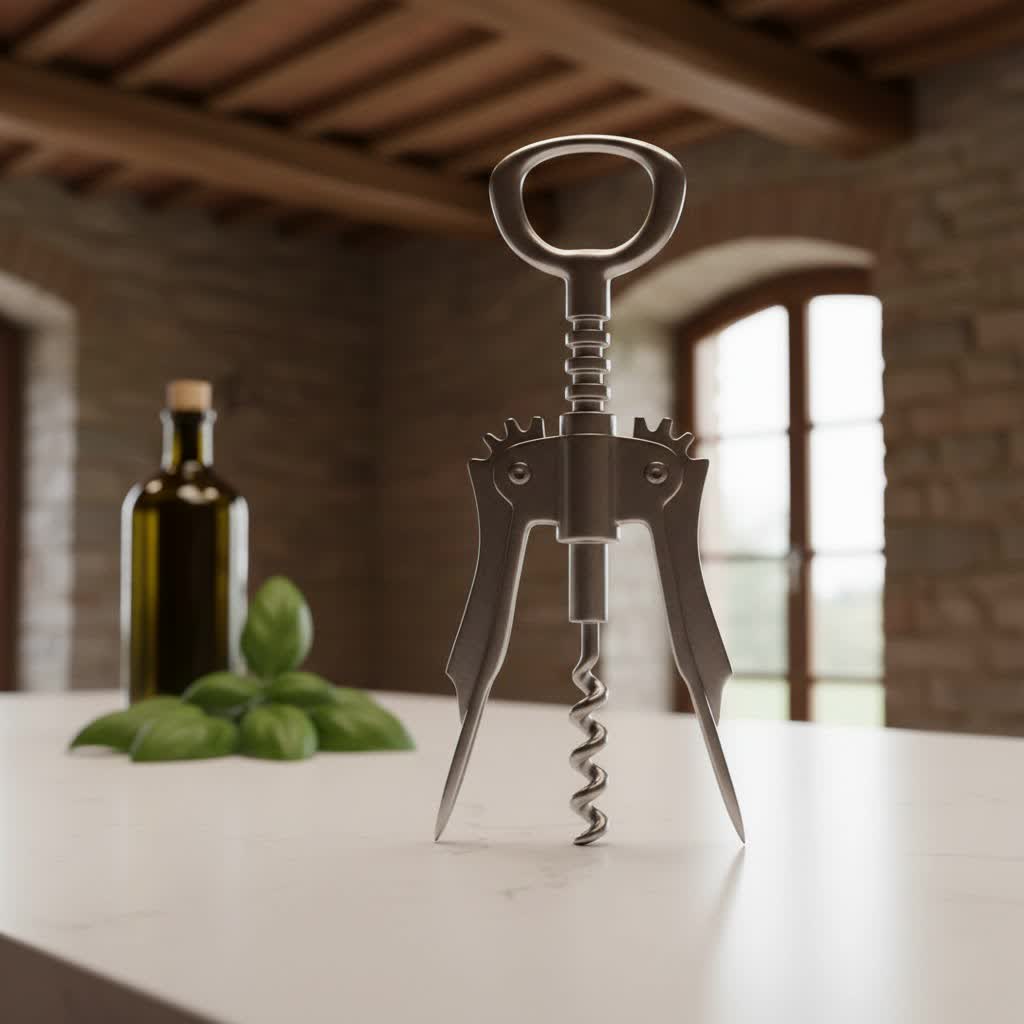
Opening a bottle of wine should be a moment of anticipation, not frustration. Whether you’re a seasoned sommelier or simply enjoy a relaxing glass at home, the right wine opener can transform this simple act into a smooth, effortless experience. With countless designs on the market, choosing the “best” wine bottle opener can seem daunting. But worry not, as a technician with over a decade of experience dissecting and testing these devices, I’m here to guide you through the intricate world of cork removal, ensuring your next pour is a pleasure.
What is a Wine Opener? Why Do You Need One?
A wine opener, often interchangeably called a corkscrew, is an essential tool designed to extract corks from wine bottles. While modern advancements have given us screw caps and synthetic corks, the traditional natural cork remains a hallmark of quality and aging potential for many fine wines. Without a reliable opener, accessing the liquid gold within can be a messy and sometimes impossible task.
The history of the wine opener is as rich as the wines it serves. Early methods of opening wine bottles were crude, often involving pushing the cork in or even breaking the bottle neck. The corkscrew as we know it began to emerge in the 17th century, evolving from gun worms used to clean muskets. Over centuries, ingenious designs have refined the process, prioritizing ease, efficiency, and the preservation of both the cork and the wine.
For any wine enthusiast, a quality wine opener isn’t just a convenience; it’s a necessity. It ensures that every bottle, regardless of its age or the type of cork, can be opened gracefully without damaging the cork or introducing unwanted fragments into your wine. A good opener protects your investment and enhances your overall enjoyment, making it a cornerstone of any well-equipped home bar or kitchen.
Popular Types of Wine Openers on the Market
The landscape of wine openers is diverse, each type offering a unique approach to cork extraction. Understanding their mechanisms, strengths, and weaknesses is key to choosing your ideal companion.
Lever Wine Opener (Rabbit Corkscrew)
Lever-style openers, famously known as “Rabbit” corkscrews due to their rabbit-ear-like handles, are designed for maximum ease and speed. They operate by clamping onto the bottle neck, and with a simple push and pull of a lever, the cork is extracted.
- Pros:
- Effortless Operation: Requires minimal physical strength or dexterity.
- Speed: Removes corks very quickly, often in a single fluid motion.
- User-Friendly: Ideal for those who struggle with traditional corkscrews or have limited hand strength.
- Cons:
- Bulky: Larger and less portable than other types.
- Price: Often among the more expensive options.
- Durability Concerns: Some models, especially those with plastic components, can be prone to wear and tear over time.
- How to Use: Place the opener over the bottleneck, ensuring the grips secure the bottle. Lower the lever to insert the worm into the cork, then raise the lever to pull the cork out. Reverse the motion (or press a button on some models) to release the cork from the worm.
|
Our Picks for the Best Wine Opener in 2026
We may earn a commission when you use one of our links to make a purchase.
|
||
| Num | Product | Action |
|---|---|---|
| 1 | OXO Steel Vertical Lever Corkscrew with Removable Foil Cutter |

|
| 2 | GORILLA GRIP BPA-Free Premium Wine Opener, Heavy Duty Zinc Alloy Wing Corkscrew, Multifunctional Bottle Openers Remove Corks, Caps, Easy Use Sharp Cork Screw, Dishwasher Safe, Holiday Essential, Black |
|
| 3 | Cuisinart CWO-25 Electric Wine Opener, Stainless Steel 3.50" x 4.75" x 10.00" |
|
| 4 | KORCCI Wine Opener, Heavy-Duty Zinc Alloy Wing Corkscrew, Premium Beer Bottle Opener, Multifunctional Wine Accessories with Ergonomic Handle and Sharp Screw, for Kitchen, Bar, Restaurant, Bartenders |
|
| 5 | Wino Wine Key! - Professional Sommelier's Corkscrew Wine Opener |
|
| 6 | OXO SteeL Winged Corkscrew with Removable Foil Cutter |
|
| 7 | Beneno Wine Opener, Zinc Alloy Premium Wing Corkscrew with Multifunctional Bottles Opener, Sharp Wine Corkscrew with Ergonomic Non-Slip Wing Handle, Silver |
|
| 8 | Oster Cordless Electric Wine Bottle Opener with Foil Cutter, Silver |
|
| 9 | Cap Opener, Fun Bottle Opener for Parties and Gatherings, Creative Design Launches Caps at BBQs, Portable Entertainment for Outdoor Activities, Available in Red, Black, Blue |
|
| 10 | Secura Electric Wine Opener, Automatic Electric Wine Bottle Corkscrew Opener with Foil Cutter, Rechargeable (Stainless Steel) |
|
Corkscrew Wine Opener (Waiter’s Corkscrew/Wine Key)
The waiter’s corkscrew, also known as a wine key or sommelier knife, is the traditional choice for professionals and many home users. It’s a compact, multi-functional tool.
- Pros:
- Compact & Portable: Easily fits in a pocket or drawer.
- Durable: High-quality models are built to last.
- Versatile: Often includes a foil cutter and a bottle cap opener.
- Affordable: Excellent value for money, with many good options at lower price points.
- Cons:
- Skill Required: Needs some practice and hand strength to use effectively.
- Dexterity: Can be challenging for individuals with limited hand dexterity.
- How to Use:
- Use the small blade to cut and remove the foil capsule from the bottle neck.
- Twist the pointed spiral (the “worm”) into the center of the cork until only one or two spirals remain visible.
- Place the first “boot lever” notch on the rim of the bottle and leverage the handle upwards to partially extract the cork.
- If it’s a two-step opener, move to the second notch and repeat the leverage to fully remove the cork. For single-step openers, gently pull the cork the rest of the way out.
Electric Wine Opener
Electric wine openers provide ultimate convenience, taking all the manual effort out of cork removal. They are battery-operated and automate the entire process.
- Pros:
- Effortless: Requires no physical effort; simply press a button.
- Fast: Can open a bottle in seconds.
- Sleek Design: Many models offer a modern aesthetic.
- Great for Gifts: Popular for their novelty and ease.
- Cons:
- Reliance on Power: Needs charging or batteries, which can be inconvenient if depleted.
- Bulkier: Generally larger than manual options, requiring more storage space.
- Less Tactile Control: You have less “feel” for the cork, which can be an issue with very old or fragile corks.
- How to Use: Place the electric opener vertically over the wine bottle, ensuring the worm is centered over the cork. Press the “down” button to engage the worm and drive it into the cork. The opener will automatically pull the cork out. Press the “up” button to release the cork from the device.
Air Pressure Wine Opener
Air pressure wine openers employ a unique mechanism, using compressed air to push the cork out of the bottle.
- Pros:
- No Twisting/Pulling: Eliminates the need for traditional corkscrewing, reducing cork breakage.
- Gentle on Corks: Can be a good option for older, more fragile corks as it avoids direct pulling.
- Cons:
- Safety Concerns: Requires careful use to avoid potential bottle damage from excessive pressure.
- Slower: The pumping action can take longer than other methods.
- Less Common: Not as widely available or recognized as other types.
- How to Use: Insert the needle through the center of the cork until it’s fully inside the bottle. Pump the handle several times to build air pressure, which will gradually push the cork upwards and out of the bottle.
Multi-tool Wine Opener (Winged Corkscrew)
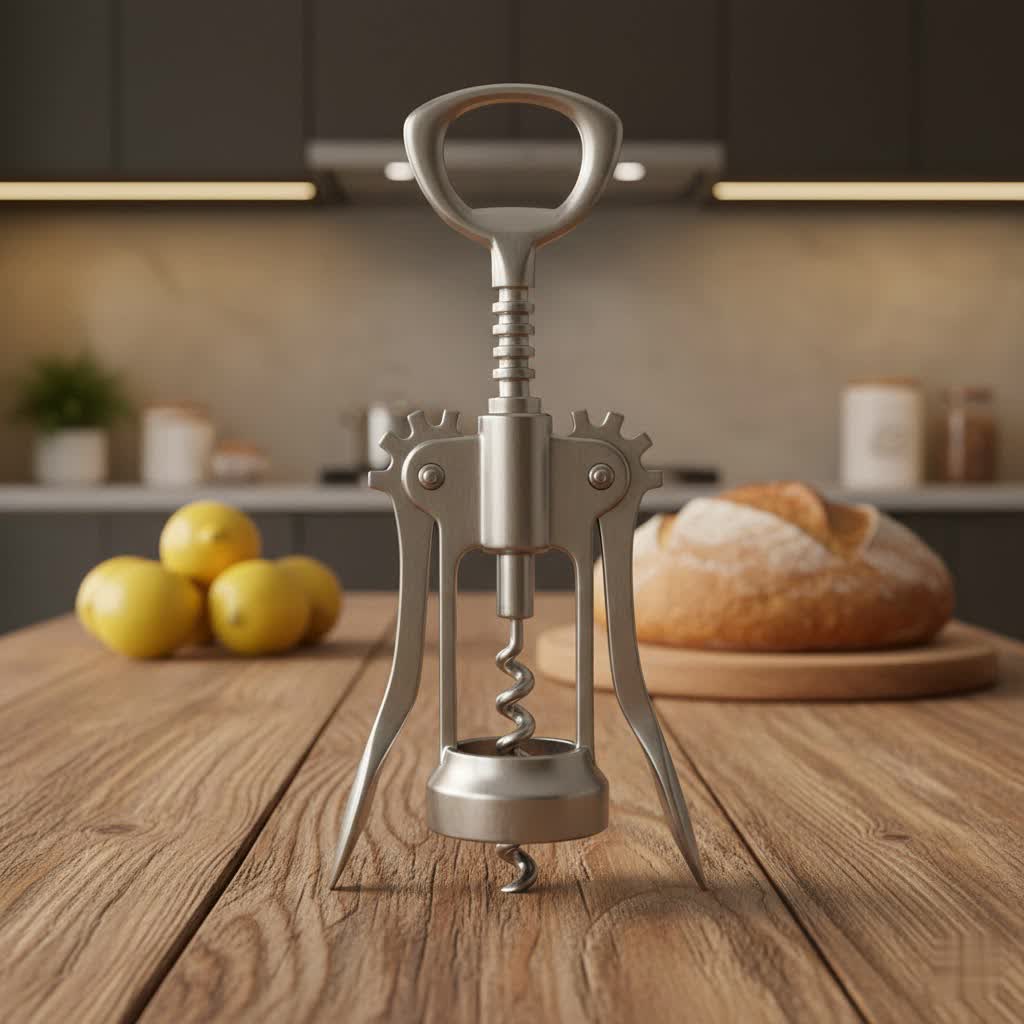
Winged corkscrews are a classic, familiar sight in many kitchens, characterized by their two side levers that resemble wings.
- Pros:
- Intuitive: Simple and straightforward to use for most people.
- Affordable: Widely available at budget-friendly prices.
- Visual Feedback: The rising “wings” provide clear indication of cork extraction progress.
- Cons:
- Durability: Lower-quality models can have gears that strip easily, leading to frustrating failures.
- Less Torque: May struggle with tightly sealed or synthetic corks, sometimes requiring extra force or a rocking motion.
- Bulky: Larger than a waiter’s corkscrew, making it less portable.
- How to Use: Place the opener over the bottle, centering the worm on the cork. Twist the top handle clockwise to drive the worm into the cork. As the worm descends, the two wings will rise. Once the worm is fully inserted, push both wings downwards simultaneously to lever the cork out of the bottle.
Comparison Table of Wine Openers
Choosing the right wine opener often comes down to balancing performance, ease of use, and budget. Here’s a quick comparison to help you weigh your options:
| Type of Wine Opener | Pros | Cons | Price Range (Approx.) | Ease of Use | Durability |
|---|---|---|---|---|---|
| Lever (Rabbit) | Effortless, Fast, User-friendly | Bulky, Expensive, Potential durability issues | $20 – $100+ | Very High | Medium |
| Corkscrew (Waiter’s | Compact, Durable, Versatile, Affordable | Requires skill/strength, Dexterity-dependent | $5 – $50 | Medium | High |
| Electric | Effortless, Fast, Modern | Power-dependent, Bulky, Less tactile control | $25 – $75+ | Very High | Medium |
| Air Pressure | Gentle on corks, No twisting/pulling | Safety concerns, Slower, Less common | $15 – $40 | Medium | Medium |
| Multi-tool (Winged) | Intuitive, Affordable, Visual feedback | Durability issues with cheap models, Less torque | $10 – $30 | High | Low/Medium |
Factors to Consider When Buying a Wine Opener (Buying Guide)
Selecting the best wine opener involves more than just picking a popular model. It’s about aligning the tool with your specific needs, preferences, and the types of wine you typically enjoy.
Material
The materials used in a wine opener directly impact its durability, feel, and aesthetic.
- Stainless Steel: The gold standard for quality and longevity. Stainless steel worms are strong, resistant to rust, and glide smoothly into corks. Handles made from stainless steel offer a substantial, professional feel.
- Pros: Extremely durable, corrosion-resistant, hygienic, often looks premium.
- Cons: Can be heavier, potentially more expensive.
- Plastic: Often used in budget-friendly or electric models. High-quality, reinforced plastics can be durable, but cheaper plastics are prone to cracking or breaking.
- Pros: Lightweight, affordable, allows for diverse designs and colors.
- Cons: Less durable than metal, can feel flimsy, may not last as long.
- Wood: Primarily found in the handles of traditional waiter’s corkscrews, offering a classic, ergonomic grip.
- Pros: Comfortable grip, aesthetically pleasing, adds a touch of classic elegance.
- Cons: Requires more care (can swell or crack if exposed to too much moisture), may not be as rugged as metal.
Durability
A good wine opener should be an investment that lasts. Durability is paramount, especially if you open wine frequently.
- How to Check for Durability:
- Worm Quality: Look for a worm (the screw part) that is made of hardened steel, has a non-stick coating, and features a sharp, pointed tip. A thin, flimsy worm can bend or break, or worse, shred the cork.
- Hinges and Levers: For waiter’s and lever-style openers, check that all hinges are tight and made of robust metal. Loose components are a sign of poor construction.
- Handle Construction: Ensure handles feel solid and comfortable in your hand. Avoid excessive flex in plastic parts.
- Read Reviews: User reviews often highlight common durability issues.
- Tips for Maintaining Your Wine Opener:
- Clean Regularly: Wipe down your opener after each use, especially if it comes into contact with wine or cork fragments.
- Store Properly: Keep it in a dry place to prevent rust (for metal parts) or warping (for wood).
- Avoid Force: If an opener is resisting, don’t force it. This can damage both the cork and the opener. Instead, re-evaluate your technique or consider the cork’s condition.
Ease of Use
The “best” opener is often the one you find easiest to operate. This factor is highly personal and depends on your physical capabilities and preferences.
- Factors Affecting Ease of Use:
- Design & Ergonomics: A comfortable, secure grip makes a huge difference. Contoured handles or non-slip surfaces are beneficial.
- Size & Weight: Lighter, smaller openers (like waiter’s friends) are portable but require more direct effort. Heavier, larger options (like lever or electric) often make opening easier due to their leverage or automation.
- Complexity: Some designs are inherently simpler than others. Electric openers are the simplest; traditional corkscrews require a learned technique.
- Choosing for Your Needs:
- Limited Hand Strength/Arthritis: Electric or lever-style openers are ideal.
- Professional Use/Frequent Opening: A high-quality waiter’s corkscrew offers efficiency and speed once mastered.
- Casual Home Use: Winged or basic twist corkscrews can suffice, or an electric model for ultimate convenience.
Price
Wine openers come in a vast price range, from under $10 to over $100.
- Price Segments:
- Budget-Friendly ($5-$20): Often includes basic winged corkscrews, simple waiter’s corkscrews, and some twist-style openers. Quality can vary significantly.
- Mid-Range ($20-$70): Where you’ll find most reliable waiter’s corkscrews, many electric models, and entry-level lever openers. Offers a good balance of features, durability, and performance.
- Premium ($70+): High-end lever openers, designer waiter’s corkscrews (e.g., Laguiole), and advanced electric models. These often boast superior materials, craftsmanship, and enhanced durability.
- Budgeting Advice: Consider how often you’ll use it. For daily use or entertaining, investing in a mid-to-high-range durable option is wise. For occasional use, a reliable mid-range manual opener is often sufficient.
Brand
While a lesser-known brand might offer a hidden gem, opting for reputable brands often ensures a certain level of quality, customer support, and reliability.
- Why Choose Reputable Brands:
- Proven Quality: Established brands typically have a track record of producing durable and effective products.
- Innovation & Design: They often invest in research and development, leading to better user experience and robust mechanisms.
- Customer Support & Warranty: Reputable companies usually offer better warranties and responsive customer service.
- Some well-regarded brands include: Pulltaps, OXO, Oster, Secura, Le Creuset, and Rabbit (Metrokane).
Top 5 Best Wine Openers Currently Trending
Based on extensive testing and user feedback, these wine openers consistently rank highly for their performance, durability, and user experience.
-
Pulltaps Professional Waiter’s Corkscrew:
- Description: The gold standard for many professionals, this Spanish-made wine key is renowned for its ergonomic design, robust construction, and dual-hinged fulcrum for efficient cork removal. It typically features a sharp foil cutter and a sturdy worm.
- Pros: Exceptional durability, smooth operation, compact, excellent leverage.
- Cons: Requires practice to master, especially for beginners.
- Ideal for: Enthusiasts, professionals, those who appreciate classic design and reliability.
-
OXO Steel Double Lever Waiter’s Corkscrew:
- Description: OXO brings its signature ergonomic design to the waiter’s corkscrew. This model features a comfortable, curved handle, a robust steel worm, and a double lever for superior leverage, making it incredibly user-friendly for a manual opener.
- Pros: Ergonomic comfort, effective double-lever action, durable stainless steel construction, integrated foil cutter.
- Cons: Slightly larger than some other waiter’s corkscrews.
- Ideal for: Anyone looking for a comfortable, reliable manual opener, especially those new to waiter’s corkscrews.
-
Oster Silver Electric Wine Opener:
- Description: A popular choice for convenience, the Oster electric opener removes corks at the touch of a button. It’s sleek, cordless, and often comes with a foil cutter and a charging base.
- Pros: Effortless operation, quick, modern aesthetic, often budget-friendly for an electric model.
- Cons: Relies on battery power, can be bulky, some reports of longevity issues with heavy use.
- Ideal for: Individuals prioritizing ease and speed, those with limited hand strength, and a great gift option.
-
Rabbit Vertical Lever Corkscrew:
- Description: This iconic lever-style opener is known for its “rabbit ear” design and powerful leverage. It securely grips the bottle and extracts corks with a simple up-and-down motion of the handle, making it virtually foolproof.
- Pros: Extremely easy and fast, strong leverage for stubborn corks, very user-friendly.
- Cons: Bulky, higher price point, some components may show wear over time with extensive use.
- Ideal for: Those seeking maximum ease, frequent entertainers, and individuals who prefer a non-manual approach.
-
Brabantia Corkscrew (Twist Style):
- Description: This reliable twist-style corkscrew rests firmly on the bottle neck, and you simply twist the handle to drive the worm in and pull the cork out. It’s a straightforward and sturdy option.
- Pros: Stable on the bottle, relatively easy to use, durable construction for a twist-style, good value.
- Cons: Can be larger than a waiter’s corkscrew, still requires some wrist action.
- Ideal for: Casual home use, those who prefer a traditional twist but want something more stable than a basic corkscrew.
Tips for Using and Maintaining Your Wine Opener
Even the best wine opener can underperform without proper technique and care.
How to Use Your Wine Opener Correctly:
- Foil First: Always remove the foil capsule completely before inserting the corkscrew. This prevents foil fragments from falling into your wine. Most waiter’s corkscrews and many electric openers come with an integrated foil cutter.
- Center the Worm: Ensure the worm is inserted directly into the center of the cork. Off-center insertion can cause the cork to crumble or break.
- Even Pressure: Apply steady, even pressure when twisting the worm into the cork. For lever and electric openers, let the mechanism do the work.
- Gentle Extraction: Once the cork is nearly out, finish the extraction with a gentle, controlled pull or lift. This prevents a sudden “pop” that can be jarring and helps keep the cork intact.
- Old or Fragile Corks: For very old wines, consider an Ah-So opener or an air pressure opener if you are experienced, as these methods are gentler on delicate corks. If using a corkscrew, proceed slowly and carefully.
Tips for Cleaning and Storing Your Wine Opener:
- Wipe After Each Use: A quick wipe with a clean, damp cloth is usually sufficient. This removes any cork dust or wine residue that could build up.
- Avoid Dishwashers: Most wine openers, especially those with wooden components or intricate mechanisms, are not dishwasher safe. The harsh detergents and high heat can damage materials and lubricants.
- Dry Thoroughly: If you wash your opener with water, ensure it is completely dry before storing to prevent rust on metal parts.
- Proper Storage: Store your wine opener in a drawer, a kitchen utensil holder, or its original case to protect it from damage and keep it clean. For waiter’s corkscrews, folding the components keeps them safe.
“The true measure of a great wine opener isn’t just how easily it removes a cork, but how consistently it performs over hundreds, even thousands, of bottles. Investing in quality materials and a design that suits your hands will save you countless headaches and wasted wine.” – Admin, ReviewMunz.com
Conclusion
Choosing the Best Wine Bottle Opener is a personal journey, guided by your lifestyle, frequency of use, and personal preference for effort versus convenience. From the elegant simplicity of a waiter’s corkscrew, cherished by professionals for its portability and precision, to the effortless automation of an electric model, perfect for those seeking ultimate ease, there’s a perfect tool for everyone.
Remember to consider factors like material, durability, and ease of use when making your selection. A quality wine opener is more than just a gadget; it’s a gateway to enjoying your favorite vintages without a hitch. So, whether you opt for a tried-and-true manual corkscrew or a high-tech electric device, you’re investing in smoother pours and more delightful wine experiences. What will be your perfect partner for those memorable moments?
Frequently Asked Questions
What is the easiest type of wine opener to use for beginners?
For beginners, electric wine openers and lever-style (“Rabbit”) openers are generally the easiest. They require minimal physical effort and have straightforward mechanisms, making cork removal almost foolproof with just the push of a button or a simple lever action.
Can I use a wine opener on synthetic corks?
Yes, most modern wine openers are designed to handle both natural and synthetic corks. However, synthetic corks can sometimes be more resistant and require a bit more force to extract, especially with manual corkscrews. Electric and lever openers usually manage them with ease.
How do I open an old wine bottle with a fragile cork?
For old wine bottles with fragile corks, an Ah-So wine opener (two-prong cork puller) is often recommended. It extracts the cork by gripping its sides rather than piercing it, minimizing the risk of breakage. If using a traditional corkscrew, proceed very slowly and carefully to avoid crumbling the cork.
Are more expensive wine openers always better?
Not always, but there’s often a correlation between price and quality of materials, craftsmanship, and durability. While a basic, inexpensive waiter’s corkscrew can be highly effective, premium models tend to offer better ergonomics, smoother mechanisms, and longer lifespan, making them a worthwhile investment for frequent users.
How often should I replace my wine opener?
A well-maintained, high-quality wine opener, especially those made from durable materials like stainless steel, can last for many years, even decades. Electric openers might need replacement sooner due to battery degradation or motor wear. If you notice the worm bending, hinges loosening, or a decline in performance, it’s time for a replacement.