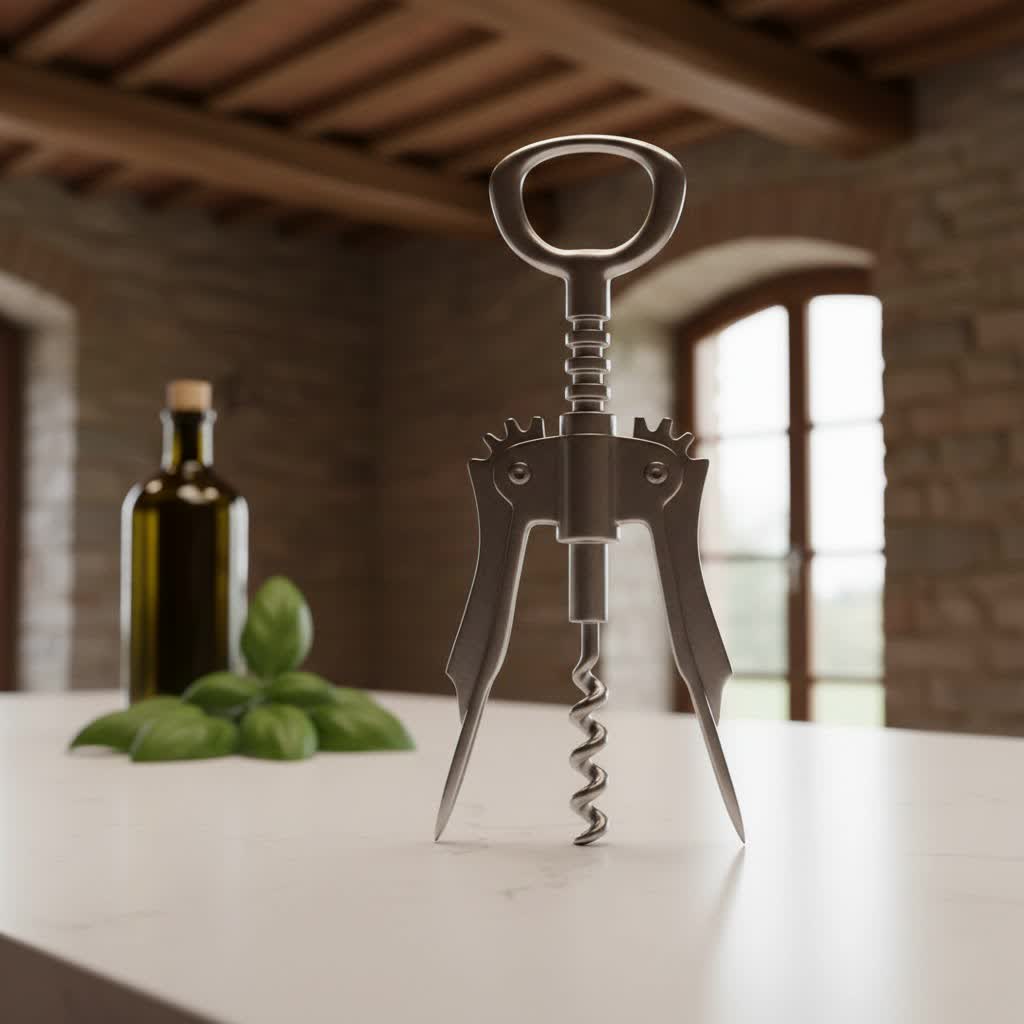
uncorking a cherished bottle of wine can sometimes feel like a daunting task, turning a moment of anticipation into an unexpected struggle. From stubborn corks to tricky traditional openers, many wine lovers have experienced the frustration of a less-than-seamless pour. But what if there was a tool designed to transform this into an effortless ritual? Enter the Lever Wine Opener, a marvel of engineering that brings simplicity and elegance to every bottle you open. This comprehensive guide will explore everything you need to know about this indispensable gadget, helping you choose the perfect companion for your wine journey and ensuring every pour is a pleasure.
What is a Wine Opener? Why Do You Need One?
A wine opener, at its core, is a device specifically designed to extract corks from wine bottles, allowing you to access and enjoy the wine within. While the concept seems simple, its utility is profound for anyone who appreciates wine. Historically, opening a wine bottle was a far more rustic affair, often involving rudimentary tools or even brute force. Over centuries, these tools evolved from basic corkscrews to sophisticated mechanisms, each iteration aiming to improve efficiency and ease of use.
For any wine enthusiast, a quality wine opener is not merely a convenience; it’s an essential tool. It safeguards the integrity of the cork, preventing breakage and stray pieces from falling into your wine, which can spoil the taste and experience. A good opener also minimizes effort, ensuring that opening a bottle is a joyful prelude to tasting, rather than a frustrating chore. It allows you to savor every sip without the memory of a wrestling match with the bottle.
Popular Wine Opener Types on the Market
The world of wine openers offers a diverse array of designs, each with its unique advantages and methods of operation. Understanding these types will help you appreciate why certain models excel in different situations.
Lever Wine Opener: The Effortless Choice
The lever wine opener, often recognized by its distinctive “Rabbit” style, is celebrated for its mechanical advantage, making cork removal remarkably easy. This design typically clamps onto the bottleneck, and with a simple push and pull of a lever, the cork is swiftly extracted. It’s a favorite among those who seek an ergonomic and user-friendly experience.
- Pros: Exceptional ease of use, requires minimal physical effort, swift cork removal, provides excellent control by securely gripping the bottle, ideal for individuals with limited hand strength or arthritis.
- Cons: Can be bulky and less portable than other types, generally carries a higher price tag, some models might not perform optimally with all types of synthetic corks.
- How to Use: First, use the integrated foil cutter (if present, or a separate one) to remove the foil capsule. Position the opener over the bottle’s neck, ensuring the handles firmly grip the bottle. Push the lever down to drive the corkscrew (“worm”) into the cork. Then, pull the lever back up, and the cork will smoothly emerge from the bottle. A secondary action often releases the cork from the opener.
|
Our Picks for the Best Wine Opener in 2026
We may earn a commission when you use one of our links to make a purchase.
|
||
| Num | Product | Action |
|---|---|---|
| 1 | OXO Steel Vertical Lever Corkscrew with Removable Foil Cutter |

|
| 2 | GORILLA GRIP BPA-Free Premium Wine Opener, Heavy Duty Zinc Alloy Wing Corkscrew, Multifunctional Bottle Openers Remove Corks, Caps, Easy Use Sharp Cork Screw, Dishwasher Safe, Holiday Essential, Black |
|
| 3 | Oster Cordless Electric Wine Bottle Opener with Foil Cutter, Silver |
|
| 4 | Cuisinart CWO-25 Electric Wine Opener, Stainless Steel 3.50" x 4.75" x 10.00" |
|
| 5 | KORCCI Wine Opener, Heavy-Duty Zinc Alloy Wing Corkscrew, Premium Beer Bottle Opener, Multifunctional Wine Accessories with Ergonomic Handle and Sharp Screw, for Kitchen, Bar, Restaurant, Bartenders |
|
| 6 | Cap Opener, Fun Bottle Opener for Parties and Gatherings, Creative Design Launches Caps at BBQs, Portable Entertainment for Outdoor Activities, Available in Red, Black, Blue |
|
| 7 | Wino Wine Key! - Professional Sommelier's Corkscrew Wine Opener |
|
| 8 | OXO SteeL Winged Corkscrew with Removable Foil Cutter |
|
| 9 | Beneno Wine Opener, Zinc Alloy Premium Wing Corkscrew with Multifunctional Bottles Opener, Sharp Wine Corkscrew with Ergonomic Non-Slip Wing Handle, Silver |
|
| 10 | Secura Electric Wine Opener, Automatic Electric Wine Bottle Corkscrew Opener with Foil Cutter, Rechargeable (Stainless Steel) |
|
Corkscrew Wine Opener (Waiter’s Friend)
The classic corkscrew, commonly known as the waiter’s friend or wine key, is a compact and versatile tool. It features a spiral worm, a small knife for cutting foil, and a hinged lever that rests on the bottle rim to provide leverage.
- Pros: Highly portable, fits easily in a pocket or drawer, versatile (often includes a foil cutter and bottle opener), durable, favored by sommeliers for its control and precision.
- Cons: Requires some practice and hand dexterity to use effectively, demands more manual effort than lever or electric models.
- How to Use: Use the small knife to cut and remove the foil. Insert the worm into the center of the cork and twist clockwise until most of the worm is embedded. Place the first notch of the hinged lever onto the rim of the bottle and pull the handle upwards, partially extracting the cork. Re-position to the second notch (if available) for further leverage, and gently pull the cork completely out.
Electric Wine Opener
For ultimate convenience, the electric wine opener automates the uncorking process. These battery-operated devices typically feature a motor that drives the corkscrew into the cork and then reverses to pull it out.
- Pros: Extremely easy to use, requires virtually no physical effort, quick operation (often just seconds), sleek and modern aesthetic.
- Cons: Requires charging, can take up more counter space, generally less portable, some models can be noisy, potential for mechanical failure over time.
- How to Use: After removing the foil, place the electric opener vertically over the bottle, ensuring it’s centered on the cork. Press a button to activate the corkscrew, which will automatically bore into the cork and then pull it upwards. Another button or action usually ejects the cork from the device.
Air Pressure Wine Opener
The air pressure wine opener uses a needle to pierce the cork and then injects air into the bottle, building pressure that pushes the cork out.
- Pros: Requires very little physical effort, can be gentle on older, fragile corks by avoiding direct pulling.
- Cons: Risk of cork damage if too much pressure is applied too quickly, the needle can sometimes be fragile, not suitable for synthetic corks.
- How to Use: Insert the needle through the cork. Pump the handle a few times to inject air into the bottle. The cork will gradually rise out of the bottle neck.
Multi-tool Wine Opener
While many corkscrews inherently offer multi-tool functionality (like the waiter’s friend with its foil cutter and bottle opener), some specialized sets include additional accessories such as wine stoppers, aerators, or pourers, making them comprehensive kits for wine service.
- Pros: All-in-one solution for wine enthusiasts, often makes a great gift, covers various aspects of wine enjoyment.
- Cons: Quality of individual tools can vary within a set, might include tools you don’t frequently use, often larger to store.
- How to Use: Usage varies greatly depending on the specific tools included in the set.
Comparison Table of Popular Wine Openers
Choosing the right wine opener often comes down to balancing ease of use, durability, and budget. Here’s a quick comparison to help you decide:
| Type of Wine Opener | Ưu điểm (Pros) | Nhược điểm (Cons) | Giá tham khảo (Approx. Price Range) | Đánh giá (Overall Rating) |
|---|---|---|---|---|
| Lever Wine Opener | Effortless, quick, good for limited strength | Bulky, less portable, higher cost, can be less effective on synthetic corks | $20 – $100+ | ⭐⭐⭐⭐ |
| Corkscrew Wine Opener | Portable, versatile, precise, durable (professional choice) | Requires skill/strength, takes longer to master | $5 – $50+ | ⭐⭐⭐⭐ |
| Electric Wine Opener | No effort, very fast, user-friendly | Requires charging, bulky, less durable, can be noisy | $20 – $80+ | ⭐⭐⭐ |
| Air Pressure Wine Opener | Very low effort, good for fragile corks | Risk of cork damage, not for synthetic corks | $15 – $40 | ⭐⭐ |
| Multi-tool Wine Opener | Comprehensive solution, great gift | Variable quality, often bulky | $20 – $150+ | ⭐⭐⭐ |
Factors to Consider When Buying a Wine Opener (Buying Guide)
Selecting the perfect wine opener involves more than just picking the first one you see. Several key factors should influence your decision to ensure you find a tool that truly meets your needs and enhances your wine experience.
Material
The materials used in a wine opener’s construction significantly impact its durability, feel, and aesthetic appeal.
- Stainless Steel: Pros: Highly durable, rust-resistant, easy to clean, offers a professional look and solid feel. Cons: Can be heavier and sometimes more expensive.
- Zinc Alloy: Pros: Offers a good balance of durability and affordability, often used in lever-style openers for its strength. Cons: Can be heavier than plastic, some lower-quality alloys may corrode over time.
- Plastic (High-Grade ABS): Pros: Lightweight, affordable, often used for ergonomic handles. Cons: Less durable than metal, can feel less premium.
- Wood: Pros: Adds a classic, elegant touch, comfortable grip. Cons: Requires more care (not dishwasher safe), can be prone to wear or cracking over time if not well-maintained.
Durability
A reliable wine opener should withstand repeated use without breaking or failing.
- How to Check Durability: Look for solid construction, minimal moving parts that feel loose, and high-quality materials. For lever openers, examine the pivot points and the worm itself; a sturdy, non-stick coated worm (screw) is crucial. Read reviews focusing on longevity and common failure points.
- Maintenance Tips: Regularly clean your wine opener, especially the worm, to prevent residue buildup. For manual openers, a drop of mineral oil on moving parts can ensure smooth operation. Store in a dry place to prevent rust or material degradation. Avoid putting metal openers in the dishwasher, as harsh detergents can damage finishes.
Ease of Use
The primary goal of many modern wine openers, especially lever types, is to simplify the uncorking process.
- Factors Affecting Ease of Use:
- Design: Ergonomic handles, balanced weight, and intuitive mechanisms contribute to a smooth experience. Lever wine openers are particularly prized for their effortless two-motion operation.
- Size: Smaller, lighter openers (like waiter’s friends) are portable but require more dexterity, while larger, heavier models (like many lever openers) often provide more leverage but are less discreet.
- Weight: A well-distributed weight can make an opener feel substantial and easier to control, while an overly heavy or light one might be awkward.
- Choosing for Your Needs: If you have hand mobility issues, arthritis, or simply prefer minimal effort, a lever wine opener or an electric model is an excellent choice. For those who value tradition and portability, a waiter’s corkscrew is ideal once mastered.
Price
Wine openers come in a wide range of prices, reflecting material quality, brand reputation, and added features.
- Price Segments:
- Budget-friendly ($5-$20): Often basic corkscrews or simpler winged models. Quality can vary significantly.
- Mid-range ($20-$60): Where many reliable lever and electric openers fall, offering a good balance of features and durability.
- Premium ($60+): High-end models from reputable brands, often featuring superior materials, advanced mechanisms, and elegant designs, sometimes with additional accessories.
- Budget vs. Value: While it’s tempting to opt for the cheapest option, investing a little more in a durable and easy-to-use opener can save frustration and the need for frequent replacements. Consider how often you’ll use it and how much you value a smooth experience.
Brand
Choosing a reputable brand can offer assurance of quality, customer support, and consistent performance.
- Trusted Brands: Brands like Rabbit, OXO, Le Creuset, Screwpull (now Le Creuset), and Houdini are well-known for producing reliable wine openers. For lever openers specifically, Rabbit is a highly recognized name.
- Why Brand Matters: Established brands often invest in research and development, use higher-quality materials, and offer better warranties. This translates to a more reliable product and a better user experience, often preventing common issues like broken corks or malfunctioning mechanisms.
Top 5 Lever Wine Openers Highly Recommended Today
Lever wine openers have revolutionized the uncorking experience for many, offering power and precision with minimal effort. Here are some of the most highly-rated models that consistently impress users:
-
Rabbit Original Vertical Lever Wine Opener:
- Description: This iconic opener is synonymous with the “Rabbit” style. It features a robust design that firmly grips the bottle and a long, ergonomic lever for quick cork extraction. Often comes with a foil cutter and a spare corkscrew worm.
- Pros: Extremely easy and fast to use, durable construction, removes corks smoothly, excellent for all types of corks (natural and synthetic).
- Cons: Can be bulky to store, higher price point.
-
OXO Steel Vertical Lever Corkscrew:
- Description: OXO is known for its user-friendly designs, and their vertical lever corkscrew is no exception. It often includes comfortable, non-slip handles and a hidden foil cutter.
- Pros: Ergonomic and comfortable to hold, strong leverage for effortless uncorking, good build quality, often includes a reliable foil cutter.
- Cons: Still relatively large, some users find it requires two hands and a bit of grip strength despite the leverage.
-
Brookstone Compact Wine Opener:
- Description: A more streamlined version of the classic lever design, the Brookstone compact model aims to offer the same ease of use in a slightly smaller footprint, making it a good option for those with limited space.
- Pros: Easy to operate, more compact than full-sized lever openers, smooth cork removal.
- Cons: May feel less substantial than heavier models, durability could be a concern for very frequent use compared to premium brands.
-
L’Atelier du Vin Oeno Motion Lever Corkscrew:
- Description: A premium option known for its elegant design and high-quality materials. It combines aesthetics with superior functionality, often featuring sophisticated finishes like black matte and wood.
- Pros: Exquisite design, exceptional build quality and durability, very smooth and reliable operation, a luxurious feel.
- Cons: Significantly higher price, primarily a statement piece for dedicated enthusiasts.
-
Houdini Lever Wine Opener:
- Description: Often considered a great value option, the Houdini lever opener provides reliable performance similar to higher-end models but at a more accessible price. It’s a solid choice for everyday use.
- Pros: Good value for money, easy to use, effective cork removal, often comes with a basic foil cutter.
- Cons: Materials may not be as premium as top-tier brands, might not be as durable over many years of heavy use.
Tips for Using and Maintaining Your Wine Opener
Ensuring your wine opener lasts and performs optimally means using it correctly and taking good care of it.
Proper Usage Techniques
- Foil Removal First: Always remove the foil capsule completely before attempting to extract the cork. Many lever openers come with integrated foil cutters; for others, a separate cutter or the small knife on a waiter’s friend will do the trick. Cut neatly below the lip of the bottle for the cleanest look.
- Centering is Key: Regardless of the opener type, ensure the corkscrew worm is perfectly centered on the cork. This prevents the cork from crumbling or the worm from going in at an angle, which can damage the cork and make extraction difficult.
- Gentle and Steady Pressure: With a lever wine opener, apply steady, even pressure as you push the lever down to insert the worm. Similarly, when pulling the lever up to extract the cork, do so with a smooth, continuous motion rather than jerky movements. This minimizes the risk of breaking the cork.
- Practice Makes Perfect: If you’re new to a particular type of opener, especially a waiter’s corkscrew, practice on a few less expensive bottles to get the hang of it. You’ll quickly develop the muscle memory needed for effortless uncorking.
Cleaning and Storage Tips
- Wipe Down After Each Use: Especially for lever and traditional corkscrews, wipe the worm clean with a damp cloth after each use to remove any cork residue. This prevents buildup that can affect future performance.
- Hand Wash Recommended: Most high-quality wine openers, especially those made of metal or wood, should be hand-washed with mild soap and water. Avoid dishwashers, as harsh detergents and high heat can damage finishes, dull blades, or cause discoloration.
- Dry Thoroughly: Always dry your wine opener completely after cleaning to prevent rust, particularly on metal components.
- Lubricate Moving Parts: For lever openers and waiter’s friends, a tiny drop of food-grade mineral oil on the screw and hinge points every few months can keep the mechanism operating smoothly.
- Proper Storage: Store your wine opener in a dry place, away from extreme temperatures. Many lever openers come with their own stands or cases, which not only protect the device but also keep it readily accessible. For portable models, ensure they are folded safely to prevent accidental cuts.
> “A quality lever wine opener isn’t just about convenience; it’s about preserving the ritual of wine. When the cork comes out flawlessly, it sets the stage for an unforgettable experience.” – Admin, reviewmunz.com
Conclusion
Choosing the right wine opener can significantly enhance your enjoyment of wine, transforming the simple act of uncorking into a refined and effortless experience. The lever wine opener, with its ingenious design and mechanical advantage, stands out as an exceptional choice for those who value ease, speed, and reliability. While other types like the portable waiter’s friend or the hands-free electric opener offer their own unique benefits, the robust performance of a well-crafted lever wine opener makes it a truly worthy investment for any wine enthusiast.
By considering factors such as material, durability, ease of use, and your personal preferences, you can find the perfect lever wine opener to accompany countless memorable toasts and quiet evenings. So, which lever wine opener will you choose to make your next bottle open with elegant ease?
Câu Hỏi Thường Gặp
What is the primary advantage of a lever wine opener?
The main advantage of a lever wine opener is its exceptional ease of use. It employs a mechanical lever system that dramatically reduces the effort required to extract a cork, making it ideal for anyone who finds traditional corkscrews challenging or simply desires a quick and effortless uncorking experience.
Are lever wine openers suitable for all types of wine corks?
Lever wine openers generally work very well with natural corks and many synthetic corks. However, some extremely dense or very pliable synthetic corks might occasionally present a slight challenge, though most modern lever openers are designed to handle a wide variety.
How do I clean a lever wine opener?
It’s best to hand wash your lever wine opener with mild soap and warm water, especially cleaning any cork residue from the worm. Always dry it thoroughly immediately after washing to prevent rust or damage to its finish. Avoid using a dishwasher, as harsh detergents can be detrimental.
Are lever wine openers durable?
Yes, many high-quality lever wine openers are built with durable materials like stainless steel or zinc alloy and are designed for longevity. Investing in a reputable brand often ensures robust construction and reliable performance over many years of use.
Why are lever wine openers sometimes more expensive than other types?
Lever wine openers often have a more complex mechanical design and use a greater amount of high-quality materials, such as sturdy metals, to provide their signature effortless operation. This intricate engineering and material cost contribute to their typically higher price point compared to simpler corkscrews.