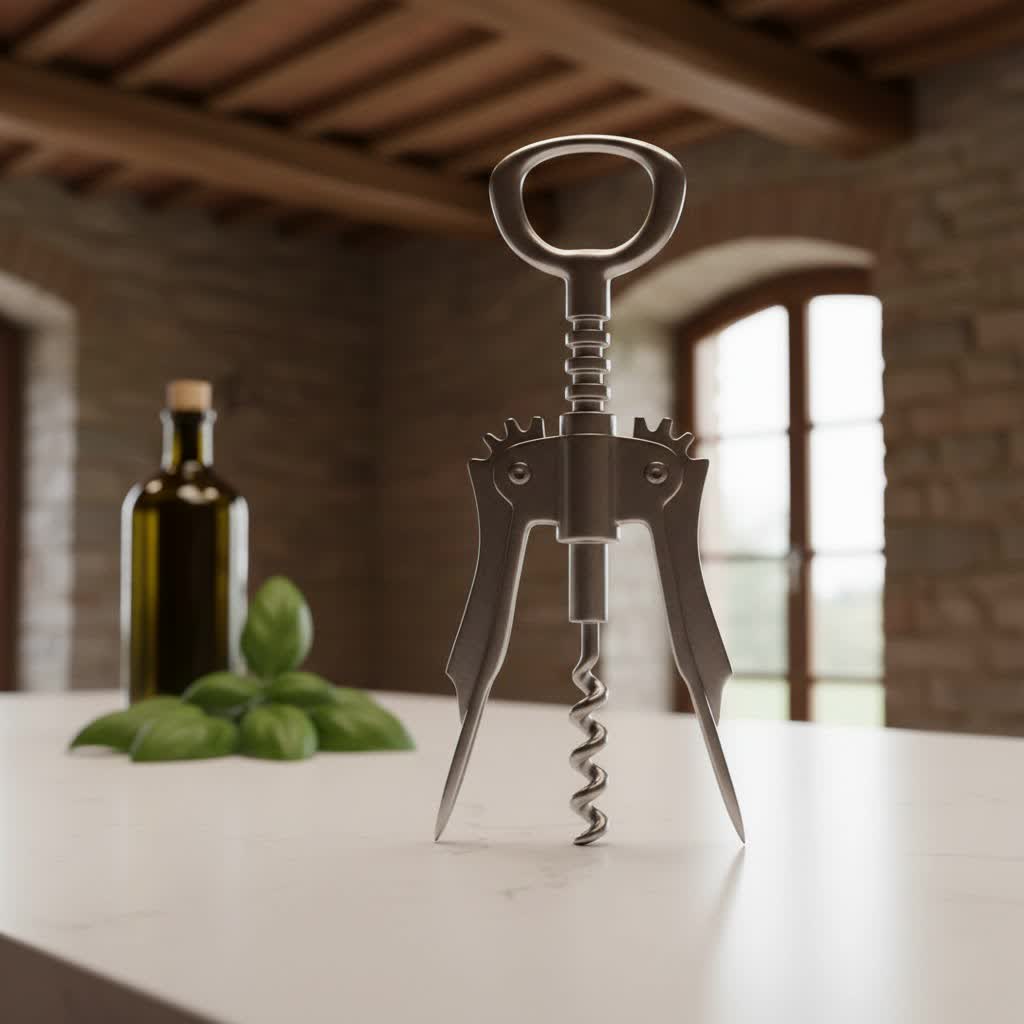
The uncorking of a wine bottle marks the beginning of a sensory journey, yet the process itself can sometimes be a challenge. For wine enthusiasts and casual drinkers alike, a reliable wine opener is not merely a tool; it’s an essential companion that ensures a smooth transition from bottle to glass. With an array of designs, mechanisms, and styles available, selecting the perfect wine opener can feel overwhelming. This comprehensive guide will navigate you through the world of wine openers, from their fundamental purpose to the top-rated models, helping you find the ideal instrument for your wine enjoyment.
What is a Wine Opener? Why Do You Need One?
A wine opener, also commonly known as a corkscrew, is a specialized device designed to extract corks from wine bottles. Its primary purpose is to remove the cork efficiently and cleanly, allowing access to the wine without damaging the cork or introducing unwanted debris into the bottle.
The history of wine openers dates back centuries, evolving from simple pointed screws to the sophisticated mechanisms we see today. Early versions were often basic metal spirals, requiring considerable strength and dexterity. Over time, designs incorporated levers, gears, and eventually electric motors to simplify the task.
For any wine lover, a quality wine opener is indispensable. It protects the integrity of the cork, preventing it from crumbling into the wine, and saves you from the frustration of a stuck or broken cork. A good opener transforms what could be a struggle into an effortless and enjoyable prelude to sipping your favorite vintage.
Popular Types of Wine Openers on the Market
The market offers a diverse range of wine openers, each with unique advantages and methods of operation. Understanding these types is the first step in finding your perfect match.
Lever Wine Opener (Rabbit-style)
Lever wine openers, often recognized by their “Rabbit-style” design, are a popular choice for their speed and ease of use. They employ a robust lever mechanism that dramatically reduces the force required to pull a cork.
- Pros: Exceptionally easy and quick to use, ideal for those with limited hand strength, provides excellent leverage.
- Cons: Often bulky and less portable, can be more expensive than simpler models, some designs may be less durable over time.
- How to use: Clamp the opener firmly over the bottleneck, ensuring the worm is centered. Push the lever down to insert the worm into the cork, then pull the lever back up to effortlessly extract the cork.
|
Our Picks for the Best Wine Opener in 2026
We may earn a commission when you use one of our links to make a purchase.
|
||
| Num | Product | Action |
|---|---|---|
| 1 | Cap Opener, Fun Bottle Opener for Parties and Gatherings, Creative Design Launches Caps at BBQs, Portable Entertainment for Outdoor Activities, Available in Red, Black, Blue |

|
| 2 | GORILLA GRIP BPA-Free Premium Wine Opener, Heavy Duty Zinc Alloy Wing Corkscrew, Multifunctional Bottle Openers Remove Corks, Caps, Easy Use Sharp Cork Screw, Dishwasher Safe, Holiday Essential, Black |
|
| 3 | Cuisinart CWO-25 Electric Wine Opener, Stainless Steel 3.50" x 4.75" x 10.00" |
|
| 4 | KORCCI Wine Opener, Heavy-Duty Zinc Alloy Wing Corkscrew, Premium Beer Bottle Opener, Multifunctional Wine Accessories with Ergonomic Handle and Sharp Screw, for Kitchen, Bar, Restaurant, Bartenders |
|
| 5 | Oster Cordless Electric Wine Bottle Opener with Foil Cutter, Silver |
|
| 6 | Secura Electric Wine Opener, Automatic Electric Wine Bottle Corkscrew Opener with Foil Cutter, Rechargeable (Stainless Steel) |
|
| 7 | OXO Steel Vertical Lever Corkscrew with Removable Foil Cutter |
|
| 8 | Wino Wine Key! - Professional Sommelier's Corkscrew Wine Opener |
|
| 9 | OXO SteeL Winged Corkscrew with Removable Foil Cutter |
|
| 10 | Beneno Wine Opener, Zinc Alloy Premium Wing Corkscrew with Multifunctional Bottles Opener, Sharp Wine Corkscrew with Ergonomic Non-Slip Wing Handle, Silver |
|
Corkscrew Wine Opener (Waiter’s and Twist Styles)
This category encompasses both the classic waiter’s corkscrew and simpler twist-style models. The waiter’s corkscrew, also known as a wine key, is a favorite among sommeliers for its compact design and versatility.
- Pros (Waiter’s): Compact, portable, often includes a foil cutter and bottle opener, durable.
- Cons (Waiter’s): Requires some hand strength and technique to master, can be difficult for beginners.
- Pros (Twist): Simple, affordable.
- Cons (Twist): Can be very difficult to use, prone to breaking corks, requires significant pulling strength.
- How to use (Waiter’s): Use the integrated foil cutter to remove the foil. Twist the worm into the cork until only one coil remains visible. Place the first “lever” or “fulcrum” on the lip of the bottle and pull the handle to partially lift the cork. Reposition to the second fulcrum (if available) and pull again to fully extract the cork.
- How to use (Twist): Center the worm over the cork and twist the handle clockwise, driving the corkscrew into the cork while simultaneously pulling the cork out.
Electric Wine Opener
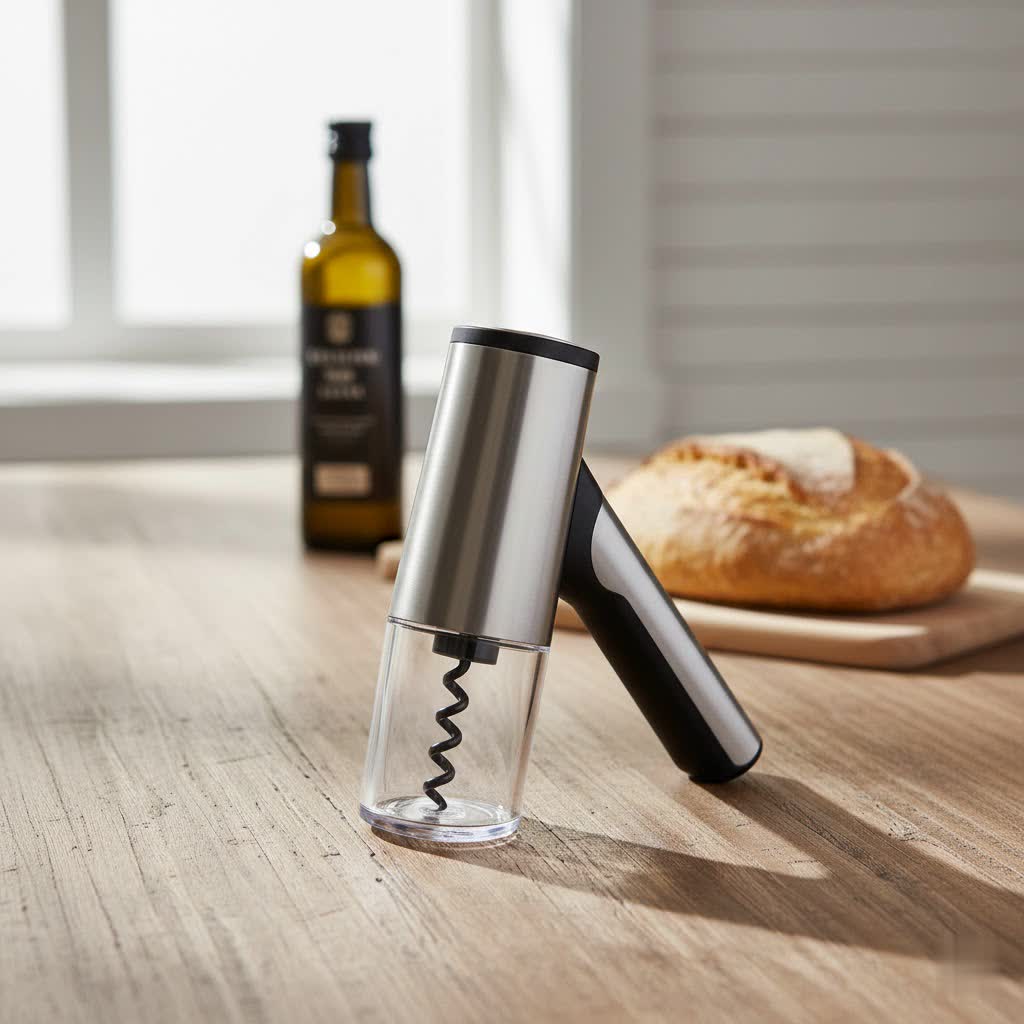
Electric wine openers offer ultimate convenience, removing corks with the push of a button. They are powered by batteries, making them ideal for individuals seeking a truly effortless experience.
- Pros: Extremely easy to use, requires no physical effort, often comes with a foil cutter, sleek and modern design.
- Cons: Relies on battery power (needs recharging), can be slower than lever models, typically bulkier and less portable.
- How to use: Place the electric opener over the wine bottle, ensuring it is vertical. Press the “down” button to drive the worm into the cork. The device will automatically extract the cork. Press the “up” button to release the cork from the opener.
Air Pressure Wine Opener
Air pressure wine openers utilize a needle to inject air into the bottle, increasing the pressure below the cork and gently pushing it out. This method is praised for its ability to remove corks without twisting.
- Pros: Very easy to use, gentle on corks (reduces breakage), no twisting or pulling force needed.
- Cons: Requires multiple pumps, not suitable for all cork types (especially synthetic or very fragile old corks), risk of cork “popping” out forcefully.
- How to use: Insert the needle through the cork. Pump the handle several times to build air pressure inside the bottle. The cork will gradually rise and eventually pop out.
Two-Prong Cork Puller (Ah-So)
The two-prong cork puller, often called an “Ah-So” opener, is a specialist tool designed for fragile or vintage corks that might crumble with a traditional corkscrew. It works by grasping the cork from the sides.
- Pros: Excellent for old, fragile, or brittle corks, prevents cork breakage, no piercing of the cork.
- Cons: Requires a specific technique to master, not as quick as other openers, less effective on modern synthetic corks.
- How to use: Insert the longer prong between the cork and the bottle neck. Then insert the shorter prong on the opposite side. Wiggle and rock the opener while pushing down until both prongs are fully inserted around the cork. Twist and pull upward to gently extract the cork.
Comparing Different Wine Opener Types
Choosing the best wine opener depends largely on your personal needs, frequency of use, and budget. Here’s a comparative overview:
| Type of Wine Opener | Pros | Cons | Price Range (approx.) | Ease of Use |
|---|---|---|---|---|
| Lever (Rabbit-style) | Very fast, minimal effort, high leverage. | Bulky, can be expensive, some durability issues. | $25 – $100+ | Very Easy |
| Corkscrew (Waiter’s) | Compact, portable, versatile (foil cutter). | Requires technique/strength, can be tricky for beginners. | $10 – $50+ | Moderate |
| Electric | Effortless, push-button operation, sleek design. | Requires charging, can be slower, bulkier. | $20 – $100+ | Very Easy |
| Air Pressure | Gentle on corks, no twisting, minimal strength. | Slower, not for all corks, cork can eject forcefully. | $15 – $40 | Easy |
| Two-Prong (Ah-So) | Best for old/fragile corks, no cork piercing. | Difficult technique, not for all cork types, slower. | $15 – $50 | Challenging |
Factors to Consider When Buying a Wine Opener
Making an informed decision requires looking beyond just the type of opener. Several factors contribute to a wine opener’s performance, durability, and user satisfaction.
Material
The materials used in a wine opener directly impact its durability, feel, and aesthetic appeal.
- Stainless Steel: Commonly used for corkscrews, worms, and structural components due to its corrosion resistance, strength, and elegant appearance. It offers excellent durability and a premium feel.
- Plastic: Often found in electric openers’ housings or less expensive twist/winged models. While lightweight, it can be less durable than metal components and may feel flimsier.
- Zinc Alloy: Provides a good balance of weight and durability, often used in winged and lever openers for structural parts. It offers a solid feel without the premium cost of stainless steel.
- Wood/Ergonomic Grips: Some high-end models feature wooden handles or ergonomic rubber/silicone grips for enhanced comfort and aesthetics.
When choosing, prioritize openers with sturdy, high-quality materials, especially for the worm and leverage points, to ensure longevity and reliable performance.
Durability
A durable wine opener is a long-term investment. Consider the construction quality and the materials of critical components.
- Worm (Screw): Look for a hardened steel worm with a sharp, non-stick coating (like Teflon) and a wide groove. Thin, poorly constructed worms can bend, break, or shred corks.
- Joints and Levers: For waiter’s and lever-style openers, examine the hinges and pivot points. They should feel robust and not wobbly. Metal construction at these stress points is preferable.
- Maintenance: To extend the life of your wine opener, clean it after each use (especially the worm) and store it in a dry place. Avoid forcing the opener, as this can bend components or strip gears.
Ease of Use
The “best” wine opener is often the one you find easiest to use consistently and without frustration.
- Design: Simple, intuitive designs are generally preferred. Electric and lever openers excel here, requiring minimal effort. Waiter’s corkscrews, while compact, demand more practice.
- Size and Weight: Consider where you’ll be using and storing the opener. A bulky lever opener might be great at home but impractical for travel. Lighter models are easier to handle but might feel less substantial.
- Ergonomics: An ergonomic handle or grip can make a significant difference, especially if you open wine frequently or have limited hand strength. Look for comfortable contours that fit your hand well.
Price
Wine openers range widely in price, from under $10 to well over $100.
- Budget-Friendly ($10-$30): You can find reliable waiter’s corkscrews, basic winged openers, and some twist-style corkscrews in this range.
- Mid-Range ($30-$70): This segment offers higher-quality waiter’s corkscrews, durable winged openers, entry-level electric openers, and some solid lever-style models.
- Premium ($70+): At this price point, you’ll find top-of-the-line electric and lever openers, professional-grade waiter’s corkscrews from renowned brands, and specialized tools like the Durand for very old wines.
Determine your budget, but remember that investing a little more in a durable, easy-to-use opener often pays off in the long run.
Brand
Reputable brands often signify quality, reliability, and good customer support. When considering a wine opener, look for brands known for their craftsmanship and positive user reviews. Some top brands to consider include:
- OXO: Known for ergonomic and user-friendly kitchen tools, including reliable waiter’s and vertical corkscrews.
- Pulltaps: A favorite among sommeliers for its classic, durable double-hinged waiter’s corkscrews.
- Rabbit: Famous for its lever-style wine openers, offering effortless uncorking.
- Secura & Oster: Leading names in the electric wine opener market, known for efficiency and sleek designs.
- Peugeot: Offers high-end electric wine openers with a focus on design and performance.
- Monopol Westmark: Respected for its specialized tools, including the effective two-prong cork puller.
Choosing a product from a trusted brand often provides peace of mind regarding quality and performance.
Top 7 Wine Openers for Every Wine Lover
Based on expert reviews, durability, ease of use, and overall performance, here are some of the top-rated wine openers currently available:
- Pulltaps Waiters Corkscrew: A consistent top performer, this double-hinged waiter’s corkscrew is praised by sommeliers for its efficiency, durability, and compact design. It offers excellent leverage for smooth cork removal.
- OXO Steel Double Lever Waiters Corkscrew: An excellent value option, the OXO waiter’s corkscrew combines a classic design with ergonomic comfort. Its double lever system and integrated foil cutter make it highly functional and easy to use for many.
- Rabbit Original Lever Corkscrew Wine Opener: For those prioritizing effortless operation, the Rabbit lever-style opener is a standout. It quickly extracts corks with minimal physical exertion, making it a favorite for entertaining.
- Oster Electric Wine Opener: Consistently rated as a top electric opener, the Oster offers one-touch uncorking with a sleek, cordless design. It’s incredibly user-friendly and often includes a convenient foil cutter.
- Secura Electric Wine Opener: Another highly-rated electric option, the Secura stands out for its reliability and efficient performance. Its transparent corkscrew housing allows you to watch the cork being removed, adding to the user experience.
- Monopol Westmark Two-Prong Cork Puller: For connoisseurs with vintage bottles, this Ah-So opener is indispensable. It expertly removes delicate or crumbling corks without piercing them, preserving the cork’s integrity.
- Brabantia Tasty+ Wine Bottle Opener Corkscrew: This twist-style opener provides a simple yet effective solution. Its sturdy construction and comfortable grip offer a more reliable experience than many basic corkscrews.
Tips for Using and Maintaining Your Wine Opener
Even the best wine opener benefits from proper usage and care to ensure smooth operation and a long lifespan.
- Remove Foil Properly: Always remove the foil completely before uncorking. Most waiter’s corkscrews and electric openers include a foil cutter. For others, a knife or specialized foil cutter works best. Cutting below the lip prevents wine from touching the foil.
- Center the Worm: Regardless of the type, always ensure the corkscrew’s worm is centered on the cork before twisting or engaging the mechanism. This prevents the worm from going in crooked, which can shred the cork or make extraction difficult.
- Gentle and Steady Pressure: Avoid aggressive or jerky movements, especially with manual corkscrews. A steady, gentle pull or twist is often more effective and prevents cork breakage.
- Clean After Use: Wipe down your wine opener after each use, especially the worm, to remove any cork residue or wine stains. For electric openers, follow the manufacturer’s cleaning instructions.
- Store Properly: Store your wine opener in a dry place to prevent rust (for metal parts) and protect it from damage. Keep it away from excessive heat or moisture.
Conclusion
The perfect wine opener transforms the simple act of uncorking into an effortless ritual, enhancing your overall wine experience. Whether you prefer the classic elegance of a waiter’s corkscrew, the robust power of a lever opener, or the sheer convenience of an electric model, there’s a top-rated tool designed to meet your specific needs. By considering factors like material, durability, ease of use, and reputable brands, you can confidently choose a wine opener that will serve you faithfully for years to come.
So, uncork with confidence and savor every drop. Which top-rated wine opener will become your trusted companion for countless memorable toasts?
Frequently Asked Questions
What is the easiest type of wine opener to use for beginners?
Electric wine openers are generally considered the easiest for beginners due to their one-touch operation requiring no physical effort or special technique. Lever-style (Rabbit-style) openers are also very user-friendly, offering quick and effortless cork removal with a simple push and pull mechanism.
Which wine opener is best for opening older bottles with fragile corks?
The two-prong cork puller, also known as an “Ah-So” opener, is specifically designed for delicate or brittle corks found in older vintage wines. It grasps the cork from the sides without piercing it, significantly reducing the risk of crumbling or breakage.
How can I prevent the cork from breaking when opening a wine bottle?
To prevent cork breakage, ensure the corkscrew worm is centered and inserted fully (but not through) the cork. Use slow, steady pressure when extracting. For older wines, consider using a two-prong opener. If using a waiter’s corkscrew, utilize both leverage points for a smoother pull.
Are expensive wine openers always better?
Not necessarily. While higher-priced wine openers often feature premium materials and advanced mechanisms that contribute to durability and ease of use, many mid-range options (e.g., a good quality waiter’s corkscrew or mid-tier electric opener) offer excellent performance and value. The “best” opener is one that fits your needs, skill level, and budget.