There’s a unique charm that comes with uncorking a bottle of wine, a ritual often enhanced by the tool you choose. While modern innovations offer convenience, nothing quite matches the elegance and history embodied by a Vintage Wine Opener. But what exactly defines a “vintage” opener, and why is selecting the right one crucial, especially when dealing with a prized, aged bottle? This comprehensive guide delves into the world of vintage wine openers, exploring their rich history, diverse types, and essential considerations to help you find the perfect companion for your cherished vintages. From preserving fragile corks to appreciating timeless craftsmanship, we’ll uncork the secrets to a truly exceptional wine experience.
What is a Wine Opener? Why Do You Need One?
At its core, a wine opener, or corkscrew, is a specialized tool designed to extract corks from wine bottles. Before the 17th century, wine was often stored in barrels, and bottles were sealed less securely, sometimes with wooden stoppers wrapped in hemp. The widespread adoption of glass bottles and corks in the 17th century, particularly driven by English advancements in bottling for aging, necessitated a dedicated tool for safe and efficient cork removal. This marked the birth of the corkscrew.
A vintage wine opener can refer to two main categories: genuine antique corkscrews from a bygone era, or contemporary openers specifically designed to handle the unique challenges of opening actual vintage (aged) wines. Regardless of the definition, a quality wine opener is indispensable for any wine lover. It transforms a potentially frustrating task—especially with delicate, aged corks—into a smooth, enjoyable preamble to sipping your favorite varietal. For collectors, a vintage piece offers a tangible connection to history and a testament to evolving design ingenuity.
The earliest corkscrews were rudimentary, often inspired by gun worms used by soldiers to clear muskets. However, the Reverend Samuel Henshall patented the first improved corkscrew in England in 1795, incorporating a disk that prevented the worm from penetrating too deeply and aided in turning the cork. This invention paved the way for a myriad of designs, each reflecting the technical innovations and aesthetic tastes of its time.
Popular Types of Wine Openers on the Market
The world of wine openers is surprisingly diverse, with designs evolving over centuries to address various needs and preferences. While modern iterations boast electric and air-pressure mechanisms, many classic designs are either inherently “vintage” or embody a timeless aesthetic, often proving superior for delicate corks.
Lever Wine Opener (Rabbit-Style)
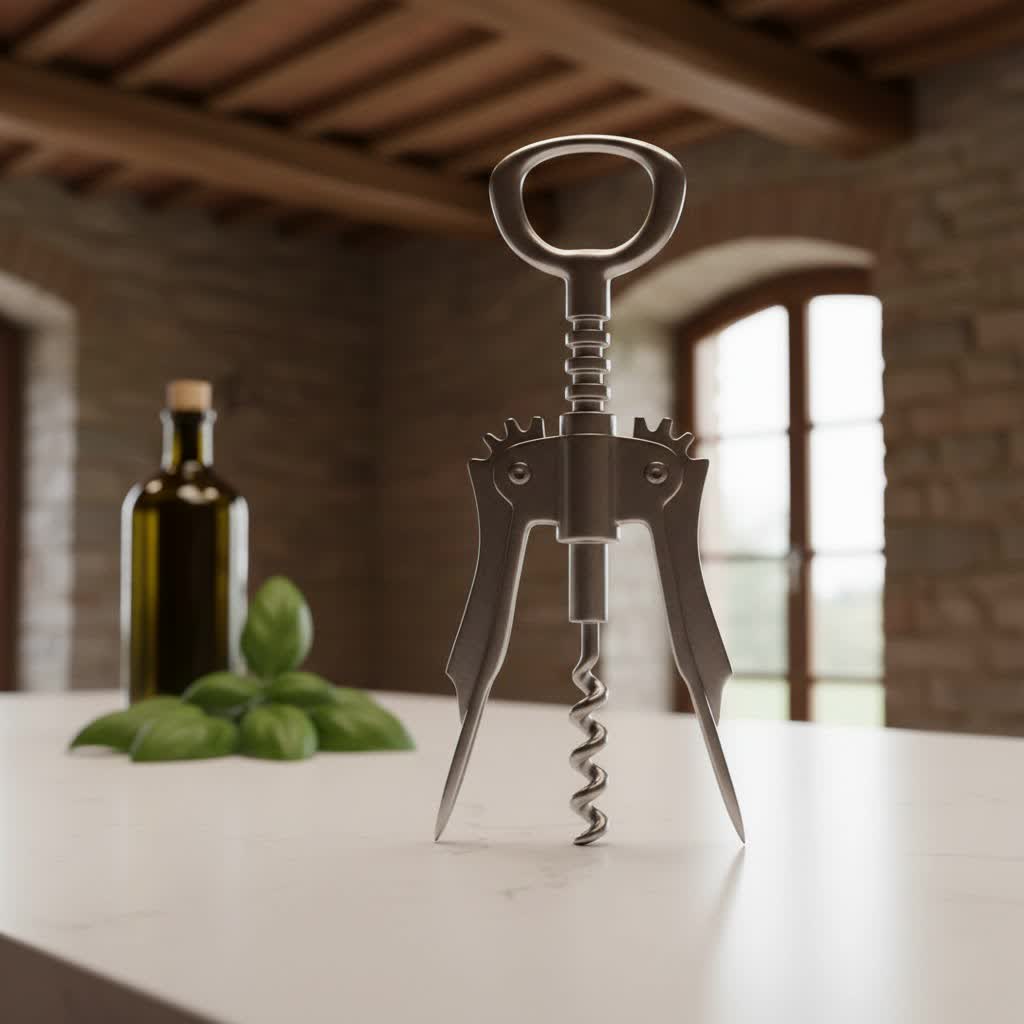
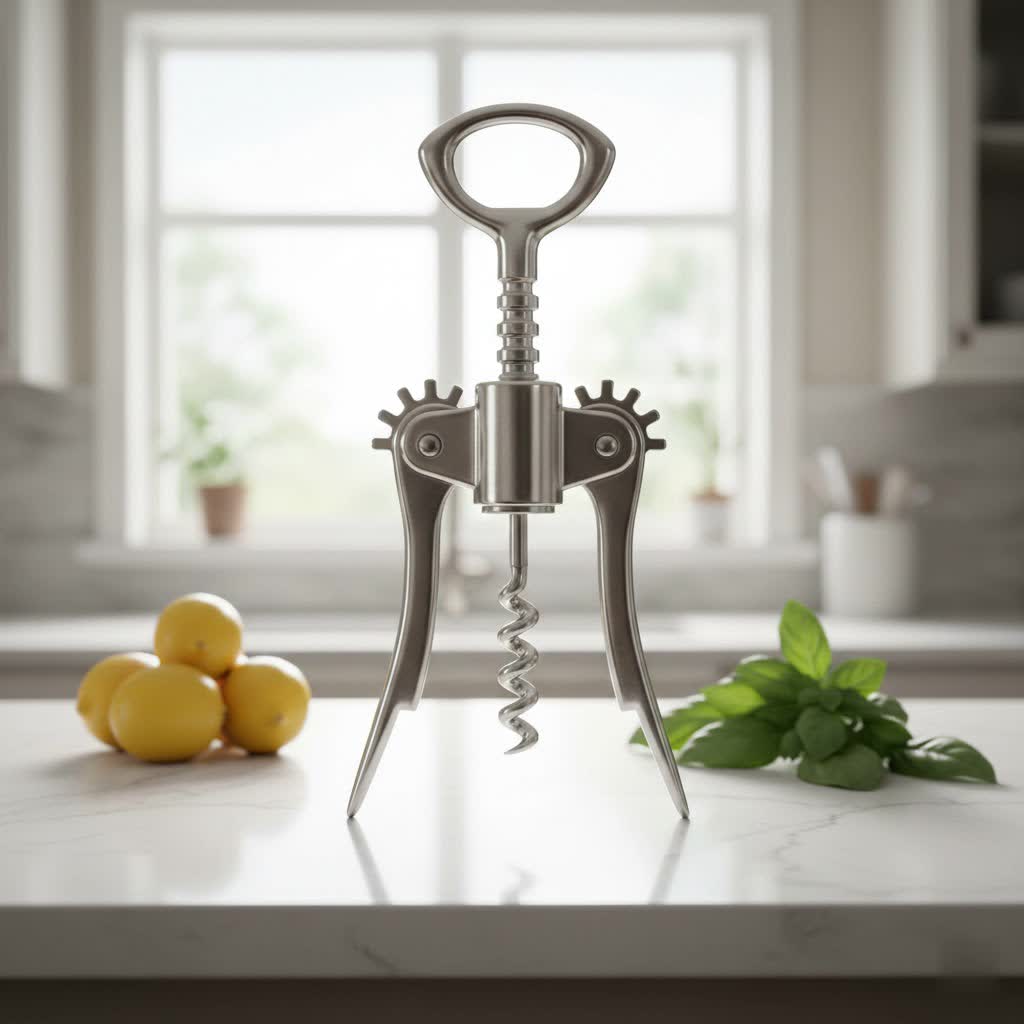
Lever wine openers, often colloquially known as “rabbit-style” openers due to their resemblance, utilize a mechanical advantage to extract corks with minimal effort. While many contemporary lever openers exist, earlier, more robust mechanical designs from the 19th and early 20th centuries can be considered vintage. They typically feature a gripping mechanism that clamps onto the bottle neck and a lever that, when pushed down, drives a corkscrew into the cork, and when pulled up, cleanly extracts it.
- Pros: Very easy and quick to use, ideal for those with limited hand strength. Many offer a solid, satisfying feel.
- Cons: Can be bulky. Some older models might be less durable or precise than their modern counterparts. Not always ideal for extremely fragile corks.
- Usage: Clamp the opener firmly onto the bottle, push the lever down to insert the worm, then pull the lever up to remove the cork.
|
Our Picks for the Best Wine Opener in 2026
We may earn a commission when you use one of our links to make a purchase.
|
||
| Num | Product | Action |
|---|---|---|
| 1 | OXO SteeL Winged Corkscrew with Removable Foil Cutter |

|
| 2 | Wino Wine Key! - Professional Sommelier's Corkscrew Wine Opener |
|
| 3 | Beneno Wine Opener, Zinc Alloy Premium Wing Corkscrew with Multifunctional Bottles Opener, Sharp Wine Corkscrew with Ergonomic Non-Slip Wing Handle, Silver |
|
| 4 | Cap Opener, Fun Bottle Opener for Parties and Gatherings, Creative Design Launches Caps at BBQs, Portable Entertainment for Outdoor Activities, Available in Red, Black, Blue |
|
| 5 | KORCCI Wine Opener, Heavy-Duty Zinc Alloy Wing Corkscrew, Premium Beer Bottle Opener, Multifunctional Wine Accessories with Ergonomic Handle and Sharp Screw, for Kitchen, Bar, Restaurant, Bartenders |
|
| 6 | Oster Cordless Electric Wine Bottle Opener with Foil Cutter, Silver |
|
| 7 | Cuisinart CWO-25 Electric Wine Opener, Stainless Steel 3.50" x 4.75" x 10.00" |
|
| 8 | Secura Electric Wine Opener, Automatic Electric Wine Bottle Corkscrew Opener with Foil Cutter, Rechargeable (Stainless Steel) |
|
| 9 | OXO Steel Vertical Lever Corkscrew with Removable Foil Cutter |
|
| 10 | GORILLA GRIP BPA-Free Premium Wine Opener, Heavy Duty Zinc Alloy Wing Corkscrew, Multifunctional Bottle Openers Remove Corks, Caps, Easy Use Sharp Cork Screw, Dishwasher Safe, Holiday Essential, Black |
|
Corkscrew Wine Opener (T-Handle, Waiter’s Friend)
This broad category encompasses some of the oldest and most iconic wine opener designs, many of which are truly vintage or have a classic, timeless appeal.
T-Handle Corkscrew
The simple T-handle corkscrew consists of a basic helix (or “worm”) attached to a perpendicular handle. This was one of the earliest widespread designs, requiring the user to twist the worm into the cork and then pull it out directly.
- Pros: Simple, durable, often compact. Authentic vintage T-handle corkscrews are highly collectible.
- Cons: Requires significant physical strength and technique, can break fragile corks if not used carefully.
- Usage: Twist the worm clockwise into the center of the cork until fully inserted, then pull firmly and steadily to remove.
Sommelier Knife (Waiter’s Friend)
Invented by Karl Wienke in Germany in 1882, the sommelier knife, or “waiter’s friend,” is a foldable, multi-functional tool resembling a pocket knife. It includes a corkscrew, a small knife blade for cutting foil, and a hinged lever that braces against the bottle lip for leverage.
- Pros: Compact, portable, versatile. Offers good leverage for cork removal, making it a professional favorite. Many vintage examples exist, and modern ones maintain the classic design.
- Cons: Requires some technique to use efficiently.
- Usage: Use the knife to cut the foil. Twist the corkscrew into the cork, then use the two-step lever against the bottle rim to gradually extract the cork.
Electric Wine Opener
Electric wine openers provide ultimate convenience, removing corks with the push of a button. While distinctly modern, some electric openers may feature “vintage-style” aesthetics in their design or materials.
- Pros: Effortless operation, very user-friendly.
- Cons: Relies on batteries/charging, less tactile experience than traditional methods. Generally not considered “vintage” themselves, though they can look retro. Not suitable for extremely fragile corks that might crumble under the automatic force.
- Usage: Place the opener over the bottle, press a button to activate the corkscrew, which automatically penetrates and extracts the cork.
Air Pressure Wine Opener
Air pressure wine openers use a needle to pierce the cork and then inject air into the bottle, causing the cork to pop out due to pressure.
- Pros: Can be gentle on corks if used correctly, as it doesn’t twist or pull directly.
- Cons: Risk of cork fragments entering the wine if the cork is very brittle. Some users report safety concerns if not handled properly. Not a “vintage” design.
- Usage: Insert the needle through the cork, pump air into the bottle until the cork comes out.
Ah-So / Two-Prong Wine Opener
This unique tool is particularly revered for opening vintage wines with fragile or compromised corks. The “Ah-So” (also known as a Butler’s Friend or two-prong puller) features two metal prongs of different lengths that slide between the cork and the neck of the bottle.
- Pros: Extracts fragile corks intact without piercing, ideal for aged wines where cork integrity is paramount. Preserves the cork for collectors.
- Cons: Requires practice and a delicate touch; not as fast as other methods.
- Usage: Gently insert the longer prong between the cork and the bottle, then the shorter prong. Wiggle and slowly push down, then twist and pull upward while wiggling to ease the cork out.
Multi-tool Wine Opener
Beyond the sommelier knife, some vintage or modern multi-tools combine a corkscrew with other functions like bottle openers, small knives, or even can openers. These are valued for their utility and often feature robust, classic designs.
- Pros: Versatile, space-saving.
- Cons: May be bulkier than single-purpose tools.
- Usage: Varies depending on the combined tools, but generally follows the method for the primary corkscrew type.
Comparison Table: Popular Wine Openers
Choosing the right wine opener often depends on your specific needs, whether it’s for everyday use, collecting, or opening precious vintage bottles. Here’s a comparison of common types, with an emphasis on those relevant to “vintage” contexts:
| Type of Wine Opener | Advantages | Disadvantages | Price Range (Approx.) | Suitability for Vintage Wines (Fragile Corks) | Collector’s Value (Authentic Vintage) |
|---|---|---|---|---|---|
| Ah-So / Two-Prong | Preserves fragile corks, ideal for aged wines | Requires skill, slower | $15 – $100+ | Excellent (designed for this) | High |
| Sommelier Knife | Compact, versatile, good leverage | Requires technique | $10 – $200+ | Good (with careful use) | High |
| T-Handle Corkscrew | Simple, durable, classic design | High effort, can damage fragile corks | $5 – $50+ | Poor | High |
| Lever Wine Opener | Easy, fast, minimal effort | Bulky, less tactile, can struggle with very old corks | $20 – $150+ | Moderate | Moderate to High (older models) |
| Electric Wine Opener | Effortless, convenient | Relies on power, not tactile, may damage old corks | $20 – $80+ | Poor | None |
Factors to Consider When Buying a Vintage Wine Opener (Buying Guide)
When investing in a vintage wine opener, whether for practical use or as a collector’s item, several factors come into play beyond mere aesthetics.
Material
The materials used in a wine opener contribute to its durability, feel, and overall character.
- Stainless Steel: Common in modern and many classic designs, offering excellent durability and corrosion resistance.
- Brass/Bronze: Often found in genuine antique corkscrews, providing a warm, classic patina that adds to its vintage appeal. Can be quite sturdy.
- Wood: Handles of vintage corkscrews are frequently crafted from various woods like oak, rosewood, or ebony, adding an ergonomic and aesthetically pleasing touch. Look for well-preserved wood without cracks or significant wear.
- Silver/Plated Metals: Higher-end antique corkscrews might feature silver or silver-plated components, indicating luxury and craftsmanship. These often command higher prices.
- Bone/Ivory: Historically used for handles, particularly in 19th-century pieces. Ethical considerations now typically lead to these being found only in true antiques.
Durability
A durable wine opener, especially a vintage one, is an investment that can last for generations.
- Worm/Helix Quality: For traditional corkscrews, inspect the “worm” (the spiral part). It should be sharp, strong, and ideally, have a non-stick coating (though this is more common in modern versions). Older worms were often steel.
- Joints and Mechanisms: For lever or hinged designs, check for tight joints and smooth operation. Any wobble or looseness can indicate wear or poor construction.
- Patina vs. Damage: A natural patina on metal (especially brass or bronze) adds character and value to a vintage piece. However, avoid significant rust, deep pitting, or structural damage that compromises functionality. Minor cosmetic wear is usually acceptable for antiques.
- Care Tips: To prolong the life of any wine opener, especially a vintage one, clean it after use (avoid harsh chemicals), ensure it’s dry before storage, and apply a drop of mineral oil to moving parts of mechanical models if needed.
Ease of Use
While some vintage openers are straightforward, others require a learning curve.
- Design Simplicity: Basic T-handle corkscrews are simple in concept but demand strength. The Sommelier knife offers good control with practice.
- Specialized Tools: The Ah-So opener, while gentle, requires a specific technique. It’s not a “quick grab and open” tool.
- Ergonomics: Consider the handle design and weight. Does it feel comfortable and secure in your hand? Some elaborate vintage designs, while beautiful, might not be the most practical for frequent use.
- Matching to Your Strength: Choose an opener that aligns with your physical capabilities. Lever models are best for ease, while T-handles require more force.
Price
The price of a vintage wine opener can vary wildly based on its age, rarity, material, condition, and historical significance.
- Affordable Vintage: Simple T-handle corkscrews or basic waiter’s friends from the early to mid-20th century can often be found for $10-$50.
- Mid-Range Collectibles: More elaborate mechanical corkscrews, good quality Ah-Sos, or pieces with interesting materials (like specific woods or minor plating) might range from $50-$200.
- High-End Antiques: Rare patents, sterling silver pieces, historically significant designs, or those by renowned makers can fetch hundreds, even thousands, of dollars.
- Budgeting: Determine if you’re buying for daily use (where functionality might be prioritized) or collecting (where rarity and condition drive value).
Brand (Historical Significance)
While modern brands like Coravin (for their Timeless Vintage Needle) are renowned for specialized tools for old wines, when discussing vintage openers, historical brands and patented designs are key.
- Early Patentees: Names like Henshall (1795) and Thomason (early 1800s) represent foundational patents. Collectors often seek out pieces related to these early inventors.
- Victorian Era Innovators: Manufacturers like Heeley, Lund, King’s Patent, and Farrow & Jackson introduced various mechanical and aesthetically pleasing designs throughout the 19th century.
- Continental European Makers: Many beautiful and intricate corkscrews emerged from France, Germany, and Italy, especially in the late 19th and early 20th centuries.
- Why Brand Matters: For collectors (known as “helixophiles”), identifying the maker or patent significantly enhances a vintage corkscrew’s value and historical narrative. For users, a historically reputable brand often implies quality craftsmanship.
Top 3 Vintage Wine Openers You Need to Know
For those who appreciate both history and functionality, these three types stand out as essential “vintage wine openers” – either as genuine antiques or as designs perfectly suited for opening aged bottles.
-
The Ah-So / Two-Prong Puller:
This is the undisputed champion for opening truly vintage wines with fragile corks. Its ingenious design involves two thin metal prongs that slide around the cork, gently gripping it rather than piercing it. This minimizes the risk of crumbling or breaking a delicate cork that might disintegrate under the force of a traditional corkscrew. Many modern Ah-So openers are available, but antique versions are also highly sought after for their classic look and often superior build quality. They are a must-have for any serious wine collector. -
The Sommelier Knife (Waiter’s Friend):
Though still widely produced today, the sommelier knife’s design, patented in 1882, makes it a timeless classic that embodies vintage functionality. Its compact, foldable nature, combined with a built-in foil cutter and a two-step lever for leverage, makes it incredibly practical and efficient. Vintage sommelier knives, often made with beautiful wood or bone handles, are prized by collectors, while modern, high-quality versions uphold the traditional design. It’s a tool that speaks to the professional elegance of wine service. -
The Direct Pull / T-Handle Corkscrew:
Representing one of the earliest and most fundamental corkscrew designs, the T-handle is the essence of vintage simplicity. While it requires more strength and can be challenging with very old, brittle corks, genuine antique T-handle corkscrews often feature exquisite materials like solid brass, carved wood, or ornate metals, making them highly desirable collector’s pieces. They offer a direct, unadorned experience of cork extraction, connecting the user to the very origins of wine opening. They are a testament to straightforward, robust engineering from a bygone era.
Tips for Using and Maintaining Your Vintage Wine Opener
Proper use and care ensure your vintage wine opener remains a cherished tool, whether it’s an antique for display or a reliable opener for your finest bottles.
How to Use Vintage Wine Openers Correctly
- For the Ah-So: This requires finesse. First, remove the foil. Gently insert the longer prong between the cork and the bottle neck. Then, insert the shorter prong on the opposite side. With even pressure, slowly wiggle and push both prongs down until they fully embrace the cork. Once fully inserted, gently twist and pull upward, maintaining a consistent wiggle, until the cork emerges. Avoid brute force, as this is designed for delicate extraction.
- For Sommelier Knives: Use the small knife blade to cut the foil neatly below the lip of the bottle. Twist the worm into the center of the cork, ensuring it’s straight. Engage the first notch of the lever on the bottle rim, pull up to partially extract the cork, then switch to the second notch for final removal. A smooth, steady motion prevents the cork from breaking.
- For T-Handle Corkscrews: Ensure the worm is centered on the cork. Twist firmly and steadily, making sure the worm penetrates deeply. Once fully inserted, pull straight up with consistent force. This type is less forgiving with fragile corks, so proceed with caution on aged bottles.
Maintenance and Care for Longevity
- Immediate Cleaning: After each use, wipe down your wine opener, especially the worm, to remove any cork remnants or wine residue. For Ah-So prongs, ensure no cork particles are stuck between them.
- Drying: Always ensure your opener is completely dry before storing it. Moisture, particularly on metal components, can lead to rust, which is detrimental to both functionality and the aesthetic of vintage pieces.
- Lubrication (for mechanical parts): For lever-style or more intricate mechanical vintage corkscrews, a tiny drop of food-grade mineral oil on hinges and moving parts can maintain smooth operation and prevent seizing. Do this sparingly.
- Proper Storage: Store your vintage wine opener in a dry place, away from extreme temperatures and humidity. A display case can protect collectible pieces from dust and accidental damage.
- Handling Fragile Materials: If your vintage opener has wooden, bone, or silver components, handle them with care. Avoid harsh chemical cleaners, which can damage finishes or tarnish precious metals. Use a soft cloth for polishing.
“A vintage corkscrew isn’t just a tool; it’s a piece of history in your hand, connecting you to generations of wine lovers who shared the same ritual.” – Wine Historian, Dr. Eleanor Vance
Conclusion
The journey through the world of vintage wine openers reveals more than just tools for uncorking; it uncovers a rich tapestry of history, craftsmanship, and a deep appreciation for the art of wine itself. Whether you’re drawn to the elegant preservation offered by an Ah-So for your most delicate vintages, the timeless utility of a sommelier knife, or the sturdy simplicity of an antique T-handle, each piece tells a story. Selecting the right vintage wine opener enhances the ritual of enjoying wine, adding a layer of authenticity and connection to tradition. By understanding the types, materials, and care required, you can ensure your chosen opener not only performs flawlessly but also serves as a cherished heirloom for years to come. So, which vintage wine opener will you choose to elevate your next wine experience?
Câu Hỏi Thường Gặp
How do you open an old wine bottle with a crumbling cork?
The best tool for opening an old wine bottle with a crumbling or fragile cork is an Ah-So, or two-prong wine opener. This device slides between the cork and the bottle neck, extracting the cork gently without piercing it, thus preventing further disintegration and pieces falling into the wine.
What makes a corkscrew “vintage” or “antique”?
A corkscrew is considered “vintage” if it is typically 20-100 years old, reflecting a specific design era. An “antique” corkscrew is generally over 100 years old. Both are valued for their historical significance, unique craftsmanship, materials like brass or carved wood, and often patented designs from past centuries.
Are electric wine openers good for vintage wines?
Electric wine openers are generally not recommended for true vintage wines. Their automated, forceful extraction mechanism can easily shatter or push fragile, aged corks into the bottle, compromising the wine. Traditional or specialized tools like the Ah-So are far better suited for delicate old corks.
What is a “helixophile”?
A helixophile is a collector of corkscrews. This term highlights the passionate hobby of seeking out, studying, and preserving corkscrews, which are often appreciated for their mechanical ingenuity, historical value, diverse designs, and artistic qualities.
How do I care for a wooden-handled vintage corkscrew?
To care for a wooden-handled vintage corkscrew, gently wipe the wood clean with a soft, damp cloth after use, and ensure it is thoroughly dry before storage. Avoid prolonged soaking or harsh chemicals, which can damage the wood. Occasionally, a small amount of wood polish or mineral oil can be applied to nourish the wood and prevent drying or cracking.