For any wine enthusiast, the moment of uncorking a bottle is a ritual, a silent promise of pleasure to come. But whether you’re a seasoned sommelier or a casual sipper, a reliable opener for your wine bottle isn’t just a convenience – it’s an essential tool that can make or break the experience. With decades of experience navigating the intricate world of wine accessories, from timeless classics to innovative modern designs, we’re here to guide you through the diverse landscape of wine openers, ensuring you find the perfect companion for every bottle.
What is a Wine Opener and Why Do You Need One?
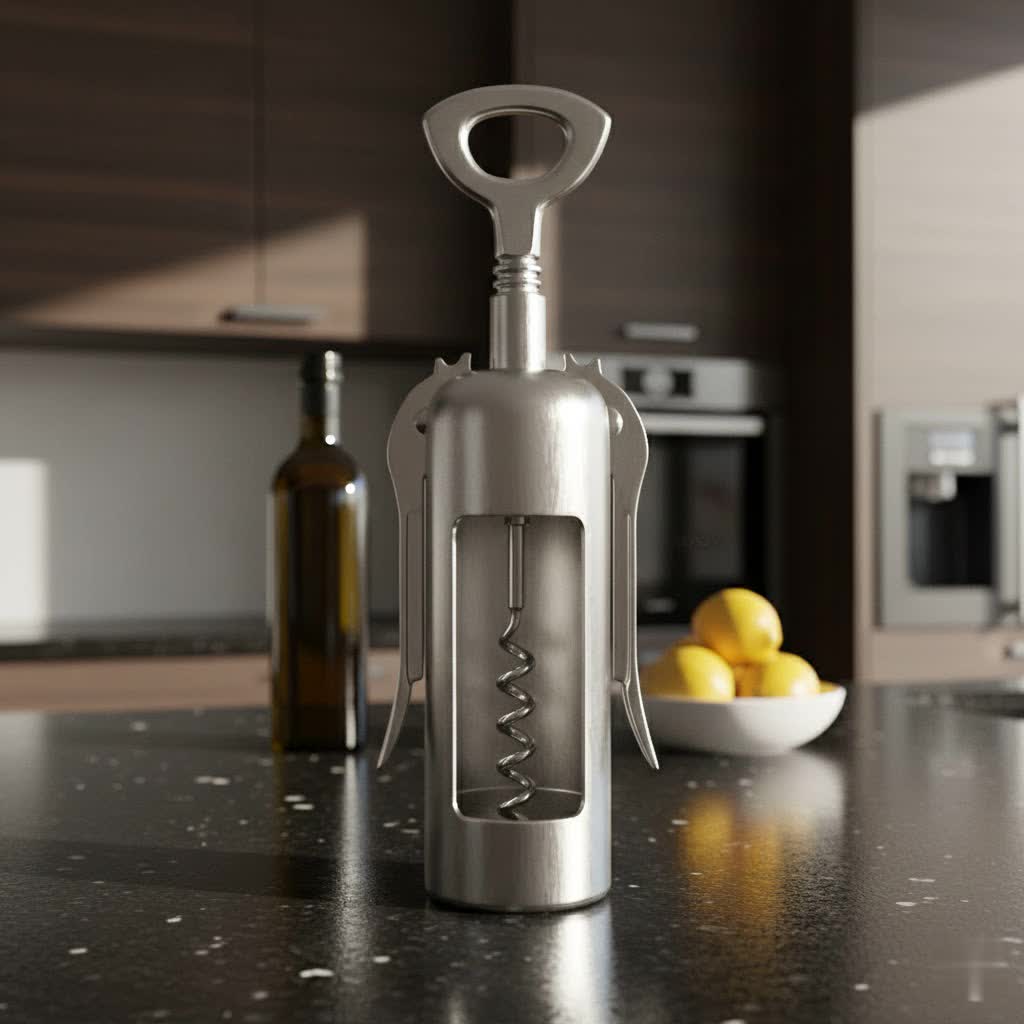
A wine opener, at its core, is a device meticulously designed to extract corks from wine bottles. While its function seems simple, its importance is profound. Without an effective opener, enjoying your favorite vintage can quickly turn into a frustrating endeavor, risking crumbled corks, spills, or even broken bottles.
The history of the wine opener is intertwined with the evolution of wine bottling itself. As glass bottles and cork stoppers became standard in the 17th century, the need for a specialized tool to remove those stoppers arose. Early designs, often called “bottlescrews,” were rudimentary helical screws. Over centuries, these designs evolved, incorporating leverage, gears, and even modern electronics to make the uncorking process smoother, safer, and more efficient. For anyone who appreciates wine, a quality wine opener is not merely a gadget; it’s an investment in flawless enjoyment, protecting the wine and enhancing the overall ritual.
Popular Types of Wine Openers on the Market
The market offers a remarkable variety of wine openers, each with unique mechanisms, benefits, and drawbacks. Understanding these differences is key to choosing the right tool for your specific needs.
Lever Wine Opener (Rabbit-style)
Lever-style wine openers, often recognized by their distinctive “rabbit ear” handles, are celebrated for their ergonomic design and powerful leverage. These sophisticated tools make uncorking remarkably easy and fast, requiring minimal effort from the user.
- Pros: Exceptionally easy and quick to use, provides significant leverage to remove stubborn corks, elegant appearance.
- Cons: Tends to be bulky and less portable, often one of the more expensive options, and some wine professionals prefer more traditional tools.
- How to use: Position the opener over the neck of the bottle, lower the lever to drive the spiral (worm) into the cork, then raise the lever to smoothly extract the cork.
|
Our Picks for the Best Wine Opener in 2026
We may earn a commission when you use one of our links to make a purchase.
|
||
| Num | Product | Action |
|---|---|---|
| 1 | OXO Steel Vertical Lever Corkscrew with Removable Foil Cutter |

|
| 2 | GORILLA GRIP BPA-Free Premium Wine Opener, Heavy Duty Zinc Alloy Wing Corkscrew, Multifunctional Bottle Openers Remove Corks, Caps, Easy Use Sharp Cork Screw, Dishwasher Safe, Holiday Essential, Black |
|
| 3 | Beneno Wine Opener, Zinc Alloy Premium Wing Corkscrew with Multifunctional Bottles Opener, Sharp Wine Corkscrew with Ergonomic Non-Slip Wing Handle, Silver |
|
| 4 | Cuisinart CWO-25 Electric Wine Opener, Stainless Steel 3.50" x 4.75" x 10.00" |
|
| 5 | Cap Opener, Fun Bottle Opener for Parties and Gatherings, Creative Design Launches Caps at BBQs, Portable Entertainment for Outdoor Activities, Available in Red, Black, Blue |
|
| 6 | Secura Electric Wine Opener, Automatic Electric Wine Bottle Corkscrew Opener with Foil Cutter, Rechargeable (Stainless Steel) |
|
| 7 | OXO SteeL Winged Corkscrew with Removable Foil Cutter |
|
| 8 | KORCCI Wine Opener, Heavy-Duty Zinc Alloy Wing Corkscrew, Premium Beer Bottle Opener, Multifunctional Wine Accessories with Ergonomic Handle and Sharp Screw, for Kitchen, Bar, Restaurant, Bartenders |
|
| 9 | Oster Cordless Electric Wine Bottle Opener with Foil Cutter, Silver |
|
| 10 | Wino Wine Key! - Professional Sommelier's Corkscrew Wine Opener |
|
Corkscrew Wine Opener (Traditional Corkscrew)
The classic corkscrew encompasses several designs, from the professional’s choice to popular household versions.
Waiter’s Corkscrew (Wine Key / Two-Step)
The waiter’s corkscrew, also known as a wine key or two-step opener, is the preferred tool for sommeliers and wine professionals worldwide. Its compact, foldable design often includes a small blade for cutting foil and a two-step fulcrum for leverage.
- Pros: Highly portable, compact, durable, offers excellent control, and often includes a foil cutter and bottle cap opener, making it a true multi-tool.
- Cons: Requires practice and a degree of dexterity to master, and can demand more physical effort than automated or lever-style openers.
- How to use: Use the small blade to cut and remove the foil. Twist the worm into the center of the cork. Place the first notch of the fulcrum on the bottle’s lip and gently lever the cork halfway out. Then, use the second notch to fully extract the cork.
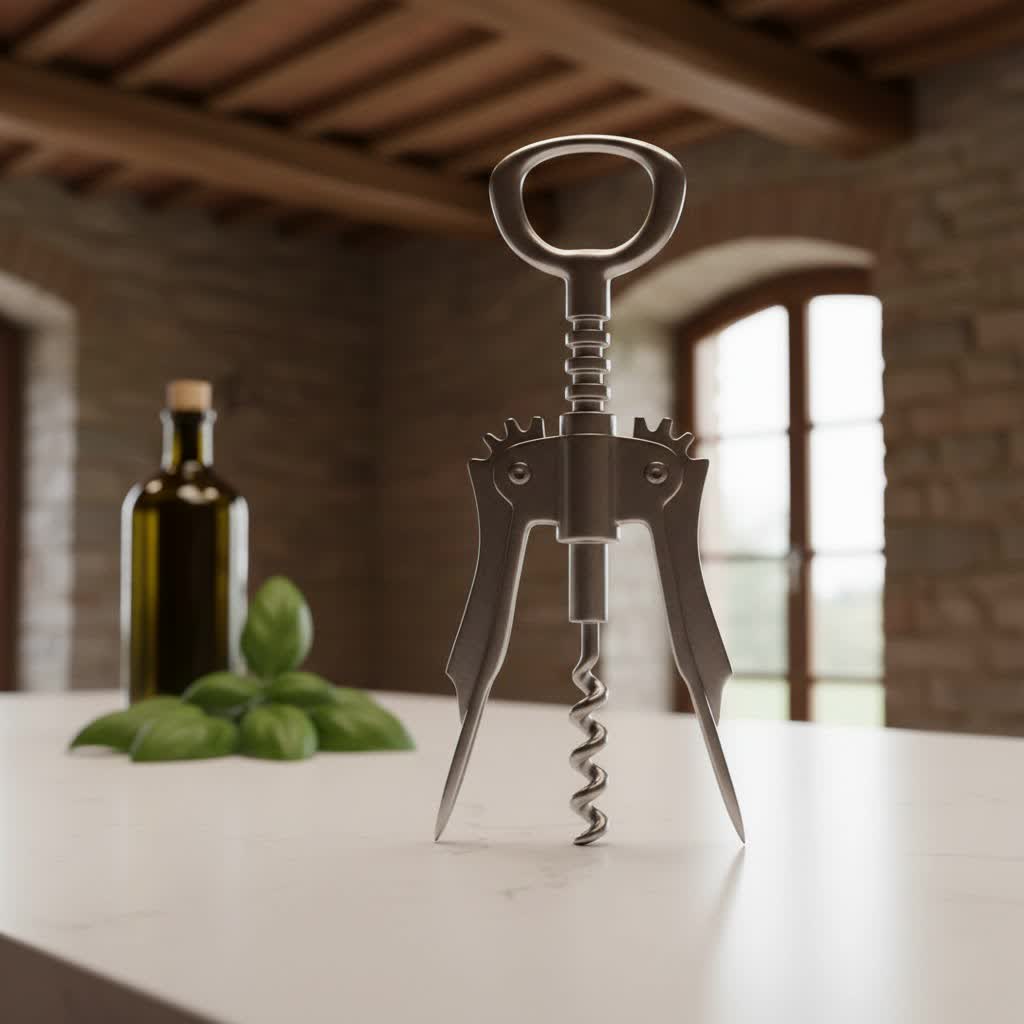
Winged Corkscrew
A familiar sight in many home kitchens, the winged corkscrew is a manual opener that uses a gear system to assist in cork removal. As the spiral is twisted into the cork, two “wings” rise, which are then pushed down to lift the cork out.
- Pros: Generally easy and intuitive for home use, offers a visual cue as the wings rise, and can be quite decorative.
- Cons: Can be bulky and less portable, may lack sufficient torque for very stubborn or long corks, and the quality of internal gears can vary significantly.
- How to use: Center the screw over the cork and twist the top handle to insert the worm. As it penetrates the cork, the two side “wings” will rise. Once fully extended, push both wings down simultaneously to lift the cork from the bottle.
Twist Corkscrew (Basic Screw Pull)
The most rudimentary form of corkscrew, the twist corkscrew consists of a simple handle and a spiral worm. It relies entirely on direct twisting and pulling force.
- Pros: Straightforward design, affordable, and easy to find.
- Cons: Often difficult to use with stubborn or old corks, carries a higher risk of cork breakage, and requires significant hand strength to pull the cork directly.
- How to use: Twist the worm firmly into the center of the cork until it’s fully inserted, then grasp the handle and pull the cork straight out with steady force.
Electric Wine Opener
For those prioritizing convenience and minimal effort, the electric wine opener is an ideal solution. These battery-powered devices automate the uncorking process with the press of a button.
- Pros: Effortless, highly user-friendly, excellent for individuals with limited hand strength or arthritis, and typically very fast.
- Cons: Requires charging, less portable than manual options, can be more expensive, and some purists may find it less “traditional” or charming.
- How to use: Place the opener vertically over the wine bottle. With the push of a button, the screw automatically drills into the cork and extracts it. Reverse the button to release the cork.
Air Pressure Wine Opener
An innovative approach to uncorking, the air pressure wine opener uses a needle to pierce the cork and then pumps air into the bottle, leveraging internal pressure to gently push the cork out.
- Pros: Extracts corks without twisting or pulling, leaving the cork completely intact and undamaged, which is beneficial for collectors.
- Cons: Requires careful handling due to the sharp needle, can be less intuitive for first-time users, and some express concerns about introducing air into the wine (though typically inert gas is used).
- How to use: Carefully insert the needle through the center of the cork. Pump the handle a few times, and the increasing air pressure inside the bottle will gradually push the cork upward until it’s released.
Two-Prong Cork Puller (Ah-So / Butler’s Friend)
This specialized tool, often called an “Ah-So” or “Butler’s Friend,” is revered by connoisseurs for its ability to remove old, fragile, or crumbly corks without piercing them. It consists of two metal prongs that slide between the cork and the bottle neck.
- Pros: Ideal for preserving the integrity of old and delicate corks, prevents cork crumbling into the wine, and leaves no hole in the cork.
- Cons: Requires significant technique and practice to use effectively, can be challenging for beginners, and may not work as well on synthetic or very tight corks.
- How to use: Gently insert the longer prong between the cork and the bottle neck, then the shorter prong on the opposite side. Rock the opener back and forth while pushing down until the prongs are fully inserted. Twist and pull simultaneously to extract the cork.
Multi-tool Wine Opener
While many wine openers offer dual functions (like a waiter’s corkscrew with a foil cutter), true multi-tool openers combine several essential wine and beverage accessories into a single unit. These can range from sophisticated sommelier knives that include a corkscrew, foil cutter, and bottle opener, to more comprehensive kits featuring aerators or stoppers.
- Pros: Highly versatile, convenient for various tasks, and often compact, reducing clutter.
- Cons: The quality of individual tools within a multi-tool can vary, and some specialized tasks might be better served by dedicated, single-purpose tools.
- How to use: Usage depends on the specific tools integrated, but typically involves unfolding or selecting the desired function for cork removal, foil cutting, or bottle opening.
Comparison Table of Wine Openers
Choosing the right wine opener often comes down to balancing ease of use, durability, and budget. Here’s a quick comparison to help you weigh your options:
| Type of Wine Opener | Pros | Cons | Ease of Use | Price Range (General) |
|---|---|---|---|---|
| Lever (Rabbit-style) | Very easy, fast, powerful leverage | Bulky, expensive, less portable | Very Easy | Medium to High |
| Waiter’s Corkscrew | Compact, portable, professional, versatile | Requires practice/dexterity | Moderate | Low to Medium |
| Winged Corkscrew | Simple, intuitive for home use | Bulky, less efficient for stubborn corks, variable quality | Easy | Low |
| Electric Wine Opener | Effortless, good for limited strength | Needs charging, less traditional, can be expensive | Very Easy | Medium to High |
| Air Pressure Wine Opener | Preserves cork, no twisting | Requires technique, needle safety, learning curve | Moderate | Medium |
| Two-Prong (Ah-So) | Ideal for old/fragile corks, no cork piercing | Requires significant technique/skill | Difficult | Medium |
| Multi-tool Opener | Versatile, convenient for various tasks | Quality can vary for integrated tools | Varies | Low to Medium |
Factors to Consider When Buying a Wine Opener (Buying Guide)
Selecting the perfect wine opener involves more than just picking a type; it’s about matching the tool to your lifestyle, needs, and preferences.
Quality of Materials
The materials used in a wine opener directly impact its durability, performance, and aesthetic appeal.
- Stainless Steel: For robust performance, stainless steel is a top choice, known for its strength, corrosion resistance, and sleek appearance. It’s a hallmark of professional-grade tools.
- Plastic: Often found in budget-friendly or electric models, plastic keeps the opener lightweight, but its durability can vary significantly. Opt for high-grade, reinforced plastics if choosing this material.
- Wood: Adds a touch of classic elegance, wood handles are common on many waiter’s corkscrews and provide a comfortable, warm grip. Ensure the wooden parts are well-finished and securely attached.
- Worm Design: The spiral part, or “worm,” should be made of strong metal, sharp enough to penetrate the cork cleanly without shredding, and ideally feature a non-stick coating for smoother insertion.
Durability
A good wine opener should be a long-term investment. Its durability is a key indicator of its value.
- How to check: Look for solid construction, minimal wiggling in moving parts, and sturdy hinges and gears. Metal components should feel substantial, not flimsy. Read reviews for insights into long-term performance.
- Maintenance tips: Proper care extends the life of your opener. Regularly clean the worm and any moving parts after use to prevent residue buildup. For lever or electric models, ensure smooth operation by keeping mechanisms clean and occasionally lubricating (if recommended by the manufacturer). Always store your opener in a dry place to prevent rust, especially on metal components.
Ease of Use
Your comfort and ability to operate the opener effectively are paramount for an enjoyable uncorking experience.
- Factors affecting ease: Consider the opener’s overall design, its size and weight in your hand, and the amount of leverage it provides. Your personal hand strength and dexterity are also crucial.
- Selecting the right fit: If you often open multiple bottles or have limited hand strength, an electric or lever-style opener might be ideal. For those who enjoy the ritual and prefer portability, a waiter’s corkscrew is an excellent choice, though it requires some initial practice.
Price
Wine openers come in a wide range of price points, reflecting variations in material quality, design complexity, and brand reputation.
- Price Segments: Basic corkscrews can be very affordable (under $10), while reliable manual and mid-range electric options often fall between $20-$50. High-end lever-style openers, professional sommelier tools, or feature-rich electric sets can range from $50 to over $100.
- Budget Alignment: Evaluate how often you’ll use the opener and how important advanced features or aesthetics are to you. A frequently used tool justifies a higher investment in durability and ease of use.
Brand Reputation
While generic openers are abundant, choosing from reputable brands often guarantees a higher standard of quality, performance, and customer support. Brands like Pulltaps, OXO, Rabbit, Peugeot, and Secura are frequently cited for their reliable wine openers. Selecting a product from an established brand can provide peace of mind, knowing you’re investing in a tool with a proven track record.
Top Wine Openers for Every Enthusiast
Based on common preferences for quality, ease of use, and specific applications, certain types of wine openers consistently stand out.
- The Professional’s Standard: The Waiter’s Corkscrew. Renowned for its compact design, precision, and versatility (often including a foil cutter), the waiter’s corkscrew is a staple for those who value tradition and skill. It’s perfect for both casual enthusiasts and seasoned professionals.
- The Effortless Everyday Choice: The Electric Wine Opener. For unparalleled convenience and a truly push-button experience, electric openers are hard to beat. They are particularly beneficial for individuals seeking to minimize physical effort during uncorking, making them a popular gift and a great addition to any home bar.
- The Powerful Performer: The Lever-style Opener. If speed and robust leverage are your priorities, the lever-style opener is an excellent contender. Its ergonomic design makes quick work of even the most stubborn corks, ideal for entertaining or frequent use.
- For Preserving Priceless Vintages: The Two-Prong Cork Puller (Ah-So). This specialized tool is indispensable for opening older bottles with fragile or delicate corks. It removes the cork without piercing, ensuring no cork particles contaminate the wine and preserving the cork for collectors.
- The Modern Innovator: The Air Pressure Wine Opener. Offering a unique, non-invasive method of cork removal, the air pressure opener is a fascinating option that leaves corks perfectly intact. It’s a great conversation starter and an effective tool for those who prefer to avoid traditional corkscrews.
Tips for Using and Maintaining Your Wine Opener
Even the best wine opener benefits from proper technique and regular care. These simple tips can ensure a seamless uncorking experience and extend the lifespan of your tool.
Proper Usage Techniques
- Foil First: Always begin by cleanly removing the foil capsule from the bottle. If your opener has a foil cutter, use it. Otherwise, a sharp knife can do the job precisely.
- Center the Worm: For corkscrews, always aim to insert the worm (spiral) directly into the center of the cork. This provides even pressure and reduces the risk of the cork crumbling or breaking.
- Steady and Even: Whether twisting, levering, or pumping, apply steady, consistent pressure. Avoid jerky or rushed movements, which can cause the cork to tear, push into the bottle, or come out unevenly.
- Full Insertion: Ensure the worm is fully inserted into the cork, leaving just one or two spirals exposed, to get the best grip before extracting.
Maintenance and Care
- Clean After Each Use: Cork residue can build up on the worm and other moving parts. Wipe these clean with a damp cloth after each use to maintain hygiene and smooth operation.
- Dry Thoroughly: Especially for metal components, ensure your opener is completely dry before storing to prevent rust and corrosion.
- Lubricate Moving Parts: For lever-style or electric openers with intricate mechanisms, occasional lubrication (following manufacturer guidelines) can ensure they continue to operate smoothly.
- Keep Electric Openers Charged: If you own an electric model, keep its battery charged to ensure it’s always ready when you need it.
- Store Safely: Store your wine opener in a drawer or a dedicated spot where it’s protected from drops and impacts, which can damage its delicate mechanisms.
Conclusion
Choosing the right opener for your wine bottle is a crucial step in elevating your wine experience. From the classic simplicity of a waiter’s corkscrew to the effortless innovation of an electric model, each type offers distinct advantages tailored to different preferences and occasions. By considering factors like material quality, ease of use, and your personal uncorking style, you can select a tool that not only performs flawlessly but also adds to the enjoyment of every bottle. A well-chosen wine opener is more than just a utility; it’s a statement about your appreciation for the finer details of wine enjoyment.
Which wine opener will become your trusted companion for your next bottle, making every uncorking a moment to savor?
Frequently Asked Questions
What is the easiest type of wine opener to use?
Electric wine openers and lever-style (rabbit) openers are widely considered the easiest to use, as they require minimal physical effort and automate or significantly assist the cork removal process, making them ideal for beginners or those with limited hand strength.
Can I open a wine bottle without a corkscrew?
While several unconventional methods exist, such as the “shoe trick” or pushing the cork into the bottle, these are generally not recommended. They can be unsafe, messy, and may introduce cork particles into your wine, diminishing the drinking experience.
How do professionals open wine bottles?
Professionals, particularly sommeliers and waiters, predominantly use a waiter’s corkscrew (often called a wine key). This tool is favored for its compact size, reliability, precision, and the control it offers during the uncorking process, even in busy service environments.
Are electric wine openers worth it?
For individuals who prioritize convenience, seek an effortless uncorking experience, or have physical limitations such as arthritis, electric wine openers are highly worthwhile. They deliver consistent performance with the simple push of a button, making them a valuable addition to many homes.
How do you remove a broken cork from a wine bottle?
When faced with a broken cork, a two-prong cork puller (Ah-So) is often the most effective solution. It can grip the sides of the remaining cork without further piercing it. If the cork is too deep or fragmented, pushing it fully into the bottle and immediately decanting the wine is another option.
What is the best wine opener for old wines?
The two-prong cork puller (Ah-So) is specifically designed and recommended for older, more fragile corks. Its unique mechanism slides between the cork and the bottle, extracting the cork gently without piercing or crumbling, thus preserving its integrity and preventing contamination of the wine.