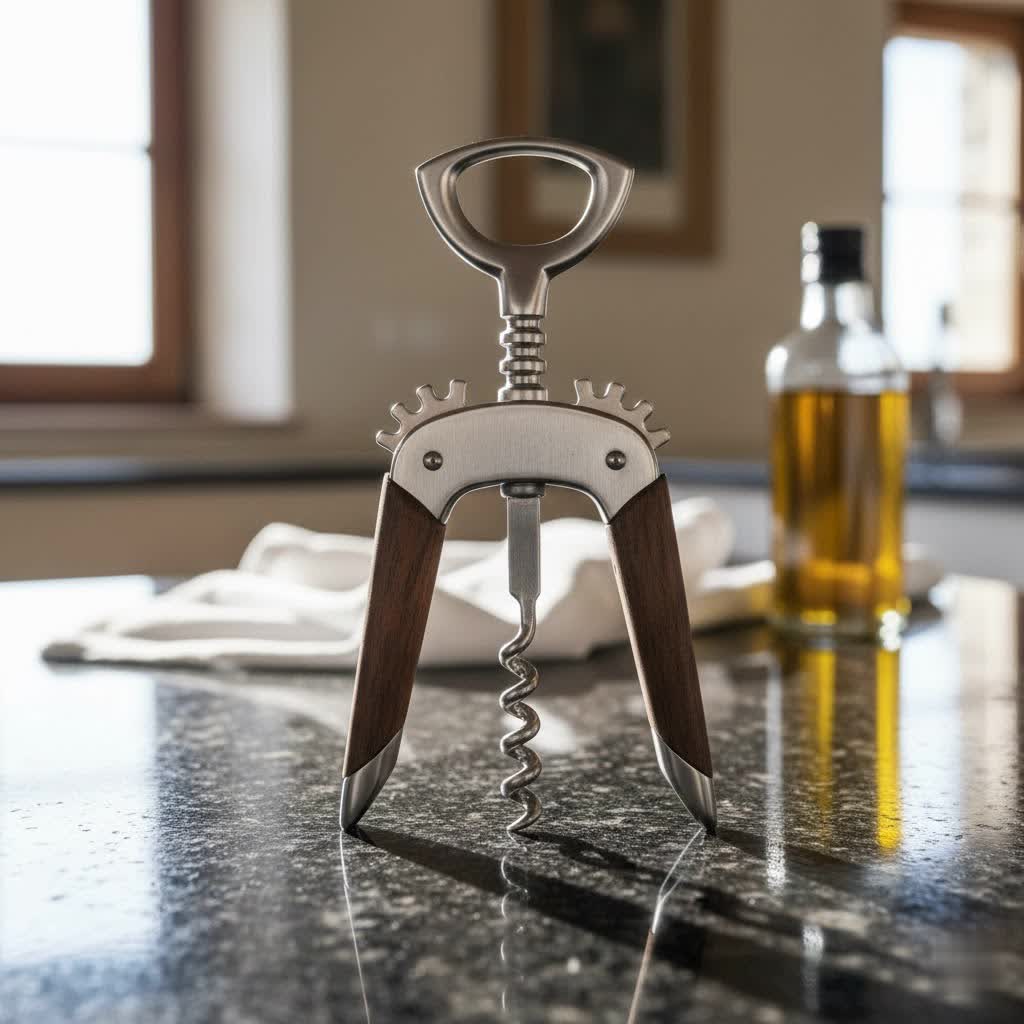
For any wine enthusiast, the ritual of opening a bottle is as much a part of the experience as the first sip. A great wine opener corkscrew doesn’t just get the job done; it elevates the moment, ensuring a smooth, effortless uncorking that protects both the cork and the precious liquid within. With a many designs, from classic waiter’s friends to modern electric marvels, choosing the ideal wine opener can be daunting. This comprehensive guide will explore the different types, their unique advantages, and key considerations to help you select the perfect companion for your wine journey, ensuring every bottle opens with ease and elegance.
What is a Wine Opener, and Why Do You Need One?
A wine opener, at its core, is a device designed to extract corks from wine bottles. Its primary function is to provide the leverage and precision needed to remove corks without damaging them or introducing cork fragments into the wine. From simple helical screws to intricate mechanical systems, these tools have evolved significantly since their earliest forms, which were often basic pointed metal tools used to pierce and pull. The need for a dedicated wine opener became crucial as wine bottles became more standardized and corks were increasingly used for sealing, making simple pushing or prying impractical.
For anyone who appreciates wine, a quality wine opener is an indispensable tool. Beyond mere functionality, it offers a consistent and reliable way to access your favorite vintages, preventing frustration and potential spills. A well-designed corkscrew ensures the cork is removed cleanly, preserving the integrity of the wine and the experience of savoring it. It’s an investment in convenience, elegance, and the joy of wine appreciation, making the act of uncorking a seamless prelude to enjoyment rather than a struggle.
Popular Types of Wine Openers
The market offers a diverse range of wine openers, each with its own mechanism, advantages, and ideal use cases. Understanding these differences is key to finding the best wine opener corkscrew for your needs.
Lever Wine Opener (Rabbit-style)
Lever-style wine openers, often known as “Rabbit” openers due to a prominent brand, are renowned for their exceptional ease of use. They employ a mechanical lever system that clamps onto the bottle neck, and with a simple downward and upward motion of a handle, the corkscrew descends and then effortlessly extracts the cork. This design requires minimal physical effort, making it ideal for those with limited hand strength or anyone seeking a quick and foolproof uncorking method.
- Pros: Extremely easy and quick to use, great for beginners or those with hand strength issues, consistent results.
- Cons: Can be bulky and less portable, often more expensive, mechanism can wear over time if made with cheaper materials.
- How to use: Place the opener over the bottleneck, ensuring the handles grip the bottle securely. Push the lever down to insert the corkscrew into the cork, then pull the lever up to extract the cork. Release the bottle, and then typically depress the lever again to release the cork from the spiral.
Corkscrew Wine Opener (Waiter’s Friend/Sommelier Knife)
|
Our Picks for the Best Wine Opener in 2026
As an Amazon Associate I earn from qualifying purchases.
|
||
| Num | Product | Action |
|---|---|---|
| 1 | Cuisinart CWO-25 Electric Wine Opener, Stainless Steel 3.50" x 4.75" x 10.00" |

|
| 2 | KORCCI Wine Opener, Heavy-Duty Zinc Alloy Wing Corkscrew, Premium Beer Bottle Opener, Multifunctional Wine Accessories with Ergonomic Handle and Sharp Screw, for Kitchen, Bar, Restaurant, Bartenders |
|
| 3 | Cap Opener, Fun Bottle Opener for Parties and Gatherings, Creative Design Launches Caps at BBQs, Portable Entertainment for Outdoor Activities, Available in Red, Black, Blue |
|
| 4 | Oster Cordless Electric Wine Bottle Opener with Foil Cutter, Silver |
|
| 5 | Wino Wine Key! - Professional Sommelier's Corkscrew Wine Opener |
|
| 6 | OXO Steel Vertical Lever Corkscrew with Removable Foil Cutter |
|
| 7 | Beneno Wine Opener, Zinc Alloy Premium Wing Corkscrew with Multifunctional Bottles Opener, Sharp Wine Corkscrew with Ergonomic Non-Slip Wing Handle, Silver |
|
| 8 | Secura Electric Wine Opener, Automatic Electric Wine Bottle Corkscrew Opener with Foil Cutter, Rechargeable (Stainless Steel) |
|
| 9 | OXO SteeL Winged Corkscrew with Removable Foil Cutter |
|
| 10 | GORILLA GRIP BPA-Free Premium Wine Opener, Heavy Duty Zinc Alloy Wing Corkscrew, Multifunctional Bottle Openers Remove Corks, Caps, Easy Use Sharp Cork Screw, Dishwasher Safe, Holiday Essential, Black |
|
The waiter’s corkscrew, or sommelier knife, is a classic and widely respected wine opener due to its compact design, versatility, and durability. It typically features a corkscrew, a small knife for cutting foil, and a leverage point (often double-hinged) that rests on the bottle rim to assist with pulling the cork. This type is favored by professionals in restaurants and wine bars for its portability and reliable performance. A high-quality waiter’s corkscrew, especially one with a double-hinged fulcrum, offers superior leverage and control, allowing for a smooth two-stage pull.
- Pros: Compact and portable, durable, often includes a foil cutter, excellent control over cork extraction.
- Cons: Requires some practice to master, can be less forgiving for beginners, single-hinged versions offer less leverage.
- How to use: Use the small knife to cut and remove the foil from the bottleneck. Twist the corkscrew into the center of the cork until only one coil is visible. Place the first hinge lever on the bottle rim and pull the handle up halfway. Reposition to the second hinge (if available) on the rim and pull the handle up fully to extract the cork.
Electric Wine Opener
For ultimate convenience, electric wine openers are a popular choice. These devices operate on batteries (rechargeable or disposable) and automate the entire uncorking process with the press of a button. They typically feature a motor that drives the corkscrew into the cork and then reverses to pull it out. Many models also include integrated foil cutters. They are particularly popular for home use and can be a thoughtful gift for those who prioritize effortless operation.
- Pros: Extremely easy to use, no physical effort required, quick and efficient, often comes with a foil cutter.
- Cons: Relies on power, can be bulky, typically more expensive, may not work if batteries are dead, some models are less durable.
- How to use: Remove the foil from the bottle. Place the electric opener firmly on top of the bottleneck. Press the “down” button to engage the corkscrew and let it penetrate and pull the cork out. Press the “up” or “release” button to eject the cork from the opener.
Air Pressure Wine Opener
Air pressure wine openers use a needle that is inserted through the cork, into the air space of the bottle. By pumping air into the bottle, the pressure builds up underneath the cork, forcing it out. This method can be very effective for older, more fragile corks that might break with twisting or pulling methods, as it applies even pressure.
- Pros: Ideal for old or fragile corks, prevents cork crumbling, relatively easy to use once mastered.
- Cons: Requires careful handling to avoid bursting the bottle (rare but possible), can be slower than other methods, some find it less traditional.
- How to use: Carefully insert the needle through the center of the cork until it passes into the bottle. Pump the handle several times to build air pressure. The cork will gradually rise and eventually pop out.
Winged Corkscrew
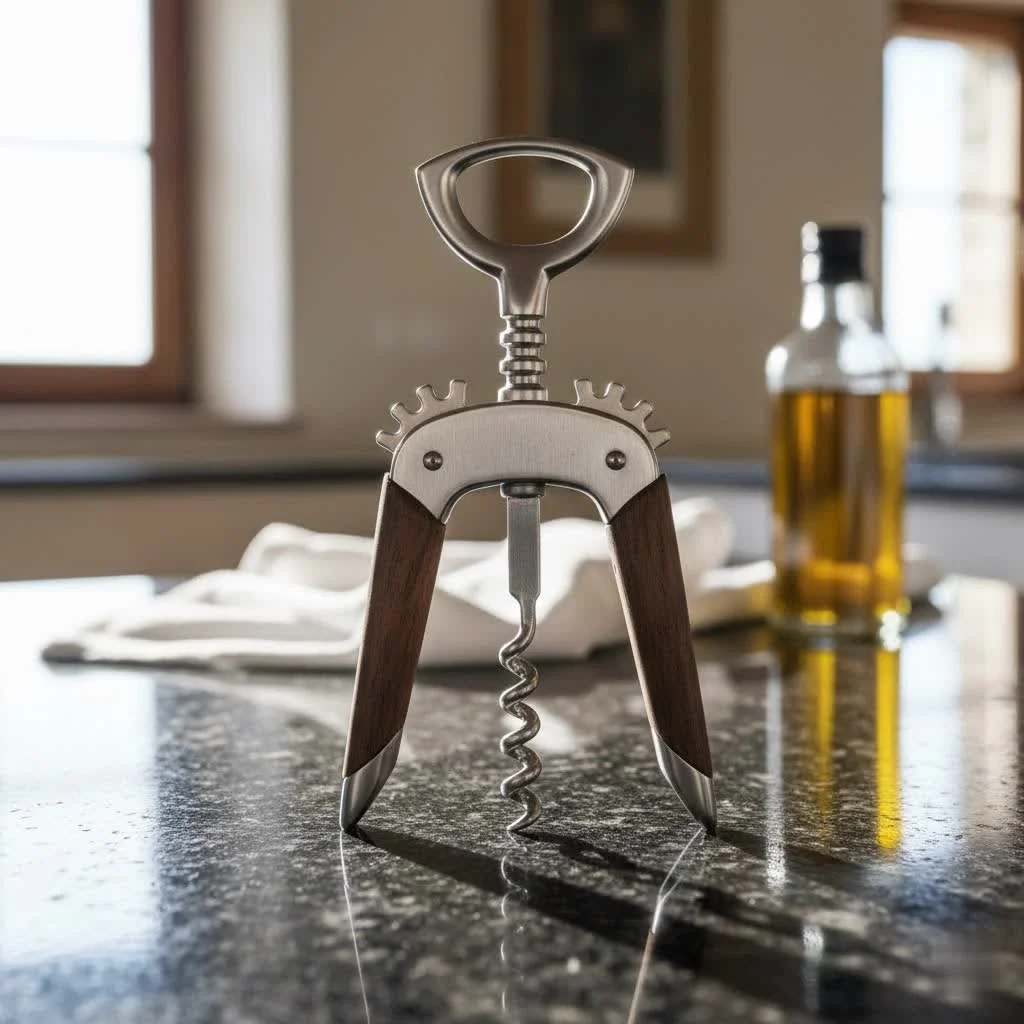
The winged corkscrew is a common and recognizable design, often found in many households. It features a central corkscrew and two “wings” that rise as the screw is turned into the cork. Once the corkscrew is fully inserted, the user pushes down on the two wings, which leverage against the bottle rim to pull the cork out. It’s a straightforward design that offers a good balance of simplicity and mechanical assistance.
- Pros: Simple and intuitive to use, relatively inexpensive, good for occasional use.
- Cons: Can be less effective on very long or stubborn corks, may require more physical effort than lever-style or electric models, can sometimes break corks.
- How to use: Twist the central corkscrew into the cork until the wings are fully raised. Push both wings down simultaneously to extract the cork.
Wine Opener Comparison Table
To help you decide, here’s a comparison of the most popular wine opener corkscrew types:
| Type of Wine Opener | Pros | Cons | Price Range (Approx.) | Overall Rating (Ease of Use) |
|---|---|---|---|---|
| Lever-Style | Extremely easy, fast, consistent results | Bulky, less portable, higher cost, can wear over time | $20 – $70+ | Excellent |
| Waiter’s Corkscrew | Compact, portable, durable, versatile, good control | Requires practice, can be challenging for beginners | $10 – $50+ | Good (Excellent with practice) |
| Electric | Effortless, fast, no physical exertion | Relies on power/batteries, bulky, higher cost, can be less durable | $25 – $100+ | Excellent |
| Air Pressure | Gentle on fragile corks, prevents crumbling | Slower, potential (though rare) bottle damage, less traditional | $15 – $40 | Good |
| Winged Corkscrew | Simple, intuitive, affordable | Less effective on tough corks, requires moderate effort, can break corks | $5 – $25 | Good |
Key Factors to Consider When Buying a Wine Opener
Choosing the best wine opener corkscrew involves more than just picking a type. Several factors contribute to its performance, durability, and user satisfaction.
Material
The materials used in a wine opener significantly impact its durability and feel.
- Stainless Steel: Highly recommended for its strength, corrosion resistance, and sleek appearance. Many high-quality waiter’s corkscrews and lever models feature stainless steel components, particularly for the corkscrew (worm) and hinges. This ensures longevity and reliable performance.
- Plastic: Often used in cheaper winged corkscrews or parts of electric openers. While lightweight and affordable, plastic can be prone to breaking or wearing down over time, especially in stress points. High-grade, durable plastics are exceptions, but general plastic construction might indicate lower longevity.
- Wood: Found in handles of some traditional waiter’s corkscrews, providing an ergonomic grip and aesthetic appeal. Wood adds a classic touch but requires proper care to prevent drying or cracking.
Durability
A durable wine opener will serve you for years, making it a worthwhile investment. To assess durability, look for:
- Solid Construction: Components that feel robust and have minimal wobble. For waiter’s corkscrews, check the pivot point of the double hinge for tightness.
- Quality of the Worm: The spiral part, known as the “worm,” should be made of strong, non-stick coated (like Teflon) steel. A thin, poorly shaped worm can damage corks.
- Joints and Levers: In lever and winged openers, examine the joints and moving parts for sturdy construction. Metal mechanisms generally outperform plastic ones.
Tip for longevity: Avoid forcing your wine opener if you encounter resistance. Gentle, consistent pressure is usually more effective and prevents undue stress on the mechanism.
Ease of Use
The best wine opener corkscrew for you is one you find easy and comfortable to operate.
- Design: Consider the ergonomics. Does it fit well in your hand? Are the buttons or levers intuitively placed? Waiter’s corkscrews with a slightly curved handle, like some OXO models, can offer a more comfortable grip.
- Size and Weight: A compact waiter’s corkscrew is great for portability, while a heavier lever-style opener might feel more stable on a countertop. Electric openers are generally bulkier but require no manual effort.
- Physical Ability: If you have hand pain or limited strength, an electric or lever-style opener will be significantly easier than a manual corkscrew.
Price
Wine openers come in a wide range of prices, reflecting materials, brand, and complexity.
- Budget-Friendly ($5-$25): Often includes basic winged corkscrews or entry-level waiter’s friends. You can find surprisingly good value in this range, but be wary of flimsy construction.
- Mid-Range ($25-$70): This segment offers excellent quality manual and electric openers. You’ll find durable stainless steel waiter’s corkscrews, reliable lever models, and well-performing electric options.
- Premium ($70+): High-end models, often from renowned brands like Laguiole or Peugeot, offer superior craftsmanship, luxurious materials (like buffalo horn handles), and advanced features. These are often seen as an investment for connoisseurs.
> “Investing in a quality wine opener is like investing in a good set of kitchen knives – it simplifies a frequent task and enhances the overall experience. A well-chosen corkscrew will bring joy with every uncorking.”
Brand Reputation
Choosing a wine opener from a reputable brand often guarantees better quality, durability, and customer support. Brands like Pulltaps, OXO, Rabbit, Peugeot, and Brabantia consistently receive high praise in reviews. These companies have a track record of producing reliable wine accessories and often stand by their products with warranties. While smaller or lesser-known brands might offer competitive pricing, established names provide peace of mind regarding performance and longevity.
Top 7 Best Wine Openers Currently Popular
Based on extensive testing and user reviews, these wine openers consistently rank among the best for their performance, durability, and ease of use.
-
Pulltaps Waiter’s Corkscrew: Often hailed as the industry standard for waiter’s corkscrews, the Pulltaps model is praised for its robust build, efficient double-hinged leverage system, and Teflon-coated worm that glides smoothly into corks. It’s compact, durable, and a favorite among sommeliers for its reliable performance.
-
OXO Steel Double Lever Waiters Corkscrew: This OXO model stands out for its ergonomic design and comfortable grip, making it a top pick for many. It features a double-hinged fulcrum for efficient cork removal and a sharp foil cutter. Users appreciate its solid construction and ease of use, even for beginners.
-
Rabbit Original Lever Corkscrew Wine Opener: A classic in the lever-style category, the Rabbit opener is famous for its effortless operation. Its sturdy construction and powerful lever mechanism make uncorking a bottle incredibly quick and easy, ideal for those who frequently open wine and prefer minimal effort.
-
Peugeot Elis Touch Electric Corkscrew: For those seeking ultimate automation, the Peugeot Elis Touch offers a premium electric experience. It’s praised for its elegant design, quiet operation, and ability to remove corks smoothly and quickly. While a higher investment, it delivers consistent, effortless results.
-
Brabantia Wine Bottle Opener Corkscrew (Twist-style): This Brabantia model is a well-regarded twist-style opener that offers a sturdy and comfortable grip. Its long, self-pulling corkscrew mechanism ensures that as you twist, the cork is steadily pulled out with minimal effort. It’s a reliable choice for everyday use.
-
OXO Vertical Corkscrew with Removable Foil Cutter: Another excellent lever-style option from OXO, this vertical corkscrew provides a different grip and leverage point than the Rabbit style. It’s designed for stability and ease, making it comfortable to use, and includes a convenient removable foil cutter.
-
Zolay Kitchen Deluxe Waiter’s Corkscrew: Known for its traditional aesthetic, often featuring a wooden handle, and lifetime warranty, the Zolay Kitchen waiter’s corkscrew is well-built and reliable. It offers a good balance of classic design and modern functionality, making it a durable choice for wine lovers.
Tips for Using and Maintaining Your Wine Opener
Proper use and care can significantly extend the life of your wine opener and ensure a perfect uncorking every time.
Using Your Wine Opener Correctly:
- Foil Removal First: Always remove the foil completely using the integrated foil cutter (if available) or a separate foil cutter. This ensures a clean path for the corkscrew and prevents foil fragments from falling into the wine.
- Center the Corkscrew: For any type of corkscrew, aim for the very center of the cork. This helps to distribute pressure evenly and prevents the cork from crumbling or breaking.
- Gentle and Steady Pressure: Whether twisting, pulling, or pressing a button, apply steady, consistent pressure. Avoid jerky movements, which can damage the cork or the opener.
- Don’t Overscrew: For manual corkscrews, stop twisting when about one coil of the worm is still visible. Screwing too far can push cork fragments into the wine or even break through the bottom of the cork.
Maintaining Your Wine Opener:
- Clean Regularly: After each use, wipe down your wine opener, especially the corkscrew, with a damp cloth. Wine residue or cork dust can build up and affect performance.
- Dry Thoroughly: Ensure all metal parts are completely dry before storing to prevent rust, particularly for stainless steel components.
- Lubricate (if applicable): For lever-style openers, a tiny drop of food-grade mineral oil on the moving parts can keep the mechanism smooth. Check the manufacturer’s instructions first.
- Store Properly: Keep your wine opener in a drawer or its original packaging to protect it from dust and damage. For electric models, ensure they are charged or have fresh batteries when needed.
Conclusion
Choosing the best wine opener corkscrew is a personal decision, reflecting your style, frequency of use, and physical comfort. From the elegant simplicity of a waiter’s corkscrew to the effortless power of an electric model, there’s a perfect tool for every wine lover. By considering factors like material, durability, ease of use, and brand reputation, you can select a wine opener that not only performs flawlessly but also adds to the enjoyment of every bottle you open.
So, which wine opener will be your trusted companion in uncorking your next perfect pour?
Frequently Asked Questions
How do I choose between a manual and an electric wine opener?
Manual wine openers, like the waiter’s corkscrew, offer portability, durability, and control, ideal for traditionalists or those valuing compactness. Electric models provide ultimate ease and speed with minimal effort, perfect for frequent home use or individuals with hand strength concerns, though they rely on power.
What is a “double-hinged” waiter’s corkscrew, and why is it better?
A double-hinged waiter’s corkscrew features two distinct leverage points on its fulcrum, allowing for a two-stage pull of the cork. This design provides significantly better leverage and control, making it easier to extract longer or more stubborn corks smoothly and preventing cork breakage compared to single-hinged versions.
Can I use a wine opener on synthetic corks?
Yes, most wine openers are designed to work effectively on both natural and synthetic corks. However, synthetic corks can sometimes be more resistant, so a robust corkscrew or a lever-style opener may offer a smoother experience than a basic winged opener.
How often should I replace my wine opener?
The lifespan of a wine opener varies greatly depending on its type, material quality, and frequency of use. High-quality stainless steel manual openers can last decades with proper care, while cheaper plastic models or frequently used electric openers might need replacement every few years if components wear out or batteries degrade.
What’s the best wine opener for someone new to wine?
For beginners, an electric wine opener or a lever-style (Rabbit-style) opener is often recommended due to their intuitive, low-effort operation. These types minimize the learning curve and reduce the risk of cork damage, making the uncorking process enjoyable from the start.
Get our weekly buyer guide
Practical specs, not advice. Unsubscribe anytime.
