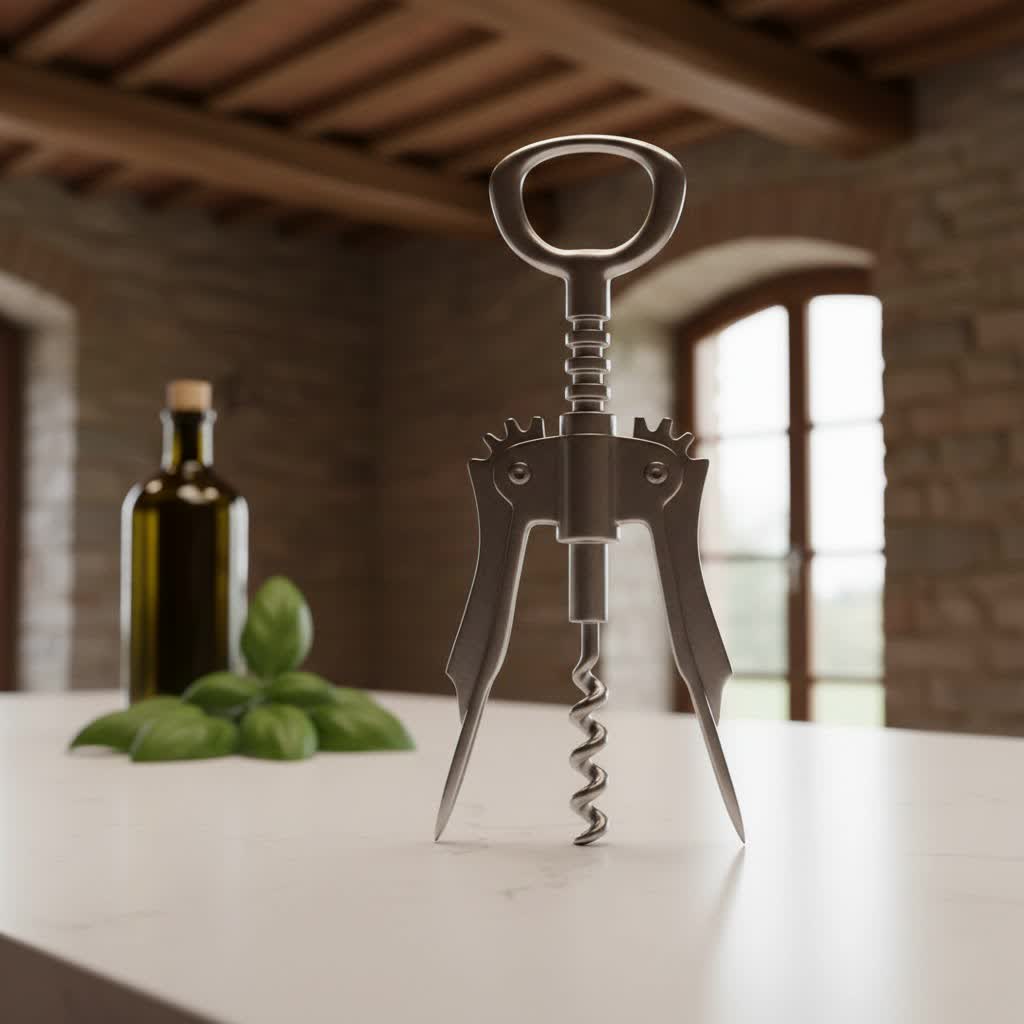
The ritual of opening a bottle of wine often culminates in a moment of anticipation, yet for many, the cork itself presents an unexpected challenge. Whether it’s a stubborn natural cork or a tricky synthetic stopper, a reliable wine opener is an essential tool for any wine lover. Enter the Houdini Wine Opener, a brand celebrated for its innovative designs aimed at making the uncorking process as smooth and magical as the famed illusionist himself. If you’ve ever wrestled with a cork, leaving bits of it floating in your cherished vintage, then discovering the right Houdini opener could transform your wine experience from frustrating to truly effortless.
What is a Wine Opener and Why Do You Need One?
A wine opener, at its core, is a specialized tool designed to extract corks from wine bottles. While the concept seems simple, its evolution is rooted in centuries of wine consumption. The earliest corkscrews emerged in the 17th century, driven by the increasing use of corks as stoppers. Over time, these rudimentary “bottlescrews” evolved into a diverse array of mechanisms, each aiming to improve efficiency and ease of use. For any dedicated wine enthusiast, a quality wine opener is more than just a convenience; it’s a guardian against crumbled corks and spilled wine, ensuring that every bottle is opened with dignity and ready for enjoyment.
Popular Types of Wine Openers on the Market
The world of wine openers is surprisingly varied, with different designs catering to diverse needs and preferences. Understanding these types helps to appreciate where the Houdini brand stands out.
Lever Wine Opener
|
Our Picks for the Best Wine Opener in 2026
We may earn a commission when you use one of our links to make a purchase.
|
||
| Num | Product | Action |
|---|---|---|
| 1 | Oster Cordless Electric Wine Bottle Opener with Foil Cutter, Silver |

|
| 2 | Cap Opener, Fun Bottle Opener for Parties and Gatherings, Creative Design Launches Caps at BBQs, Portable Entertainment for Outdoor Activities, Available in Red, Black, Blue |
|
| 3 | OXO Steel Vertical Lever Corkscrew with Removable Foil Cutter |
|
| 4 | Secura Electric Wine Opener, Automatic Electric Wine Bottle Corkscrew Opener with Foil Cutter, Rechargeable (Stainless Steel) |
|
| 5 | Beneno Wine Opener, Zinc Alloy Premium Wing Corkscrew with Multifunctional Bottles Opener, Sharp Wine Corkscrew with Ergonomic Non-Slip Wing Handle, Silver |
|
| 6 | Wino Wine Key! - Professional Sommelier's Corkscrew Wine Opener |
|
| 7 | KORCCI Wine Opener, Heavy-Duty Zinc Alloy Wing Corkscrew, Premium Beer Bottle Opener, Multifunctional Wine Accessories with Ergonomic Handle and Sharp Screw, for Kitchen, Bar, Restaurant, Bartenders |
|
| 8 | GORILLA GRIP BPA-Free Premium Wine Opener, Heavy Duty Zinc Alloy Wing Corkscrew, Multifunctional Bottle Openers Remove Corks, Caps, Easy Use Sharp Cork Screw, Dishwasher Safe, Holiday Essential, Black |
|
| 9 | OXO SteeL Winged Corkscrew with Removable Foil Cutter |
|
| 10 | Cuisinart CWO-25 Electric Wine Opener, Stainless Steel 3.50" x 4.75" x 10.00" |
|
Lever-style wine openers, often dubbed “Rabbit” corkscrews (a brand with which Houdini shares a design heritage), are mechanical marvels that employ leverage to remove corks with minimal effort. This type typically features handles that grip the bottle neck and a central lever mechanism that drives the corkscrew into the cork and then pulls it out with a simple up-and-down motion. They are highly prized for their speed and the clean extraction they offer, making them a favorite for those who prioritize ease and efficiency. The Houdini Lever Corkscrew is a prime example of this design, known for its ergonomic grip and robust performance, often including a foil cutter and a spare worm.
Corkscrew Wine Opener
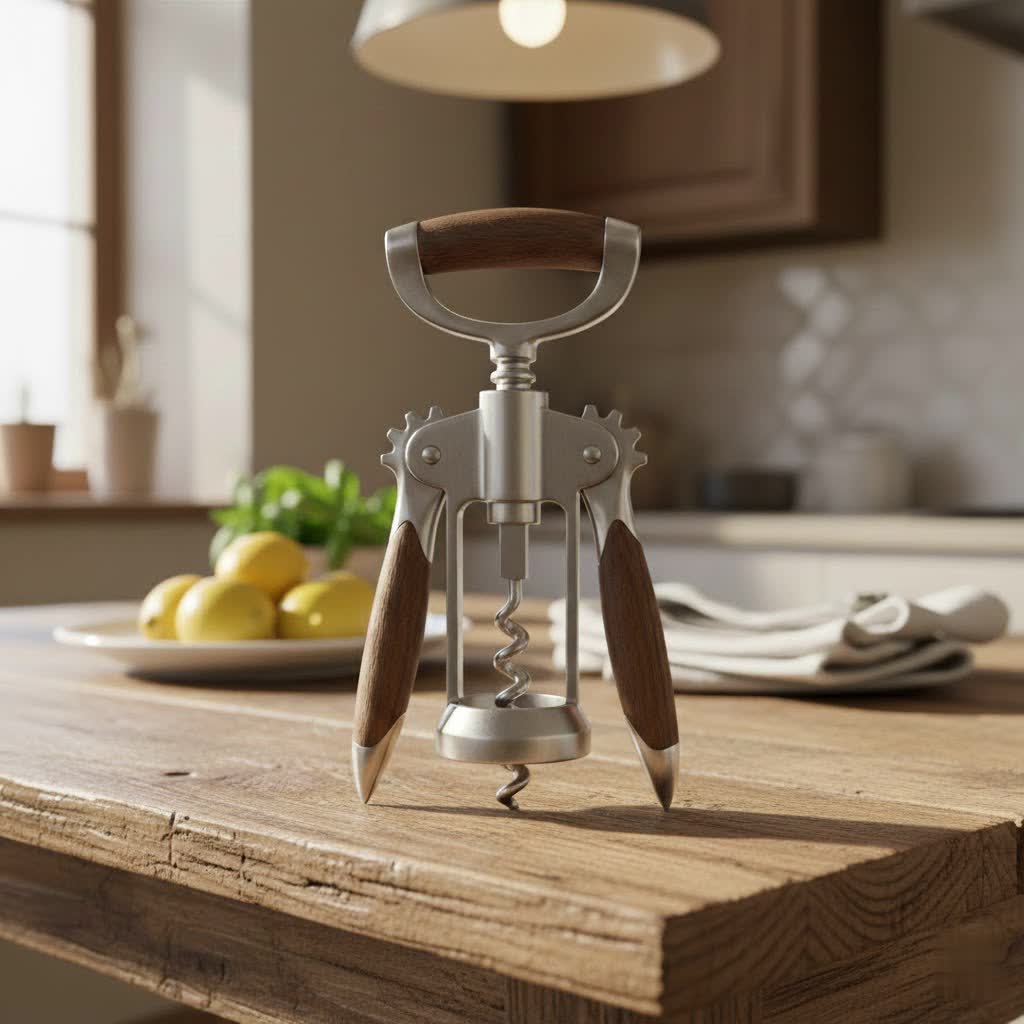
This broad category encompasses traditional manual corkscrews, including the classic “waiter’s friend” or sommelier knife, and winged corkscrews. The waiter’s friend is a compact, portable tool favored by professionals for its control and precision, typically featuring a small knife for foil cutting, a corkscrew, and a lever for leverage. Winged corkscrews have two levers that rise as the worm penetrates the cork; pushing them down extracts the cork. These manual options require more physical effort and technique than their automatic counterparts but offer a tactile connection to the wine-opening process.
Electric Wine Opener
Electric wine openers provide the ultimate in convenience, requiring virtually no physical effort. These devices are typically battery-operated (either rechargeable or using disposable batteries) and feature a simple one- or two-button operation. Place the opener on the bottle, press a button to insert the spiral and extract the cork, then press another to release the cork from the device. The Houdini Electric Corkscrew is a prominent player in this segment, lauded for its sleek design, ease of use, and ability to handle both natural and synthetic corks. While some models may be a bit noisy or occasionally struggle with particularly stubborn corks, their hands-free operation makes them ideal for individuals with limited hand strength or for hosting large gatherings.
Air Pressure Wine Opener
Air pressure wine openers use a needle that is inserted through the cork, followed by a series of pumps to inject air into the bottle. This increased air pressure then forces the cork out. While gentle on the cork, these can sometimes be slower and require careful handling to avoid over-pressurizing the bottle.
Multi-tool Wine Opener
Many wine openers, particularly manual corkscrews like the waiter’s friend, come equipped with additional functionalities such as a foil cutter, bottle opener, or even a small knife. Electric openers often come as part of a set that includes separate foil cutters, aerators, and vacuum stoppers, enhancing the overall wine-drinking experience.
Comparing Wine Opener Types
Choosing the right wine opener often comes down to balancing convenience, control, and budget. Here’s a comparative overview of common types:
| Type of Wine Opener | Advantages | Disadvantages | Price Range (Approx.) | Ease of Use |
|---|---|---|---|---|
| Lever (e.g., Houdini Lever) | Fast, effortless, clean cork extraction, ergonomic. | Can be bulky, generally higher cost. | $20 – $60 | Very Easy |
| Corkscrew (Waiter’s Friend) | Compact, portable, affordable, good control. | Requires technique, more physical effort. | $5 – $25 | Moderate |
| Electric (e.g., Houdini Electric) | Hands-free, minimal effort, fast. | Requires batteries/charging, can be noisy, sometimes struggles with older/brittle corks. | $20 – $80 | Very Easy |
| Air Pressure | Gentle on cork, no twisting/pulling. | Slower, potential for over-pressurization if not careful. | $15 – $40 | Easy |
| Winged Corkscrew | Relatively easy, good leverage. | Can be bulky, less precise than waiter’s friend. | $10 – $30 | Easy |
Factors to Consider When Buying a Wine Opener
Selecting the perfect wine opener involves more than just picking a design; several key factors should influence your decision.
Material
The materials used in a wine opener contribute significantly to its durability, aesthetics, and overall feel.
- Stainless Steel: Known for its strength, corrosion resistance, and sleek appearance, stainless steel is a common choice for high-quality wine openers, including many Houdini models. It offers excellent longevity and a professional look.
- Plastic: Often used in combination with metal components, high-quality plastics can make an opener lightweight and more affordable. However, cheaper plastics may compromise durability.
- Wood: Primarily found in traditional or decorative manual corkscrews, wood handles offer a classic aesthetic and comfortable grip but require more care to prevent drying or cracking.
Durability
A good wine opener should be a long-term investment. Look for models with solid construction, reliable mechanisms, and materials that can withstand repeated use. For instance, the Houdini Lever Corkscrew often comes with a five-year warranty and replaceable screws, indicating a commitment to lasting quality. Regular maintenance, such as cleaning the spiral of a corkscrew, can also extend its lifespan.
Ease of Use
This is often the deciding factor for many users. Electric and lever-style openers, like those from Houdini, are designed for maximum ease, requiring minimal force. If you experience hand pain, have limited dexterity, or simply prefer a quick and effortless process, these automatic or semi-automatic options are ideal. Manual corkscrews, while requiring more user input, offer greater control for seasoned wine enthusiasts.
Price
Wine openers range widely in price, from a few dollars for a basic corkscrew to over a hundred for high-end electric or specialty models. Houdini offers options across a reasonable spectrum, often providing the performance of more expensive brands at a more accessible price point. Consider your budget alongside your expected frequency of use and desired features.
Brand
Reputation matters. Brands like Metrokane (the parent company behind Houdini and Rabbit) have established themselves by producing reliable wine accessories. Choosing a reputable brand often means better build quality, reliable customer support, and a commitment to design and functionality.
Top Houdini Wine Openers You Should Consider
Houdini has carved a niche for itself by offering user-friendly and effective wine openers. Here are some of their standout options:
Houdini Electric Corkscrew (e.g., H1-04104T Model)
This battery-operated (often requiring 4 AA batteries, usually included) model is a champion of convenience. Its recessed spiral design allows it to securely lock onto the bottle neck. With a simple push of a “down” button, the corkscrew effortlessly drills into the cork and extracts it in seconds. Another press of the “up” button releases the cork from the device. It’s constructed with stainless steel components and has a sleek, often black, design that fits into any kitchen aesthetic. While it excels at opening various cork types, including synthetic ones, some users note it can be a bit loud during operation. It’s often praised for its clean cork removal and sturdy build, even without a charging stand, it can typically stand on its own.
Houdini Lever Corkscrew
Embodying the efficiency of “Rabbit” style openers, the Houdini Lever Corkscrew is designed for quick, robust uncorking. It features ergonomic handles that comfortably grip the bottle. To use, you simply place the handles over the bottle, push the lever down to engage the cork, and then pull it up to extract it. A second simple action of the lever releases the cork. This model is known for its durability, often coming with a five-year warranty and a handy foil cutter, ensuring you’re fully equipped to open any bottle with ease. Its mechanical advantage makes light work of even the most stubborn corks, preventing breakage and mess.
Tips for Using and Maintaining Your Wine Opener
Proper use and care can significantly extend the life and effectiveness of your wine opener.
- Foil Removal First: Always remove the foil cap completely before attempting to open the bottle. Many Houdini openers either come with an integrated or separate foil cutter for this purpose. Clean foil removal ensures a smooth process and prevents foil bits from falling into your wine.
- Center and Secure: For both electric and manual openers, ensure the corkscrew is perfectly centered over the cork and the opener is securely positioned on the bottle. This prevents the cork from breaking or the opener slipping. With electric models, the recessed worm often helps to lock the device in place.
- Gentle and Steady Pressure (for manual types): When using manual corkscrews, apply steady, even pressure. Avoid yanking or twisting excessively, which can damage the cork or splash wine.
- Eject the Cork Properly: For electric openers, always use the ejection feature to remove the cork from the spiral. Avoid pulling the cork off manually, as this can damage the mechanism.
- Cleaning and Storage: Most wine openers are easy to clean with a damp cloth; avoid dishwashers, especially for electric models, to protect internal components. Store your opener in a dry place to prevent rust or damage. For lever-style openers, an occasional drop of lubricant on moving parts can maintain smooth operation.
“A well-maintained wine opener is as crucial as the wine itself. It ensures a seamless experience, honoring the winemaker’s craft from the first glance to the last sip.” – Admin, reviewmunz.com
Conclusion
The Houdini Wine Opener stands out as an excellent choice for anyone seeking a blend of convenience, reliability, and elegant design in their wine accessories. Whether you opt for the effortless, one-touch operation of an electric model or the robust, leverage-driven performance of a manual lever corkscrew, Houdini offers tools that simplify the uncorking process. By considering factors like material, durability, ease of use, and specific features, you can select the perfect Houdini companion to ensure every bottle of wine is opened with “magic” and enjoyed to its fullest. Which Houdini opener will become your trusted partner in unveiling your next favorite vintage?
Câu Hỏi Thường Gặp
Does the Houdini Electric Corkscrew come with a foil cutter?
While some electric wine opener sets include a foil cutter, the core Houdini Electric Corkscrew model often does not integrate one directly. It’s a good practice to check the product description for specific inclusions, as many users find they need to purchase a separate foil cutter.
Is the Houdini Wine Opener reliable for all types of corks?
Yes, Houdini Wine Openers, particularly the electric and lever models, are designed to work effectively with both natural and synthetic corks. However, extremely old or brittle natural corks may still pose a challenge for any opener, sometimes leading to breakage.
How do I clean my Houdini Wine Opener?
For most Houdini models, especially electric ones, cleaning is simple: use a damp cloth to wipe down the exterior. Avoid submerging electric units in water or placing them in a dishwasher, as this can damage the electronic components. For manual lever models, the corkscrew spiral can be cleaned with a brush if residue builds up.
How long do the batteries last in a Houdini Electric Corkscrew?
The battery life for a Houdini Electric Corkscrew can vary depending on the model and battery type (disposable AA or rechargeable). Typically, a set of fresh AA batteries or a full charge on a rechargeable model can open between 30 to 80 bottles of wine before needing replacement or recharging.