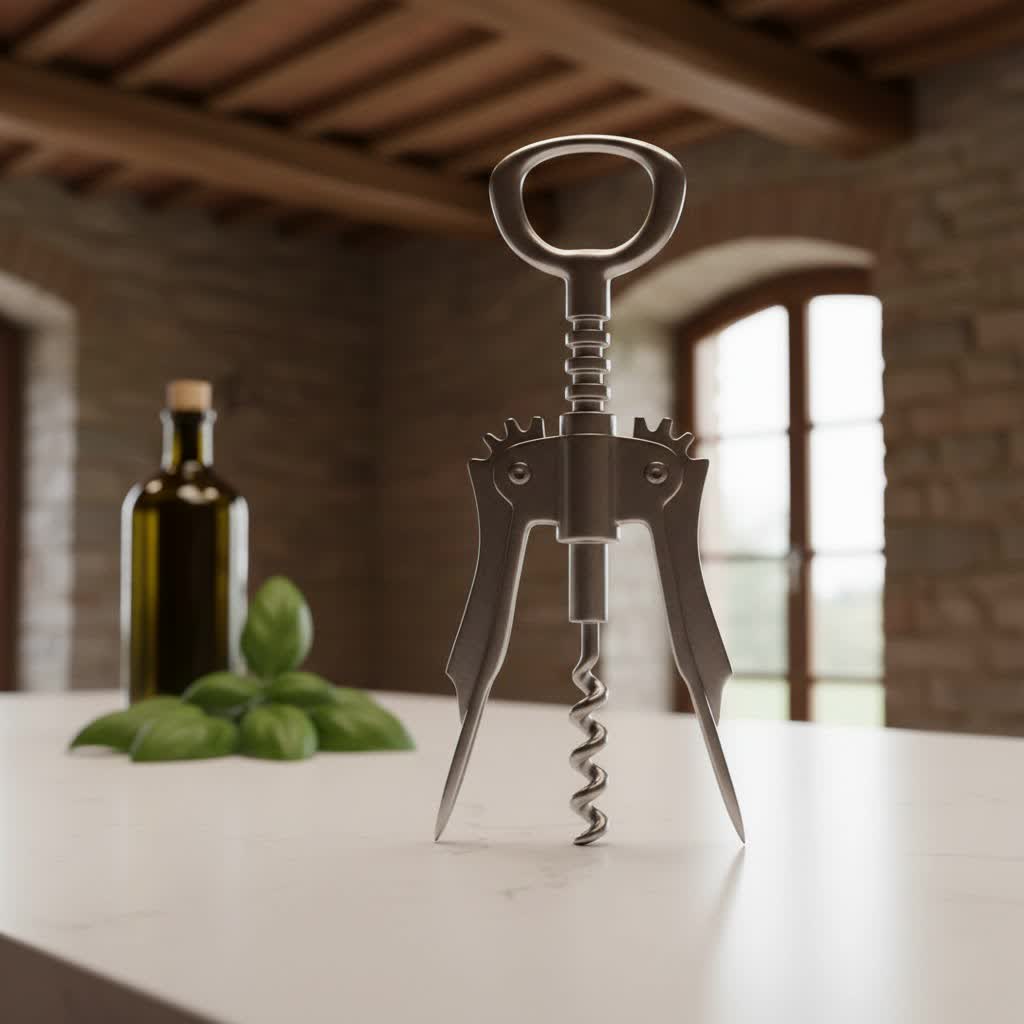
Opening a bottle of wine should be a moment of anticipation, a smooth prelude to enjoyment, not a struggle that dampens the experience. As someone who has spent over a decade immersed in the world of wine tools, testing countless designs from classic corkscrews to the latest electric innovations, I understand the frustration of a stuck cork or a flimsy opener. A quality wine opener isn’t just a gadget; it’s a vital companion for any wine lover, ensuring every bottle opens effortlessly and elegantly.
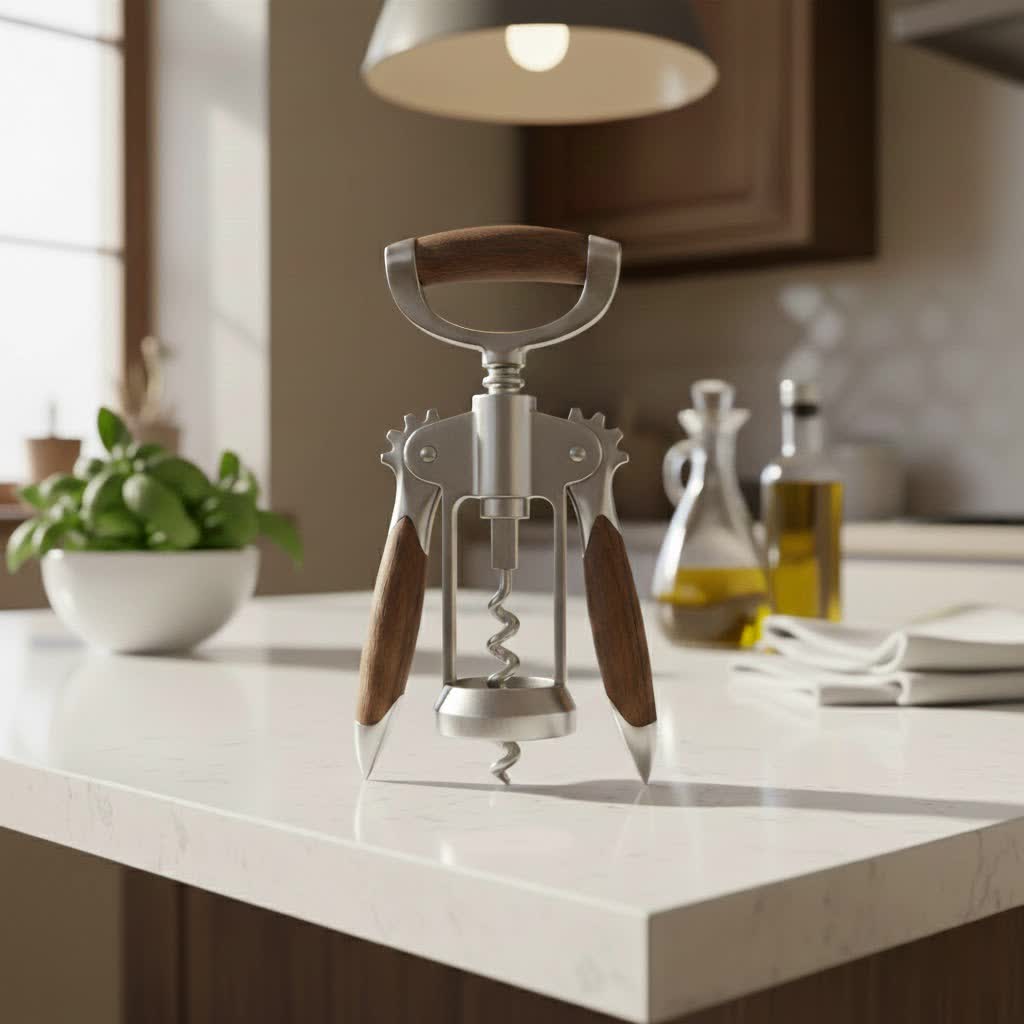
This comprehensive guide is designed to share my in-depth knowledge and hands-on experience, helping you navigate the diverse landscape of wine openers. We’ll explore the different types, weigh their pros and cons, and identify the top-rated models that truly stand out. By the end, you’ll be equipped to choose the perfect wine opener that aligns with your needs, preferences, and the joy of a perfectly uncorked bottle.
What is a Wine Opener and Why Do You Need One?
At its core, a wine opener is a tool designed to remove corks from wine bottles, allowing access to the wine within. While seemingly simple in function, its utility is profound for anyone who appreciates wine. Historically, early wine openers were rudimentary tools, often just a simple screw, evolving over centuries to address the increasing sophistication of bottle and cork designs. The development of the corkscrew as we know it today began in the 17th century, driven by the need for a reliable method to extract corks that were pushed further into bottles for better preservation.
For a true wine enthusiast, a quality wine opener is indispensable. It transforms the act of uncorking from a potential chore into an enjoyable ritual. A poorly designed or low-quality opener can damage the cork, causing pieces to fall into the wine, or even make the bottle impossible to open, wasting both the wine and the moment. A well-chosen opener, however, offers precision, ease, and durability, enhancing your overall wine experience and proving its worth with every perfect pop.
Popular Types of Wine Openers on the Market
The market offers a remarkable variety of wine openers, each with a unique design and method of operation. Understanding these differences is key to finding your ideal tool.
Waiter’s Corkscrew (Sommelier Knife)
Often regarded as the professional’s choice, the waiter’s corkscrew is compact, foldable, and highly portable. It typically features a spiral worm, a small knife for cutting foil, and a two-step lever system for leverage.
- Pros: Highly portable, precise, elegant, durable when made from quality materials, preferred by sommeliers and hospitality professionals.
- Cons: Requires a bit of technique and practice for smooth operation, can be tough on hands and wrists if not used correctly.
- How to Use: Use the small knife to cut the foil just below the lip of the bottle. Twist the corkscrew into the center of the cork until only one coil remains visible. Use the first step of the lever against the bottle rim to pull the cork halfway out, then reposition to the second step to fully extract it.
|
Our Picks for the Best Wine Opener in 2026
We may earn a commission when you use one of our links to make a purchase.
|
||
| Num | Product | Action |
|---|---|---|
| 1 | OXO SteeL Winged Corkscrew with Removable Foil Cutter |

|
| 2 | Oster Cordless Electric Wine Bottle Opener with Foil Cutter, Silver |
|
| 3 | OXO Steel Vertical Lever Corkscrew with Removable Foil Cutter |
|
| 4 | Cap Opener, Fun Bottle Opener for Parties and Gatherings, Creative Design Launches Caps at BBQs, Portable Entertainment for Outdoor Activities, Available in Red, Black, Blue |
|
| 5 | Wino Wine Key! - Professional Sommelier's Corkscrew Wine Opener |
|
| 6 | Cuisinart CWO-25 Electric Wine Opener, Stainless Steel 3.50" x 4.75" x 10.00" |
|
| 7 | KORCCI Wine Opener, Heavy-Duty Zinc Alloy Wing Corkscrew, Premium Beer Bottle Opener, Multifunctional Wine Accessories with Ergonomic Handle and Sharp Screw, for Kitchen, Bar, Restaurant, Bartenders |
|
| 8 | GORILLA GRIP BPA-Free Premium Wine Opener, Heavy Duty Zinc Alloy Wing Corkscrew, Multifunctional Bottle Openers Remove Corks, Caps, Easy Use Sharp Cork Screw, Dishwasher Safe, Holiday Essential, Black |
|
| 9 | Beneno Wine Opener, Zinc Alloy Premium Wing Corkscrew with Multifunctional Bottles Opener, Sharp Wine Corkscrew with Ergonomic Non-Slip Wing Handle, Silver |
|
| 10 | Secura Electric Wine Opener, Automatic Electric Wine Bottle Corkscrew Opener with Foil Cutter, Rechargeable (Stainless Steel) |
|
Lever Wine Opener
Lever-style openers, often known by popular brands like Rabbit, are designed for maximum ease and speed. They feature a mechanism that clamps onto the bottle neck, and a lever that, when pushed down and then pulled up, effortlessly extracts the cork.
- Pros: Extremely easy to use, requires minimal physical effort, extracts corks quickly and smoothly, good for individuals with limited hand strength.
- Cons: Can be bulky and take up more storage space, generally more expensive than manual corkscrews, some users feel it lacks the “art” of traditional uncorking.
- How to Use: Place the opener over the bottle neck, ensuring the clamp is secure. Push the lever down to insert the worm into the cork, then pull the lever up to extract the cork.
Electric Wine Opener
For the ultimate in convenience, electric wine openers automate the uncorking process. These battery-operated devices simply need to be placed over the bottle, and with the press of a button, they extract the cork.
- Pros: Effortless operation, ideal for those with arthritis or limited hand mobility, fast and often comes with a foil cutter.
- Cons: Requires charging or batteries, can be bulkier and take up counter space, generally higher priced, some models can be less reliable or occasionally mangle corks.
- How to Use: Remove the foil with the integrated or separate foil cutter. Place the electric opener vertically over the bottle. Press the “down” button to insert the worm and extract the cork, then the “up” button to release the cork from the opener.
Winged Corkscrew
A widely recognized and user-friendly option, the winged corkscrew features two levers, or “wings,” that rise as you twist the spiral into the cork. Pushing the wings down then pulls the cork out.
- Pros: Very easy to use, requires minimal technique, stable operation, often includes a built-in bottle cap opener.
- Cons: Can be poorly constructed with gears that strip over time, generally bulkier than a waiter’s corkscrew.
- How to Use: Remove the foil. Place the corkscrew over the bottle. Twist the handle to drive the worm into the cork; the wings will rise. Once the worm is fully inserted, push both wings down simultaneously to lift the cork out.
Air Pressure Wine Opener
These unique openers use a needle to pierce the cork and then inject air into the bottle, building pressure to force the cork out.
- Pros: Can be very quick, minimal physical effort, avoids cork breakage from twisting.
- Cons: Some debate about whether air injection affects the wine, risk of piercing through the cork entirely, less control than other methods.
- How to Use: Insert the needle through the cork. Pump the handle several times to inject air until the cork begins to rise. Guide the cork out as it emerges.
Ah-So Corkscrew (Two-Prong Cork Puller)
The Ah-So is a specialized tool often favored for older or fragile corks that might break with a traditional corkscrew. It features two prongs that slide down either side of the cork.
- Pros: Excellent for delicate or brittle corks, preserves cork integrity, no piercing required.
- Cons: Requires significant practice and technique to use effectively, slower than other methods.
- How to Use: Insert the longer prong between the cork and the bottle lip. Then, rock and push the shorter prong down. Once both prongs are fully inserted, twist and pull upwards to extract the cork.
Comparing Wine Opener Types
Choosing the right wine opener often comes down to balancing ease of use, durability, and personal preference. Here’s a comparative look at the main types:
| Type of Wine Opener | Pros | Cons | Price Range (Approx.) | Ease of Use | Ideal User |
|---|---|---|---|---|---|
| Waiter’s Corkscrew | Portable, precise, elegant, durable | Requires technique, can be hand-straining | $10 – $50 | Medium | Sommeliers, frequent travelers, traditionalists, those with technique |
| Lever Wine Opener | Very easy, minimal effort, quick | Bulky, more expensive | $25 – $70 | High | Home users, those valuing speed, individuals with limited hand strength |
| Electric Wine Opener | Effortless, ideal for limited mobility, fast | Requires charging, bulky, higher price | $30 – $100+ | High | Seniors, those with arthritis, tech enthusiasts, seeking ultimate convenience |
| Winged Corkscrew | Beginner-friendly, easy to grip | Can be cheaply made, gears strip, bulky | $15 – $40 | High | Casual users, beginners, those needing stability |
| Air Pressure Opener | Quick, no cork twisting | Debate over wine impact, potential for damage | $20 – $50 | Medium | Those who prioritize speed, dislike twisting, or struggle with traditional methods |
| Ah-So Corkscrew | Ideal for fragile or old corks, preserves cork | Requires skill, slow, not for beginners | $15 – $60 | Low | Collectors of aged wines, experienced enthusiasts |
Factors to Consider When Buying a Wine Opener (Buying Guide)
Selecting the best wine opener involves more than just picking the first one you see. Several key factors should influence your decision to ensure you find a tool that serves you well for years to come.
Material
The materials used in a wine opener directly impact its durability, feel, and aesthetic.
- Stainless Steel: This is a common and highly recommended material for corkscrews and mechanisms due to its excellent durability, resistance to rust, and ease of cleaning. Many top-rated models feature robust stainless steel components.
- Plastic: Often used in winged or electric openers for the body. High-quality, reinforced plastic can be durable, but cheaper plastics are prone to breaking or stripping, especially in the gears of winged corkscrews.
- Wood: Found in handles of some waiter’s corkscrews or lever openers, wood adds a classic, ergonomic, and aesthetically pleasing touch. It feels good in the hand but requires some care to maintain.
- Zinc Alloy/Other Metals: These are common for lever arms or outer casings, offering a balance of strength and affordability.
When evaluating materials, look for solid construction and a good weight, which often indicates higher quality.
Durability
A durable wine opener is a long-term investment. How can you gauge durability before buying, and how can you make it last?
- Checking Durability: In manual openers, examine the quality of the worm (the spiral). It should be strong, sharply pointed, and coated (often with Teflon) to glide smoothly without tearing the cork. For lever and winged types, inspect the gears and hinges; they should feel sturdy with no wobble. Electric openers should have a strong motor and a robust housing.
- Maintenance Tips:
- Clean after use: Wipe corkscrews clean of any cork residue to prevent build-up.
- Avoid dishwasher: Hand wash manual openers to preserve their finish and moving parts. Electric openers should never be submerged in water.
- Store properly: Keep openers dry and stored in a drawer or on a counter, away from excessive moisture, especially if they have wooden components.
- Charge electric models: Follow manufacturer guidelines for charging electric openers to maximize battery life.
Ease of Use
The ease with which you can operate a wine opener is a critical factor, especially if you open wine frequently or have specific physical considerations.
- Design and Ergonomics: A comfortable grip is essential. Handles should feel secure in your hand. Weight can also play a role; some prefer a heavier, more stable opener, while others prioritize lightweight portability.
- Size and Weight: If you travel with your wine opener or have limited storage, a compact waiter’s corkscrew is ideal. Bulkier lever or electric models might be better suited for home bar setups.
- Physical Ability: For those with arthritis, carpal tunnel, or reduced hand strength, electric or lever-style openers are often the best choice, as they require minimal effort. Traditional corkscrews demand more dexterity and strength.
Price
Wine openers come in a wide range of prices, from budget-friendly options to luxury models.
- Entry-Level ($10-$25): Good for casual use, often includes basic waiter’s corkscrews or winged openers. Quality can vary significantly here.
- Mid-Range ($25-$70): Offers a balance of quality, durability, and features. You’ll find many reliable lever and electric openers, as well as high-quality waiter’s corkscrews in this segment.
- Premium ($70+): These are often professional-grade tools, luxury electric models, or specialty items like the Durand. They feature superior materials, craftsmanship, and often come with extended warranties.
Consider how often you open wine and your budget. A mid-range opener often provides the best value, offering performance and durability without breaking the bank.
Brand Reputation
Choosing a wine opener from a reputable brand can provide peace of mind regarding quality, customer support, and reliability. Brands that consistently receive high ratings and positive reviews often have a commitment to design and functionality. Look for brands known for their wine accessories or kitchen tools. They often invest in research and development to create products that perform well and last.
Top 7 Best-Rated Wine Openers Currently
Based on extensive testing, expert reviews, and consumer feedback, here are some of the best-rated wine openers available today, catering to different preferences and needs:
-
Pulltaps/Pulltex Pulltap’s Classic Graphite Corkscrew (Waiter’s Style)
- Type: Waiter’s Corkscrew
- Key Features: Double-hinged fulcrum for extra leverage, sharp foil cutter, high-quality worm.
- Pros: Ergonomic, efficient, highly durable, favored by professionals for its smooth two-step extraction.
- Cons: Requires some practice to master.
- Ideal User: Sommeliers, wine enthusiasts, those who appreciate classic design and technique.
-
OXO Steel Double Lever Waiter’s Corkscrew (Waiter’s Style)
- Type: Waiter’s Corkscrew
- Key Features: Ergonomic handle, non-stick coated worm, integrated foil cutter, double-hinge.
- Pros: Comfortable grip, very effective foil cutter, smooth cork removal, excellent value.
- Cons: Slightly larger than some other waiter’s corkscrews.
- Ideal User: Home users, beginners looking for a high-quality, easy-to-use manual opener.
-
Rabbit Original Lever Corkscrew Wine Opener (Lever Style)
- Type: Lever Wine Opener
- Key Features: Fast lever action, durable metal construction, includes foil cutter and extra spiral.
- Pros: Opens bottles effortlessly in seconds, highly durable, compatible with most bottle sizes, excellent for those with limited hand strength.
- Cons: Bulkier than manual options, higher price point.
- Ideal User: Anyone prioritizing ease and speed, frequent entertainers, individuals with hand strength concerns.
-
Cuisinart Electric Wine Opener (Electric Style)
- Type: Electric Wine Opener
- Key Features: Cordless design, one-touch operation, built-in rechargeable battery, compact charging base.
- Pros: Effortless uncorking, charges quickly and holds a charge for many bottles (up to 50), sleek design.
- Cons: Requires charging, occupies counter space, some users report occasional cork issues.
- Ideal User: Those seeking ultimate convenience, seniors, anyone who frequently opens multiple bottles.
-
Oster Cordless Electric Wine Bottle Opener (Electric Style)
- Type: Electric Wine Opener
- Key Features: Ergonomic design, simple push-button operation, includes foil cutter, powerful motor.
- Pros: Inexpensive for an electric model, highly reliable for many users, sleek and easy to hold.
- Cons: Some reports of longevity issues or inconsistent performance.
- Ideal User: Budget-conscious buyers wanting an electric opener, casual home users, gift-givers.
-
Brabantia Tasty+ Wine Bottle Opener Corkscrew (Twist Style/Self-Pulling)
- Type: Twist-Style Corkscrew
- Key Features: Integrated foil cutter, self-pulling mechanism (cork rises as you twist), ergonomic handle.
- Pros: Very easy to use with no pulling required, smooth operation, compact for a self-pulling type.
- Cons: Can be slow if the worm isn’t sharp, plastic components might wear over time.
- Ideal User: Those who want a simple, no-fuss manual opener without the traditional “pull,” casual wine drinkers.
-
Beneno Zinc Alloy Premium Wing Corkscrew (Winged Style)
- Type: Winged Corkscrew
- Key Features: Heavy-duty zinc alloy construction, sharp worm, built-in bottle opener.
- Pros: Sturdy and durable for a winged corkscrew, easy and intuitive operation, good value.
- Cons: Still bulkier than a waiter’s corkscrew, not ideal for very old or fragile corks.
- Ideal User: Beginners, casual home users, those who prefer the stability of a winged design.
Tips for Using and Maintaining Your Wine Opener
Proper use and care can significantly extend the life of your wine opener and ensure a smooth uncorking experience every time.
Using Your Wine Opener Correctly:
- Foil Removal: Always remove the foil completely before inserting the corkscrew. Most openers come with a foil cutter; if not, a small knife works well. Cutting cleanly just below the lip prevents foil pieces from contaminating the wine.
- Centering the Worm: For corkscrews, always aim to insert the worm directly into the center of the cork. This provides even pressure and reduces the chance of the cork breaking or crumbling.
- Even Pressure: When twisting, apply consistent, steady pressure. Avoid jabbing or forcing the worm, especially with natural corks.
- Leverage is Key: For waiter’s corkscrews, utilize both steps of the lever for a smooth, controlled extraction. With lever-style openers, ensure the grips are firmly secured to the bottle neck before engaging the lever.
- Slow and Steady: Especially with older or delicate corks, a slow, gentle pull or twist is often more effective than a quick, forceful one. This minimizes cork breakage.
Maintaining Your Wine Opener for Longevity:
- Regular Cleaning: After each use, wipe down your wine opener. For manual corkscrews, ensure no cork particles are stuck in the worm or hinge mechanisms. A damp cloth is usually sufficient.
- Avoid Harsh Detergents: For most metal or plastic openers, warm water and a mild soap are best, followed by thorough drying. Harsh chemicals can damage finishes or mechanisms.
- Hand Wash Only: Unless specifically stated by the manufacturer, never put your wine opener in a dishwasher. The harsh detergents and high heat can damage materials, lubricated parts, or electronics.
- Proper Storage: Store your wine opener in a dry place. For electric models, keep them on their charging base or away from excessive moisture. Manual openers can be stored in a drawer or on a hook.
- Check for Wear: Periodically inspect the worm for any signs of dullness or bending, and check lever mechanisms for looseness. A dull worm can shred corks, while loose parts can make the opener ineffective.
> “The secret to a perfect uncorking isn’t just a great tool, but understanding its nuances. A well-maintained opener feels like an extension of your hand.” – Admin, reviewmunz.com
Conclusion
Choosing the best-rated wine opener is a personalized journey, deeply tied to your lifestyle and how you enjoy wine. Whether you favor the classic finesse of a waiter’s corkscrew, the robust efficiency of a lever model, or the modern simplicity of an electric opener, a high-quality tool significantly elevates your wine experience. We’ve explored the diverse types, highlighted their unique strengths and weaknesses, and provided a guide to selecting one based on material, durability, ease of use, and budget.
Remember, the right wine opener is not merely a gadget, but a reliable companion that ensures every bottle opens with grace and ease, preserving the integrity of the cork and the joy of the wine within. Invest wisely, care for your chosen tool, and you’ll unlock countless memorable moments. Which wine opener will become your perfect partner in uncorking life’s delicious moments?
Frequently Asked Questions
Which wine opener is easiest to use for seniors or individuals with limited hand strength?
Electric wine openers and lever-style openers are generally the easiest to use for seniors or those with limited hand strength. They require minimal physical effort and automate or greatly assist the cork extraction process, preventing strain on hands and wrists.
What is the best type of wine opener for preserving old or fragile corks?
The Ah-So corkscrew, also known as a two-prong puller, is specifically designed for preserving old and fragile corks. It gently extracts the cork without piercing it, reducing the risk of breakage that traditional corkscrews might cause.
How often should I charge my electric wine opener?
The charging frequency for an electric wine opener depends on its battery life and how often you use it. Many models can open 30-50 bottles on a single charge. It’s best to consult your specific model’s manual, but generally, charging it fully every few weeks or after significant use will keep it ready.
Can I use a regular corkscrew on synthetic corks?
Yes, most regular corkscrews, including waiter’s corkscrews and winged openers, can be used on synthetic corks. However, synthetic corks can sometimes be more challenging to extract due to their tighter fit and less compressible material, so a strong, sharp worm is beneficial.
What’s the difference between a single-hinge and double-hinge waiter’s corkscrew?
A double-hinge waiter’s corkscrew provides two points of leverage on the bottle rim, allowing for a smoother, more controlled, and easier two-step cork extraction. This typically results in less pulling force required and reduces the chance of breaking the cork compared to a single-hinge design.