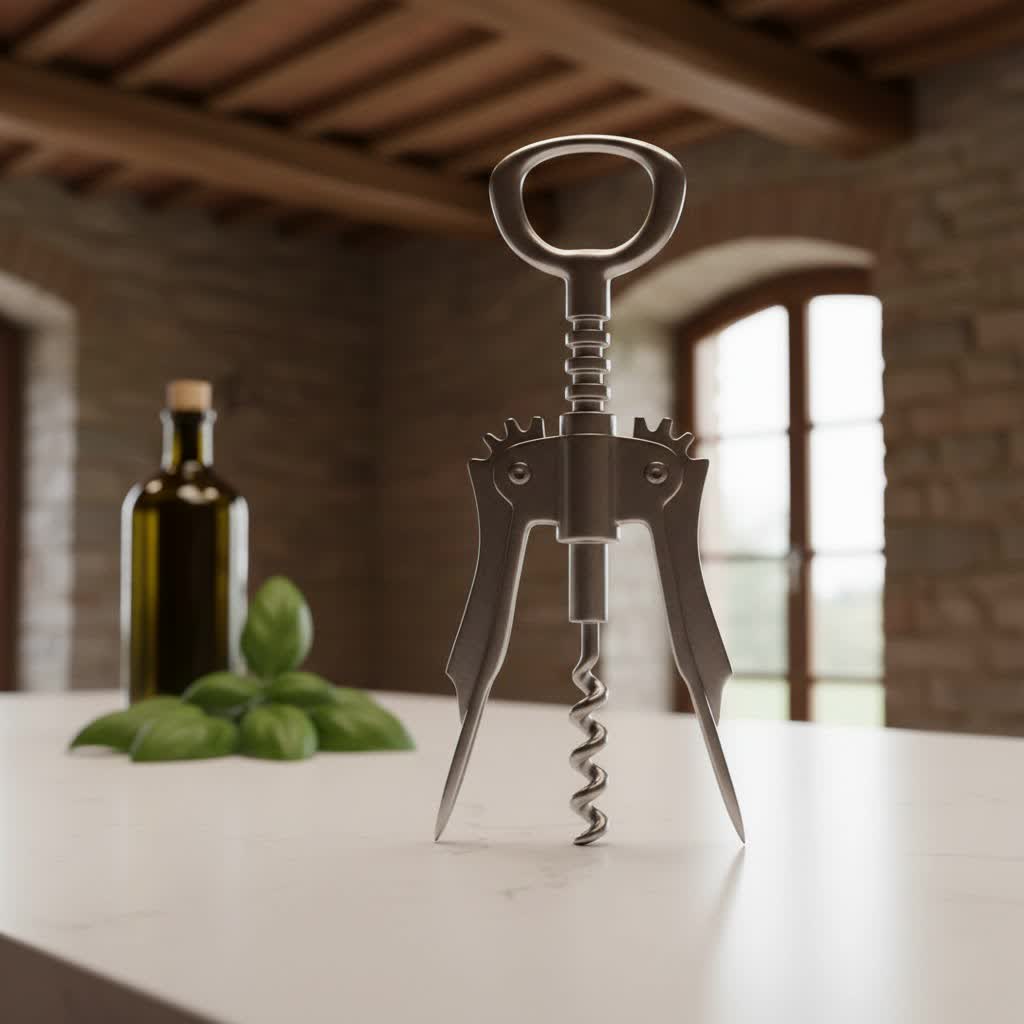
Opening a bottle of wine should be an effortless prelude to enjoyment, not a struggle. Yet, many wine enthusiasts find themselves grappling with stubborn corks, wondering if there’s a better way. With a history as rich as winemaking itself, the humble cork opener has evolved into a diverse array of tools designed to uncork your favorite vintage with ease and elegance. This guide will walk you through everything you need to know about cork openers for wine, from their fundamental purpose to selecting the ideal one for your needs.
What is a Wine Cork Opener and Why Do You Need One?
A wine cork opener, often simply called a corkscrew, is an essential tool designed to extract the cork from a wine bottle. While its primary function remains simple – getting that cork out – the “why” goes deeper. A quality cork opener ensures a clean, swift uncorking experience, preventing cork breakage, wine spillage, and unnecessary effort. For any wine lover, it’s not just about opening a bottle; it’s about preserving the integrity of the wine and enhancing the ritual of serving.
The evolution of the cork opener traces back centuries, spurred by the widespread use of cork as a bottle stopper. Early designs were rudimentary screw-pull mechanisms. Over time, ingenuity led to the development of levers, gears, and even electric motors, transforming a simple necessity into a sophisticated category of wine accessories. Owning a reliable wine cork opener is indispensable for preventing frustration, protecting your wine, and ensuring every pour is perfect.
Popular Types of Wine Cork Openers on the Market
The world of wine cork openers is surprisingly varied, with each type offering a unique blend of convenience, control, and style. Understanding these differences is key to finding your ideal wine companion.
Lever Wine Opener (Rabbit-Style)
The lever-style, often recognized by its “rabbit” ear-like handles, is a favorite for its speed and efficiency. It works by clamping onto the bottle neck, and with a simple up-and-down motion of a lever, the cork is extracted.
- Pros: Highly efficient and robust, allowing for quick cork removal with minimal effort. It significantly reduces the risk of cork breakage and is durable for frequent use.
- Cons: Can be bulkier than other types, making it less portable. Requires some hand strength for the lever action.
- How to Use: Place the opener over the bottleneck, pull the lever down to insert the worm into the cork, then lift the lever back up to smoothly remove the cork.
|
Our Picks for the Best Wine Opener in 2026
We may earn a commission when you use one of our links to make a purchase.
|
||
| Num | Product | Action |
|---|---|---|
| 1 | OXO Steel Vertical Lever Corkscrew with Removable Foil Cutter |

|
| 2 | Beneno Wine Opener, Zinc Alloy Premium Wing Corkscrew with Multifunctional Bottles Opener, Sharp Wine Corkscrew with Ergonomic Non-Slip Wing Handle, Silver |
|
| 3 | KORCCI Wine Opener, Heavy-Duty Zinc Alloy Wing Corkscrew, Premium Beer Bottle Opener, Multifunctional Wine Accessories with Ergonomic Handle and Sharp Screw, for Kitchen, Bar, Restaurant, Bartenders |
|
| 4 | Cuisinart CWO-25 Electric Wine Opener, Stainless Steel 3.50" x 4.75" x 10.00" |
|
| 5 | Secura Electric Wine Opener, Automatic Electric Wine Bottle Corkscrew Opener with Foil Cutter, Rechargeable (Stainless Steel) |
|
| 6 | Wino Wine Key! - Professional Sommelier's Corkscrew Wine Opener |
|
| 7 | OXO SteeL Winged Corkscrew with Removable Foil Cutter |
|
| 8 | GORILLA GRIP BPA-Free Premium Wine Opener, Heavy Duty Zinc Alloy Wing Corkscrew, Multifunctional Bottle Openers Remove Corks, Caps, Easy Use Sharp Cork Screw, Dishwasher Safe, Holiday Essential, Black |
|
| 9 | Cap Opener, Fun Bottle Opener for Parties and Gatherings, Creative Design Launches Caps at BBQs, Portable Entertainment for Outdoor Activities, Available in Red, Black, Blue |
|
| 10 | Oster Cordless Electric Wine Bottle Opener with Foil Cutter, Silver |
|
Corkscrew Wine Opener (Waiter’s Friend/Sommelier Knife)
The classic corkscrew, particularly the waiter’s friend or sommelier knife, is a compact and professional choice favored by hospitality experts. It features a small knife for foil cutting and a two-step lever system.
- Pros: Lightweight, portable, and highly precise for extracting corks. When made from quality materials, it is very sturdy.
- Cons: Requires a bit of technique and hand dexterity to master.
- How to Use: First, use the integrated knife to cut and remove the foil capsule. Screw the worm into the center of the cork, then use the first hinge of the lever against the bottle rim to pull the cork halfway. Reposition to the second hinge to fully extract the cork with less force.
Electric Wine Opener
For those prioritizing convenience and modern technology, the electric wine opener is an excellent choice. With the press of a button, it automatically drills into and extracts the cork.
- Pros: Extremely easy to use, requiring no physical strength or special skill. Many models are sleek and modern, often including a charging base and foil cutter.
- Cons: Relies on batteries (rechargeable or standard) and can be less portable due to size and charging needs. Typically higher in price.
- How to Use: Place the electric opener over the bottleneck, ensuring it’s centered. Press the “down” button to insert the spiral into the cork and extract it. Press the “up” button to release the cork from the device.
Air Pressure Wine Opener
The air pressure wine opener uses a needle that is inserted through the cork. By pumping air into the bottle, pressure builds, safely forcing the cork out.
- Pros: Extremely easy to use and effective, removing corks without twisting or pulling. Ideal for delicate or aged corks that might crumble with traditional corkscrews.
- Cons: In rare cases, can damage the bottle if used incorrectly or excessively.
- How to Use: Insert the needle fully through the cork. Pump the handle a few times until the cork begins to rise. Once the cork is nearly out, gently remove it by hand.
Ah-So Corkscrew (Two-Pronged Corkscrew)
The Ah-So corkscrew, also known as a two-pronged opener, is unique because it doesn’t pierce the cork. Instead, it uses two thin metal prongs that slide down between the cork and the bottle neck to gently grasp and remove the cork intact.
- Pros: Ideal for aged or fragile corks as it prevents crumbling and preserves the cork for collectors. Leaves no residue in the wine.
- Cons: Requires a specific technique that can take practice to master. Not as quick as other openers.
- How to Use: Insert the longer prong between the cork and the bottle first, then the shorter prong. Wiggle and push down until both prongs are fully inserted. Gently twist and pull upwards to extract the cork.
Comparison Table: Choosing Your Wine Cork Opener
| Type of Wine Opener | Pros | Cons | Ease of Use | Price Range (Est.) |
|---|---|---|---|---|
| Lever (Rabbit) | Fast, efficient, good for frequent use, less cork breakage. | Bulky, requires some hand strength. | Very Easy | Medium to High |
| Waiter’s Corkscrew | Portable, precise, professional, often includes foil cutter. | Requires technique/skill. | Medium | Low to Medium |
| Electric | Effortless, automatic, modern design, ideal for limited hand strength. | Battery-dependent, less portable, higher cost. | Very Easy | Medium to High |
| Air Pressure | Gentle, no cork damage, good for fragile corks. | Can potentially damage bottle if misused. | Easy | Medium |
| Ah-So | Preserves old/fragile corks, no cork piercing. | Requires practice, not fast. | Difficult (initially) | Medium |
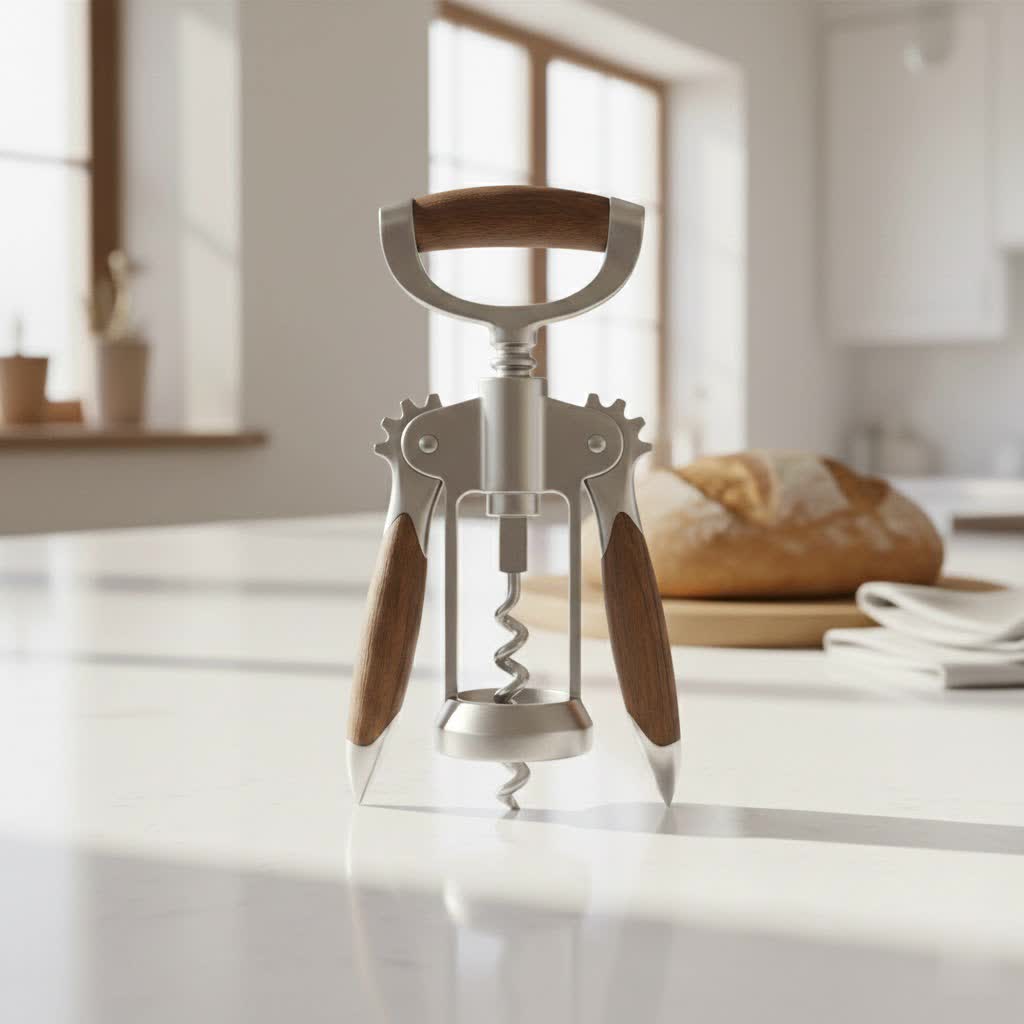
| Winged Corkscrew | Intuitive, beginner-friendly, good leverage. | Can be flimsy if low quality, less durable. | Easy | Low to Medium |
Factors to Consider When Buying a Wine Cork Opener (Buying Guide)
Choosing the right cork opener is a personal decision, influenced by your habits, preferences, and the types of wine you typically enjoy. Consider these factors to make an informed choice.
Material
The material of your wine cork opener directly impacts its durability, feel, and aesthetic.
- Stainless Steel: A popular choice for its strength, corrosion resistance, and sleek appearance. Many professional-grade corkscrews feature stainless steel components.
- Plastic/Nylon: Often used for handles or body casing in more affordable or electric models. Can be durable if high-quality, but prone to wear over time.
- Wood: Found in traditional or artisan corkscrews, offering a classic look and comfortable grip. Requires more care to maintain.
- Zinc Alloy: Commonly used for winged and lever-style openers, providing a good balance of weight and durability.
Durability
A good wine cork opener should be a long-term investment. Check for solid construction and quality components, especially the worm (the spiral part) and any pivot points or levers. A sturdy, sharp worm is crucial for cleanly penetrating corks without tearing or crumbling them. Proper storage and regular cleaning can extend the lifespan of your opener, regardless of material.
Ease of Use
This is often the most critical factor for many users.
- Electric and lever-style openers are generally the easiest, requiring minimal effort and technique. They are excellent choices for individuals with limited hand strength or arthritis.
- Winged corkscrews also offer an intuitive experience, though their effectiveness can vary.
- Waiter’s corkscrews and Ah-So openers require more practice and technique, but once mastered, they offer precise and elegant control. Choose an opener that aligns with your comfort level and physical ability.
Price
Wine cork openers range widely in price, from budget-friendly options to high-end, collector’s pieces.
- Entry-level (under $20): Often includes basic waiter’s corkscrews and winged openers. Look for reputable brands even in this range to ensure quality.
- Mid-range ($20-$50): Offers improved quality, better materials, and more robust mechanisms, including popular lever and electric models.
- Premium ($50+): Features advanced designs, luxury materials (e.g., fine wood, polished steel), and enhanced durability, often from specialized wine tool brands.
Brand
Reputable brands often signify quality, reliable performance, and good customer support. Some well-regarded brands in the wine opener market include Pulltaps, OXO, Rabbit, Peugeot, Cuisinart, and Secura. Choosing a product from an established brand can offer peace of mind regarding its design and longevity.
Top 7 Wine Cork Openers Popular Today
While personal preference always plays a role, certain wine cork openers consistently receive high marks for their performance, durability, and user experience. Here are some of the most popular types and examples often recommended:
- Pulltaps Waiter’s Corkscrew: Revered by sommeliers for its robust build, compact design, and double-hinged lever system, offering excellent control and efficiency.
- Rabbit Original Lever Corkscrew: A pioneer in the lever-style category, known for its ergonomic design and ability to extract corks in a single, fluid motion.
- OXO Steel Double Lever Waiter’s Corkscrew: Combines the classic waiter’s design with enhanced ergonomics, featuring a comfortable handle and effective foil cutter.
- Peugeot Elis Touch Electric Corkscrew: A premium electric option, admired for its sleek design, effortless operation, and ability to open multiple bottles on a single charge.
- Cuisinart Electric Wine Opener: A budget-friendly electric alternative that provides consistent performance and convenience for casual home use.
- Ah-So Cork Puller (e.g., Monopol Ah-So): Highly valued by collectors for its ability to remove old, fragile corks without piercing them, preserving their integrity.
- Brabantia Tasty+ Wine Bottle Opener Corkscrew: A reliable twist-style opener, often praised for its ease of use and simple, effective mechanism.
Tips for Using and Maintaining Your Wine Cork Opener
To ensure your wine cork opener performs optimally and lasts for years, proper usage and maintenance are crucial.
Correct Usage Tips:
- Foil Removal: Always remove the foil cleanly before attempting to extract the cork. Many waiter’s corkscrews come with a small, sharp knife for this purpose. For other types, a dedicated foil cutter is recommended.
- Center the Worm: When using a corkscrew, always aim to insert the worm directly into the center of the cork. This prevents the cork from crumbling or breaking.
- Steady Hand: Keep the bottle steady on a flat surface or held firmly between your knees (for waiter’s corkscrews) to prevent accidents.
- Twist the Corkscrew, Not the Bottle: For traditional corkscrews, turn the corkscrew, not the bottle, to insert the worm.
- Gentle Extraction: Once the corkscrew is fully inserted, extract the cork with a smooth, steady motion. Avoid jerky movements that could break the cork or cause spillage. For lever and electric openers, simply follow the device’s mechanism.
Maintenance Tips:
- Clean Regularly: After each use, wipe down your cork opener, especially the worm, to remove any cork residue or wine stains. For most, a damp cloth is sufficient.
- Hand Wash Only: Unless explicitly stated by the manufacturer, avoid putting your wine cork opener in the dishwasher, as harsh detergents and high heat can damage materials like wood, plastic, or specialized coatings.
- Dry Thoroughly: Ensure all parts are completely dry before storing to prevent rust or corrosion, particularly for metal components.
- Proper Storage: Store your cork opener in a clean, dry place, ideally in a drawer or its original casing to protect it from dust and potential damage.
- Sharpen Foil Cutters: If your opener includes a foil cutter, keep it sharp for clean cuts.
Conclusion
The journey to finding the perfect cork opener for your wine can transform your wine enjoyment from mundane to magnificent. Whether you prefer the classic precision of a waiter’s corkscrew, the effortless convenience of an electric model, or the specialized touch of an Ah-So for cherished older vintages, a high-quality tool enhances every sip. The best cork opener is ultimately one that you find easy to use, reliable, and that complements your wine-opening style. Consider the various types, materials, and features, and invest in a tool that will bring joy to countless future toasts.
What kind of wine opener will make your next bottle a breeze to open?
Frequently Asked Questions
What is the easiest wine opener to use for beginners?
Electric wine openers and lever-style (rabbit) openers are generally considered the easiest for beginners due to their automated or highly leveraged mechanisms, requiring minimal effort and no special technique. They simplify the uncorking process significantly.
Are electric wine openers reliable?
Yes, modern electric wine openers from reputable brands are very reliable and efficient. They are designed for consistent performance, extracting corks smoothly with just the push of a button. Many can open dozens of bottles on a single charge.
How do I open a wine bottle with a broken cork?
If a cork breaks, an Ah-So corkscrew is often the best solution, as its prongs can extract the fragile cork without further damage. Alternatively, carefully use a waiter’s corkscrew, inserting the worm at an angle away from the broken part, and extract very slowly. If all else fails, gently push the cork into the bottle and strain the wine if necessary.
Can I use a cork opener for synthetic corks?
Yes, most wine cork openers are designed to work effectively with both natural and synthetic corks. However, some synthetic corks can be denser and may require a bit more force, especially with manual corkscrews. Electric and lever-style openers typically handle synthetic corks with ease.
What is the “worm” on a corkscrew?
The “worm,” also known as the helix or spiral, is the metal screw-like part of a cork opener that is inserted into the cork. Its design, including its sharpness, groove spacing, and coating, is critical for gripping the cork securely and extracting it without tearing.