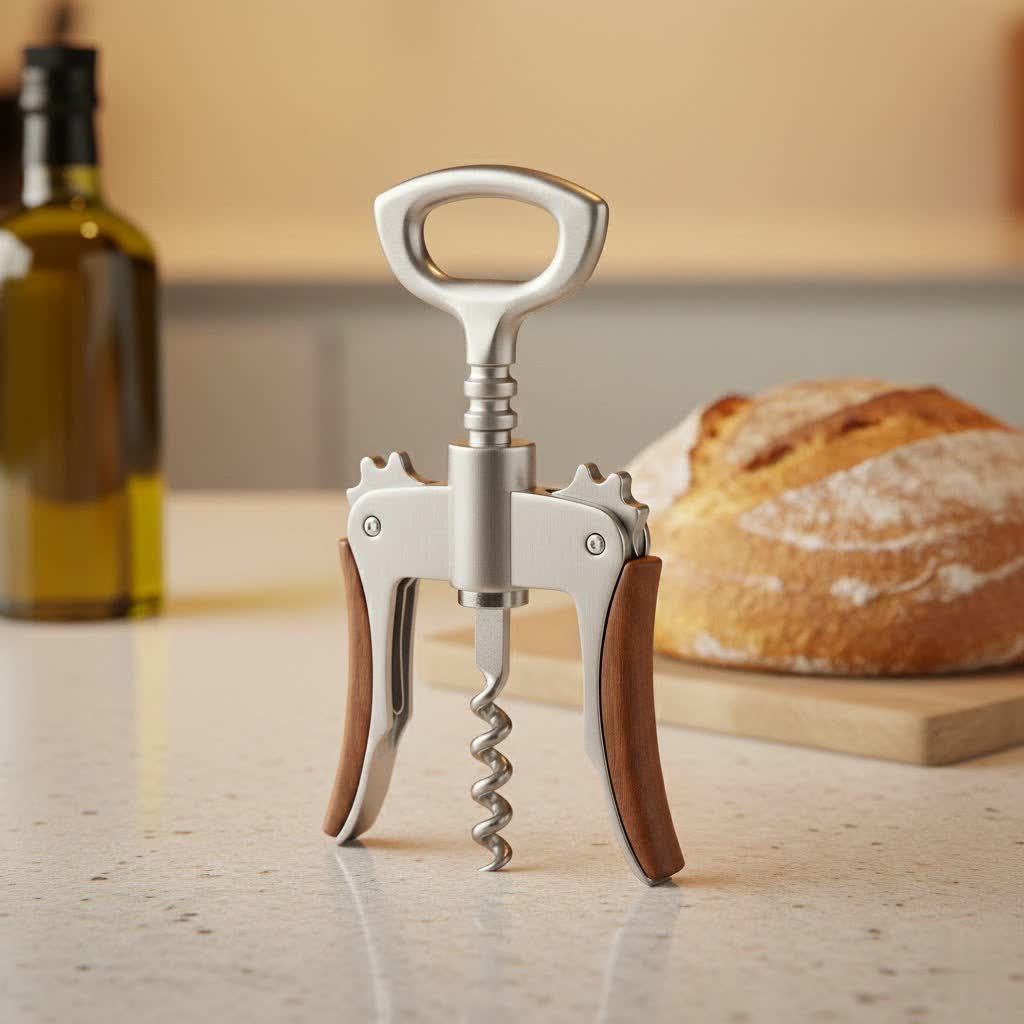
Opening a bottle of wine should be a moment of anticipation and pleasure, not a struggle. For over a decade, as an administrator for reviewmunz.com and a dedicated technician, I’ve explored the intricate world of wine openers, testing everything from classic corkscrews to the latest innovations. My mission is to share expert insights and practical advice to help you discover the perfect tool for your cellar, ensuring every pour is smooth and satisfying. Among the many ingenious designs, the air pump wine opener stands out for its unique blend of simplicity and effectiveness. Let’s delve into the world of wine openers and find the ideal companion for your vinous journeys.
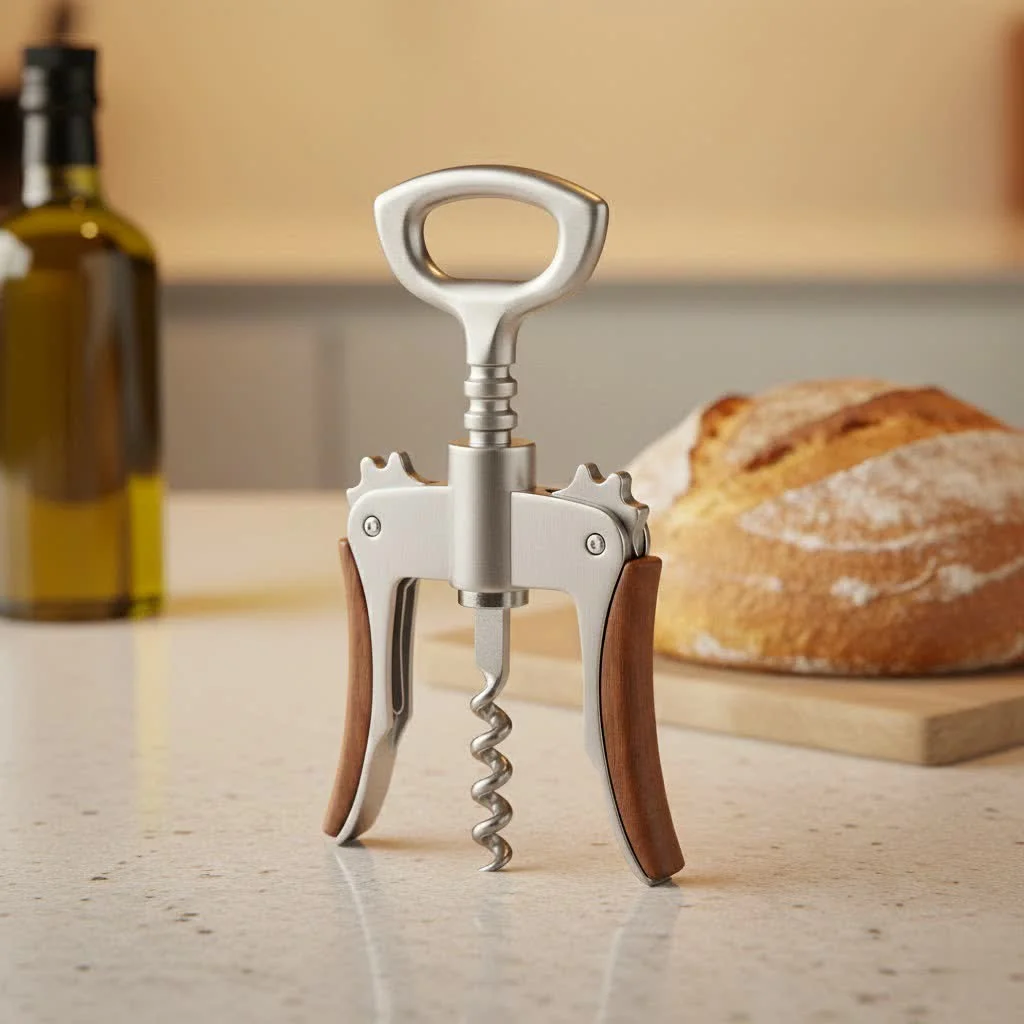
What is a Wine Opener? Why Do You Need One?
A wine opener, at its core, is a specialized tool designed to remove corks from wine bottles. Its primary function is to provide the leverage or mechanism necessary to extract a cork without damaging it or contaminating the wine, making the enjoyment of your favorite vintage accessible. The concept of uncorking wine has a rich history, evolving from simple pointed tools to the sophisticated devices we see today, all driven by the desire to preserve the wine’s integrity while making it easy to serve.
For any wine enthusiast, a quality wine opener is an indispensable item. It’s more than just a gadget; it’s the gateway to experiencing the aromas and flavors preserved within the bottle. A poor opener can lead to broken corks, frustration, and even bits of cork floating in your glass, detracting from the entire wine-drinking experience. Investing in a reliable wine opener means ensuring every bottle opens smoothly, preserving the ritual and pleasure of wine.
Popular Types of Wine Openers on the Market
The market offers a diverse array of wine openers, each with its own methodology for separating cork from bottle. Understanding the different types helps you choose the one that best fits your lifestyle and preferred level of effort.
Lever Wine Opener
Lever wine openers, often recognized by their “Rabbit” style design, use a mechanical advantage to extract corks with minimal effort. You clamp the opener onto the bottle neck, lower a lever to insert the corkscrew, and then raise the lever to pull the cork out.
- Pros: Extremely easy and quick to use, ideal for those with limited hand strength, ensures a clean pull.
- Cons: Can be bulky to store, generally higher price point, may not fit all bottle neck sizes universally.
- Usage: Place on bottle, push handle down to insert worm, pull handle up to extract cork.
Corkscrew Wine Opener
|
Our Picks for the Best Wine Opener in 2026
As an Amazon Associate I earn from qualifying purchases.
|
||
| Num | Product | Action |
|---|---|---|
| 1 | OXO Steel Vertical Lever Corkscrew with Removable Foil Cutter |

|
| 2 | Cap Opener, Fun Bottle Opener for Parties and Gatherings, Creative Design Launches Caps at BBQs, Portable Entertainment for Outdoor Activities, Available in Red, Black, Blue |
|
| 3 | Secura Electric Wine Opener, Automatic Electric Wine Bottle Corkscrew Opener with Foil Cutter, Rechargeable (Stainless Steel) |
|
| 4 | KORCCI Wine Opener, Heavy-Duty Zinc Alloy Wing Corkscrew, Premium Beer Bottle Opener, Multifunctional Wine Accessories with Ergonomic Handle and Sharp Screw, for Kitchen, Bar, Restaurant, Bartenders |
|
| 5 | Oster Cordless Electric Wine Bottle Opener with Foil Cutter, Silver |
|
| 6 | Cuisinart CWO-25 Electric Wine Opener, Stainless Steel 3.50" x 4.75" x 10.00" |
|
| 7 | OXO SteeL Winged Corkscrew with Removable Foil Cutter |
|
| 8 | GORILLA GRIP BPA-Free Premium Wine Opener, Heavy Duty Zinc Alloy Wing Corkscrew, Multifunctional Bottle Openers Remove Corks, Caps, Easy Use Sharp Cork Screw, Dishwasher Safe, Holiday Essential, Black |
|
| 9 | Wino Wine Key! - Professional Sommelier's Corkscrew Wine Opener |
|
| 10 | Beneno Wine Opener, Zinc Alloy Premium Wing Corkscrew with Multifunctional Bottles Opener, Sharp Wine Corkscrew with Ergonomic Non-Slip Wing Handle, Silver |
|
The classic corkscrew, particularly the “waiter’s friend,” is a manual, portable, and versatile tool. It consists of a worm (the metal spiral), a lever (often two-stepped), and sometimes a small knife for cutting foil.
- Pros: Compact, affordable, versatile, offers good control.
- Cons: Requires some technique and physical effort, can sometimes break corks if not used properly.
- Usage: Cut foil, twist worm into cork, use the lever(s) against the bottle rim to gradually pull the cork out.
Electric Wine Opener
Electric wine openers offer the ultimate in convenience, removing corks at the touch of a button. They are battery-operated or rechargeable and often come with a foil cutter.
- Pros: Fully automatic, effortless, stylish, can open many bottles on a single charge.
- Cons: Requires charging, can be more expensive, some find them less traditional.
- Usage: Place over the bottle, press a button to automatically insert the corkscrew and then extract the cork.
Air Pressure Wine Opener
An air pump wine opener utilizes air pressure to push the cork out of the bottle, rather than pulling it with a screw. It typically involves a needle that pierces the cork, allowing air to be pumped into the bottle’s empty space between the wine and the cork.
- Mechanism: A fine, sharp needle is inserted straight through the cork. A pumping mechanism then injects air into the bottle, increasing pressure below the cork. This internal pressure then gently yet firmly pushes the cork upwards and out of the bottle.
- Pros:
- Effortless Uncorking: Requires minimal physical exertion, making it ideal for individuals with arthritis, hand weakness, or simply those who prefer an easy method.
- Prevents Cork Breakage: By pushing the cork from below, it significantly reduces the chances of the cork crumbling or breaking, a common issue with older or more fragile corks that can happen with traditional corkscrews.
- Clean Removal: The cork often emerges intact, preventing pieces from falling into your wine.
- Speed: Once you master the technique, it can be quite fast.
- Cons:
- Sharp Needle: The exposed needle requires careful handling and storage to prevent injury.
- Loud Pop: The release of the cork can sometimes be sudden and produce a loud popping sound, which some users might find startling.
- Requires Security: It’s crucial to hold the bottle firmly while pumping to prevent it from tipping or the cork from ejecting too forcefully.
- Learning Curve: First-time users might need a moment to understand the mechanism and how many pumps are ideal for their specific cork.
- Not for Synthetic Corks: Air pump openers are generally not effective with synthetic corks, as they do not allow air to pass through them and therefore cannot create the necessary pressure difference.
- Usage: Carefully insert the needle vertically through the center of the cork until it passes through. Hold the bottle securely and pump the handle 5-10 times. The cork will gradually rise and then pop out.
Multi-tool Wine Opener
These openers combine several functions into one device, often including a corkscrew, bottle opener, and sometimes a foil cutter. The waiter’s friend is a prime example.
- Pros: Versatile, space-saving, excellent for travel and picnics.
- Cons: May require more manual effort than specialized tools, individual components might not be as robust as standalone tools.
- Usage: Varies by tool, but typically involves cutting foil, corkscrewing, and opening bottles.
Comparison Table of Wine Openers
Choosing the right wine opener often comes down to balancing ease of use, durability, and budget. Here’s a quick comparison of the main types:
| Type of Wine Opener | Pros | Cons | Price Range (USD) | Ease of Use | Durability |
|---|---|---|---|---|---|
| Lever | Very easy, quick, clean cork removal | Bulky, higher cost, may not fit all bottles | $25 – $100+ | Excellent | High |
| Corkscrew | Compact, affordable, portable, good control | Requires skill & effort, can break corks | $5 – $30 | Moderate | High |
| Electric | Effortless, fast, stylish | Needs charging, higher cost, less traditional | $20 – $80 | Excellent | Moderate |
| Air Pressure | Effortless, prevents cork breakage, clean | Sharp needle, loud pop, not for synthetic corks | $15 – $40 | High | Moderate |
| Multi-tool | Versatile, compact, good for travel | Less robust, more manual effort | $10 – $30 | Moderate | Moderate |
Factors to Consider When Buying a Wine Opener
Selecting your ideal wine opener involves more than just picking the first one you see. Consider these factors to ensure it meets your needs for years to come.
Material
The material of your wine opener impacts its durability, feel, and aesthetic.
- Stainless Steel: Pros: Extremely durable, resistant to rust and corrosion, easy to clean, often looks sleek and professional. Cons: Can be heavier.
- Plastic: Pros: Lightweight, affordable, comes in various colors. Cons: Less durable, can break or wear out more quickly, especially moving parts.
- Wood: Pros: Aesthetic appeal, comfortable grip, often used in combination with metal. Cons: Requires more care, can be susceptible to moisture damage.
Choose a material that feels good in your hand and suits your usage frequency and personal style.
Durability
A durable wine opener is a long-term investment. To assess durability, look for solid construction, tight fittings, and quality materials. Avoid openers with flimsy plastic components or loose joints. Regular cleaning and proper storage—keeping it dry and protected from impacts—will significantly extend its lifespan. For an air pump opener, ensure the needle is robust and the pump mechanism feels sturdy, as these are the key operational parts.
Ease of Use
Ease of use is paramount, especially if you open wine frequently or have limited hand strength. Consider:
- Design: Ergonomic designs with comfortable grips minimize strain.
- Size and Weight: A lighter, more compact opener might be better for travel, while a heavier, more substantial one can feel more stable at home.
- Mechanism: Decide if you prefer a fully automated experience (electric), mechanical assistance (lever, air pump), or traditional manual effort (corkscrew).
For those with physical limitations, air pump or electric openers are often the best choices due to their minimal required effort.
Price
Wine openers range widely in price, from budget-friendly corkscrews to high-end electric or lever models.
- Entry-Level ($5-$20): Typically basic corkscrews and some simpler multi-tools.
- Mid-Range ($20-$50): Includes most air pump openers, quality waiter’s friends, and some basic electric models.
- High-End ($50-$100+): Premium lever openers, advanced electric models, and specialized preservation systems.
Set a budget, but remember that a slightly higher investment often translates to better durability and a smoother user experience.
Brand
Reputable brands often signify quality, reliability, and good customer support. While less known brands can offer good value, established names in wine accessories usually adhere to higher manufacturing standards. Choosing an opener from a trusted brand provides peace of mind, knowing that it’s designed for efficiency and built to last. Researching user reviews can also offer valuable insights into a brand’s performance and longevity.
Top Air Pump Wine Openers to Consider Today
Among the various wine opener types, air pump models are gaining popularity for their efficiency and ease of use. Here are some top contenders that stand out for their quality and performance:
- Tyzine Air Pressure Pump Bottle Opener Set: This set is frequently highlighted for its comprehensive approach to wine opening. It typically includes the air pump opener itself, a foil cutter, and sometimes a wine pourer or vacuum stopper, offering a complete solution. Users praise its simple, efficient, and hassle-free method of uncorking, making it a favorite for many wine enthusiasts. Its air pump design eliminates twisting or pulling, which is particularly beneficial for those with hand issues.
- Wine Ziz Air Pressure Pump Bottle Opener: The Wine Ziz model is often recognized for its straightforward, utilitarian design and exceptional ease of use. It features a sharp needle protected by a plastic casing, ensuring safety. With just a few pumps (typically around five), the cork slides out safely with a satisfying pop. Reviewers often highlight the satisfying experience and how remarkably easy it is to operate once you understand the simple pumping action.
- Garberiel Air Pressure Wine Opener: This air pressure opener is noted for its compact size and user-friendliness. Many users appreciate its small form factor, making it easy to store and transport. It typically comes with a small foil cutter integrated into its design. The Garberiel is often praised for its ability to quickly remove corks with minimal effort, generally taking just a few pumps for new corks, making it suitable for quick bottle opening during parties or gatherings.
> “The ingenuity of the air pump wine opener lies in its gentle yet powerful force. It treats the cork with respect, making it a fantastic choice for both novice and seasoned wine drinkers who value ease and cork integrity.” – Dr. Elara Vance, Oenology & Wine Tool Expert
Tips for Using and Maintaining Your Wine Opener
Proper usage and maintenance are key to enjoying your wine opener for years to come.
For an air pump wine opener:
- Remove Foil: Always start by carefully removing the foil capsule from the bottle neck using a foil cutter.
- Insert Needle: Position the bottle on a flat, stable surface. Carefully insert the needle vertically through the center of the cork until it is completely through and visible on the other side.
- Pump Air: Hold the bottle firmly with one hand. With the other hand, pump the handle of the opener. You’ll feel resistance as air enters the bottle. Pump steadily, usually 5-10 times, until the cork starts to rise.
- Extract Cork: As the cork pushes up, maintain a firm grip on the bottle. The cork will eventually pop out. Gently slide the cork off the needle.
- Safety First: Always keep the needle protected when not in use and store it out of reach of children.
General Maintenance Tips for All Wine Openers:
- Clean Regularly: After each use, wipe down your wine opener, especially any parts that come into contact with the cork or wine. For air pump openers, ensure the needle is clean and free of cork residue.
- Dry Thoroughly: Always ensure your opener is completely dry before storing it to prevent rust (for metal parts) or mold (for wood parts).
- Proper Storage: Store your wine opener in a clean, dry place. For air pump openers, use the protective cap for the needle. Keep lever and electric openers in their designated cases or drawers to prevent damage.
- Avoid Force: If an opener feels stuck, don’t force it. Excessive force can damage the opener, the cork, or even the bottle. Re-evaluate your technique or switch to a different opener if necessary.
Conclusion
The journey through the world of wine openers reveals a fascinating blend of tradition and innovation, all dedicated to the simple pleasure of enjoying a glass of wine. From the elegant simplicity of the waiter’s friend to the modern convenience of electric models, and the gentle power of the air pump wine opener, there’s a perfect tool for every preference and skill level. The air pump wine opener, with its effortless operation and ability to preserve fragile corks, offers a unique and satisfying uncorking experience that minimizes struggle and maximizes enjoyment.
Choosing the right wine opener transforms the act of opening a bottle into an enjoyable prelude to your tasting experience. By considering factors like material, durability, ease of use, and price, you can find a reliable companion that will serve you well for many toasts to come. Which wine opener will you choose to elevate your next wine moment?
Frequently Asked Questions
Is an air pump wine opener safe to use?
Yes, commercial air pump wine openers are generally safe when used correctly. They are designed to operate within safe pressure limits to extract the cork without damaging the bottle. The key is to insert the needle properly and hold the bottle firmly during the pumping process to prevent the cork from ejecting too quickly.
Can an air pump wine opener work on all types of corks?
Air pump wine openers are highly effective on natural corks, especially older or fragile ones, as they push the cork out without tearing it. However, they are typically not suitable for synthetic or plastic corks, as these materials do not allow air to penetrate or create the necessary seal for pressure to build, rendering the air pump mechanism ineffective.
Get our weekly buyer guide
Practical specs, not advice. Unsubscribe anytime.
