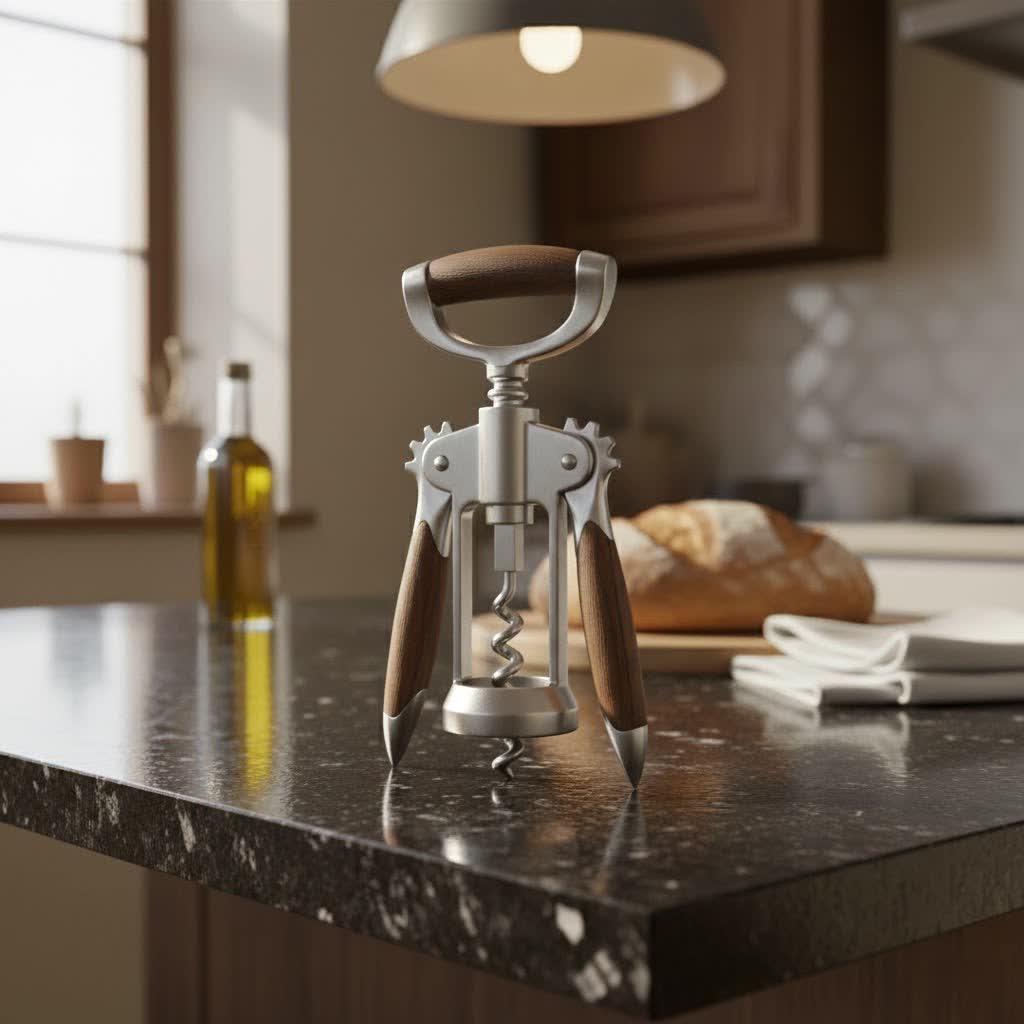
There’s a special kind of satisfaction that comes with pouring a glass of your favorite wine, a ritual that begins, of course, with opening the bottle. While countless tools promise effortless uncorking, the winged wine opener stands out as a classic, widely embraced choice for its blend of simplicity and effective leverage. Often found in home kitchens around the world, this opener is celebrated for making wine enjoyment accessible to everyone. But what exactly makes the winged wine opener such a popular companion for wine enthusiasts, and how does it compare to other options? Let’s delve into the world of this iconic wine accessory to discover if it’s the perfect fit for your wine-opening needs.
What is a Wine Opener? Why Do You Need One?
A wine opener, at its core, is a specialized tool designed to extract the cork from a wine bottle, allowing access to the liquid inside. While a simple concept, its importance cannot be overstated for anyone who appreciates wine. Historically, corks became the standard closure for wine bottles between the 17th and early 20th centuries, necessitating the invention of devices to remove them efficiently. The earliest cork-pulling gadgets, often called “bottlescrews,” featured a helical screw or “worm.” Over time, these designs evolved into the diverse range of openers we see today, each offering unique benefits. For a true wine lover, a reliable wine opener isn’t just a gadget; it’s an essential instrument that ensures a smooth, enjoyable start to every wine experience, preventing frustrating struggles with stubborn or fragile corks. For complete wine accessories library on this site.
Popular Types of Wine Openers on the Market
The world of wine openers is surprisingly diverse, offering solutions for every preference and skill level. Understanding the different types helps you appreciate the unique mechanics and appeal of each, especially the popular winged design.
Winged Wine Opener
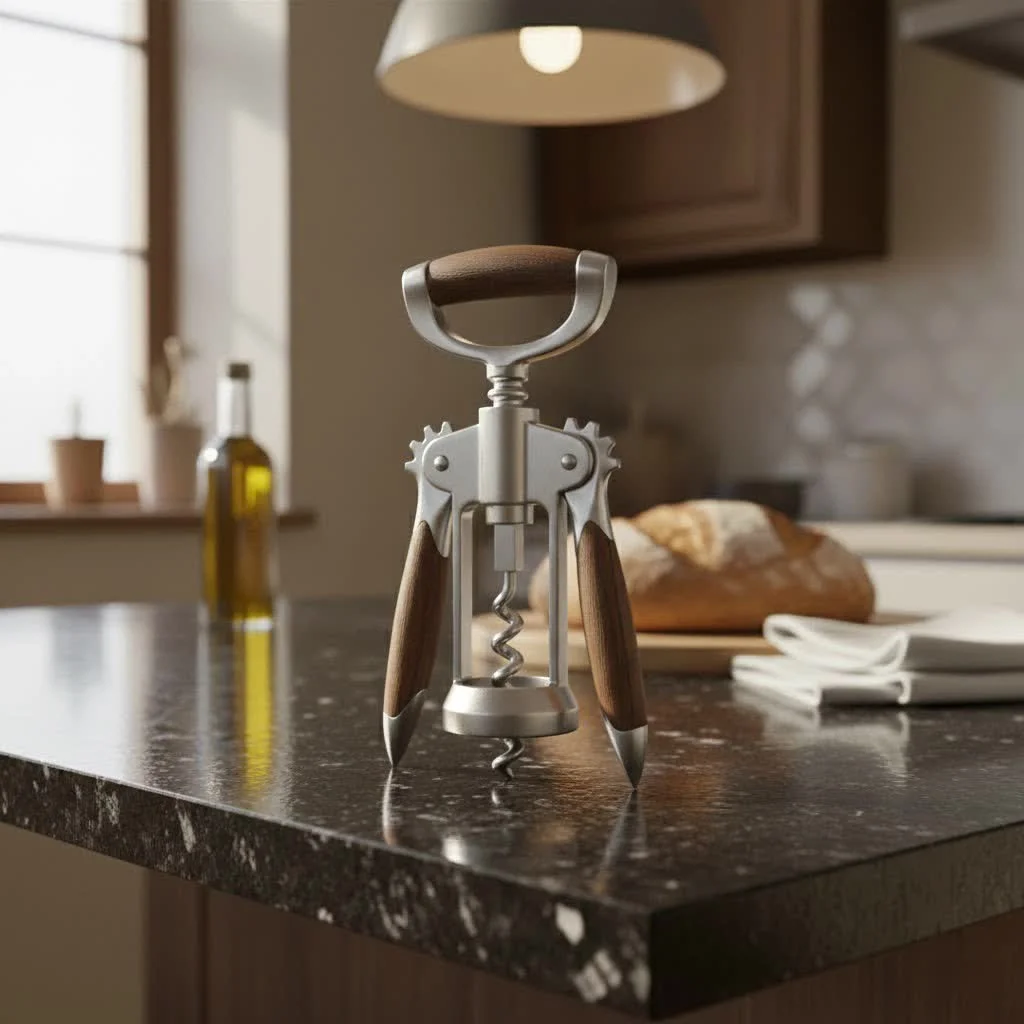
The winged wine opener, also known as a butterfly corkscrew, is arguably one of the most recognized and common corkscrews found in households. Its design features a central screw (the “worm”) flanked by two levers, or “wings.” To operate, you center the screw over the cork and twist a handle on top. As the screw penetrates the cork, a system of gears causes the two wings to gradually rise. Once fully raised, you simply press both wings down simultaneously, using the leverage created to smoothly pull the cork out of the bottle.
- Advantages: This type of opener is celebrated for its ease of use, requiring minimal strength once the initial twisting motion is complete. The mechanical advantage provided by the wings makes cork extraction feel almost effortless for many home users. They are also widely available, often affordable, and can come in aesthetically pleasing designs, making them popular for casual wine drinkers.
- Disadvantages: While user-friendly, winged wine openers are generally less portable than a waiter’s corkscrew and are not typically favored by wine professionals in restaurant settings, who often prefer the speed and one-handed operation of a wine key. Some models might struggle with very old or brittle corks, potentially causing them to crumble, and they always require setting the bottle down on a flat surface.
- How to Use: Place the central ring over the bottle neck, ensuring the worm is centered on the cork. Twist the top handle clockwise, driving the worm into the cork. As you twist, the wings will rise. Once the wings are fully extended upwards, press them down evenly and steadily to extract the cork.
Lever Wine Opener (Rabbit Corkscrew)
|
Our Picks for the Best Wine Opener in 2026
As an Amazon Associate I earn from qualifying purchases.
|
||
| Num | Product | Action |
|---|---|---|
| 1 | Oster Cordless Electric Wine Bottle Opener with Foil Cutter, Silver |

|
| 2 | OXO SteeL Winged Corkscrew with Removable Foil Cutter |
|
| 3 | Wino Wine Key! - Professional Sommelier's Corkscrew Wine Opener |
|
| 4 | Cuisinart CWO-25 Electric Wine Opener, Stainless Steel 3.50" x 4.75" x 10.00" |
|
| 5 | OXO Steel Vertical Lever Corkscrew with Removable Foil Cutter |
|
| 6 | Beneno Wine Opener, Zinc Alloy Premium Wing Corkscrew with Multifunctional Bottles Opener, Sharp Wine Corkscrew with Ergonomic Non-Slip Wing Handle, Silver |
|
| 7 | KORCCI Wine Opener, Heavy-Duty Zinc Alloy Wing Corkscrew, Premium Beer Bottle Opener, Multifunctional Wine Accessories with Ergonomic Handle and Sharp Screw, for Kitchen, Bar, Restaurant, Bartenders |
|
| 8 | GORILLA GRIP BPA-Free Premium Wine Opener, Heavy Duty Zinc Alloy Wing Corkscrew, Multifunctional Bottle Openers Remove Corks, Caps, Easy Use Sharp Cork Screw, Dishwasher Safe, Holiday Essential, Black |
|
| 9 | Cap Opener, Fun Bottle Opener for Parties and Gatherings, Creative Design Launches Caps at BBQs, Portable Entertainment for Outdoor Activities, Available in Red, Black, Blue |
|
| 10 | Secura Electric Wine Opener, Automatic Electric Wine Bottle Corkscrew Opener with Foil Cutter, Rechargeable (Stainless Steel) |
|
Lever-style openers, often referred to as “rabbit corkscrews” due to their resemblance to rabbit ears, are designed for maximum ease and speed. They employ a sophisticated lever mechanism that clamps onto the bottle neck. With a single downward push of a lever, the screw inserts into the cork, and then an upward pull extracts it swiftly.
- Advantages: These are incredibly fast and require very little physical effort, making them ideal for individuals with limited hand strength or those who open many bottles. They offer a clean, reliable cork removal.
- Disadvantages: Lever openers are typically larger, bulkier, and more expensive than other manual types. Their complex mechanism means more moving parts, which can lead to durability issues if not well-made.
- How to Use: Place the opener over the bottle neck, clamping it securely. Push the top lever down to drive the screw into the cork. Then, pull the lever back up to effortlessly remove the cork.
Corkscrew Wine Opener (Waiter’s Friend/Wine Key)
The waiter’s friend, or wine key, is the go-to choice for sommeliers and wine professionals worldwide. This compact, multi-tool opener typically features a corkscrew, a small knife for cutting foil, and a leverage point (or two) that rests on the bottle’s rim.
- Advantages: Highly portable, versatile, and with practice, very efficient for quick, clean cork removal. It offers excellent control and is durable, often made from sturdy metals.
- Disadvantages: Requires a degree of technique and hand strength to master, especially for older or stubborn corks. Beginners might find it challenging initially, risking broken corks or spillage.
- How to Use: Use the small knife to cut and remove the foil. Screw the worm into the center of the cork. Place the first leverage notch on the bottle rim and pull up the handle to partially extract the cork. Shift to the second notch (if present) for final, smooth removal.
Electric Wine Opener
Electric wine openers provide the ultimate in convenience, operating with the touch of a button. These devices use a motor to automatically insert the corkscrew and then remove the cork from the bottle.
- Advantages: Extremely easy to use, requiring virtually no physical effort, making them perfect for those with arthritis or limited mobility. They are quick and offer a modern, sleek aesthetic.
- Disadvantages: They are battery-operated and require recharging, can be bulkier, and are typically more expensive than manual options. Some critics argue they take away from the traditional ritual of opening a wine bottle.
- How to Use: After removing the foil, place the electric opener firmly on top of the bottle, ensuring it’s vertical. Press the “down” button to insert the screw and extract the cork. Press the “up” button to release the cork from the device.
Air Pressure Wine Opener
Air pressure wine openers work by inserting a needle into the cork and then pumping air into the bottle. The increased air pressure pushes the cork out, usually with a satisfying pop.
- Advantages: This method is often touted for its ability to remove corks without damaging them, making it suitable for older, more fragile corks. It requires minimal physical effort.
- Disadvantages: There’s a slight risk of damaging the bottle or cork if too much pressure is applied too quickly. The needle can sometimes be difficult to insert correctly, and they are generally less common than other types.
- How to Use: Carefully insert the needle through the center of the cork. Pump the handle several times until the cork begins to rise. Continue pumping until the cork is fully extracted.
Multi-tool Wine Opener
While many corkscrews (like the waiter’s friend) are inherently multi-tools, this category specifically refers to devices that integrate several functionalities beyond just cork removal, such as bottle cap openers, foil cutters, or even small knives for other purposes, all in one compact unit.
- Advantages: Extremely versatile and convenient, reducing the need for multiple separate tools. Great for picnics, camping, or home bars where space is limited.
- Disadvantages: The quality of each individual tool might not be as high as dedicated single-purpose tools. Can sometimes feel bulky or less ergonomic due to the integration of multiple components.
- How to Use: Varies widely depending on the specific tools integrated, but generally involves unfolding the desired tool and using it as intended.
Comparison Table of Wine Openers
Choosing the right wine opener often comes down to balancing ease of use, durability, portability, and cost. Here’s a comparison to help you weigh your options:
| Type of Wine Opener | Pros | Cons | Ease of Use | Portability | Typical Price Range |
|---|---|---|---|---|---|
| Winged | Easy to use, good leverage, common, decorative, affordable | Less portable, not professional-grade, can struggle with old corks | High | Medium | Low to Medium |
| Lever (Rabbit) | Very fast, minimal effort, clean removal | Bulky, more expensive, more moving parts can lead to durability issues | Very High | Low | Medium to High |
| Waiter’s Friend | Compact, portable, versatile (foil cutter), professional choice | Requires practice and technique, more manual effort | Medium | High | Low to Medium |
| Electric | Effortless, ideal for limited mobility, quick | Requires charging, bulky, higher cost, less traditional | Very High | Low | Medium to High |
| Air Pressure | Preserves cork integrity, minimal effort | Risk of bottle/cork damage, specific technique needed | Medium | Medium | Medium |
Factors to Consider When Buying a Wine Opener (Buying Guide)
Selecting the perfect wine opener involves more than just picking the first one you see. Considering key factors will ensure your chosen tool enhances your wine enjoyment for years to come.
Material
The material of your wine opener significantly impacts its durability, feel, and aesthetic appeal.
- Stainless Steel: A popular choice for its robustness, resistance to corrosion, and sleek appearance. Stainless steel openers, including many winged models, are often very durable and easy to clean.
- Plastic: Common in more affordable or brightly colored designs. While lighter, plastic components can be less durable over time, especially in high-stress areas like gears or levers.
- Wood: Often used for handles or decorative elements, providing a classic, warm feel. Wood requires more care to prevent drying or cracking but adds a touch of elegance.
- Zinc Alloy: Frequently found in winged wine openers, offering a good balance of strength and affordability. It’s often plated for a refined finish.
Durability
A durable wine opener is a long-term investment. To assess durability, consider the quality of the worm (the spiral screw) – it should be strong and sharp, not flimsy. Look for solid construction, tight fittings, and minimal wobbling in moving parts. For winged openers, inspect the gears and the strength of the wings.
- Mẹo bảo quản Wine Opener để kéo dài tuổi thọ: Keep your opener clean and dry after each use to prevent rust, especially for metal components. If it has moving parts, a tiny drop of food-grade lubricant occasionally can ensure smooth operation. Store it safely in a drawer to prevent accidental damage.
Ease of Use
This is often a primary consideration, especially for home users. The “easiest” opener depends on individual preferences and physical capabilities.
- Thiết kế, kích thước, trọng lượng: A well-designed opener should feel comfortable in your hand, with a balanced weight that doesn’t feel flimsy or overly heavy. Winged openers, with their symmetrical design and intuitive action, are often lauded for their straightforward operation. Electric openers are the easiest for those with dexterity issues.
- Chọn Wine Opener phù hợp với sức khỏe và khả năng của bạn: If you have hand strength limitations or arthritis, electric or lever-style openers are excellent choices. If you prefer a more tactile, traditional experience and don’t mind a little technique, a waiter’s friend is superb. For a balance of ease and manual control, the winged wine opener is a fantastic middle-ground.
Price
Wine openers come in a wide range of price points, from under $10 to over $200.
- Các phân khúc giá khác nhau của Wine Opener: Basic winged corkscrews are often very affordable, while high-end lever openers or designer waiter’s friends can be significantly more expensive. Electric models typically fall into the mid-to-high price range.
- Lựa chọn Wine Opener phù hợp với ngân sách của bạn: An affordable winged wine opener can perform excellently for casual home use. Investing a bit more often translates to better materials, smoother mechanisms, and increased longevity. Decide what features and durability are most important to you within your budget.
Brand
While a seemingly minor detail, choosing a reputable brand can offer assurance of quality, customer support, and reliability.
- Các thương hiệu Wine Opener uy tín trên thị trường: Brands like Rabbit, OXO, Pulltap’s, and Le Creuset are well-regarded in the wine accessory market. For winged openers, brands like Rabbit and OXO often receive high praise.
- Tại sao nên chọn Wine Opener từ các thương hiệu uy tín: Reputable brands typically use higher quality materials, exhibit superior craftsmanship, and stand behind their products with warranties or good customer service. This often leads to a more satisfying and frustration-free experience over the long term.
Top 3 Winged Wine Openers Praised by Enthusiasts
While many winged wine openers grace the market, a few models consistently receive high marks for their performance, durability, and user experience. Here are three top contenders that combine classic functionality with reliable design, making them excellent choices for any home bar.
-
Rabbit Wing Corkscrew
- Description: The Rabbit Wing Corkscrew often features a robust construction of durable plastic and stainless steel. It’s praised for its sturdy grip and smooth operation, fitting various bottle sizes effortlessly. Its design typically includes an anti-rotation clamp or a slip ring at the base, ensuring perfect alignment with the cork and stable entry of the worm.
- Pros: Exceptional ease of use with minimal force required. The secure fit over the bottle neck and smooth screw action make cork extraction very reliable. Many users appreciate its dishwasher-safe nature, adding to its convenience.
- Cons: While highly effective, it may lack a built-in foil cutter, requiring a separate tool for foil removal. Its size is standard for a winged opener but slightly larger than a compact waiter’s friend.
- Price: Typically in the medium price range for winged openers.
-
Beneno Zinc Alloy Premium Wing Corkscrew
- Description: This opener often boasts a heavy-duty zinc alloy construction, providing a weighty and premium feel. It’s designed for durability and strength, featuring a sharp, non-stick coated worm that glides into corks smoothly. The ergonomic handles and polished finish contribute to both its performance and aesthetic appeal.
- Pros: Its robust metal build promises longevity and a solid feel during use. The non-stick screw minimizes friction, making it easier to insert and extract the cork. The well-designed wings offer substantial leverage for effortless uncorking.
- Cons: The heavier weight might not appeal to everyone. Some users might find its traditional design less exciting than more modern electric or lever options.
- Price: Generally falls into the low to medium price range, offering great value for its sturdy build.
-
OXO Winged Corkscrew
- Description: OXO is known for its user-friendly designs, and their winged corkscrew is no exception. It often features comfortable, soft-grip handles and a sharp, non-stick coated screw for easy insertion. A notable feature in some OXO models is an integrated, removable foil cutter that snaps onto the base, ensuring it’s always handy.
- Pros: Excellent ergonomics with comfortable grips, making it very pleasant to use. The integrated foil cutter (if included) adds significant convenience. It’s highly effective at removing various types of corks with minimal effort.
- Cons: The plastic components on the handles, while comfortable, may not feel as premium as all-metal designs to some users.
- Price: Usually found in the low to medium price range, reflecting OXO’s commitment to quality and accessibility.
Tips for Using and Maintaining Your Winged Wine Opener
Mastering your winged wine opener is simple, and a few basic care tips will ensure it remains a reliable tool for years of enjoyable wine experiences.
Hướng dẫn sử dụng Wine Opener đúng cách để tránh làm hỏng nút chai và Wine Opener
Using a winged wine opener is intuitive, but precision helps prevent issues like crumbling corks or damage to your tool.
- Remove the Foil: First, use a foil cutter or a small knife to neatly cut and remove the foil from around the lip of the wine bottle. Ensure the entire foil cap is off.
- Position and Center: Place the winged opener on top of the wine bottle, ensuring the central worm is perfectly aligned with the center of the cork. The metal casing should rest securely on the bottle’s neck.
- Twist the Worm: Hold the bottle firmly with one hand (preferably on a stable surface). With the other hand, grasp the top handle of the opener and twist it clockwise. As you twist, the worm will screw into the cork, and the two wings will gradually rise upwards.
- Raise the Wings Fully: Continue twisting gently until the worm is fully inserted into the cork and both wings have risen completely to their highest point. Avoid forcing it once resistance is met, as over-twisting can damage the cork.
- Press Down to Extract: Once the wings are fully up, place your thumbs on the top of the wings and press both down simultaneously, gently but firmly. This action will leverage the cork out of the bottle.
- Remove the Cork: Once the cork is extracted, gently twist it counter-clockwise off the worm to release it from the opener.
Mẹo vệ sinh và bảo quản Wine Opener để kéo dài tuổi thọ
Proper care extends the life of any tool, and your winged wine opener is no exception.
- Clean Immediately: After each use, wipe down the worm and any parts that contacted the cork or wine with a damp cloth. This prevents cork residue from building up and keeps the screw clean and sharp.
- Dry Thoroughly: Ensure all metal components are completely dry before storing to prevent rust or corrosion. Air drying or using a clean towel works best.
- Lubrication (if needed): For openers with gears or hinges, a tiny drop of food-grade mineral oil on the moving parts every few months can ensure smooth operation.
- Proper Storage: Store your winged wine opener in a kitchen drawer or on a utensil rack where it won’t be jostled or damaged by other tools. Keeping it away from excessive heat or humidity is also beneficial.
Conclusion
The winged wine opener, with its straightforward mechanics and reliable leverage, has earned its place as a beloved tool in countless homes. While wine professionals may opt for a waiter’s friend, the winged corkscrew offers an accessible and satisfying experience for the everyday wine enthusiast, making the joy of uncorking a bottle effortlessly within reach. Its balance of ease of use, affordability, and often charming design makes it a fantastic choice for casual enjoyment and special occasions alike. By understanding its operation and giving it a little care, your winged wine opener will be a trusted companion for many memorable toasts to come.
What’s your preferred method for a perfectly uncorked bottle?
Frequently Asked Questions
Is a winged wine opener good for old corks?
While generally good for most corks, winged wine openers can sometimes struggle with very old, brittle, or fragile corks. The twisting motion and direct pull can occasionally cause older corks to break or crumble. For very old or delicate vintages, a two-pronged cork puller or an air pressure opener might be a safer choice to preserve the cork’s integrity.
What is the difference between a winged corkscrew and a waiter’s corkscrew?
The main difference lies in their mechanism and portability. A winged corkscrew uses two rising levers (wings) that are pressed down for leverage, requiring the bottle to be on a surface. A waiter’s corkscrew is a compact, often pocket-sized tool with a single or double hinge lever system that uses the bottle’s rim for leverage, allowing for one-handed operation preferred by professionals.
Can a winged wine opener also open beer bottles?
Many winged wine openers include a bottle cap opener integrated into the top handle, making them a versatile multi-tool for both wine and beer bottles. However, not all models have this feature, so it’s worth checking the specific product description if this functionality is important to you.
How do you clean a winged wine opener?
To clean a winged wine opener, simply wipe down the screw and any cork-contacting parts with a damp cloth immediately after use to remove residue. For a deeper clean, some models (especially those with stainless steel or durable plastic components) might be dishwasher safe, but hand washing and thorough drying are generally recommended to preserve its finish and mechanisms.
Are all winged wine openers the same quality?
No, the quality of winged wine openers can vary significantly across brands and price points. Higher quality models typically feature sturdy materials like zinc alloy or stainless steel, a sharp and smooth worm (often non-stick coated), and robust gearing for reliable leverage. Cheaper models might use lighter plastics or thinner metals, which could impact durability and performance over time.
Get our weekly buyer guide
Practical specs, not advice. Unsubscribe anytime.
