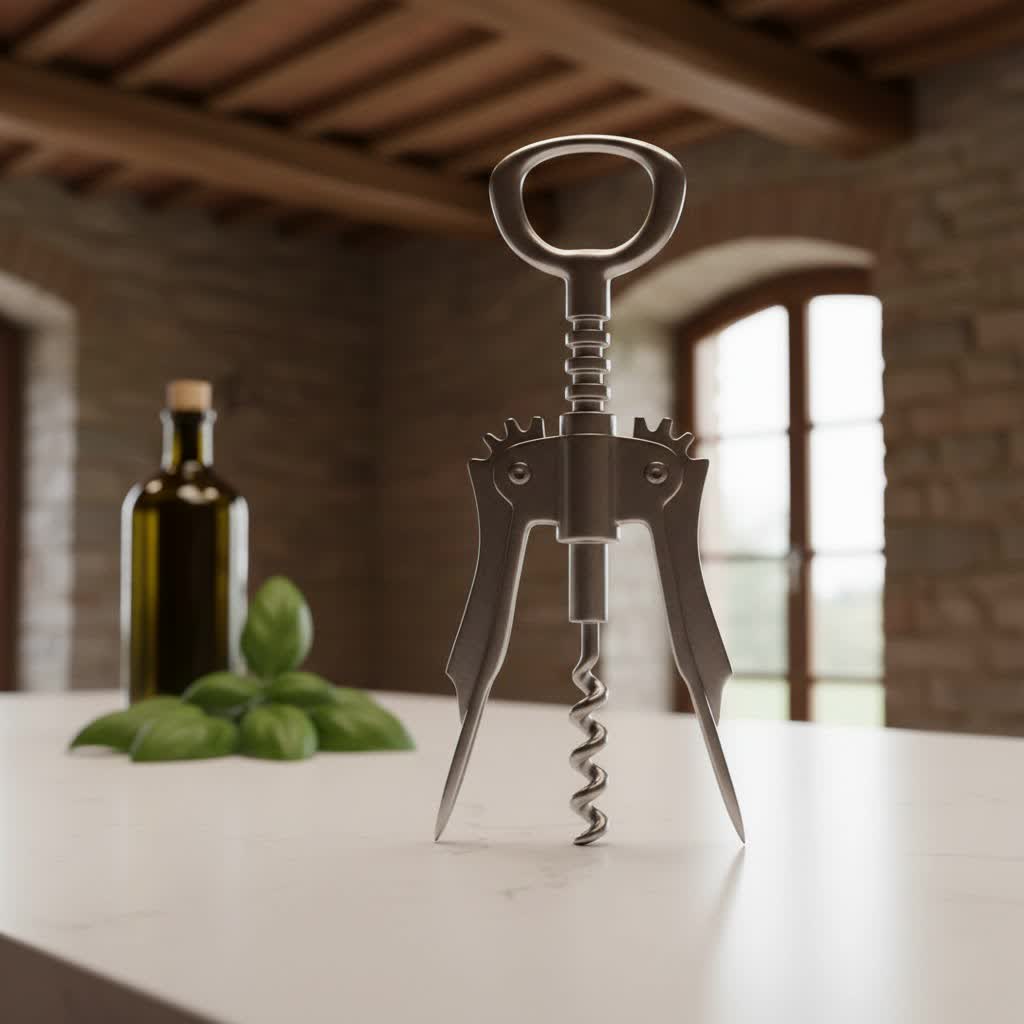
Every wine enthusiast understands that the journey to savoring a fine vintage begins even before the first sip: it starts with the uncorking. A reliable wine opener is more than just a tool; it’s a gateway to an enjoyable experience, preventing frustrating struggles with stubborn corks and preserving the integrity of your cherished bottle. While the term “Vintners Wine Opener” often evokes images of classic, robust, and perhaps even ornate mechanisms found in traditional wineries or sophisticated home bars, it encompasses a range of designs that prioritize efficiency, durability, and a touch of elegance.
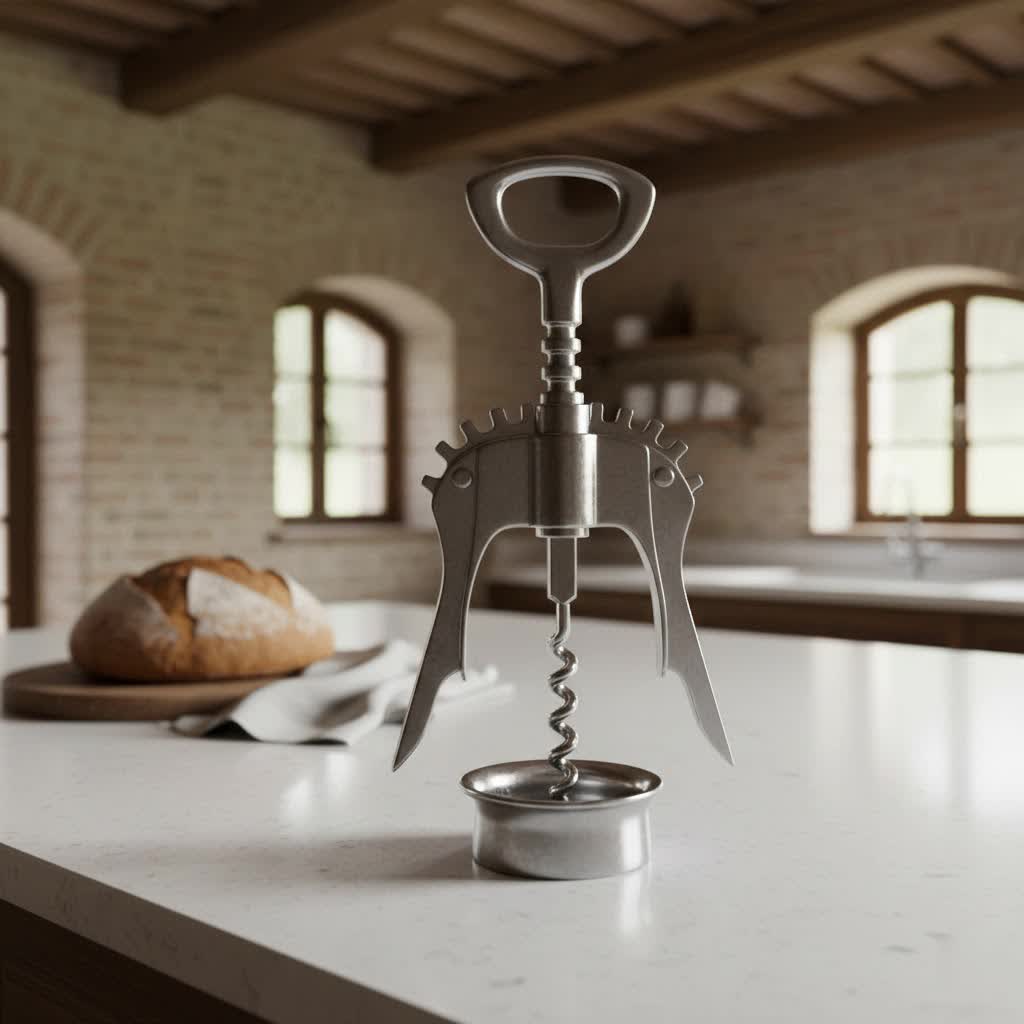
This comprehensive guide will navigate you through the diverse world of wine openers, clarifying what makes a “vintners” style unique, exploring various types, outlining essential buying considerations, and providing practical tips for use and maintenance. Whether you’re a seasoned sommelier or a casual drinker, discovering the perfect wine opener can transform your wine-opening ritual into a seamless and pleasurable prelude to your tasting experience.
What is a Wine Opener? Why Do You Need One?
A wine opener, at its core, is a device meticulously designed to extract corks from wine bottles. Its primary function ensures that a bottle can be opened cleanly and efficiently, allowing you to access and enjoy the wine within. But beyond this simple utility, a quality wine opener plays a crucial role in the overall wine experience, making it an indispensable tool for any wine lover.
The history of wine openers is deeply intertwined with the evolution of wine bottling. While wine has been enjoyed for millennia, cork stoppers only became prevalent in the 17th century, creating a new challenge: how to remove them effectively. Early corkscrews were rudimentary “bottlescrews” with a helical worm. Over centuries, these designs evolved, leading to the sophisticated and varied mechanisms we see today, each offering a unique approach to uncorking. For wine lovers, particularly those dealing with aged bottles where corks can become fragile, a quality wine opener is paramount. It prevents cork breakage and crumbling, which can taint the wine with unwanted particles and spoil the experience. A smooth extraction ensures the wine is presented as intended by the vintner, enhancing your appreciation for both the beverage and the ritual.
Popular Types of Wine Openers on the Market
The market offers a rich tapestry of wine openers, each boasting distinct mechanisms, advantages, and ideal use cases. Understanding these differences is key to finding the perfect tool for your needs.
Lever Wine Opener (Rabbit-style / Vintners Style)
Lever-style wine openers, often recognized for their “rabbit-ear” design or as substantial, mounted bar-top models, are celebrated for their effortless operation and speed. They employ a mechanical advantage, allowing you to remove corks with minimal physical exertion.
- Advantages: These openers are remarkably easy and fast to use, making them ideal for opening multiple bottles in quick succession or for individuals with limited hand strength. Many mounted versions, often referred to as “vintners” or “reserve” styles, also offer a sophisticated, traditional aesthetic, becoming a statement piece in a home bar.
- Disadvantages: Their larger size and often higher price point can be drawbacks. Portable lever openers, while still efficient, can be bulky compared to more compact options.
- How to Use: Typically, you clamp the opener onto the bottleneck, push a lever down to insert the corkscrew (worm) into the cork, then pull the lever up to extract the cork cleanly. The entire process is swift and requires little force.
|
Our Picks for the Best Wine Opener in 2026
We may earn a commission when you use one of our links to make a purchase.
|
||
| Num | Product | Action |
|---|---|---|
| 1 | OXO Steel Vertical Lever Corkscrew with Removable Foil Cutter |

|
| 2 | Oster Cordless Electric Wine Bottle Opener with Foil Cutter, Silver |
|
| 3 | Cuisinart CWO-25 Electric Wine Opener, Stainless Steel 3.50" x 4.75" x 10.00" |
|
| 4 | GORILLA GRIP BPA-Free Premium Wine Opener, Heavy Duty Zinc Alloy Wing Corkscrew, Multifunctional Bottle Openers Remove Corks, Caps, Easy Use Sharp Cork Screw, Dishwasher Safe, Holiday Essential, Black |
|
| 5 | Secura Electric Wine Opener, Automatic Electric Wine Bottle Corkscrew Opener with Foil Cutter, Rechargeable (Stainless Steel) |
|
| 6 | Wino Wine Key! - Professional Sommelier's Corkscrew Wine Opener |
|
| 7 | Beneno Wine Opener, Zinc Alloy Premium Wing Corkscrew with Multifunctional Bottles Opener, Sharp Wine Corkscrew with Ergonomic Non-Slip Wing Handle, Silver |
|
| 8 | KORCCI Wine Opener, Heavy-Duty Zinc Alloy Wing Corkscrew, Premium Beer Bottle Opener, Multifunctional Wine Accessories with Ergonomic Handle and Sharp Screw, for Kitchen, Bar, Restaurant, Bartenders |
|
| 9 | OXO SteeL Winged Corkscrew with Removable Foil Cutter |
|
| 10 | Cap Opener, Fun Bottle Opener for Parties and Gatherings, Creative Design Launches Caps at BBQs, Portable Entertainment for Outdoor Activities, Available in Red, Black, Blue |
|
Corkscrew Wine Opener (Waiter’s Friend / Twist Corkscrew)
The classic corkscrew, particularly the “Waiter’s Friend” or sommelier knife, is a timeless and widely used tool, especially favored by professionals for its portability and precision.
- Advantages: These are compact, highly portable, and generally affordable. The waiter’s friend often includes a foil cutter, making it a versatile multi-tool. It offers precise control, allowing for careful cork removal, which can be beneficial for older, more delicate corks.
- Disadvantages: Requires a certain level of technique and manual dexterity to use effectively without damaging the cork or pushing it into the bottle. It demands more effort than lever or electric models.
- How to Use: First, use the small, integrated knife to cut and remove the foil capsule. Then, twist the worm into the center of the cork until only one curl remains visible. Use the hinged lever (often with two steps) to brace against the bottle lip, gradually pulling the cork out with leverage.
Electric Wine Opener
For ultimate convenience and a modern touch, electric wine openers offer an effortless uncorking experience at the touch of a button.
- Advantages: Electric openers are incredibly easy to use, requiring virtually no manual effort or technique. They are quick and can be a fantastic option for individuals with arthritis or other hand mobility issues. Many designs are sleek and contemporary.
- Disadvantages: They rely on batteries or a power source, meaning they need to be charged. They can be less durable than their manual counterparts and are often more expensive upfront.
- How to Use: Simply place the electric opener on top of the wine bottle, ensuring it’s properly aligned. Press a button, and the device automatically drives the corkscrew into the cork and then extracts it. Some models also eject the cork automatically.
Air Pressure Wine Opener
Air pressure wine openers, also known as pneumatic corkscrews, use air to gently push the cork out of the bottle, minimizing physical strain.
- Advantages: This method can be very gentle on fragile or older corks, as there’s no twisting or pulling that might cause breakage. It’s often seen as a cleaner way to remove corks, reducing the chance of cork residue.
- Disadvantages: Improper use can potentially damage the bottle if excessive pressure is applied. They may not work as effectively on very tight or synthetic corks. They are also less common and can sometimes feel less intuitive to operate.
- How to Use: A needle is inserted through the cork. By pumping air into the bottle, the pressure builds, and the cork is slowly pushed upwards and out.
Multi-tool Wine Opener (Ah-So / Two-Pronged)
While “multi-tool” can refer to a Waiter’s Friend, another specialized category is the Ah-So, or two-pronged cork puller, which is unique in its approach.
- Advantages: The Ah-So is exceptional for very old or brittle corks because it removes the cork without piercing it, thus preserving its integrity. This is highly valued by collectors.
- Disadvantages: It requires a significant amount of skill, finesse, and often strength to use correctly. It’s not a beginner-friendly tool and can be slower than other methods.
- How to Use: The two prongs are carefully inserted between the cork and the neck of the bottle. Once fully inserted, the opener is twisted and pulled upwards, gently coaxing the cork out whole.
Comparison Table of Wine Openers
Choosing the right wine opener often comes down to balancing ease of use, durability, and cost with your personal preferences and frequency of use.
| Type of Wine Opener | Advantages | Disadvantages | Price Range | Ease of Use | Best For |
|---|---|---|---|---|---|
| Lever | Effortless, Fast, Good for volume, Elegant | Bulky, Higher cost, Less portable | $$ – $$$ | Easy | Home bars, frequent use, gifts, those seeking elegance |
| Corkscrew | Portable, Affordable, Precise, Versatile | Requires technique, Manual effort, Can break corks | $ – $$ | Moderate | Professionals, travel, casual drinkers, traditionalists |
| Electric | Effortless, Quick, Modern | Needs charging, Less durable, Higher cost | $$ – $$$ | Very Easy | Limited hand strength, modern homes, convenience |
| Air Pressure | Gentle on fragile corks, No twisting | Risk of bottle damage, Less common, Slower | $$ | Moderate | Old/fragile wines, collectors (with caution) |
| Ah-So / Two-Pronged | Preserves cork, Ideal for old/brittle corks | Requires skill/strength, Slow, Not for beginners | $$ – $$$ | Difficult | Vintage wine collectors, delicate corks |
Factors to Consider When Buying a Wine Opener (Buying Guide)
Selecting the perfect wine opener involves more than just picking a design; it’s about matching the tool to your lifestyle, frequency of use, and personal aesthetic.
Material
The material of your wine opener significantly impacts its durability, feel, and appearance.
- Stainless Steel: Pros: Highly durable, resistant to corrosion, sleek, and modern aesthetic. Cons: Can be heavier, may show fingerprints.
- Plastic: Pros: Lightweight, often more affordable, available in various colors. Cons: Less durable, can feel flimsy, not suitable for heavy-duty use.
- Wood: Pros: Offers a classic, warm, and traditional feel, often aesthetically pleasing. Cons: Requires more care, can be susceptible to moisture damage.
- Brass/Bronze: Pros: Evokes a vintage, ornate “vintners” aesthetic, very durable, develops a unique patina over time. Cons: Heavier, can be more expensive, requires occasional polishing to maintain shine. For those seeking a true “vintners wine opener” look, brass or bronze, especially in a mounted lever design, is often the material of choice.
Durability
A durable wine opener is an investment that will serve you for years. To assess durability, look for:
- Solid Construction: Components should feel robust and well-assembled, with no wobbling parts.
- Quality Worm/Spiral: The corkscrew should be made of strong, coated steel, with a sharp, non-stick spiral that can penetrate corks cleanly without bending or breaking.
- Reputable Brands: Brands known for quality craftsmanship often use superior materials and construction techniques.
Keeping your wine opener clean and storing it properly, away from excessive moisture, will