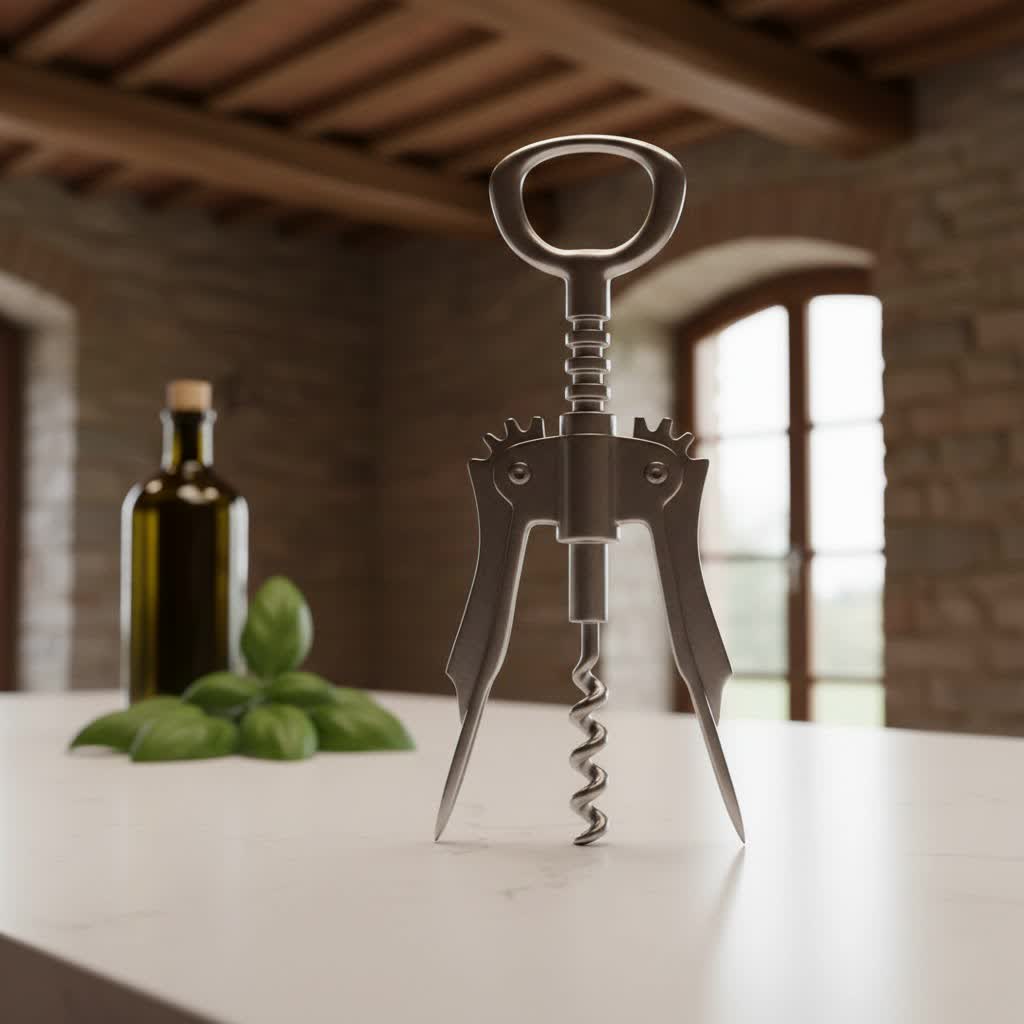
Have you ever found yourself in that slightly anxious moment, bottle in hand, battling a stubborn cork that just won’t budge? A wine opener isn’t just a simple gadget; it’s the key to unlocking enjoyment, transforming a potential struggle into a seamless experience. For any wine enthusiast, selecting a Good Wine Bottle Opener is an investment in countless pleasurable moments. This comprehensive guide will explore the diverse world of wine openers, from their fascinating history to the various types available, offering expert advice on how to choose, use, and maintain the perfect tool for your collection.
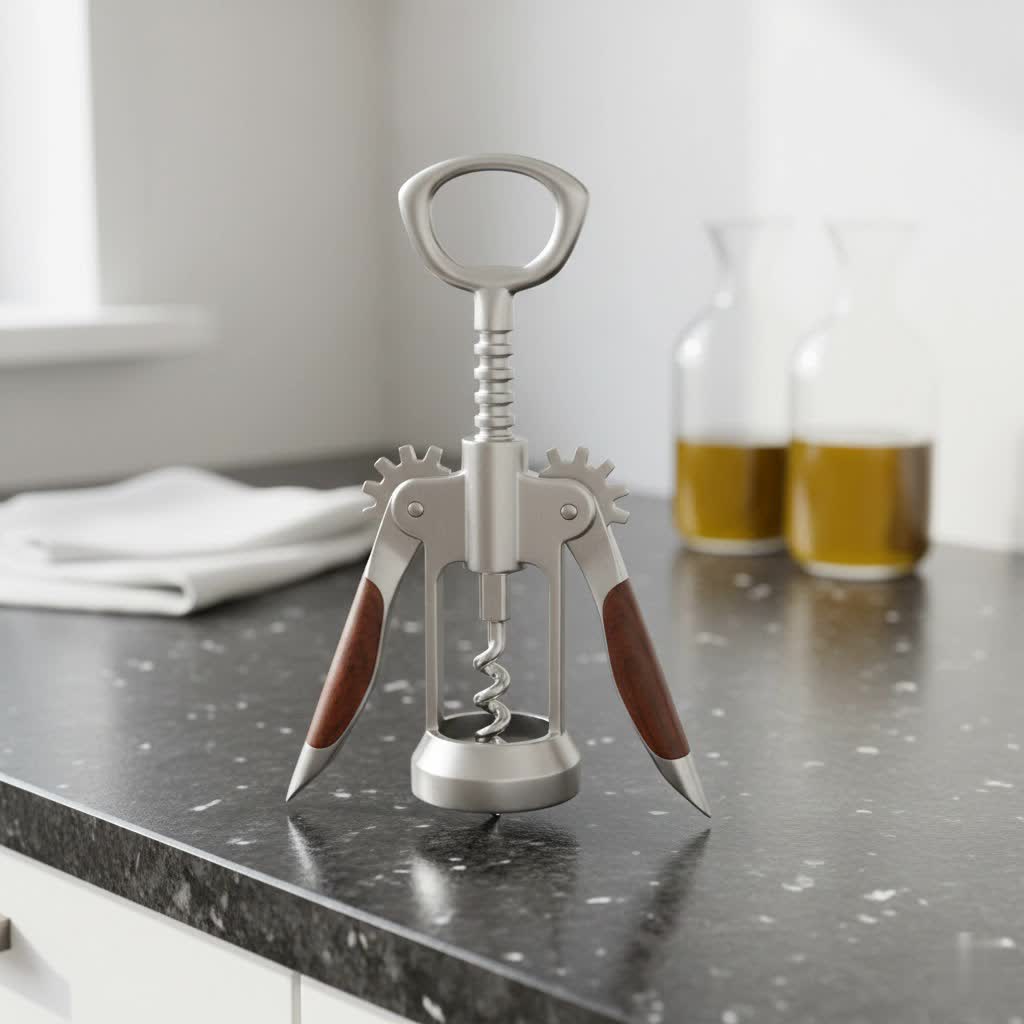
What is a Wine Opener? Why Do You Need One?
At its core, a wine opener, often interchangeably called a corkscrew, is a specialized tool designed to extract corks from wine bottles. While seemingly straightforward, this device is indispensable for anyone who enjoys wine, serving a crucial function in preserving both the wine and the cork.
The history of the corkscrew is quite intriguing, with its origins potentially stemming from the “gun worm,” a spiral tool used by soldiers in the 17th century to remove jammed musket charges. As wine began to be bottled and sealed with corks, the need for a dedicated opening tool became apparent. The first patented corkscrew emerged in 1795, credited to Reverend Samuel Henshall in England, who introduced a crucial disk that prevented the worm from penetrating too deeply and helped rotate the cork. Over centuries, these tools evolved, adapting to technological advancements and the varying needs of wine lovers.
Ultimately, a quality wine opener is essential to avoid common frustrations like a broken cork crumbling into your precious vintage, a strained wrist, or the awkward struggle of an ill-fitting device. It ensures a smooth, efficient uncorking process, allowing you to savor the ritual of opening a bottle with grace and ease.
Popular Types of Wine Openers on the Market
The market offers a wide array of wine openers, each designed with different mechanics to cater to various preferences and situations. Understanding these types is the first step toward finding your ideal companion.
Lever Wine Opener
Lever wine openers, often recognized by popular models like the “Rabbit” opener, utilize a mechanical advantage to extract corks with minimal effort.
- Pros: These openers are incredibly easy to use and remarkably fast, making them a popular choice for those who frequently open multiple bottles or desire a virtually foolproof method. They require little strength or dexterity.
- Cons: Lever-style openers are typically bulkier than other types, requiring more storage space, and they tend to be on the higher end of the price spectrum.
- How to use: Position the opener over the bottle, clamp it securely, push the lever down to insert the worm into the cork, then pull the lever up to extract the cork cleanly.
|
Our Picks for the Best Wine Opener in 2026
We may earn a commission when you use one of our links to make a purchase.
|
||
| Num | Product | Action |
|---|---|---|
| 1 | Oster Cordless Electric Wine Bottle Opener with Foil Cutter, Silver |

|
| 2 | OXO SteeL Winged Corkscrew with Removable Foil Cutter |
|
| 3 | KORCCI Wine Opener, Heavy-Duty Zinc Alloy Wing Corkscrew, Premium Beer Bottle Opener, Multifunctional Wine Accessories with Ergonomic Handle and Sharp Screw, for Kitchen, Bar, Restaurant, Bartenders |
|
| 4 | Wino Wine Key! - Professional Sommelier's Corkscrew Wine Opener |
|
| 5 | Beneno Wine Opener, Zinc Alloy Premium Wing Corkscrew with Multifunctional Bottles Opener, Sharp Wine Corkscrew with Ergonomic Non-Slip Wing Handle, Silver |
|
| 6 | Secura Electric Wine Opener, Automatic Electric Wine Bottle Corkscrew Opener with Foil Cutter, Rechargeable (Stainless Steel) |
|
| 7 | GORILLA GRIP BPA-Free Premium Wine Opener, Heavy Duty Zinc Alloy Wing Corkscrew, Multifunctional Bottle Openers Remove Corks, Caps, Easy Use Sharp Cork Screw, Dishwasher Safe, Holiday Essential, Black |
|
| 8 | OXO Steel Vertical Lever Corkscrew with Removable Foil Cutter |
|
| 9 | Cap Opener, Fun Bottle Opener for Parties and Gatherings, Creative Design Launches Caps at BBQs, Portable Entertainment for Outdoor Activities, Available in Red, Black, Blue |
|
| 10 | Cuisinart CWO-25 Electric Wine Opener, Stainless Steel 3.50" x 4.75" x 10.00" |
|
Corkscrew Wine Opener (Waiter’s Friend/Wine Key)
The waiter’s corkscrew, also known as a wine key or sommelier knife, is a classic and professional choice, favored for its portability and versatility.
- Pros: Compact, foldable, and highly portable, this type is ideal for travel or picnics. It’s also generally very affordable and often includes a small foil cutter and sometimes a bottle opener. Sommeliers and wine professionals frequently choose it for its reliability and precision, though it requires some practice.
- Cons: This opener has a learning curve and requires a certain degree of technique and dexterity to use effectively without damaging the cork.
- How to use: First, use the small knife blade to cut the foil cleanly below the bottle’s lip. Then, insert the spiral “worm” into the center of the cork, twisting it until only one turn of the worm is visible. Place the first notch of the hinged lever (fulcrum) on the bottle’s rim and pull up, then repeat with the second notch (if available) to fully extract the cork.
Electric Wine Opener
Electric wine openers offer the ultimate in convenience, making the uncorking process entirely effortless.
- Pros: These battery-powered devices are exceptionally easy to use, requiring virtually no physical effort. They are quick and ideal for individuals with limited hand strength or dexterity. Many come with built-in foil cutters.
- Cons: Electric openers typically require charging or batteries, can be bulkier than manual options, and some models may not be as durable in the long run as their manual counterparts.
- How to use: After removing the foil, place the electric opener vertically over the bottle neck. Press a button, and the corkscrew automatically drills into the cork and extracts it. Another button usually reverses the mechanism to release the cork from the opener.
Air Pressure Wine Opener
Air pressure wine openers work by injecting air into the bottle, using pressure to push the cork out.
- Pros: They involve no twisting or pulling of the cork, which can be gentler on delicate corks if used correctly.
- Cons: If not used properly, excessive pressure can damage the cork or even the bottle. They are less common and some users have safety concerns regarding compressed air.
- How to use: A needle is inserted through the cork, and air is pumped into the bottle until the cork pops out. Exercise caution to avoid over-pressurizing the bottle.
Multi-tool Wine Opener (Ah-So / Two-Prong Cork Puller)
The Ah-So opener, or two-prong cork puller, is a specialized tool particularly effective for older wines with fragile corks.
- Pros: This opener is designed to remove corks without piercing them, which is ideal for brittle or compromised corks in aged wines. It’s also great for synthetic corks.
- Cons: It has a steeper learning curve and can be challenging for beginners to master. It’s generally not recommended as a primary, everyday wine opener for all types of corks.
- How to use: Gently insert the two prongs between the cork and the bottle neck, wiggling them down until they fully embrace the cork. Then, twist and pull upwards to extract the cork.
Comparison Table of Wine Opener Types
Choosing the best wine opener depends on your personal needs, frequency of use, and budget. Here’s a quick comparison to help you decide:
| Wine Opener Type | Pros | Cons | Price Range (Approx.) | Ease of Use | Durability |
|---|---|---|---|---|---|
| Lever (Rabbit) | Easy, fast, consistent cork removal | Bulky, generally more expensive | $20 – $100+ | Very Easy | High |
| Waiter’s Corkscrew | Compact, portable, affordable, professional’s choice | Requires skill, can break cork if mishandled | $5 – $50+ | Moderate | High (with quality models) |
| Electric | Effortless, quick, ideal for limited dexterity | Requires power/charging, often bulkier, variable durability | $25 – $80+ | Very Easy | Moderate (depends on brand) |
| Air Pressure | Gentle on corks, no twisting | Potential for cork/bottle damage if misused, safety concerns | $15 – $40 | Easy | Moderate |
| Ah-So (Two-Prong) | Best for old/fragile corks without piercing | High learning curve, not ideal for all corks | $15 – $50 | Difficult | High |
Factors to Consider When Buying a Wine Opener (Buying Guide)
Selecting the perfect wine opener goes beyond just choosing a type. Several factors contribute to its overall performance, durability, and suitability for your needs.
Material
The material of your wine opener significantly impacts its durability, feel, and aesthetic.
- Stainless steel: This is a popular choice for its excellent durability, resistance to rust, and hygienic properties. Many professional-grade corkscrews feature stainless steel worms and handles.
- Plastic: Often found in more budget-friendly or electric models, plastic can make an opener lighter but may compromise long-term durability, especially for internal gears or moving parts.
- Wood: Wooden handles add a classic, elegant touch and can be comfortable to grip. However, wood requires more care to prevent drying or cracking and is not typically dishwasher safe.
Durability
A good wine opener should be built to last. Look for sturdy construction and high-quality components.
- How to check durability: Pay attention to the thickness of metal parts, the smoothness of mechanisms, and the overall feel of the opener in your hand. Avoid flimsy designs or those with excessive plastic where metal would be more appropriate for stress points.
- Maintaining longevity: Regular cleaning and proper storage are key to extending the life of any wine opener.
Ease of Use
Your personal comfort and strength should guide your choice of ease of use.
- Electric and lever-style openers are designed for maximum ease, requiring minimal physical effort.
- Waiter’s corkscrews and Ah-So openers demand more practice and technique, but once mastered, they offer precision and satisfaction.
- Consider design, size, and weight, ensuring the opener feels comfortable and balanced in your hand.
Price
Wine openers come in a wide range of prices, from a few dollars to hundreds.
- Price segments: Basic corkscrews can be very inexpensive, while high-end lever models or sommelier knives with premium materials can be quite costly.
- Value for money: For a reliable waiter’s corkscrew, spending slightly more than the absolute minimum (e.g., over $5) can ensure a tool that lasts a decade. For electric or lever models, a mid-range price often correlates with better quality and features. Choose an opener that aligns with your budget and frequency of use.
Brand
Choosing a reputable brand can offer peace of mind regarding quality, performance, and customer support.
- Trusted manufacturers: Brands like Pulltaps, OXO, Oster, Rabbit, and Laguiole are frequently cited for producing high-quality wine openers.
- Why choose reputable brands: Established brands often use better materials, employ superior engineering, and stand behind their products with warranties, ensuring a more reliable and satisfying experience.
Highly Regarded Wine Openers
While the “best” wine opener is subjective, certain types and specific models consistently earn praise from wine enthusiasts and professionals alike for their performance and reliability.
- Waiter’s Corkscrew (e.g., Pulltaps Professional, OXO Steel Double Lever Waiter’s Corkscrew): These remain a gold standard for their portability, efficiency, and the elegant control they offer. The Pulltaps Professional is often recommended for its robust construction and smooth action, while the OXO Steel Double Lever is lauded for its ergonomic design and integrated foil cutter, making it a comfortable and reliable everyday tool.
- Lever-Style Openers (e.g., Rabbit Lever Corkscrew): For those prioritizing effortless operation, the Rabbit lever corkscrew is a top contender. It’s designed for speed and consistency, making quick work of even the most stubborn corks with a simple two-step motion. Many users appreciate its durability and the sheer ease it provides, especially when opening multiple bottles.
- Electric Wine Openers (e.g., Oster Silver Electric Wine Opener, Secura Electric Wine Opener): When ease and minimal effort are paramount, electric models shine. The Oster Silver Electric Wine Opener is frequently highlighted for its one-touch functionality and sleek design, often including a foil cutter. Similarly, the Secura Electric Wine Opener is praised for its quick performance and stylish appearance. These are perfect for those who want to eliminate the physical challenge of opening wine.
Tips for Using and Maintaining Your Wine Opener
Even the best wine opener performs optimally with correct usage and consistent care. Follow these tips to ensure a long life for your tool and a perfect pour every time.
Usage Tips
- Cut the Foil Cleanly: Always remove the foil wrapper completely and cleanly, ideally below the lip of the bottle, before attempting to extract the cork. This prevents bits of foil from falling into your wine.
- Center the Screw: For corkscrews, insert the worm precisely into the center of the cork. An off-center insertion can cause the cork to break or crumble.
- Apply Steady Pressure: Whether manual or lever-style, apply steady, even pressure rather than excessive force. Jerky movements can damage the cork or even the bottle.
- Twist the Corkscrew, Not the Cork: For manual corkscrews, turn the corkscrew itself, not the bottle or the cork. This ensures the worm properly engages and pulls the cork smoothly.
- Extract Slowly and Steadily: Once the cork is mostly out, pull it the rest of the way with a slow, controlled motion. This prevents the cork from popping too loudly, potentially spilling wine, and helps keep the cork intact.
- Ah-So Technique: For two-prong openers, gently wiggle the prongs down between the cork and the bottle, rather than forcing them. Once fully inserted, a slight twist and pull will help lift the cork.
Maintenance Tips
> “Choosing materials like stainless steel and using proper maintenance extends your corkscrew’s lifespan significantly. With care, a quality corkscrew can last for years and even become a lasting part of your wine ritual.”
- Clean After Each Use: Regular cleaning prevents the buildup of wine residue, cork particles, and moisture, all of which can lead to rust and decreased performance. Rinse the worm and any soiled parts with warm water and a mild dish soap, then dry thoroughly immediately.
- Remove Rust: If rust appears on metal parts, it can often be removed using fine steel wool, a paste of baking soda and water, or white vinegar. After cleaning, apply a thin layer of food-grade mineral oil to prevent future corrosion.
- Sharpen the Worm: A dull corkscrew worm can struggle to penetrate corks cleanly, increasing the chance of breakage. If you notice it’s becoming less effective, carefully sharpen it with a small file or specialized tool.
- Proper Storage: Store your wine opener in a dry, cool place. Keeping it in a case, a soft-lined drawer, or a dedicated spot protects it from moisture, scratches, and damage.
- Electric Opener Care: For electric models, ensure batteries are charged or replaced regularly. Keep the screw hook clear of dirt, dust, or debris that might obstruct its operation.
Conclusion
Choosing a good wine bottle opener is an investment that enhances every wine-drinking experience. From the timeless elegance of a waiter’s corkscrew to the effortless power of an electric model, each type offers distinct advantages. The “best” opener is ultimately the one that aligns with your personal preferences, dexterity, and lifestyle. By considering factors like material, durability, ease of use, price, and brand, and by adhering to proper usage and maintenance, you can ensure your chosen tool provides years of reliable service. So, explore the options, find your perfect match, and elevate your wine ritual. Which wine opener will become your trusted companion for countless toasts to come?
Câu Hỏi Thường Gặp
What is the easiest wine opener to use?
Electric wine openers and lever-style (like the Rabbit) are generally considered the easiest to use, requiring minimal physical effort and making them ideal for anyone seeking convenience or with limited hand strength.
Which wine opener do sommeliers prefer?
Professional sommeliers and bartenders most frequently prefer the waiter’s corkscrew (or wine key) due to its compact size, versatility, precision, and ability to handle various corks with skill and control.
How do I open an old wine bottle with a fragile cork?
For older wines with fragile or brittle corks, the Ah-So (two-prong cork puller) is highly recommended. It extracts the cork without piercing it, reducing the risk of breakage and crumbling.
How often should I clean my wine opener?
It’s best practice to clean your wine opener after each use by rinsing it with warm water and mild soap, then thoroughly drying it. This prevents wine residue buildup and rust, ensuring optimal performance and longevity.
Can a cheap wine opener be good?
Yes, particularly with waiter’s corkscrews. While some very cheap models can be flimsy, a well-made basic waiter’s corkscrew can be highly effective and durable, lasting many years if cared for properly.