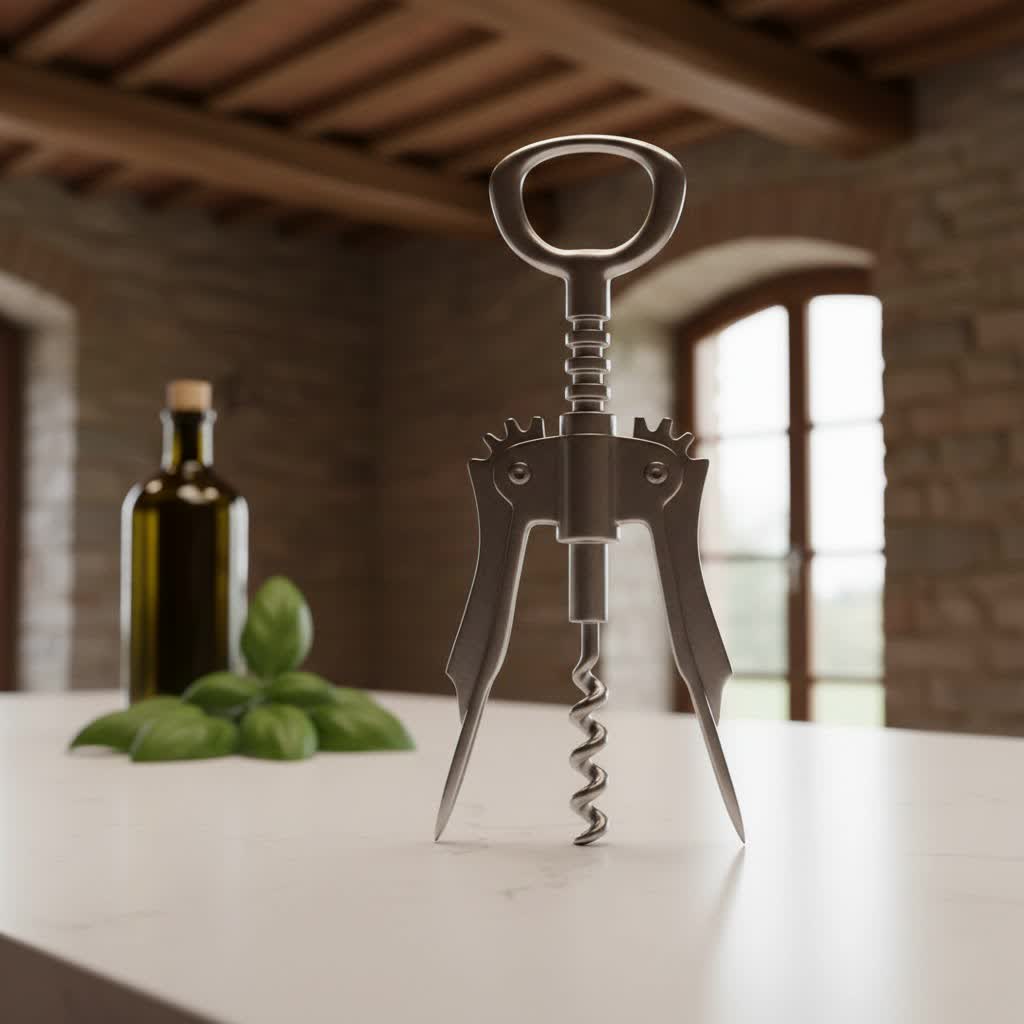
For any wine enthusiast, the moment of uncorking a bottle is an act of anticipation, a prelude to enjoyment. Yet, a challenging cork can quickly turn that anticipation into frustration. This is where the right wine opener becomes more than just a tool; it becomes an indispensable companion, promising smooth, satisfying access to your favorite vintages. Among the myriad options available, the Waiters Wine Opener, often hailed as the “waiter’s friend” or “wine key,” stands out as a timeless, professional, and remarkably effective choice. Whether you’re a seasoned sommelier or simply enjoy a quiet glass at home, mastering this elegant device will transform your wine-opening experience, making every bottle accessible with grace and ease.
What is a Wine Opener? Why Do You Need One?
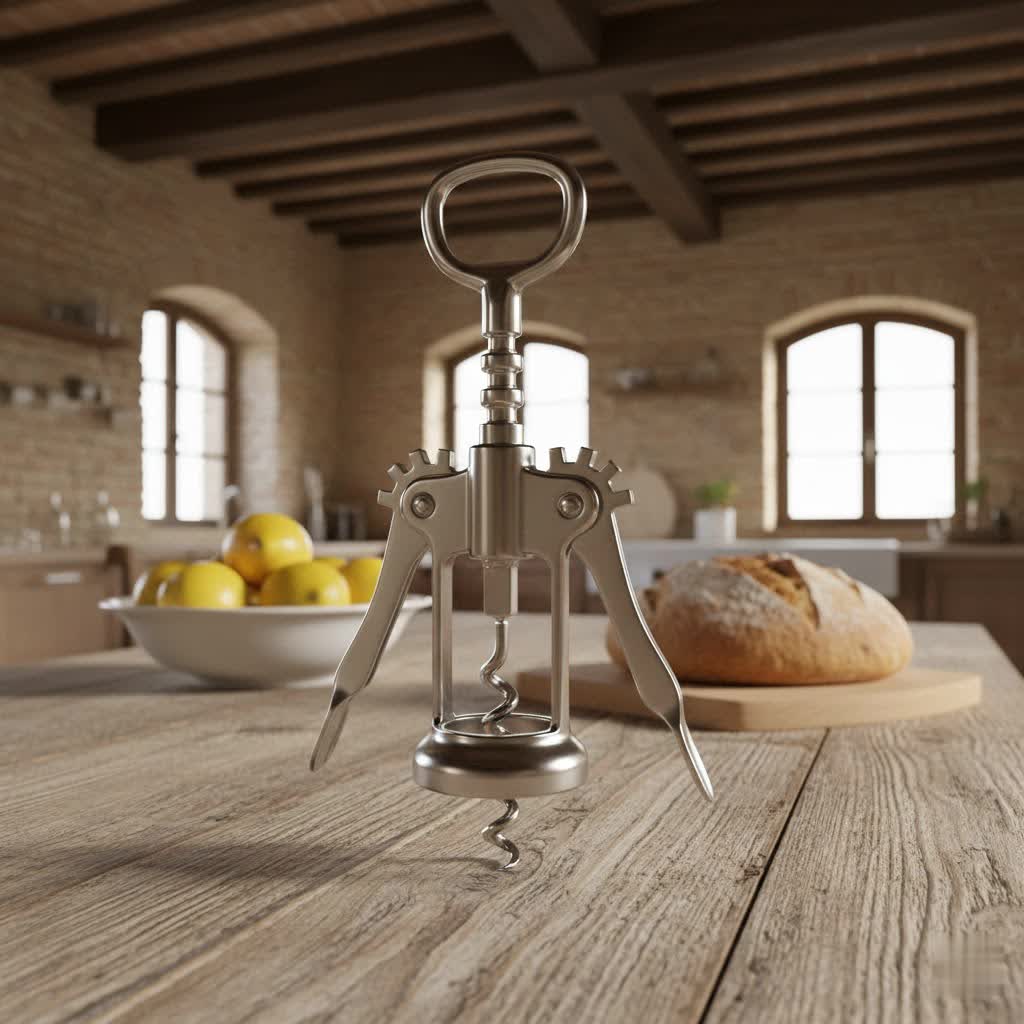
A wine opener is any device designed to extract corks from wine bottles. Its primary function is to provide leverage and a secure grip, allowing you to remove a cork without damaging it or struggling unnecessarily. While the concept seems simple, the evolution of wine openers reflects centuries of ingenuity dedicated to perfecting this crucial task.
The history of the corkscrew itself dates back to the 17th century, likely derived from a “gun worm” tool used to remove unspent charges from musket barrels. As glass bottles and corks became the standard for wine storage, a dedicated tool was clearly needed. The first patented corkscrew emerged in 1795, an innovation by Reverend Samuel Henshall that significantly improved the extraction process. However, it was the German inventor Carl Wienke in 1882 who introduced the revolutionary folding corkscrew design that would become known as the “waiter’s friend.” This compact, multi-functional tool quickly became the industry standard for its portability and efficiency.
For anyone who appreciates wine, a quality wine opener is not merely a convenience; it’s a necessity. It prevents cork breakage, which can ruin a bottle, and allows for a dignified, controlled opening, enhancing the entire ritual of wine service. A well-designed opener ensures that the focus remains on the wine itself, not on the struggle to open it.
Popular Types of Wine Openers on the Market
The market offers a diverse range of wine openers, each with its unique mechanism and appeal. Understanding these types can help you choose the best tool for your specific needs, whether it’s for everyday use or special occasions.
Lever Wine Opener
Lever wine openers, often called “rabbit” corkscrews due to their distinct appearance, use a sophisticated lever mechanism to pull corks with minimal effort.
- Pros: Extremely easy and quick to use, requiring little strength. Ideal for those with limited hand strength or arthritis. Provides a dramatic and often satisfying uncorking action.
- Cons: Often bulky and expensive. Can be prone to mechanical failure over time if not well-made. Less portable than other types.
- Usage: Position the opener over the bottle, clamp it securely, lower the lever to insert the worm, then raise the lever to extract the cork.
|
Our Picks for the Best Wine Opener in 2026
We may earn a commission when you use one of our links to make a purchase.
|
||
| Num | Product | Action |
|---|---|---|
| 1 | KORCCI Wine Opener, Heavy-Duty Zinc Alloy Wing Corkscrew, Premium Beer Bottle Opener, Multifunctional Wine Accessories with Ergonomic Handle and Sharp Screw, for Kitchen, Bar, Restaurant, Bartenders |

|
| 2 | Oster Cordless Electric Wine Bottle Opener with Foil Cutter, Silver |
|
| 3 | OXO Steel Vertical Lever Corkscrew with Removable Foil Cutter |
|
| 4 | Beneno Wine Opener, Zinc Alloy Premium Wing Corkscrew with Multifunctional Bottles Opener, Sharp Wine Corkscrew with Ergonomic Non-Slip Wing Handle, Silver |
|
| 5 | Wino Wine Key! - Professional Sommelier's Corkscrew Wine Opener |
|
| 6 | Cuisinart CWO-25 Electric Wine Opener, Stainless Steel 3.50" x 4.75" x 10.00" |
|
| 7 | Secura Electric Wine Opener, Automatic Electric Wine Bottle Corkscrew Opener with Foil Cutter, Rechargeable (Stainless Steel) |
|
| 8 | GORILLA GRIP BPA-Free Premium Wine Opener, Heavy Duty Zinc Alloy Wing Corkscrew, Multifunctional Bottle Openers Remove Corks, Caps, Easy Use Sharp Cork Screw, Dishwasher Safe, Holiday Essential, Black |
|
| 9 | Cap Opener, Fun Bottle Opener for Parties and Gatherings, Creative Design Launches Caps at BBQs, Portable Entertainment for Outdoor Activities, Available in Red, Black, Blue |
|
| 10 | OXO SteeL Winged Corkscrew with Removable Foil Cutter |
|
Corkscrew Wine Opener (The Waiters Wine Opener)
The corkscrew, particularly the waiters wine opener, is the classic choice for professionals and home enthusiasts alike. It combines a corkscrew, a foil cutter, and a lever in a compact, folding design. It is also known as a sommelier knife or wine key.
- History: As mentioned, the folding design was patented by Carl Wienke in 1882, quickly becoming popular for its practicality. The term “wine key” is even believed to be a mispronunciation of “Wienke.”
- Pros: Highly portable and compact, fitting easily into a pocket or drawer. Versatile, combining a foil cutter and often a bottle opener. Offers a high degree of control over the cork extraction, making it suitable for delicate or aged corks. Considered the most professional and elegant method of opening wine.
- Cons: Requires practice and technique to use effectively. Can be challenging for beginners or those with limited hand strength.
- Usage: (Detailed steps provided later in “Tips for Using and Maintaining Your Waiters Wine Opener”)
Electric Wine Opener
Electric wine openers provide a modern, automated approach to uncorking wine, removing the cork with the push of a button.
- Pros: Exceptionally easy to use, requiring no manual effort. Fast and efficient. Often come with sleek, contemporary designs.
- Cons: Relies on batteries (rechargeable or disposable), which can run out. Less portable than a waiter’s friend. Can be expensive. May not work as effectively on synthetic or brittle corks.
- Usage: Place the electric opener over the bottle, press a button to activate the corkscrew, which automatically drills into and extracts the cork.
Air Pressure Wine Opener
Air pressure wine openers use a needle to inject air into the bottle, building pressure that pushes the cork out.
- Pros: Very easy on corks, reducing the risk of breakage, especially for older, fragile corks. No twisting or pulling required.
- Cons: Can be slow. Risk of damaging the cork if too much air is pumped too quickly. Some wine enthusiasts argue it affects the wine. Not ideal for synthetic corks.
- Usage: Insert the needle through the cork, pump air until the cork rises out of the bottle.
Multi-tool Wine Opener
While many wine openers offer multiple functions, the term “multi-tool wine opener” often refers to devices that integrate bottle openers, foil cutters, and sometimes even other utility tools beyond just the corkscrew function. The waiters wine opener is an excellent example of a multi-tool, seamlessly combining a foil cutter, corkscrew, and leverage system.
- Pros: Convenience of having several tools in one compact unit.
- Cons: Quality of individual tools can vary. Some designs may feel less ergonomic for specific tasks.
- Usage: Varies depending on the specific tools included, but generally focuses on wine and bottle opening.
Comparison Table of Wine Openers
| Type of Wine Opener | Pros | Cons | Price Range (Estimated) | Ease of Use | Features |
|---|---|---|---|---|---|
| Waiters Corkscrew | Portable, compact, precise, professional, versatile (foil cutter, bottle opener) | Requires practice/technique, manual effort | $5 – $200+ | Medium | Foil cutter, corkscrew (worm), double-hinged lever |
| Lever Opener | Easy, fast, minimal strength | Bulky, expensive, mechanical failures possible | $20 – $100+ | Easy | Lever mechanism, often includes foil cutter |
| Electric Opener | Effortless, fast, sleek | Battery-dependent, less portable, expensive, can fail | $25 – $150+ | Very Easy | Motorized corkscrew, often rechargeable |
| Air Pressure Opener | Gentle on corks, no pulling | Slow, risk of cork damage, not for synthetic corks | $15 – $40 | Easy | Needle, air pump, removes cork with pressure |
| Winged Corkscrew | Intuitive, affordable, relatively easy | Can break corks if worm isn’t centered, less durable | $10 – $30 | Easy | Wings for leverage, basic corkscrew |
Factors to Consider When Buying a Wine Opener (Buying Guide)
Choosing the perfect wine opener involves more than just picking the first one you see. Consider these factors to ensure your selection perfectly matches your needs and lifestyle.
Material
The materials used in a wine opener significantly impact its durability, feel, and aesthetic.
- Stainless Steel: The most common and highly recommended material, especially for the worm and lever arm of a waiters corkscrew. Stainless steel is durable, resistant to corrosion, and easy to clean. It offers a solid, professional feel.
- Plastic: Often found in handles or less expensive models. While lightweight, plastic can feel less substantial and may not withstand as much wear and tear as metal. High-quality, reinforced plastic can be durable, but always check reviews.
- Wood: Adds a classic, elegant touch, typically seen in the handles of high-end waiters corkscrews like Laguiole. Wood offers a comfortable grip but may require more care to prevent drying or cracking.
When inspecting a waiters wine opener, look for a sturdy, sharp stainless steel worm (the spiral part) and a robust lever arm. A smooth, non-stick coating on the worm can also make cork extraction easier.
Durability
A durable wine opener is a long-term investment, saving you frustration and replacement costs.
- How to Check: For a waiters corkscrew, examine the hinges and the attachment of the worm to the body. They should feel solid with no wobble. The foil cutter blade should be sharp and firmly secured. Good weight and solid construction usually indicate better durability. Avoid overly flexible or flimsy components.
- Maintenance Tips: To extend the life of your wine opener, particularly a waiters corkscrew, wipe it clean after each use, especially the worm, to remove cork residue. Store it in a dry place to prevent rust (if not stainless steel throughout). Periodically check screws for tightness.
Ease of Use
The ideal wine opener should make the uncorking process smooth and stress-free.
- Design: For waiters corkscrews, look for a double-hinged lever system. This two-step leverage significantly reduces the force needed to extract the cork, preventing cork breakage and making it much easier to use than single-hinge models. The length of the worm should be sufficient (around 1.5 to 2 inches) to fully engage the cork without piercing through to the other side.
- Size and Weight: A comfortable grip is crucial. While compact, a good waiters corkscrew should feel balanced in your hand. Consider your own hand size and strength. Lighter models might be convenient for travel, but a slightly heavier tool often implies better build quality.
- Ergonomics: Look for handles that are comfortable to hold and resist slipping. Some designs feature contoured handles or rubberized grips for enhanced comfort and control.
Price
Wine openers come in a wide range of prices, from budget-friendly to luxury.
- Price Segments: Basic waiters corkscrews can be found for under $10, while professional-grade or artisan models (like those from Laguiole) can easily exceed $100 or even $200. Electric and lever openers also vary, with good quality models typically ranging from $20 to $100.
- Budgeting: Determine how often you’ll use the opener. For occasional use, a reliable mid-range waiters corkscrew (around $15-$30) is often perfect. For frequent use or professional settings, investing in a higher-quality, more durable model is worthwhile. Remember, a higher price doesn’t always guarantee superior performance, but extreme budget options might compromise durability.
Brand
Reputable brands often signify a commitment to quality, design, and customer satisfaction.
- Trusted Brands: For waiters corkscrews, brands like Pulltap’s, OXO, Laguiole, and TrueTruetap are highly regarded. These brands are known for their reliable performance and durable construction.
- Why Brand Matters: Choosing a well-known brand often means better quality control, more consistent performance, and potentially better customer support. These brands have typically refined their designs over many years, incorporating user feedback to create superior products.
Top Waiters Wine Openers You Should Consider
When it comes to the waiters wine opener, certain models consistently receive high praise for their design, durability, and ease of use. Here are some of the top choices:
1. Pulltap’s Professional Waiter’s Corkscrew
This Spanish-made corkscrew is a favorite among sommeliers and wine professionals worldwide.
- Description: Known for its robust construction, non-stick coated worm, and exceptionally smooth double-hinged fulcrum. It often includes a serrated foil cutter.
- Pros: Outstanding leverage, cuts foil cleanly, durable, compact, excellent value for money.
- Cons: Simple aesthetic, some might find the foil cutter very sharp.
2. OXO Steel Double Lever Waiters Corkscrew
OXO is renowned for its ergonomic designs, and their waiters corkscrew is no exception.
- Description: Features an ergonomic, comfortable grip, a sharp foil cutter, and a double-hinged lever. Made from durable stainless steel.
- Pros: Very comfortable to hold and use, smooth cork extraction, robust build, good for various hand sizes.
- Cons: Can be slightly larger than some ultra-compact models.
3. Laguiole en Aubrac Sommelier Waiter’s Corkscrew
A luxury option, handcrafted in France, that combines functionality with exquisite artistry.
- Description: Each Laguiole corkscrew is a unique piece, often featuring handles made from fine wood, horn, or other premium materials. It boasts a finely crafted worm and a double-hinged lever.
- Pros: Stunning aesthetics, exceptional craftsmanship, highly durable, smooth operation.
- Cons: Very expensive, might be considered too precious for everyday heavy use.
4. Hicoup Waiter’s Corkscrew
A popular budget-friendly option that delivers reliable performance for its price point.
- Description: Often features a double-hinged fulcrum, a sharp serrated foil cutter, and a sturdy corkscrew. Available in various colors and finishes.
- Pros: Excellent value, performs reliably, durable enough for regular home use.
- Cons: Quality control can be inconsistent compared to higher-end brands, less refined finish.
5. TrueTruetap Waiter’s Corkscrew
Often compared to Pulltap’s, this model offers similar functionality at an accessible price point.
- Description: Features a double-hinged design, a non-stick worm, and an integrated foil cutter. It’s designed for smooth and efficient cork removal.
- Pros: Good leverage, effective foil cutter, durable, very budget-friendly, often has a similar feel to more expensive models.
- Cons: May not have the same level of refinement or long-term durability as top-tier brands.
Tips for Using and Maintaining Your Waiters Wine Opener
Mastering the waiters wine opener is a rite of passage for any wine lover. With a little practice, you’ll be uncorking bottles like a pro.
How to Use a Waiters Wine Opener Correctly:
- Cut the Foil:
- Unfold the small, serrated knife from the handle.
- Place the blade just below the lip of the wine bottle’s neck.
- Make a clean, horizontal cut around the neck. Many professionals make two half-cuts to meet in the middle.
- Make a final, vertical cut up to the top of the bottle’s lip.
- Carefully peel away the foil capsule. Fold the knife back into the handle.
- Insert the Worm (Spiral):
- Open the corkscrew so the worm is extended.
- Center the tip of the worm precisely in the middle of the cork.
- Apply gentle downward pressure while twisting the corkscrew clockwise. Turn steadily, ensuring the worm goes straight down, not at an angle.
- Continue twisting until about one full turn (or about half an inch) of the worm is still visible above the cork. Avoid twisting too deep, as it can push cork fragments into the wine or make the next step difficult.
- First Leverage Point:
- Position the first (usually the longer/higher) notch of the hinged lever onto the lip of the wine bottle.
- Hold the lever firmly against the bottle with one hand.
- With the other hand, slowly and steadily pull the handle of the corkscrew upwards. The cork will begin to emerge.
- Second Leverage Point (if applicable):
- If your opener has a double hinge (recommended), once the cork has partially risen, reposition the second (shorter/lower) notch onto the bottle’s lip.
- Repeat the pulling action, slowly lifting the handle. This second leverage point provides extra mechanical advantage, allowing for a smooth, gentle final extraction without a sudden “pop” that can sometimes cause spills or disturb sediment.
- Remove the Cork:
- Once the cork is nearly out, gently twist it the rest of the way by hand to fully release it. This helps avoid a loud pop and gives you maximum control.
- Carefully twist the cork off the worm in a counter-clockwise direction.
> “The beauty of the double-hinged waiters corkscrew lies in its control. It allows you to feel the cork’s resistance, guiding it out gently rather than forcing it, which is paramount for delicate or older corks.” – Admin, reviewmunz.com
Maintenance Tips:
- Clean Regularly: After each use, wipe the worm and knife blade clean with a damp cloth to remove any cork dust or wine residue. Dry thoroughly.
- Avoid Dishwashers: Harsh detergents and high temperatures in dishwashers can damage materials like wood, loosen components, or dull the blade. Hand washing is always best.
- Lubricate (Sparingly): If the hinge or worm becomes stiff, a tiny drop of food-grade mineral oil on the moving parts can help, but wipe off any excess immediately.
- Proper Storage: Keep your waiters wine opener folded and stored in a dry place, perhaps in a kitchen drawer or a dedicated wine accessory kit, to protect it from moisture and prevent accidental injury from the blade or worm.
Conclusion
Choosing the right wine opener is about more than just convenience; it’s about enhancing your appreciation for wine itself. The waiters wine opener, with its professional heritage, compact design, and precise control, stands as a testament to effective simplicity. While it asks for a little practice, the reward is a seamless, elegant uncorking experience that allows the wine to take center stage. From its humble origins to its sophisticated modern form, the waiter’s friend remains an indispensable tool for anyone who cherishes the ritual of wine.
So, are you ready to elevate your wine-opening game and embrace the timeless elegance of the waiters wine opener?
Câu Hỏi Thường Gặp
What is the difference between a corkscrew and a waiters corkscrew?
A corkscrew is a general term for any tool that extracts corks. A waiters corkscrew (also called a “waiter’s friend” or “wine key”) is a specific type of corkscrew that folds like a pocket knife and includes a spiral, a foil cutter, and a leverage arm, usually double-hinged, for efficient and portable wine opening.
Why do waiters use a double-hinged corkscrew?
Waiters prefer double-hinged corkscrews because the two leverage points allow for a smoother, more controlled, and less forceful extraction of the cork. This reduces the risk of cork breakage and prevents the cork from making a loud “pop,” which is considered good etiquette in professional settings.
How do I prevent cork breakage when using a waiters wine opener?
To prevent cork breakage, ensure the worm is inserted directly into the center of the cork, twist it deeply enough (but not all the way through), and use the hinged lever(s) slowly and steadily. Avoid sudden jerking movements. A good quality, sharp worm with proper spacing between coils also helps.
Can a waiters corkscrew open all types of wine bottles?
Yes, a waiters corkscrew is designed to open most standard wine bottles with natural or synthetic corks. Its precise control makes it particularly suitable for older bottles with delicate corks, as well as for removing tougher synthetic corks with steady leverage.
How do I clean and maintain my waiters wine opener?
After each use, wipe the corkscrew’s worm and foil cutter with a damp cloth to remove any residue, then dry it thoroughly to prevent rust. Avoid dishwashers as they can damage the materials and mechanisms. Store it in a dry place when not in use.