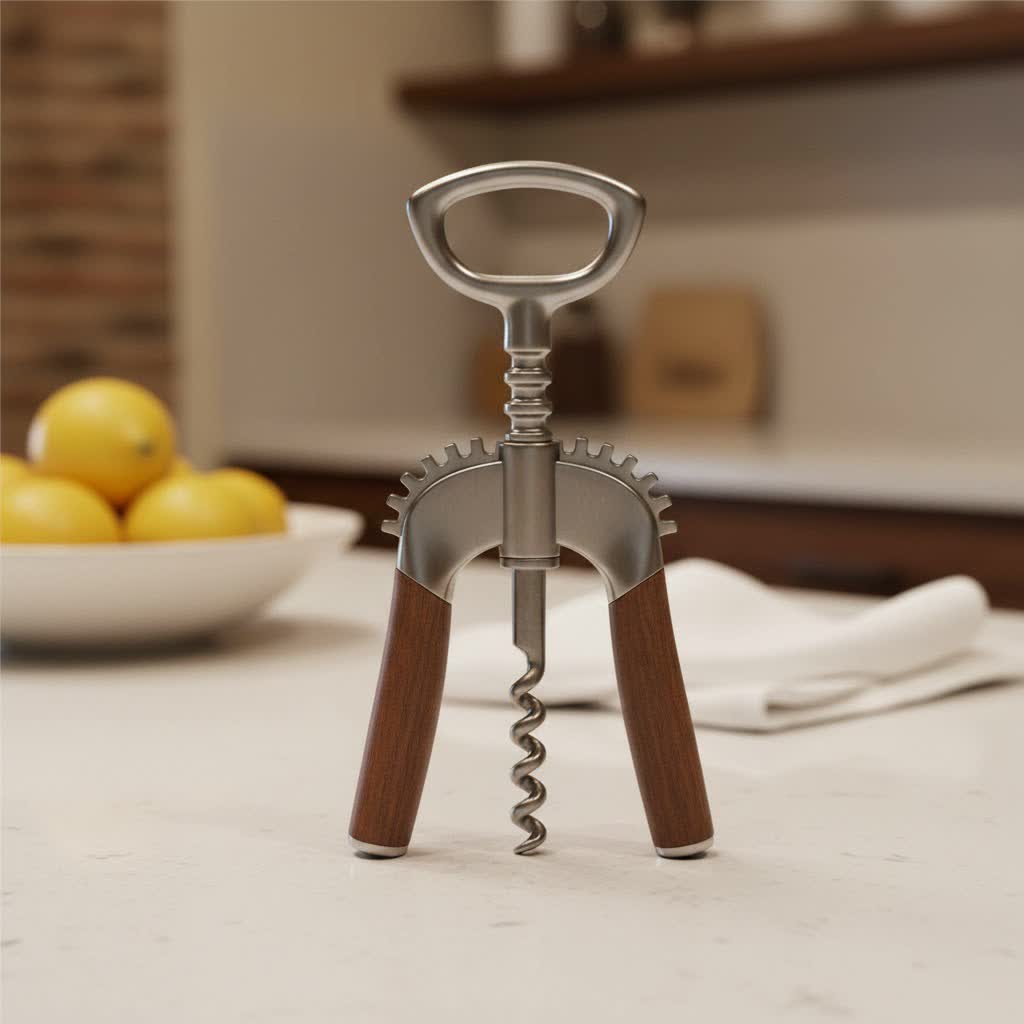
A bottle of wine holds the promise of an experience, a moment of relaxation, or a celebration. Yet, the ritual often begins with a critical tool: the wine opener. This unassuming gadget is far more than a simple cork remover; it’s the gateway to your enjoyment, dictating the ease and elegance of serving your favorite vintage. Whether you’re a seasoned sommelier or a casual enthusiast, selecting the right wine opener can significantly enhance your wine journey, ensuring every uncorking is smooth and effortless.
What is a Wine Opener? Why Do You Need One?
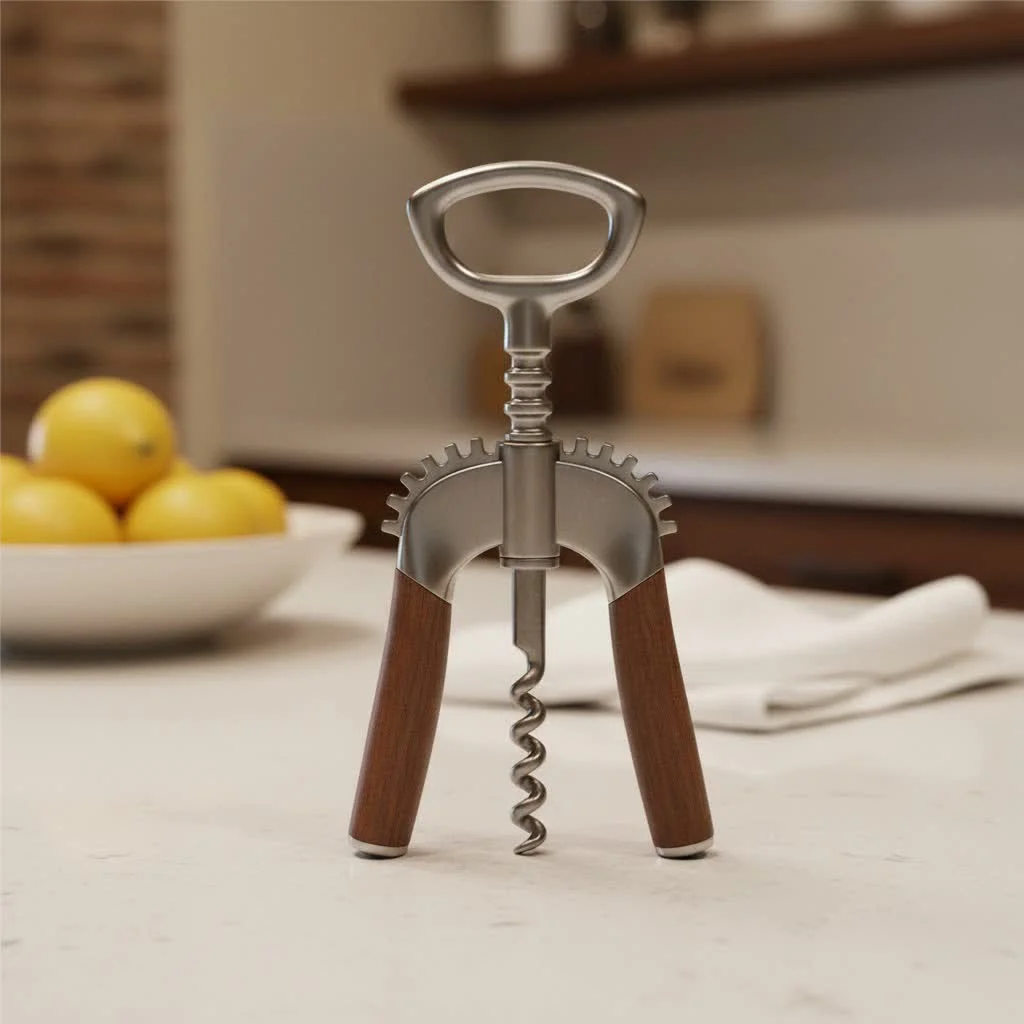
A wine opener, often referred to as a corkscrew, is a specialized tool designed to extract corks from wine bottles. Its primary purpose is to provide the necessary leverage or mechanism to safely and efficiently remove the stopper without damaging the cork or contaminating the wine. For see our wine accessories recommendations on this site.
The history of wine openers is intertwined with the evolution of wine bottling. Corks became the predominant bottle stoppers between the 17th and early 20th centuries, necessitating the invention of devices to remove them. Early models, often called “bottlescrews,” featured a helical screw or worm that twisted into the cork. Over centuries, designs evolved, driven by the desire for greater ease, efficiency, and reliability. Today, a quality wine opener is an indispensable accessory for any wine lover. It prevents frustrating struggles with stubborn corks, avoids cork breakage (which can spoil the wine), and elevates the overall wine-serving experience, making it a smooth, enjoyable part of the indulgence.
Popular Types of Wine Openers on the Market
The world of wine openers offers a diverse array of designs, each with its unique benefits and mechanisms. Understanding the different types helps you choose the perfect tool for your needs.
Lever Wine Opener (Rabbit-Style)
Lever wine openers, often known as “rabbit-style” due to their resemblance to rabbit ears, utilize a powerful lever mechanism to remove corks with minimal effort. They feature a gripping handle that clamps onto the bottle’s neck, and with a swift push and pull of a lever, the cork is extracted in seconds.
- Pros: Extremely easy and quick to use, requiring minimal physical strength. Ideal for individuals with limited hand strength or arthritis. Provides excellent leverage, making stubborn corks manageable.
- Cons: Often bulky and less portable than other types. Can be more expensive. Some sommeliers may consider them less “professional” than traditional waiter’s friends. May not work successfully for some synthetic corks.
- How to Use: Place the opener over the bottleneck, ensuring the gripping handles securely clasp the bottle. Push the lever down to insert the screw into the cork, then pull the lever back up to extract the cork. Repeat the motion to release the cork from the screw.
Corkscrew Wine Opener (Traditional & Winged)
|
Our Picks for the Best Wine Opener in 2026
As an Amazon Associate I earn from qualifying purchases.
|
||
| Num | Product | Action |
|---|---|---|
| 1 | Secura Electric Wine Opener, Automatic Electric Wine Bottle Corkscrew Opener with Foil Cutter, Rechargeable (Stainless Steel) |

|
| 2 | Wino Wine Key! - Professional Sommelier's Corkscrew Wine Opener |
|
| 3 | OXO SteeL Winged Corkscrew with Removable Foil Cutter |
|
| 4 | KORCCI Wine Opener, Heavy-Duty Zinc Alloy Wing Corkscrew, Premium Beer Bottle Opener, Multifunctional Wine Accessories with Ergonomic Handle and Sharp Screw, for Kitchen, Bar, Restaurant, Bartenders |
|
| 5 | Cap Opener, Fun Bottle Opener for Parties and Gatherings, Creative Design Launches Caps at BBQs, Portable Entertainment for Outdoor Activities, Available in Red, Black, Blue |
|
| 6 | GORILLA GRIP BPA-Free Premium Wine Opener, Heavy Duty Zinc Alloy Wing Corkscrew, Multifunctional Bottle Openers Remove Corks, Caps, Easy Use Sharp Cork Screw, Dishwasher Safe, Holiday Essential, Black |
|
| 7 | OXO Steel Vertical Lever Corkscrew with Removable Foil Cutter |
|
| 8 | Cuisinart CWO-25 Electric Wine Opener, Stainless Steel 3.50" x 4.75" x 10.00" |
|
| 9 | Oster Cordless Electric Wine Bottle Opener with Foil Cutter, Silver |
|
| 10 | Beneno Wine Opener, Zinc Alloy Premium Wing Corkscrew with Multifunctional Bottles Opener, Sharp Wine Corkscrew with Ergonomic Non-Slip Wing Handle, Silver |
|
This broad category includes several variations that primarily rely on twisting a worm into the cork.
- Traditional Screw Pull: This is the most basic form, featuring a handle and a helical worm. You twist the worm into the cork and then manually pull the cork out.
- Pros: Simple, compact, and affordable.
- Cons: Can require significant brute force, risking cork breakage (especially with old, fragile corks) or spills. Less preferred by professionals due to potential difficulty.
- Winged Corkscrew: A common household item, this corkscrew has two “wings” that rise as you twist the screw into the cork. Once fully raised, you push the wings down to lift the cork out.
- Pros: Relatively easy to use, especially for casual home settings. Often decorative.
- Cons: Can require more applied force than some other types. Not highly portable. Less precise than a waiter’s corkscrew.
- How to Use: Center the screw over the cork and twist the top handle clockwise. As the screw penetrates the cork, the two wings will rise. Once the wings are fully extended, press them both down simultaneously to extract the cork.
Electric Wine Opener
For the ultimate in convenience, electric wine openers are battery-powered devices that automate the cork removal process with the touch of a button.
- Pros: Effortless and simple to operate, requiring no manual twisting or pulling. Excellent for individuals with dexterity issues or those who prefer a hands-free approach. Often sleek and modern in design.
- Cons: Requires charging or batteries. Can be more expensive than manual options. Not typically seen in professional restaurant settings.
- How to Use: Remove the foil with the integrated or separate foil cutter. Place the electric opener vertically over the wine bottle. Press a button (usually “down”) to activate the corkscrew, which will automatically insert into the cork and pull it out. Press another button (usually “up”) to release the cork from the opener.
Air Pressure Wine Opener
This innovative type uses air pressure to push the cork out of the bottle. A needle is inserted through the cork, and with a few pumps, compressed air builds up inside the bottle, forcing the cork upwards.
- Pros: Ideal for older bottles with delicate or crumbling corks, as it minimizes the risk of breakage. No twisting or pulling required.
- Cons: Requires careful handling to avoid over-pressurizing the bottle. Can be less intuitive to use for some.
- How to Use: Carefully insert the needle through the cork, ensuring it goes all the way through without puncturing the cork side. Pump the handle a few times to build air pressure inside the bottle, and the cork will gently rise and eventually pop out.
Multi-tool Wine Opener (Waiter’s Corkscrew)
Often dubbed the “waiter’s friend,” this compact tool is a favorite among sommeliers and wine enthusiasts for its versatility and portability. It typically combines a corkscrew, a small foil cutter blade, and a hinged lever (fulcrum).
- Pros: Extremely compact and portable, easily fitting into a pocket. Versatile with its integrated foil cutter. The hinged lever provides good leverage for efficient cork removal. Considered the professional’s choice.
- Cons: Requires some hand strength and dexterity to master. Can be challenging for beginners to use smoothly initially.
- How to Use: Use the small blade to cut and remove the foil cap. Twist the corkscrew (worm) into the center of the cork. Position the first notch of the hinged lever (fulcrum) on the lip of the bottle and pull the handle upwards, leveraging the cork partly out. Reposition to the second notch (if available) for further leverage, or pull the cork fully out.
Comparison Table of Wine Openers
| Type of Wine Opener | Pros | Cons | Estimated Price Range | Rating (Ease of Use) |
|---|---|---|---|---|
| Lever (Rabbit) | Very easy, fast, minimal effort | Bulky, less portable, higher cost, not for all corks | $25 – $70+ | 5/5 |
| Corkscrew (Winged) | Easy for home use, often decorative | Requires force, less portable, less precise | $10 – $30 | 3/5 |
| Corkscrew (Manual) | Compact, affordable, classic | Requires strength, risk of cork breakage/spills | $5 – $20 | 2/5 |
| Electric | Effortless, ideal for mobility issues | Battery/charging needed, higher cost | $20 – $100+ | 5/5 |
| Air Pressure | Gentle on old/fragile corks | Can be tricky, risk of over-pressurization | $15 – $40 | 4/5 |
| Multi-tool (Waiter’s Friend) | Compact, portable, versatile (foil cutter) | Requires dexterity/practice, moderate strength | $10 – $50 | 4/5 |
Factors to Consider When Buying a Wine Opener (Buying Guide)
Choosing the perfect wine opener involves more than just picking a design; it’s about matching the tool to your lifestyle, needs, and preferences.
Material
The materials used in a wine opener directly impact its durability, feel, and aesthetic.
- Stainless Steel: A popular choice for its strength, corrosion resistance, and sleek appearance. Often found in professional-grade waiter’s corkscrews and components of lever openers.
- Plastic: Lightweight and often used for handles or parts of electric and winged openers. While budget-friendly, quality varies significantly, and some plastic models can feel flimsy.
- Wood: Adds an elegant, classic touch to handles, often paired with stainless steel for the working parts. Provides a comfortable grip and aesthetic appeal.
- Zinc Alloy/Die-cast Metal: Commonly used for the body and levers of more robust lever-style openers, offering good weight and durability.
> “The best wine openers are comfortable to grip, balanced, and require minimal finger strength to operate.” – Grace Kelly, Senior Editor at Serious Eats
Durability
A good wine opener should be an investment that lasts. Durability is determined by construction quality and material.
- How to Check: Look for solid, well-joined components without excessive wobble or flimsy parts. The worm (screw) should be made of strong, sharp steel to penetrate corks cleanly without bending or breaking. Reviews often highlight products that stand up to repeated use.
- Maintenance Tips: Regularly clean your wine opener, especially the screw, to prevent residue buildup. For manual openers, ensure moving parts are free of debris. Store it in a dry place to prevent rust, particularly if made of non-stainless steel components. Proper care extends the life of your tool.
Ease of Use
This is a critical factor, especially for those new to wine or with physical limitations.
- Design: Some designs, like electric and lever openers, are inherently easier to use, requiring minimal physical effort. Waiter’s corkscrews, while efficient for pros, demand more dexterity.
- Size and Weight: Compact openers are great for portability but might offer less leverage. Heavier, larger models can feel more substantial and provide greater stability during uncorking.
- User Ability: Consider your own hand strength and coordination. If you have arthritis or prefer minimal effort, an electric or lever opener is a better choice. For those who enjoy the traditional ritual and have good hand strength, a waiter’s friend is ideal.
Price
Wine openers come in a wide range of price points, reflecting material, brand, and features.
- Budget-friendly ($5-$20): Manual corkscrews, basic winged openers, and some simple waiter’s friends fall into this category. They are functional but may not offer the highest durability or smoothest operation.
- Mid-range ($20-$70): This segment includes good quality waiter’s corkscrews, reliable lever openers, and entry-level electric models. These often strike a good balance between performance and cost.
- Premium ($70+): High-end electric openers, designer lever corkscrews, and specialized tools like the Durand or Coravin systems can be found here. These offer advanced features, superior materials, and often a luxury experience.
- Choosing Wisely: Your budget should align with your frequency of use and desired features. A casual drinker might be content with a basic model, while a frequent host or collector might justify a higher investment.
Brand
While often a matter of personal preference, reputable brands generally offer better quality, reliability, and customer support. Brands like Pulltaps, OXO, Rabbit, Peugeot, and Cuisinart consistently appear in “best of” lists for their performance and design. Choosing from established brands can provide peace of mind regarding product longevity and effectiveness.
Top 7 Wine Openers Loved by Enthusiasts
Based on rigorous testing and user reviews, here are some of the most highly-rated wine openers across different categories, known for their quality, durability, and ease of use.
- Pulltaps Waiters Corkscrew: Often lauded as the “best overall” waiter’s corkscrew. It’s praised for its sturdy construction, balanced metal handle, sharp worm, and well-spaced fulcrums, making cork removal swift and efficient. This model excels in performance and comfort.
- OXO Steel Double Lever Waiters Corkscrew: A fantastic budget-friendly waiter’s style opener, it features a comfortable, grippy rubber handle and effective, sharp foil cutter. Its well-spaced fulcrums contribute to an easy and comfortable uncorking experience.
- Brabantia Tasty+ Wine Bottle Opener Corkscrew: This twist-style opener is noted for its sturdy build and wide, easy-to-grip tabs. It effortlessly fits various bottle styles and can even remove corks with foil caps intact, making it a reliable choice for those who prefer twisting over pulling.
- Rabbit Original Lever Corkscrew Wine Opener: While distinctive in appearance, this lever-style opener performs exceptionally, smoothly removing corks with minimal effort. It typically comes with a separate foil cutter and a replacement worm, offering great value for its robust performance.
- OXO Vertical Corkscrew with Removable Foil Cutter: Another top-tier lever-style option from OXO, this corkscrew clasps securely onto the bottle. Once users get accustomed to its mechanism, it provides an easy, wrist-friendly uncorking experience, despite its bulkier design.
- Peugeot Elis Touch Electric Corkscrew: Representing the pinnacle of electric wine openers, the Peugeot Elis Touch offers truly foolproof operation. It requires minimal grip or strength, activating with a simple press. While an investment, its seamless performance justifies the cost for many.
- Cuisinart Electric Wine Opener: For those seeking an affordable yet effective electric option, the Cuisinart model is a standout. It operates with intuitive up and down buttons for inserting and removing the cork, doing its job reliably and quickly, often removing corks in just over 10 seconds.
Tips for Using and Maintaining Your Wine Opener
Proper usage and maintenance are key to a smooth uncorking experience and extending the life of your wine opener.
Correct Usage
- Foil Removal: Always remove the foil cap cleanly before uncorking. Most waiter’s corkscrews have a small blade for this. For others, a dedicated foil cutter or a sharp knife (used carefully) is recommended.
- Center the Screw: Regardless of the opener type, always aim to insert the worm (screw) directly into the center of the cork. This prevents the cork from crumbling or breaking.
- Smooth Motion: Avoid jerky or rushed movements. A steady, consistent motion, whether twisting, pushing a lever, or activating an electric opener, is crucial for clean cork extraction.
- Leverage is Key: For waiter’s corkscrews, effectively using the fulcrum (lever point) on the bottle’s lip will provide the necessary leverage, reducing strain and ensuring the cork comes out straight.
- Practice Makes Perfect: Especially for manual and waiter’s corkscrews, practice with less expensive bottles to build confidence and technique before a special occasion.
Cleaning and Preservation
- Wipe Down After Each Use: The corkscrew’s worm can accumulate cork dust or residue. Wipe it clean with a damp cloth immediately after use to prevent buildup.
- Avoid Harsh Cleaners: For most wine openers, warm soapy water is sufficient for cleaning. Avoid abrasive cleaners or harsh chemicals that could damage the finish or materials.
- Dry Thoroughly: Ensure all parts are completely dry before storing to prevent rust, especially for metal components.
- Store Properly: Keep your wine opener in a drawer or a designated space to protect it from damage and keep it clean. Electric openers should be charged regularly according to manufacturer instructions.
- Check for Wear: Periodically inspect the worm for sharpness and straightness. If it becomes dull or bent, it may need to be replaced (some models offer this) or the entire opener might need an upgrade.
Conclusion
Choosing the right wine opener is an essential step towards elevating your wine enjoyment. From the traditional elegance of a waiter’s corkscrew to the effortless convenience of an electric model, each type offers a unique way to uncork your favorite vintages. By considering factors such as ease of use, durability, material, and your personal preferences, you can find a wine opener that not only performs flawlessly but also enhances the entire wine experience. Investing in a quality wine opener means fewer struggles, intact corks, and more moments to savor the rich traditions and delightful flavors of wine. So, which wine opener will be your perfect companion for your next bottle?
Frequently Asked Questions
What’s the easiest wine opener to use for beginners?
Electric wine openers are generally considered the easiest for beginners as they require minimal effort and virtually no technique. Lever-style (rabbit) openers are also very user-friendly, offering mechanical advantage to extract corks with ease.
Can a wine opener be used for synthetic corks?
Most modern wine openers, particularly manual corkscrews, lever openers, and electric openers, are designed to handle both natural and synthetic corks. However, some lever corkscrews may not work successfully with certain types of synthetic corks.
What is the “Ah-So” wine opener and when should I use it?
The “Ah-So” is a two-pronged cork puller specifically designed to extract fragile or older corks without piercing them. Its prongs slide between the cork and the bottle, making it ideal for delicate corks that might break with traditional corkscrews. It requires a bit of practice.
How often should I clean my wine opener?
It’s best to wipe down the corkscrew’s worm after each use to remove cork residue. A more thorough cleaning with warm soapy water and complete drying should be done periodically, especially for manual openers, to maintain hygiene and prevent rust.
Are expensive wine openers always better?
Not necessarily. While higher-priced wine openers often feature superior materials and craftsmanship, excellent and durable options are available across various price points. Personal preference for ease of use and specific features often outweighs cost alone in determining the “best” opener.
Get our weekly buyer guide
Practical specs, not advice. Unsubscribe anytime.

I appreciated the breakdown of the various wine openers. I’ve been using a waiter’s corkscrew for years, and while it’s reliable, I was curious about other options. The information on electric wine openers was particularly interesting. I might upgrade soon for those times when I’m opening multiple bottles at a party.
I’ve always struggled with traditional corkscrews, often breaking corks or making a mess. This guide really helped me understand the different types. I ended up getting a lever-style opener, and it’s been a game-changer! So easy to use, even with stubborn synthetic corks. Highly recommend for anyone who wants a smooth uncorking experience.
I was hoping for more specific brand recommendations within each category. I picked up a winged corkscrew based on the description, and while it works, it feels a bit flimsy. It gets the job done for most bottles, but I had a hard time with an older, drier cork. Still, it was helpful to learn about the different mechanisms.
This was super informative! I never realized there was so much to know about wine openers. I always just grabbed whatever was cheapest. After reading this, I invested in a good quality foil cutter and a rabbit-style opener. It makes such a difference in the whole ritual of opening a nice bottle of wine. No more struggling!