Every wine lover understands the satisfying pop of a perfectly opened bottle, a ritual that signals the beginning of an enjoyable experience. But imagine the frustration of a crumbled cork or a struggling hand – a common scenario when you lack the right tool. Finding a reliable wine opener isn’t just about convenience; it’s about preserving the integrity of your wine and enhancing your overall enjoyment. This comprehensive guide will navigate you through the diverse world of wine openers, ensuring you find the perfect companion for every bottle, whether you’re searching for a simple, elegant corkscrew or an advanced electric model “near you.”
What is a Wine Opener and Why Do You Need One?
A wine opener, also commonly known as a corkscrew, is an essential tool designed to extract corks from wine bottles. Its primary function is to provide the leverage and precision needed to remove natural or synthetic corks smoothly and efficiently, preventing breakage and preserving the wine’s quality. This seemingly simple device has a rich history, evolving from basic T-shaped corkscrews in the 17th century to the sophisticated designs we see today, each iteration aiming for greater ease and reliability.
For any wine enthusiast, a quality wine opener is more than just a gadget; it’s an investment in a seamless and enjoyable wine experience. A poorly designed or flimsy opener can lead to broken corks, wine spills, or even personal injury, turning a moment of anticipation into one of frustration. A good wine opener ensures that every bottle, from an everyday table wine to a prized vintage, is opened with grace and confidence.
Popular Types of Wine Openers on the Market
The market is brimming with various wine opener designs, each offering a unique uncorking experience. Understanding the differences is key to choosing the one that best suits your style and needs.
Lever Wine Opener (Rabbit-Style)
Lever wine openers, often called “rabbit” openers due to their distinctive shape, utilize a mechanical system to extract corks with minimal effort. They clamp onto the bottle neck, and with a simple push and pull of a lever, the cork is removed.
- Pros: Exceptionally easy to use, requires minimal strength or dexterity, quick and efficient, often comes with a foil cutter.
- Cons: Can be bulky and take up more storage space, generally higher in price, some models may not work well with all synthetic corks.
- How to Use: Place the opener over the bottle, ensuring the clamps grip the neck. Push the lever down to insert the worm into the cork, then pull the lever up to extract the cork. A final push of the lever often releases the cork from the worm.
|
Our Picks for the Best Wine Opener in 2026
We may earn a commission when you use one of our links to make a purchase.
|
||
| Num | Product | Action |
|---|---|---|
| 1 | KORCCI Wine Opener, Heavy-Duty Zinc Alloy Wing Corkscrew, Premium Beer Bottle Opener, Multifunctional Wine Accessories with Ergonomic Handle and Sharp Screw, for Kitchen, Bar, Restaurant, Bartenders |

|
| 2 | Wino Wine Key! - Professional Sommelier's Corkscrew Wine Opener |
|
| 3 | Beneno Wine Opener, Zinc Alloy Premium Wing Corkscrew with Multifunctional Bottles Opener, Sharp Wine Corkscrew with Ergonomic Non-Slip Wing Handle, Silver |
|
| 4 | Cuisinart CWO-25 Electric Wine Opener, Stainless Steel 3.50" x 4.75" x 10.00" |
|
| 5 | Cap Opener, Fun Bottle Opener for Parties and Gatherings, Creative Design Launches Caps at BBQs, Portable Entertainment for Outdoor Activities, Available in Red, Black, Blue |
|
| 6 | GORILLA GRIP BPA-Free Premium Wine Opener, Heavy Duty Zinc Alloy Wing Corkscrew, Multifunctional Bottle Openers Remove Corks, Caps, Easy Use Sharp Cork Screw, Dishwasher Safe, Holiday Essential, Black |
|
| 7 | Oster Cordless Electric Wine Bottle Opener with Foil Cutter, Silver |
|
| 8 | Secura Electric Wine Opener, Automatic Electric Wine Bottle Corkscrew Opener with Foil Cutter, Rechargeable (Stainless Steel) |
|
| 9 | OXO Steel Vertical Lever Corkscrew with Removable Foil Cutter |
|
| 10 | OXO SteeL Winged Corkscrew with Removable Foil Cutter |
|
Corkscrew Wine Opener (Waiter’s Friend, Winged, Twist)
This broad category includes several manual designs that rely on a twisting action to insert a metal “worm” into the cork, followed by a pulling motion.
- Waiter’s Corkscrew: Also known as a “waiter’s friend” or wine key, this is a compact, professional-grade tool. It typically features a worm, a small knife for cutting foil, and a two-step hinged lever for leverage.
- Pros: Portable, affordable, precise control, ideal for sommeliers and experienced users.
- Cons: Requires practice and some hand strength, can be challenging for those with dexterity issues.
- How to Use: Cut the foil with the integrated knife. Twist the worm into the center of the cork. Use the first hinge on the bottle lip for leverage, pulling the handle up to partially extract the cork. Then, use the second hinge for the final smooth pull.
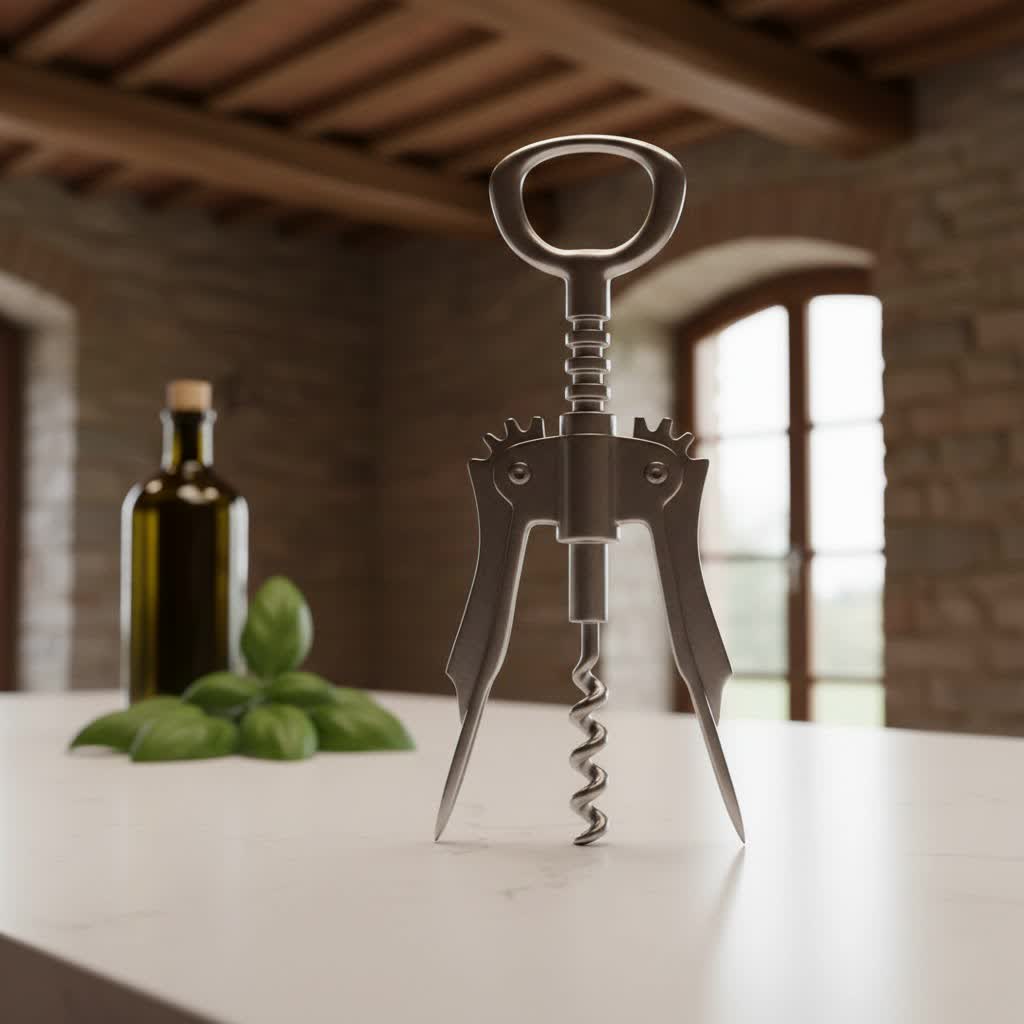
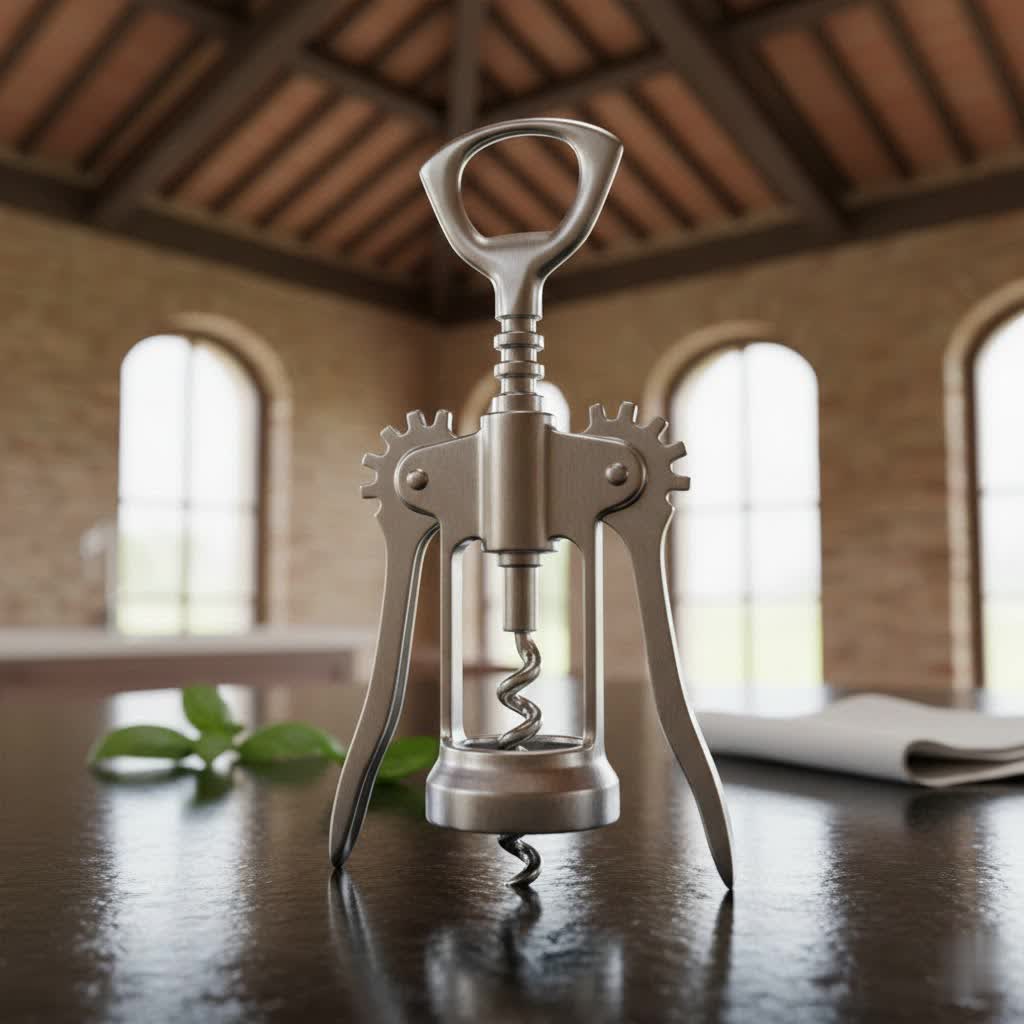
- Winged Corkscrew: A common household corkscrew, it features two “wings” that rise as the worm is twisted into the cork. Pushing the wings down provides leverage to pull the cork out.
- Pros: Intuitive and easy to understand, provides good leverage for simple corks.
- Cons: Can be flimsy if poorly made, sometimes struggles with stubborn or long corks, takes up more space than a waiter’s corkscrew.
- How to Use: Center the corkscrew over the cork and twist the handle, driving the worm into the cork. As the wings rise, push them down simultaneously to lift the cork out.
- Twist-Style Corkscrew: These often have a comfortable grip and a worm that self-centers or twists into the cork, pulling it out as you turn.
- Pros: Easier on hands and wrists than a traditional waiter’s corkscrew, simple operation.
- Cons: Can be larger, may not include a foil cutter.
- How to Use: Place the opener on top of the bottle. Twist the handle to screw the worm into the cork, which simultaneously lifts the cork out.
Electric Wine Opener
Electric wine openers simplify the uncorking process with the press of a button, often powered by batteries or rechargeable units.
- Pros: Extremely easy to use, ideal for those with limited hand strength or arthritis, fast, often includes a foil cutter.
- Cons: Requires charging or batteries, can be more expensive, less portable, some find it less “ceremonial” than manual methods.
- How to Use: Place the opener vertically over the bottle. Press the “down” button to insert the worm and remove the cork. Press the “up” button to eject the cork.
Air Pressure Wine Opener
These innovative openers use a needle to inject air into the bottle, increasing the pressure and gently pushing the cork out.
- Pros: Minimal physical effort, excellent for delicate or aged corks as it avoids twisting and potential crumbling, preserves cork integrity.
- Cons: Can be slower than other methods, requires proper technique to avoid damaging the bottle or cork, generally higher price point.
- How to Use: Insert the needle through the cork. Pump the handle several times to build air pressure inside the bottle, gently pushing the cork upwards until it pops out.
Multi-tool Wine Opener
While often referring to a waiter’s corkscrew with its integrated foil cutter, some multi-tool openers combine additional features like a bottle opener for beer caps or even small knives.
- Pros: Versatile, compact (especially waiter’s style), practical for various beverage needs.
- Cons: Quality can vary with cheaper models, some added tools might be less functional.
- How to Use: Use the specific tool for the task – knife for foil, corkscrew for wine, bottle opener for caps.
Comparison Table of Wine Opener Types
Choosing the right wine opener often comes down to balancing ease of use, durability, and budget. Here’s a quick comparison to help you weigh your options:
| Type of Wine Opener | Pros | Cons | Price Range (Approx.) | Overall Rating |
|---|---|---|---|---|
| Lever (Rabbit) | Very easy, fast, good for all users | Bulky, more expensive | $25 – $100+ | Excellent |
| Waiter’s Corkscrew | Compact, portable, affordable, precise | Requires skill/practice, some hand strength | $5 – $30 | Very Good |
| Winged Corkscrew | Simple, good leverage | Can be flimsy, struggles with tough corks | $10 – $25 | Good |
| Electric | Effortless, fast, ideal for all users | Requires charging, less portable, pricey | $30 – $150+ | Excellent |
| Air Pressure | Gentle on corks, minimal effort | Slower, delicate use, higher price | $20 – $60 | Good |
| Multi-tool | Versatile (foil, beer, wine) | Quality varies | $5 – $30 | Good |
Factors to Consider When Buying a Wine Opener (Buying Guide)
When you’re ready to find that perfect wine opener, whether online or at a store “near you,” several factors should guide your decision.
Material
The longevity and performance of your wine opener largely depend on its construction materials.
- Stainless Steel: Pros: Highly durable, corrosion-resistant, easy to clean, professional appearance. Cons: Can be heavier, potentially higher cost. Often found in high-quality waiter’s corkscrews and lever models.
- Plastic (ABS/Nylon): Pros: Lightweight, affordable, often used for ergonomic grips or electric opener bodies. Cons: Less durable than metal, can break or wear over time, may feel less premium.
- Wood: Pros: Aesthetic appeal, comfortable grip, traditional feel. Cons: Can require more care (not dishwasher safe), susceptible to moisture damage. Often found as accents on waiter’s corkscrews or lever handles.
- Zinc Alloy: Pros: Durable, good weight, often used for winged corkscrew bodies and gears. Cons: Can be less corrosion-resistant than stainless steel, quality can vary.
Durability
A durable wine opener is a long-term investment. To gauge durability:
- Check the Worm/Screw: It should be strong, sharp, and ideally non-stick (Teflon-coated) to penetrate corks easily without tearing. A thin, flimsy worm is a red flag.
- Inspect Hinges and Levers: For waiter’s and lever-style openers, examine the hinges and connection points. They should feel solid with no excessive wobble. Metal components are generally more durable than plastic.
- Handle Construction: A comfortable, robust handle made from quality materials will withstand repeated use.
- Maintenance Tips: To extend the life of your wine opener, always clean it after use (especially the worm), dry it thoroughly to prevent rust, and store it in a dry place. Avoid forcing it with excessive pressure, which can bend components or strip gears.
Ease of Use
The best wine opener for you is one you can operate comfortably and confidently.
- Design: Consider the ergonomics. A comfortable grip and a balanced weight make a significant difference.
- Size and Weight: If portability is crucial (for picnics or travel), a compact waiter’s corkscrew is ideal. For home use, a larger lever or electric model might be preferred for their ease.
- Physical Ability: Individuals with arthritis or limited hand strength may find electric or lever-style openers far easier to operate than traditional corkscrews.
- Matching Your Needs: “The ease of use is paramount,” says our expert at reviewmunz.com. “You want an opener that feels like an extension of your hand, not a wrestling match with a cork.”
Price
Wine openers come in a wide range of prices, reflecting their design, materials, and brand.
- Budget-Friendly ($5 – $25): Good quality winged corkscrews and basic waiter’s corkscrews fall into this category. They are functional but may not have the premium feel or longevity of more expensive models.
- Mid-Range ($25 – $75): Here you’ll find more robust waiter’s corkscrews, well-built lever-style openers, and entry-level electric models. These offer a good balance of performance and value.
- Premium ($75+): High-end lever openers, advanced electric models, and sommelier-grade waiter’s corkscrews (e.g., Laguiole) are in this tier. They boast superior materials, exceptional durability, and often elegant designs.
- Choosing Wisely: Your budget should align with your frequency of use and desired user experience. An occasional wine drinker might be perfectly happy with a reliable mid-range option, while a connoisseur might invest in a premium tool.
Brand
Reputable brands often signify quality and customer support. While there are many excellent generic options, established brands typically offer better assurance.
- Reputable Brands: Look for brands known for kitchenware or wine accessories, such as Rabbit, OXO, Pulltaps, Le Creuset, and Peugeot. These brands often have a track record of producing durable and effective wine openers.
- Why Brand Matters: Choosing a trusted brand can provide peace of mind regarding the product’s quality, durability, and often includes better warranty or customer service support. It also helps ensure you’re getting a tool that has undergone rigorous testing.
Top 5 Wine Openers Favored by Enthusiasts
Based on expert reviews, user feedback, and our own extensive experience, here are some of the most highly regarded wine openers available today. While specific models may vary in availability “near you” (in local stores or online), these types represent excellent choices.
- Pulltaps Waiter’s Corkscrew: The Professional’s Choice. This classic double-hinged waiter’s corkscrew is celebrated for its sturdy build, ergonomic design, and efficient cork removal. It’s compact, reliable, and a favorite among sommeliers for its balance of function and portability. Ideal for those who appreciate tradition and mastery.
- Rabbit Original Lever Corkscrew: Effortless Elegance. Known for its iconic design and nearly foolproof operation, the Rabbit lever corkscrew makes opening a bottle incredibly easy. Its robust mechanism pulls corks smoothly in seconds, making it a popular choice for home entertainers and anyone seeking minimal effort.
- OXO Steel Double Lever Waiter’s Corkscrew: Best Value Performer. Offering the professional utility of a waiter’s corkscrew with enhanced leverage, this OXO model combines durability with a comfortable grip. It’s a fantastic choice for those transitioning to a waiter’s style opener or seeking a reliable, affordable option.
- Peugeot Elis Touch Electric Corkscrew: The High-Tech Opener. For ultimate convenience, the Peugeot Elis Touch offers automatic cork removal with a sophisticated design. It’s rechargeable, swift, and often comes with a foil cutter, making it a luxurious and effortless option for any wine lover.
- Brabantia Tasty+ Wine Bottle Opener Corkscrew (Twist-Style): Simple and Effective. This twist-style opener combines ease of use with a modern design. It’s comfortable to hold and requires less hand strength than some traditional corkscrews, making it a great everyday option for hassle-free uncorking.
Tips for Using and Maintaining Your Wine Opener
Even the best wine opener benefits from proper usage and care to ensure its longevity and optimal performance.
-
Using Your Wine Opener Correctly:
- Foil Removal: Always remove the foil completely before uncorking. Many openers come with an integrated foil cutter. If not, a small knife or dedicated foil cutter ensures a clean cut.
- Center the Worm: For corkscrews, ensure the worm is inserted directly into the center of the cork to prevent it from tearing or breaking.
- Even Pressure: Apply steady, even pressure when twisting the worm or operating levers. Avoid jerky movements.
- Gentle Extraction: Once the cork is nearly out, apply a gentle, continuous pull rather than a sudden yank, especially with older or more delicate corks.
-
Care and Maintenance for Longevity:
- Clean After Each Use: Wipe the worm and any other parts that come into contact with the cork or wine. For manual openers, warm soapy water can be used, but always dry thoroughly. Electric openers usually just need a wipe.
- Avoid Dishwashers: Unless explicitly stated by the manufacturer, avoid washing wine openers in a dishwasher, as harsh detergents and high heat can damage materials (especially wood or certain plastics) and dull the worm.
- Store Properly: Keep your wine opener in a drawer or a designated spot where it won’t get tangled or damaged by other kitchen tools. Many electric and lever openers come with their own stands or cases.
- Lubricate (if applicable): Some lever-style openers with complex gears might benefit from occasional lubrication with food-grade oil, as per manufacturer instructions.
Conclusion
Choosing the ideal wine opener is a personal journey, influenced by your preferences, physical abilities, and how often you uncork a bottle. From the classic elegance of a waiter’s corkscrew to the effortless convenience of an electric model, there’s a perfect tool for everyone. By considering factors like material, durability, ease of use, and your budget, you can confidently select a wine opener that transforms every bottle opening into a simple, satisfying ritual. So, whether you’re searching for a “Wine Opener Near Me” at your local kitchen store or browsing online, armed with this guide, you’re ready to find your perfect match.
What kind of wine opener will make your next pour truly exceptional?
Frequently Asked Questions
What’s the easiest type of wine opener to use for someone with hand pain?
Electric wine openers are generally considered the easiest to use as they require minimal physical effort, performing the uncorking at the touch of a button. Lever-style (rabbit) openers are also very user-friendly, demanding only a simple push and pull.
Can I take a wine opener on an airplane?
Most waiter’s corkscrews without a blade are generally allowed in carry-on luggage. However, those with a sharp foil cutter blade typically must be placed in checked luggage. Always check TSA guidelines before traveling.
How often should I replace my wine opener?
The lifespan of a wine opener varies greatly depending on its type, material, and how often it’s used. A high-quality manual or lever opener can last decades with proper care, while cheaper models or electric ones might need replacing every few years if their mechanisms wear out or batteries degrade.
Are expensive wine openers truly better?
While you can find excellent value in mid-range wine openers, more expensive models often feature superior materials (like high-grade stainless steel or durable alloys), better engineering for smoother operation, and enhanced durability. This can translate to a more reliable, long-lasting, and satisfying uncorking experience.