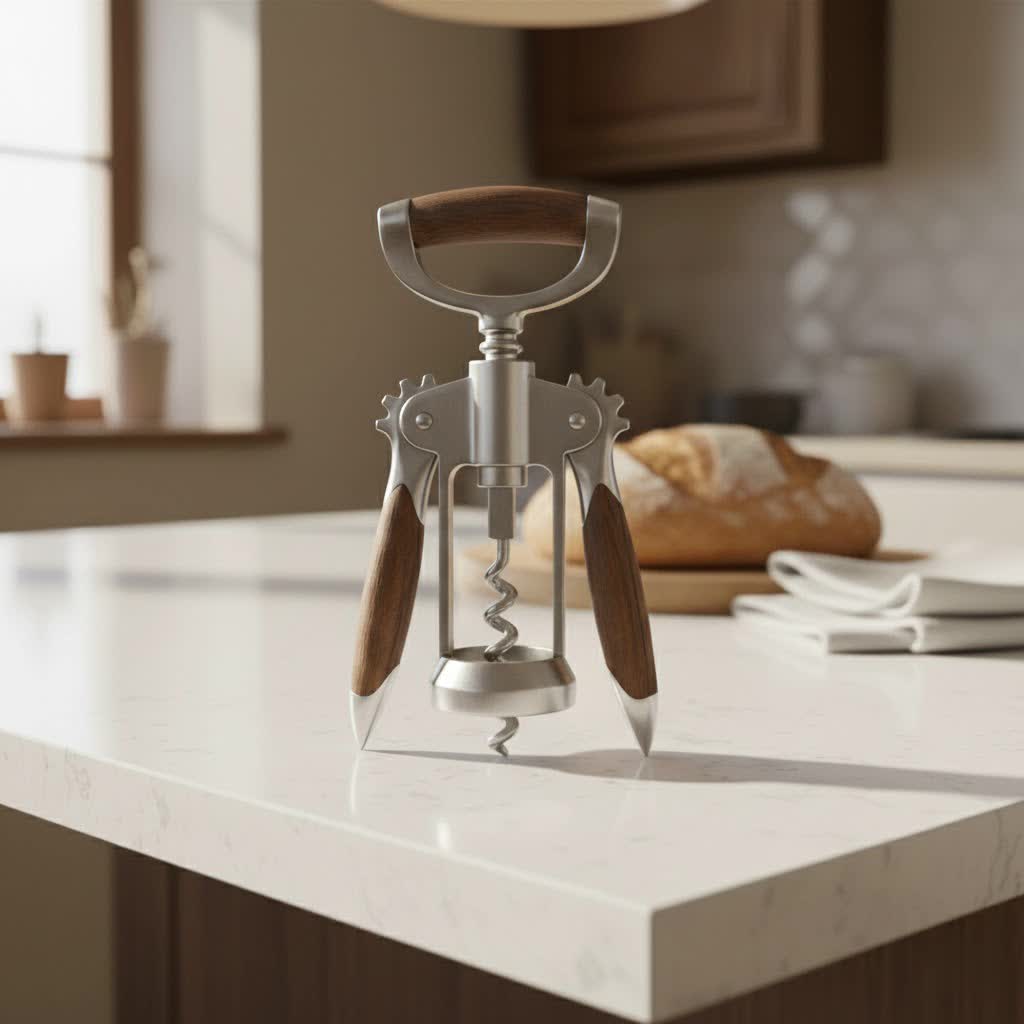
For centuries, the ritual of opening a bottle of wine has been a prelude to celebration, relaxation, and shared moments. Yet, the simple act of removing a cork can often turn into a frustrating endeavor, leading to broken corks, spilled wine, or even strained wrists. As an experienced technician with over a decade in the field of bottle and wine openers, I understand the nuances of these essential tools. This comprehensive guide is crafted to help you navigate the vast world of wine and bottle openers, ensuring you find the perfect companion to effortlessly unlock every pour, from classic corks to modern caps, enhancing your wine experience with precision and ease.
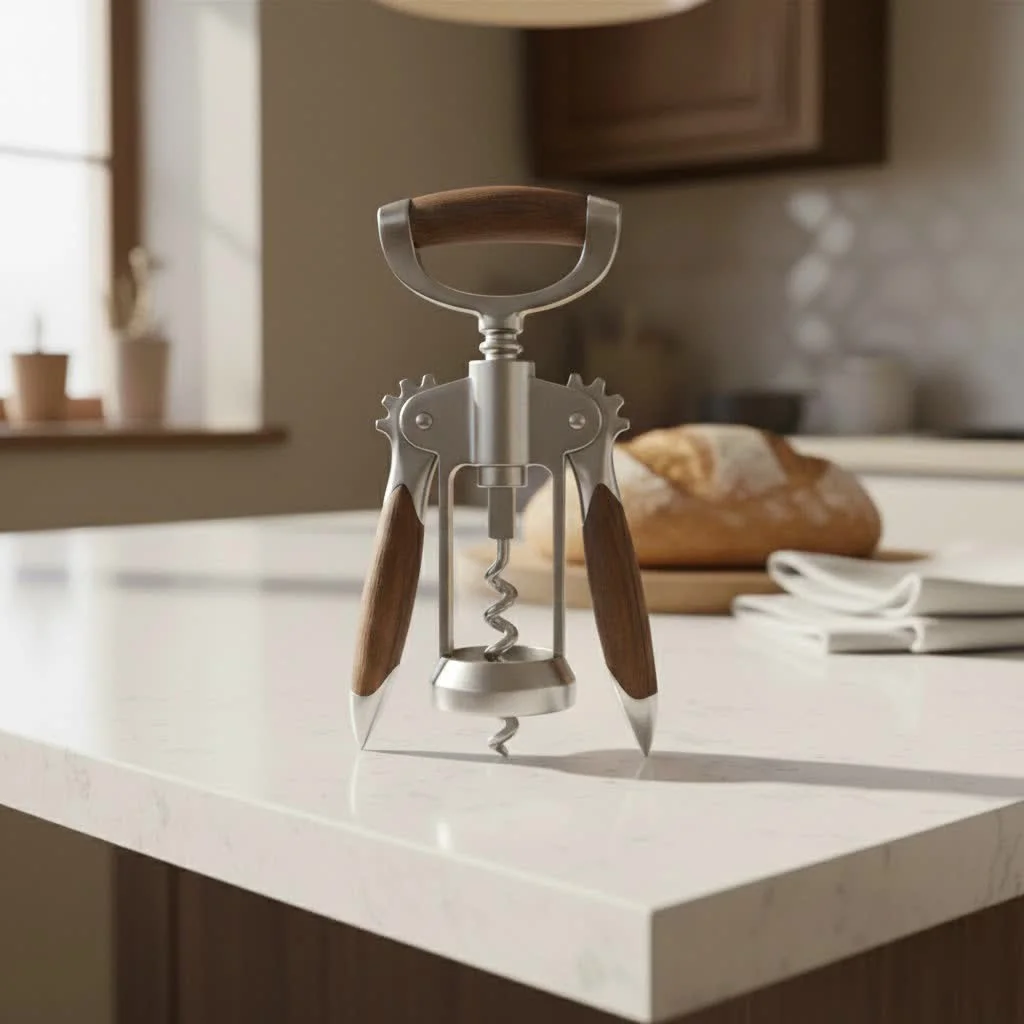
What is a Wine Opener? Why You Need One for Effortless Enjoyment
A wine opener, at its core, is a specialized tool designed to remove corks from wine bottles. While its primary function is straightforward, the evolution of wine openers reflects a fascinating journey from rudimentary designs to sophisticated mechanisms, all aimed at making wine enjoyment more accessible. Historically, early wine openers were simple corkscrews, often difficult to use and prone to breaking corks. Over time, ingenuity led to various enhancements, culminating in the diverse range of openers we see today. For expert wine accessories reviews on this site.
For any wine enthusiast, a quality wine opener is more than just a gadget; it’s a vital instrument that preserves the integrity of the cork and the wine itself. A good opener prevents cork breakage, ensures a clean extraction, and allows you to enjoy your wine without unnecessary hassle or the embarrassment of a struggle. It transforms the act of opening a bottle from a potential chore into a smooth, satisfying precursor to your first sip.
Popular Wine Opener Types on the Market
The world of wine openers is rich with diverse designs, each offering a unique approach to cork removal. Understanding these types is key to finding the one that best suits your needs and dexterity. From manual classics to modern electric marvels, there’s an opener for every preference.
Lever Wine Opener (Rabbit-style)
Lever wine openers, often recognized by their distinctive “rabbit ear” design, are prized for their ease of use and efficiency. They utilize a simple up-and-down lever mechanism to extract corks with minimal effort, making them a favorite for many.
- Pros: Extremely easy and quick to use, ideal for those with limited hand strength or dexterity issues. They typically provide a clean cork extraction.
- Cons: Can be larger and bulkier than other types, making them less portable. Generally more expensive.
- How to Use: Place the opener over the bottle, ensuring the corkscrew is centered on the cork. Lower the lever, which drives the corkscrew into the cork. Then, raise the lever, and the cork will smoothly lift out of the bottle.
Corkscrew Wine Opener (Waiter’s Friend, Winged, Two-Prong)
|
Our Picks for the Best Wine Opener in 2026
As an Amazon Associate I earn from qualifying purchases.
|
||
| Num | Product | Action |
|---|---|---|
| 1 | KORCCI Wine Opener, Heavy-Duty Zinc Alloy Wing Corkscrew, Premium Beer Bottle Opener, Multifunctional Wine Accessories with Ergonomic Handle and Sharp Screw, for Kitchen, Bar, Restaurant, Bartenders |

|
| 2 | OXO SteeL Winged Corkscrew with Removable Foil Cutter |
|
| 3 | Beneno Wine Opener, Zinc Alloy Premium Wing Corkscrew with Multifunctional Bottles Opener, Sharp Wine Corkscrew with Ergonomic Non-Slip Wing Handle, Silver |
|
| 4 | Oster Cordless Electric Wine Bottle Opener with Foil Cutter, Silver |
|
| 5 | Secura Electric Wine Opener, Automatic Electric Wine Bottle Corkscrew Opener with Foil Cutter, Rechargeable (Stainless Steel) |
|
| 6 | Cap Opener, Fun Bottle Opener for Parties and Gatherings, Creative Design Launches Caps at BBQs, Portable Entertainment for Outdoor Activities, Available in Red, Black, Blue |
|
| 7 | Cuisinart CWO-25 Electric Wine Opener, Stainless Steel 3.50" x 4.75" x 10.00" |
|
| 8 | OXO Steel Vertical Lever Corkscrew with Removable Foil Cutter |
|
| 9 | GORILLA GRIP BPA-Free Premium Wine Opener, Heavy Duty Zinc Alloy Wing Corkscrew, Multifunctional Bottle Openers Remove Corks, Caps, Easy Use Sharp Cork Screw, Dishwasher Safe, Holiday Essential, Black |
|
| 10 | Wino Wine Key! - Professional Sommelier's Corkscrew Wine Opener |
|
The corkscrew family encompasses several traditional manual designs, requiring a twisting motion to engage the cork.
-
Waiter’s Friend (Wine Key): This classic design is compact and highly portable, often favored by sommeliers and hospitality professionals. It typically includes a small knife for foil cutting and a bottle opener.
- Pros: Compact, durable, versatile (often includes a foil cutter and bottle opener), excellent control over cork extraction.
- Cons: Requires some technique and practice to master, can be challenging for beginners or those with weaker hands.
- How to Use: Use the foil cutter to remove the foil cap. Twist the corkscrew into the center of the cork until only one curl is visible. Use the lever (often two-step for better leverage) against the bottle lip and pull upwards to extract the cork in stages.
-
Winged Corkscrew: A common household staple, the winged corkscrew features two levers (“wings”) that rise as the corkscrew is twisted into the cork.
- Pros: Intuitive and relatively easy to use for casual wine drinkers, good stability.
- Cons: Can sometimes break fragile corks if not used carefully, less portable due to size.
- How to Use: Twist the corkscrew into the cork. As it goes in, the two “wings” will rise. Once the corkscrew is fully engaged, push both wings down simultaneously to lift the cork out.
Electric Wine Opener
Electric wine openers represent the pinnacle of convenience, offering an effortless, push-button solution for opening wine bottles. They are particularly popular for their simplicity and speed.
- Pros: Requires virtually no effort or strength, very fast and convenient, often sleek in design. Ideal for individuals with arthritis or mobility challenges.
- Cons: Requires charging or batteries, can be less durable than manual options, generally higher price point.
- How to Use: Place the electric opener over the wine bottle, aligning it with the cork. Press the “down” button, and the corkscrew will automatically penetrate and remove the cork. Press the “up” button to release the cork from the device.
Air Pressure Wine Opener
Air pressure wine openers use compressed air to pop the cork out of the bottle. This method avoids drilling into the cork directly, which can be appealing to some.
- Pros: No twisting or pulling, minimal physical effort. Can be effective for older, more fragile corks as it doesn’t pierce them directly.
- Cons: Risk of cork damage or even bottle breakage if too much pressure is applied too quickly. Requires caution and proper technique.
- How to Use: Insert the needle through the cork. Pump air into the bottle using the plunger. The increased air pressure inside the bottle will gradually push the cork out.
Multi-tool Wine Opener
While not a distinct opening mechanism, many wine openers are designed as multi-tools, combining various functionalities into one compact device. The “waiter’s friend” is a prime example, often featuring a corkscrew, a foil cutter, and a traditional bottle opener for crown caps (beer bottles, sodas).
- Pros: Highly versatile, space-saving, and economical, as it combines multiple tools.
- Cons: The quality of individual tools within a multi-tool can vary, and some specialized tasks might be better handled by dedicated tools.
- How to Use: Depending on the specific tool, you would use the corkscrew function for wine, the integrated blade for foil, and the levered metal part for standard bottle caps.
Comparison Table of Popular Wine Opener Types
Choosing the right wine opener often comes down to balancing convenience, cost, and desired user experience. This table offers a quick comparison to help you weigh your options.
| Type of Wine Opener | Pros | Cons | Price Range (Approx.) | Overall Rating (1-5) |
|---|---|---|---|---|
| Lever Wine Opener | Easy and quick to use, good for dexterity issues, clean extraction. | Bulky, less portable, generally more expensive. | $20 – $70+ | 4.5 |
| Waiter’s Friend | Compact, portable, versatile (foil cutter, bottle opener), excellent control. | Requires technique, can be challenging for beginners. | $5 – $30 | 4.0 |
| Winged Corkscrew | Intuitive, simple for casual users, stable. | Can damage fragile corks, less portable. | $10 – $25 | 3.5 |
| Electric Wine Opener | Effortless, fast, convenient, stylish design. | Requires charging/batteries, potentially less durable, higher price. | $25 – $100+ | 4.0 |
| Air Pressure Opener | No twisting, minimal effort, good for fragile corks. | Risk of bottle damage, requires caution, technique specific. | $15 – $40 | 3.0 |
Factors to Consider When Buying a Wine Opener: Your Essential Buying Guide
Selecting the perfect wine opener involves more than just picking a design; it’s about matching the tool to your lifestyle, needs, and aesthetic preferences. Here’s a guide to help you make an informed decision.
Material
The material of your wine opener impacts its durability, feel, and overall aesthetic. Common materials include stainless steel, plastic, and wood.
- Stainless Steel: Pros: Extremely durable, resistant to corrosion, often has a premium feel. Cons: Can be heavier, sometimes more expensive.
- Plastic: Pros: Lightweight, affordable, available in many colors and designs. Cons: Less durable than metal, can feel flimsy, may not last as long.
- Wood: Pros: Offers an elegant, classic look and a comfortable grip. Cons: Can be susceptible to moisture damage if not properly cared for, usually combined with metal components.
When evaluating materials, consider how often you’ll use the opener and what kind of longevity you expect. A robust stainless steel model might be an investment, but it will stand the test of time.
Durability
A durable wine opener is an investment that pays off over countless bottles. You want a tool that can withstand repeated use without breaking or failing.
- How to Check Durability: Look for solid construction, tight fittings, and quality components. Read reviews focusing on longevity. For corkscrews, ensure the “worm” (the spiraled part) is made of strong, non-stick metal and has a sharp point.
- Tips for Extending Life: Store your opener properly, avoid excessive force, and clean it as recommended by the manufacturer. Keep manual corkscrews dry to prevent rust.
Ease of Use
The ease with which you can operate a wine opener is paramount, especially if you open wine frequently or have specific physical considerations.
- Factors Affecting Ease: Design (e.g., leverage mechanisms), size, and weight all play a role. Electric openers are the easiest, while waiter’s friends require more technique.
- Choosing for You: If you have hand pain or limited strength, electric or lever-style openers are excellent choices. For experienced users who value control and portability, a waiter’s friend might be preferred. Always consider the comfort of the grip and the smoothness of the mechanism.
Price
Wine openers come in a wide range of prices, from budget-friendly options to high-end devices. Your budget will naturally influence your choice, but that a higher price doesn’t always guarantee the best performance, nor does a lower price mean poor quality.
- Price Segments:
- Budget-friendly ($5-$25): Often includes basic corkscrews, winged openers, and simpler waiter’s friends.
- Mid-range ($25-$70): Lever-style openers, higher-quality waiter’s friends, and entry-level electric models.
- Premium ($70+): Advanced electric openers, professional-grade lever models, and openers from luxury brands.
Determine your budget, but prioritize functionality and durability within that range. A reliable mid-range opener often offers the best balance of features and value.
Brand
Choosing a reputable brand can provide an assurance of quality, customer support, and reliability. Established brands have a track record of producing effective and durable wine openers.
- Trusted Brands: Names like Pulltaps, OXO, Rabbit, Oster, and Cuisinart are frequently praised for their wine openers.
- Why Brand Matters: Reputable brands often use better materials, employ superior manufacturing processes, and stand behind their products with warranties. They also tend to innovate, offering designs that are more user-friendly and efficient. Researching brand reviews and consumer feedback can offer valuable insights into long-term satisfaction.
Top Wine Openers Praised by Connoisseurs
Based on extensive testing and user feedback, certain wine openers consistently stand out for their quality, performance, and user satisfaction. Here are some of the most highly-regarded options currently available:
- Pulltaps Waiter’s Corkscrew: Widely considered a benchmark for waiter’s style openers. Its dual-hinge fulcrum provides superior leverage, making cork removal smooth and controlled. It typically includes a sharp foil cutter. Pros: Professional-grade, durable, portable, excellent leverage. Cons: Requires a learning curve.
- OXO Steel Vertical Lever Corkscrew: Known for its ergonomic design and robust construction, the OXO lever opener makes cork extraction incredibly easy. It often includes a removable foil cutter. Pros: Effortless operation, comfortable grip, sturdy build. Cons: Larger footprint.
- Oster Cordless Electric Wine Opener: A popular choice for convenience, the Oster electric opener quickly and effortlessly removes corks with a single touch. Many models come with a charging base and a foil cutter. Pros: Fully automated, great for those with limited dexterity, sleek design. Cons: Needs charging, may have a shorter lifespan than manual options.
- Rabbit Automatic Electric Corkscrew: This high-end electric opener offers supreme ease of use, often uncorking bottles in seconds. It’s designed for efficiency and style, making it a luxurious addition to any bar. Pros: Ultra-fast, sophisticated design, premium feel. Cons: Higher price point.
“A truly great wine opener doesn’t just remove a cork; it enhances the entire experience, turning a simple task into a graceful ritual that signals the beginning of enjoyment.” – Maria Rossi, Sommelier and Wine Consultant
Tips for Using and Maintaining Your Wine Opener
Even the best wine opener benefits from proper usage and care. Following these tips will ensure longevity and consistent performance.
Correct Usage Techniques
- Foil Removal First: Always remove the foil cap completely before attempting to extract the cork. Many wine openers, especially waiter’s friends, include a small blade for this purpose.
- Center the Corkscrew: For manual corkscrews, ensure the “worm” is perfectly centered on the cork to prevent it from going in at an angle and potentially damaging the cork.
- Gentle and Steady Pressure: Avoid aggressive or jerky movements. Apply steady, even pressure when twisting a corkscrew or operating a lever/electric opener. This minimizes the risk of breaking the cork or splashing wine.
- Two-Step Leverage (Waiter’s Friend): If using a waiter’s friend with two notches, use the first, shorter lever to initially lift the cork, then switch to the second, longer lever for the final, smooth extraction.
Cleaning and Storage
- Wipe After Each Use: Especially for manual corkscrews, wipe the worm and any parts that touched the cork with a clean, damp cloth to remove any cork residue or wine stains.
- Avoid Harsh Detergents: For most wine openers, mild soap and water are sufficient. Avoid abrasive cleaners or harsh chemicals that could damage the finish or materials.
- Dry Thoroughly: Ensure all metal components are completely dry before storing to prevent rust or corrosion.
- Proper Storage: Store your wine opener in a clean, dry place, ideally in a drawer or its original box to protect it from dust and damage. Electric openers should be kept on their charging base if applicable.
Conclusion
The journey through the world of wine and bottle openers reveals a rich mix of innovation and design, all dedicated to the simple pleasure of an uncorked bottle. Whether you prioritize the classic elegance of a waiter’s friend, the effortless power of an electric opener, or the straightforward reliability of a winged corkscrew, the perfect tool is out there to improve your wine experience. By considering factors like material, durability, ease of use, and brand reputation, you can confidently select an opener that not only meets your needs but also becomes a cherished part of your wine rituals for years to come.
So, which type of wine opener will you choose to uncork your next bottle?
Frequently Asked Questions
What’s the best type of wine opener for beginners?
For beginners, an electric wine opener or a lever-style opener is often recommended. They require minimal physical effort and technique, making cork removal straightforward and virtually foolproof.
Can I use a wine opener for other types of bottles?
Many wine openers, especially multi-tool waiter’s friends, include a traditional bottle opener feature for crown-capped bottles like beer or sodas. However, specialized wine openers are designed specifically for corks and should not be forced on other bottle types.
How do I prevent corks from breaking when opening wine?
To prevent cork breakage, ensure your corkscrew is sharp and centered. Apply steady, gentle pressure, and avoid twisting or pulling aggressively. Older, fragile corks might benefit from an air pressure opener or a two-prong puller if you are experienced with them.
Are electric wine openers worth the investment?
Electric wine openers offer unparalleled convenience and ease of use, especially for those with hand mobility issues or who open wine frequently. While often pricier, their effortless operation and speed can make them a worthwhile investment for many wine lovers.
How often should I clean my wine opener?
It’s best to wipe down your wine opener with a damp cloth after each use to remove any cork residue or wine stains. For a more thorough cleaning, especially manual tools, use mild soap and water occasionally, ensuring it’s completely dry before storage.
Get our weekly buyer guide
Practical specs, not advice. Unsubscribe anytime.

This was exactly what I needed! I’m new to collecting wine and wanted to make sure I had the right tools. The explanation of why you need a specialized tool for effortless enjoyment really resonated with me. I invested in a good quality foil cutter and a sturdy corkscrew, and it’s made a huge difference in my wine ritual.
The guide was pretty thorough, but I was hoping for a bit more detail on maintenance for some of the more complex openers. My winged corkscrew sometimes gets a bit stiff, and I wasn’t sure if there were specific cleaning tips. Still, it’s a good overview for beginners.
I appreciated the breakdown of the various openers. I’ve been using a basic waiter’s corkscrew for years, and while it works, I was curious about upgrading. The information on electric wine openers was particularly interesting, and I’m considering one for convenience, especially when hosting.
I’ve always struggled with traditional corkscrews, often ending up with bits of cork in my wine. This guide really helped me understand the different types. I ended up getting a lever-style opener, and it’s been a game-changer for effortlessly uncorking bottles. No more strained wrists or broken corks!