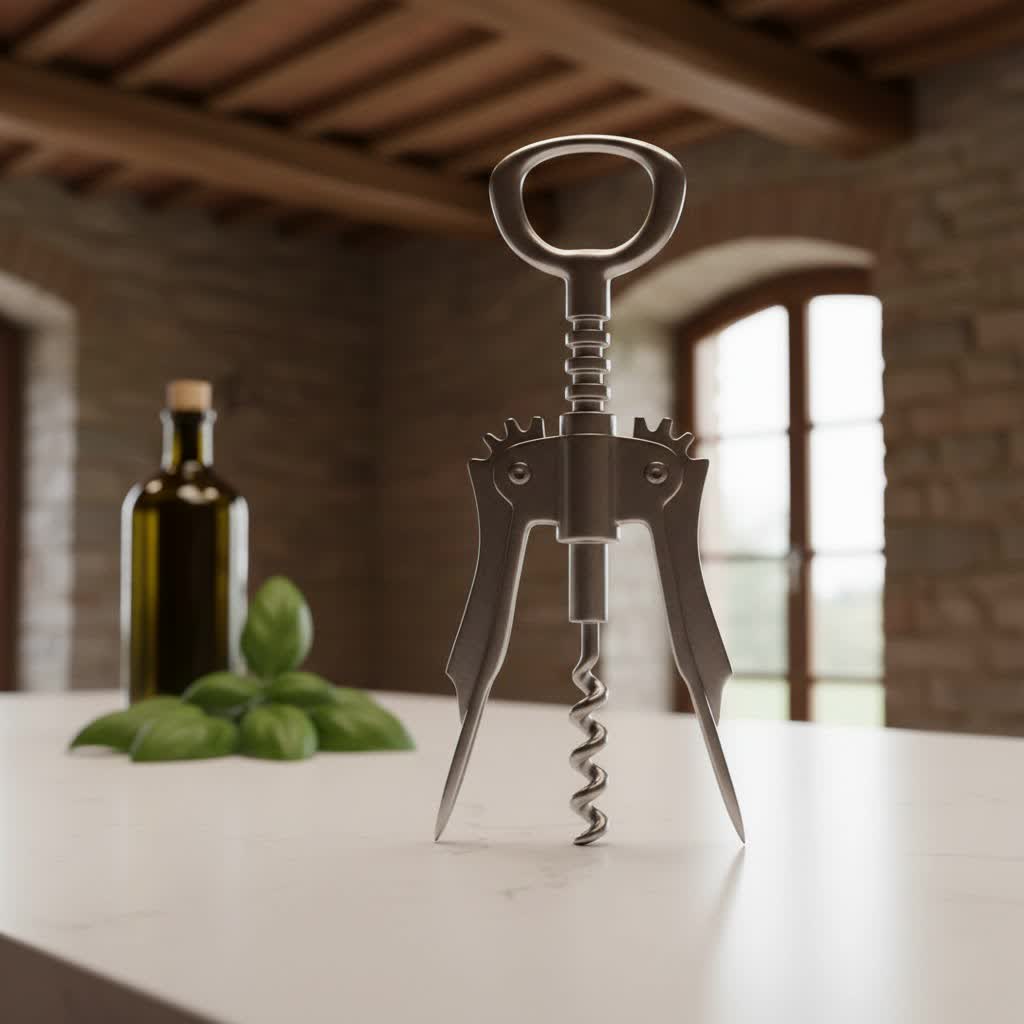
There’s a special ritual to uncorking a bottle of wine, a moment of anticipation that sets the tone for the enjoyment to follow. Yet, fumbling with a poor-quality wine opener can quickly sour the experience, turning elegance into frustration. Whether you’re a seasoned sommelier, a casual enthusiast, or just beginning your wine journey, selecting the right wine opener is crucial for smooth, effortless pouring and preserving the integrity of your cherished bottle. Let’s delve into the world of wine openers to help you discover the ideal companion for every pour.
What is a Wine Opener and Why Do You Need One?
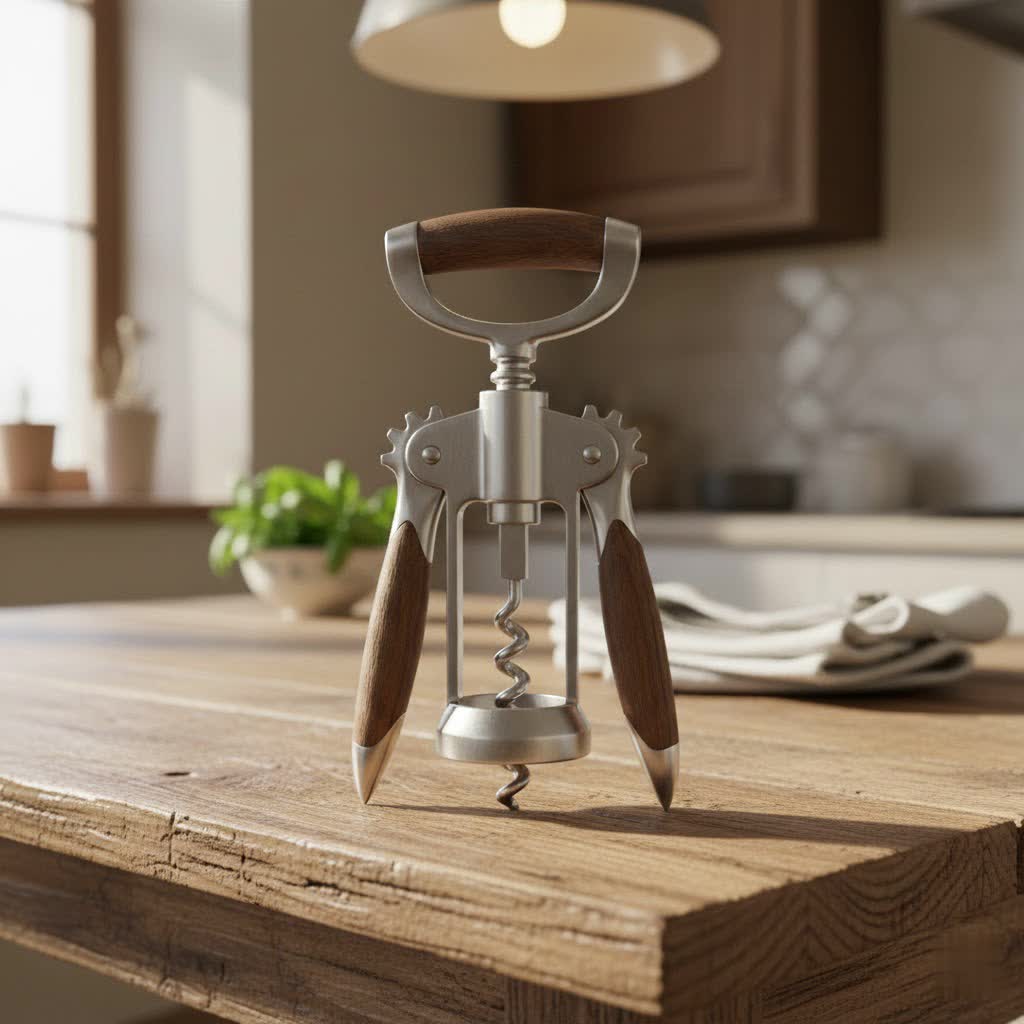
A wine opener, often interchangeably called a corkscrew, is an essential tool designed to extract corks from wine bottles. While some modern wines feature screw caps, many traditional bottles still rely on corks to seal in their precious contents. Without a proper wine opener, accessing your favorite vintage can range from inconvenient to impossible, and even potentially damaging to the cork or bottle.
The history of the wine opener is as rich as wine itself, evolving from rudimentary tools used to remove musket charges in the 17th century. The widespread adoption of glass bottles and corks in the 17th century necessitated a dedicated tool for opening. The first recorded patent for an improved corkscrew was granted to Reverend Samuel Henshall in England in 1795. His design featured a disc that prevented the screw from penetrating too deeply and helped to break the cork’s seal. Over the centuries, innovations continued, leading to the diverse range of mechanisms we see today, each aiming to make the uncorking process more efficient and user-friendly.
For any wine lover, a quality wine opener isn’t just a gadget; it’s an investment in enhancing the entire wine experience. It ensures a clean, swift cork removal, preventing cork breakage, minimizing sediment in your wine, and making the act of opening a bottle a pleasurable prelude to tasting.
Popular Types of Wine Openers on the Market
The world of wine openers offers a fascinating array of designs, each with its own advantages and ideal uses. Understanding the different types can guide you to the perfect match for your needs.
Lever Wine Opener (Rabbit Corkscrew)
Lever-style wine openers, often recognized by brands like Rabbit, are celebrated for their speed and ease of use, making them highly popular for those who open wine frequently or desire minimal effort.
- Pros: This type provides significant leverage, allowing corks to be extracted quickly—often in just a few seconds—with a simple push and pull motion. They require very little twisting or hand strength, making them ideal for individuals with dexterity issues.
- Cons: Lever openers tend to be bulkier and heavier than other styles, taking up more drawer space. They are also generally among the more expensive options. While largely foolproof, some models might feel top-heavy, and gentle handling is still recommended to avoid putting undue stress on the bottle neck.
- How to Use: Place the opener over the bottleneck, clamping it securely. Push the lever down to insert the worm into the cork, then pull the lever back up to effortlessly extract the cork.
|
Our Picks for the Best Wine Opener in 2026
We may earn a commission when you use one of our links to make a purchase.
|
||
| Num | Product | Action |
|---|---|---|
| 1 | GORILLA GRIP BPA-Free Premium Wine Opener, Heavy Duty Zinc Alloy Wing Corkscrew, Multifunctional Bottle Openers Remove Corks, Caps, Easy Use Sharp Cork Screw, Dishwasher Safe, Holiday Essential, Black |

|
| 2 | Secura Electric Wine Opener, Automatic Electric Wine Bottle Corkscrew Opener with Foil Cutter, Rechargeable (Stainless Steel) |
|
| 3 | OXO SteeL Winged Corkscrew with Removable Foil Cutter |
|
| 4 | Oster Cordless Electric Wine Bottle Opener with Foil Cutter, Silver |
|
| 5 | Cap Opener, Fun Bottle Opener for Parties and Gatherings, Creative Design Launches Caps at BBQs, Portable Entertainment for Outdoor Activities, Available in Red, Black, Blue |
|
| 6 | OXO Steel Vertical Lever Corkscrew with Removable Foil Cutter |
|
| 7 | Cuisinart CWO-25 Electric Wine Opener, Stainless Steel 3.50" x 4.75" x 10.00" |
|
| 8 | Beneno Wine Opener, Zinc Alloy Premium Wing Corkscrew with Multifunctional Bottles Opener, Sharp Wine Corkscrew with Ergonomic Non-Slip Wing Handle, Silver |
|
| 9 | KORCCI Wine Opener, Heavy-Duty Zinc Alloy Wing Corkscrew, Premium Beer Bottle Opener, Multifunctional Wine Accessories with Ergonomic Handle and Sharp Screw, for Kitchen, Bar, Restaurant, Bartenders |
|
| 10 | Wino Wine Key! - Professional Sommelier's Corkscrew Wine Opener |
|
Corkscrew Wine Opener (Twist-Style/Endless Screw/Waiter’s Corkscrew)
This broad category encompasses several designs that rely on screwing a metal “worm” into the cork.
- Waiter’s Corkscrew (Sommelier Knife/Wine Key): This is a compact, foldable, multi-tool highly favored by sommeliers and professionals for its portability and efficiency.
- Pros: Small, lightweight, and easily fits into a pocket, often including a foil cutter and a bottle opener. With practice, it allows for swift, elegant cork removal. They are generally affordable.
- Cons: Requires a degree of hand strength and dexterity, making it challenging for beginners or those with weaker grip. The foil cutter’s sharpness can vary.
- How to Use: Use the small blade to cut the foil. Twist the worm into the center of the cork. Use the hinged lever (fulcrum) to brace against the bottle lip, then pull the handle up to leverage the cork out, often in two steps.
- Twist-Style (Classic/Winged/Endless Screw): These variations typically sit on top of the bottle.
- Pros: Twist-style corkscrews are generally easier on the hands and wrists than basic waiter’s corkscrews. Winged corkscrews add leverage with two rising “wings” that are pushed down to extract the cork. Endless screw systems emphasize precision and smooth cork removal.
- Cons: Winged corkscrews can be bulky and, in some designs, may lack sufficient torque for very stubborn corks. Basic twist corkscrews still require some manual twisting effort. They are often not ideal for older, fragile corks as they can cause breakage.
- How to Use: For winged types, center the worm, twist the handle until the wings fully rise, then push the wings down to lift the cork. For twist-style, place it over the bottle and twist the top handle to insert the worm and simultaneously pull out the cork.
Electric Wine Opener
Electric wine openers offer the ultimate in convenience, automating the cork removal process with minimal physical effort.
- Pros: Extremely easy to use, requiring just the push of a button to extract the cork. Ideal for individuals with limited hand strength or those seeking a gadget-friendly solution. Many come with built-in foil cutters and charging bases.
- Cons: They are typically bulkier and often more expensive than manual options. Rely on battery power, so they need to be charged. Some models may struggle with particularly fragile or synthetic corks, and they might insert at an angle if not held steady. They are generally not recommended for very old or brittle corks.
- How to Use: Place the electric opener firmly on top of the bottle. Press the “down” button to insert the corkscrew into the cork, then press the “up” button to remove the cork from the bottle.
Air Pressure Wine Opener
Less common, air pressure openers use compressed air to push the cork out.
- Pros: Extracts corks without needing to twist or pull, reducing the risk of cork breakage. Can be very effective for many types of corks.
- Cons: Involves puncturing the cork with a needle, which can sometimes be tricky. There’s a slight risk of damaging older, fragile corks if not used carefully or if too much pressure is applied too quickly.
- How to Use: Insert the needle directly through the center of the cork. Pump the handle a few times to build air pressure inside the bottle, which gently pushes the cork out.
Multi-tool Wine Opener (beyond Waiter’s)
While the Waiter’s corkscrew is a classic multi-tool, other specialized multi-tools exist. The prompt specifically asked for multi-tool wine opener in its H3 structure which I have primarily covered under Waiter’s corkscrew.
Twin-Blade (Bilame) Corkscrew (Ah So Wine Opener)
This specialized opener uses two prongs to extract the cork without piercing it.
- Pros: Excellent for older, fragile, or damaged corks, as it removes them gently without causing further breakage or pushing cork bits into the wine. Preserves the cork’s integrity for collectors.
- Cons: Has a significant learning curve and requires a delicate technique to master. Not suitable for all cork types (e.g., very firm, new synthetic corks can be challenging). It is generally slower to use.
- How to Use: Gently insert the longer prong between the cork and the bottle neck, then the shorter one. Rock and twist the opener while pushing down to fully seat the prongs, then gently twist and pull upwards to extract the cork.
Comparison Table of Wine Opener Types
| Type of Wine Opener | Ideal Use | Ease of Use | For Fragile Corks | Price Range (General) | Key Features / Notes |
|---|---|---|---|---|---|
| Lever Opener | Frequent use, large gatherings, ease desired | ★★★★★ | Partially | $$$ | Fast, minimal effort, bulky. Often comes with foil cutters. |
| Waiter’s Corkscrew | Professional use, portability, everyday use | ★★★☆☆ | No | $ | Compact, portable, often includes foil cutter and bottle opener. Requires dexterity. |
| Twist-Style Opener | Home use, casual drinkers | ★★★★☆ | No | $$-$$$ | Easier on wrists than basic corkscrews. Some (winged) provide leverage, others are simpler. |
| Electric Opener | Convenience, limited hand strength | ★★★★★ | No | $$-$$$ | Automated, push-button operation. Rechargeable, often includes foil cutter. Not ideal for very old corks. |
| Twin-Blade (Ah So) | Old, fragile, or damaged corks, collectors | ★★☆☆☆ | Yes | $$ | Extracts corks without piercing, requires practice and finesse. |
| Air Pressure Opener | General home use | ★★★☆☆ | Partially | $$ | Uses air pressure to push cork out; no twisting. Punctures cork with needle. |
Ease of Use scale: ★☆☆☆☆ (Hardest) to ★★★★★ (Easiest)
Factors to Consider When Buying a Wine Opener
Choosing the right wine opener involves more than just picking a design; it’s about matching the tool to your lifestyle, needs, and preferences.
Material
The materials used in a wine opener significantly impact its durability, feel, and aesthetic appeal.
- Stainless Steel: Known for its robustness, corrosion resistance, and sleek appearance. Many high-quality corkscrews feature stainless steel worms and components for longevity.
- Plastic: Often found in electric or more budget-friendly twist-style openers. High-quality polycarbonate plastics can be durable, but cheaper plastics may feel flimsy or break easily.
- Wood: Common for handles on waiter’s corkscrews or lever openers, offering a classic, ergonomic grip and a touch of elegance. Ensure the wooden parts are well-finished and securely attached.
Consider how often you’ll use it and if it needs to withstand professional use or simply occasional home opening.
Durability
A good wine opener should be built to last. Look for solid construction, particularly in the worm (the spiral part) and any pivot points or levers. A well-made worm should be sturdy, sharp, and ideally coated (like Teflon) to glide smoothly into the cork without shredding it. Examine hinges and joints for tightness and stability. Reading user reviews often provides insight into how a particular model holds up over time. Proper care, like cleaning and storage, will also extend its lifespan.
Ease of Use
This is often a primary consideration.
- If you value minimal physical effort, an electric or lever wine opener might be your best bet, as they automate or significantly simplify the extraction process.
- If you prefer a compact, classic tool and don’t mind a slight learning curve, a waiter’s corkscrew is an excellent choice.
- For those with fragile or older bottles, the twin-blade (Ah So) opener, despite its initial learning curve, offers the most delicate extraction method, safeguarding precious corks from crumbling.
Consider your own hand strength and dexterity when making your selection.
Price
Wine openers range from a few dollars to several hundred.
- Budget-friendly ($10-$30): You can find reliable waiter’s corkscrews and basic twist-style openers in this range.
- Mid-range ($30-$70): This often includes more robust waiter’s corkscrews, some quality lever-style options, and entry-level electric openers.
- High-end ($70+): Premium lever openers, sophisticated electric models, and specialized twin-blade corkscrews designed for collectors often fall into this category.
Match your budget to the features and durability you need. Sometimes, spending a little more upfront for a well-built tool can save you money and frustration in the long run.
Brand
Choosing a wine opener from a reputable brand can offer assurance of quality, design, and customer support. Established brands often have a history of crafting durable and effective wine tools, incorporating ergonomic considerations and user feedback into their designs. Brands like Pulltaps, OXO, Rabbit, Peugeot, and Cuisinart are frequently mentioned for their reliable performance across different categories. While specific brand mentions might not be the focus, recognizing names associated with quality in wine accessories can guide your decision.
Top 5 Wine Openers Praised by Enthusiasts
Based on expert reviews and user feedback, certain wine openers consistently stand out for their performance, durability, and user experience. While specific models may change, the categories and characteristics remain consistent.
- The Professional’s Choice: Waiter’s Corkscrew (e.g., Pulltaps or OXO Double Lever)
- Description: These models are often made with a sturdy stainless steel worm and a comfortable, balanced handle. They typically feature a double-hinged fulcrum for efficient two-step cork removal and a sharp foil cutter.
- Pros: Highly portable, durable, and effective for both natural and synthetic corks. Provides excellent leverage when mastered.
- Cons: Requires practice to use smoothly and efficiently.
- The Effortless Opener: Lever-Style Corkscrew (e.g., Rabbit Original or OXO Vertical)
- Description: Characterized by a robust frame that clamps onto the bottle neck and a powerful lever mechanism. Often comes with a separate foil cutter.
- Pros: Extremely easy to use, extracting corks with a single, fluid motion. Great for those who find manual twisting difficult.
- Cons: Bulky and takes up more storage space. Can be more expensive.
- The Modern Marvel: Electric Wine Opener (e.g., Peugeot Elis Touch or Oster)
- Description: A battery-operated device that automatically drills into and removes the cork at the touch of a button. Many include a charging base and foil cutter.
- Pros: Ultimate convenience and minimal physical effort. Ideal for gifting or for those with limited hand strength.
- Cons: Requires charging. Can be expensive. May not be suitable for extremely old or fragile corks.
- The Classic Simplicity: Twist-Style Corkscrew (e.g., Brabantia Tasty+)
- Description: A straightforward design where you twist a handle to insert the worm, which simultaneously pulls the cork upwards. Often designed with comfortable, wide grips.
- Pros: Easier on the hands and wrists than basic corkscrews, providing a good balance of ease and control. Generally affordable and durable.
- Cons: Still requires some manual twisting effort.
- The Connoisseur’s Tool: Twin-Blade (Bilame) Corkscrew
- Description: Features two thin prongs that slide down the sides of the cork, gripping it by compression.
- Pros: Perfect for delicate, aged, or compromised corks, as it removes them without piercing, significantly reducing the risk of breakage.
- Cons: Has a steeper learning curve and requires a gentle, rocking motion to master. Not suitable for all cork types.
Tips for Using and Maintaining Your Wine Opener
To ensure your wine opener performs optimally and lasts for years, proper usage and maintenance are key.
- Foil Removal: Always remove the foil completely and cleanly before attempting to open the bottle. Most waiter’s corkscrews have a small knife for this. For other types, a dedicated foil cutter is recommended.
- Center the Worm: For corkscrews that pierce the cork, always aim to insert the worm directly into the center. This ensures even pressure and reduces the chance of the cork crumbling or breaking.
- Go Straight, Not Angled: When inserting the worm or pulling the cork, try to maintain a straight, vertical motion. Angling can damage the cork or put undue stress on the opener’s mechanism.
- Gentle and Steady: Avoid sudden, jerky movements, especially with manual openers. A slow, steady pull or twist is often more effective and safer for the cork.
- Clean After Use: Wipe down your wine opener after each use, especially the worm, to remove any cork residue or wine drips. This prevents buildup and keeps the mechanism smooth.
- Dry Thoroughly: If your opener gets wet, dry it immediately to prevent rust, especially for metal components.
- Store Properly: Store your wine opener in a drawer or a designated holder to protect it from damage and keep it clean. For electric openers, ensure they are regularly charged.
- Replace Worn Parts: Some lever-style and electric openers come with replacement worms. If your worm becomes dull or bent, replacing it can significantly improve performance.
Following these simple tips will help you enjoy smooth, effortless wine opening every time.
Conclusion
The journey of enjoying wine begins long before the first sip, starting with the satisfying pop of a perfectly extracted cork. Choosing the right wine opener transforms this initial step from a potential hurdle into a delightful part of the experience. From the portable elegance of a waiter’s corkscrew to the effortless convenience of an electric model, and the delicate precision of a twin-blade opener for aged vintages, there’s a perfect tool for every wine lover and every occasion. By considering factors like material, durability, and ease of use, you can confidently select a wine opener that not only meets your practical needs but also enhances your overall appreciation for the art of wine.
What kind of wine opener will you choose to uncork your next memorable moment?
Frequently Asked Questions
Which wine opener is the easiest to use?
Lever-style corkscrews and electric wine openers are generally considered the easiest to use, requiring minimal physical effort and dexterity. Lever openers extract corks with a simple push-and-pull motion, while electric models automate the process with the push of a button.
Which corkscrew is best for an old bottle of wine?
For old or fragile corks, a twin-blade (Ah So) corkscrew is highly recommended. It extracts the cork without piercing it, gripping the cork by compression and significantly reducing the risk of breakage or crumbling into the wine.
Which model is best for professional use in restaurants?
The sommelier corkscrew, also known as a waiter’s friend, is the preferred choice for professionals. Its compact size, portability, and multifunctional design (often including a foil cutter and bottle opener) make it ideal for quick, efficient tableside service.
Is an electric corkscrew reliable?
Yes, electric corkscrews can be very reliable, especially high-quality models from reputable brands. They offer consistent performance and ease of use, making them a great choice for home use. However, they rely on battery power and may not be ideal for extremely fragile, aged corks.
Which wine opener makes the best gift?
An elegant sommelier corkscrew or a designer lever-style opener often makes a thoughtful gift. For a wine enthusiast who has everything, a specialized twin-blade (Bilame) corkscrew can be a truly unique and appreciated addition to their collection.