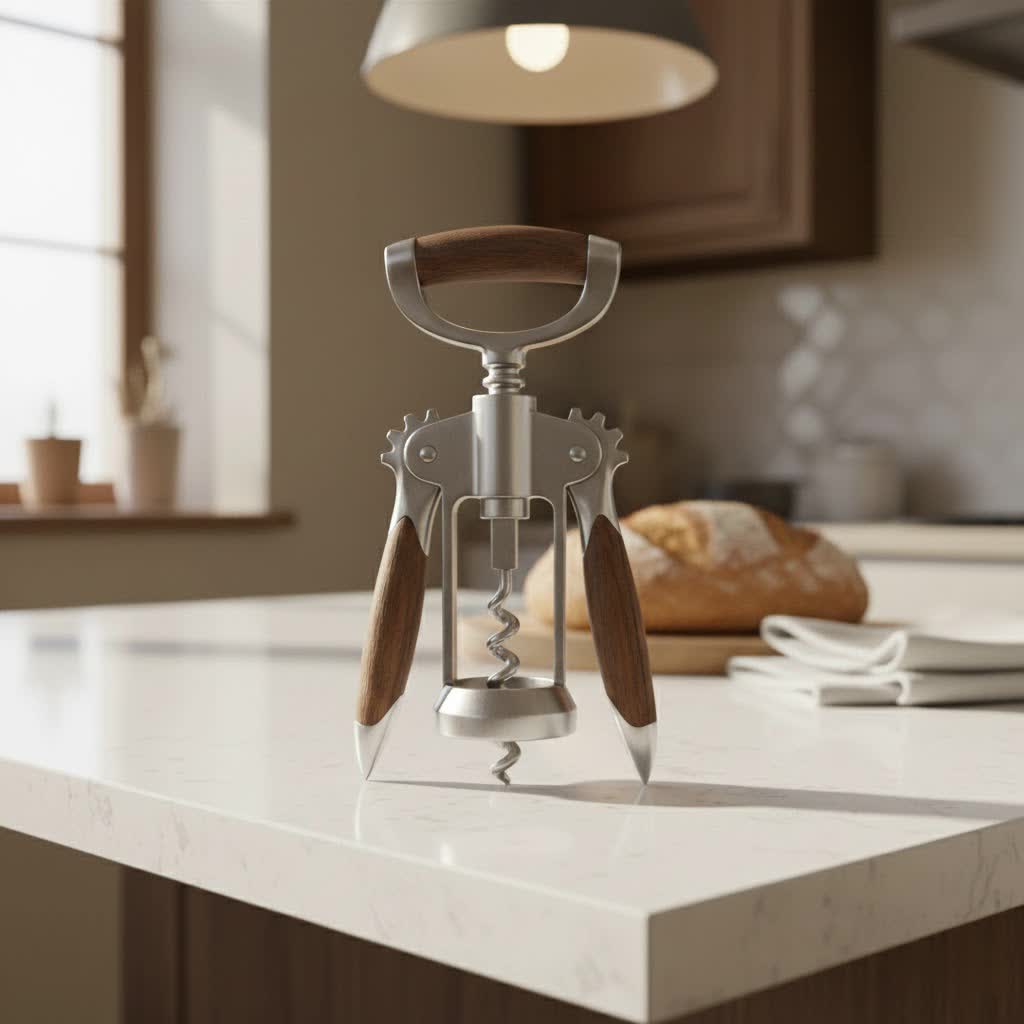
For any wine enthusiast, the moment of uncorking a bottle is more than just a task—it’s a ritual, a prelude to enjoyment. Yet, a stubborn or fragile cork can quickly turn anticipation into frustration, threatening to crumble and spoil the wine. While many tools promise a seamless opening experience, the specialized two-prong wine opener stands out as a true connoisseur’s choice, particularly for delicate and aged vintages. This guide will examine the world of wine openers, highlighting the unique benefits and proper usage of the two-prong variety, ensuring you choose the perfect companion for every bottle in your collection.
What is a Wine Opener? Why Do You Need One?
A wine opener, at its core, is a specialized tool designed to extract the cork from a wine bottle, allowing access to the liquid inside. Since the 17th century, when corks became the standard bottle stopper, countless devices have emerged to simplify this process. From basic helical screws to sophisticated modern designs, each wine opener aims to achieve the same goal: safely and efficiently remove the cork. For browse all wine accessories articles on this site.
The importance of a quality wine opener cannot be overstated for any wine lover. A well-designed opener not only prevents broken corks and wine contamination but also enhances the overall wine-drinking experience. It transforms a potentially difficult task into an elegant and effortless gesture, honoring the wine and the occasion. Without the right tool, opening certain bottles, especially those with fragile or old corks, can be a daunting challenge, potentially damaging the cork and diminishing the wine’s quality.
Popular Types of Wine Openers on the Market
The market offers a diverse array of wine openers, each with its unique mechanism, advantages, and disadvantages. Understanding these differences helps you select the best tool for your specific needs.
Waiter’s Corkscrew (Wine Key)
Often regarded as the professional’s choice, the waiter’s corkscrew is a compact, multi-functional tool resembling a pocket knife. It typically features a spiral worm, a small blade for cutting foil, and a leverage mechanism (often double-hinged) to ease cork extraction.
- Pros: Portable, affordable, and highly efficient in skilled hands.
- Cons: Requires practice and hand strength to use effectively, can break corks if not handled precisely.
- How to Use: Cut the foil, twist the worm into the cork, use the lever in one or two steps against the bottle rim to pull the cork out.
Winged Corkscrew
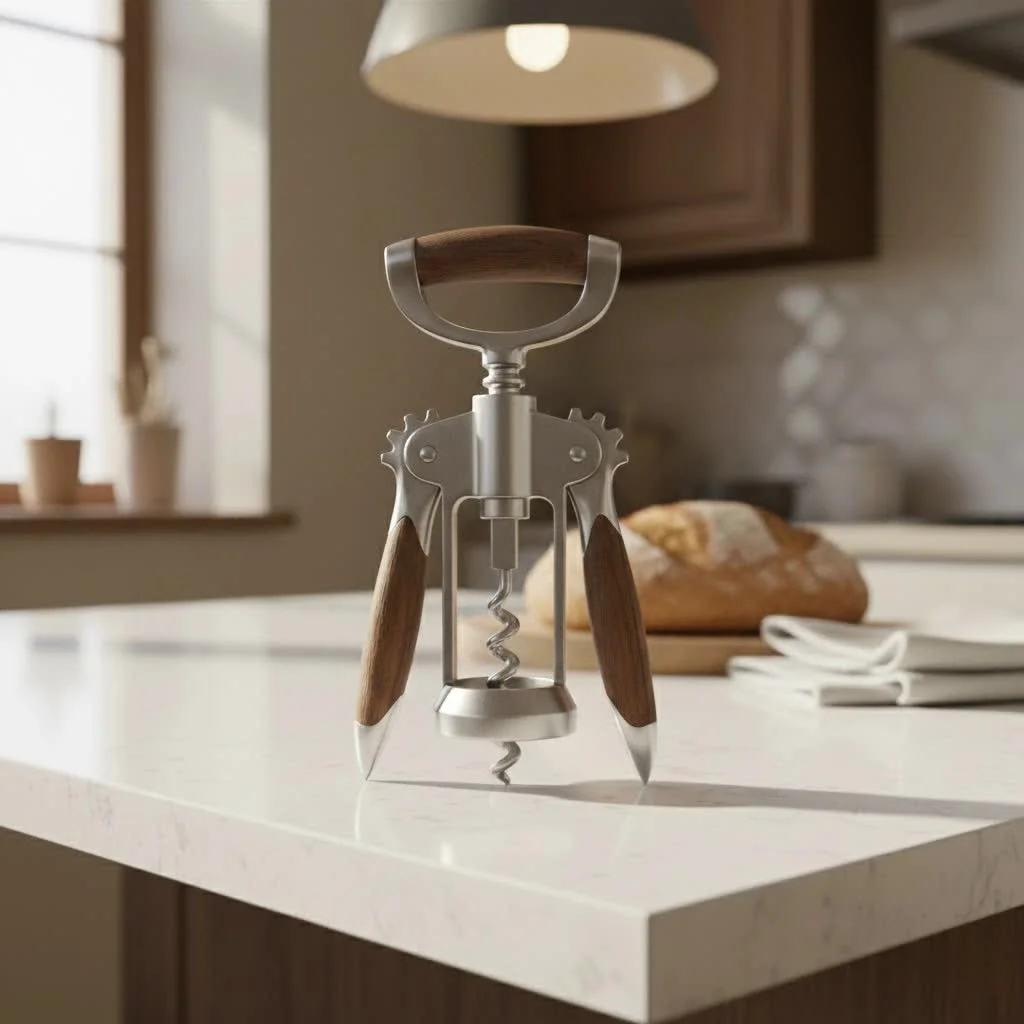
A common household staple, the winged corkscrew features a screw that twists into the cork, simultaneously raising two “wings” on either side. Once the wings are fully raised, pushing them down extracts the cork.
- Pros: Easy to use, suitable for beginners, often includes a bottle cap opener.
- Cons: Bulky, not ideal for travel, can sometimes damage delicate corks, not preferred by professionals.
- How to Use: Place over the bottle, twist the handle to insert the screw, push down the two wings to lift the cork.
Lever Wine Opener (Rabbit Style)
|
Our Picks for the Best Wine Opener in 2026
As an Amazon Associate I earn from qualifying purchases.
|
||
| Num | Product | Action |
|---|---|---|
| 1 | Beneno Wine Opener, Zinc Alloy Premium Wing Corkscrew with Multifunctional Bottles Opener, Sharp Wine Corkscrew with Ergonomic Non-Slip Wing Handle, Silver |

|
| 2 | OXO SteeL Winged Corkscrew with Removable Foil Cutter |
|
| 3 | KORCCI Wine Opener, Heavy-Duty Zinc Alloy Wing Corkscrew, Premium Beer Bottle Opener, Multifunctional Wine Accessories with Ergonomic Handle and Sharp Screw, for Kitchen, Bar, Restaurant, Bartenders |
|
| 4 | Wino Wine Key! - Professional Sommelier's Corkscrew Wine Opener |
|
| 5 | Cap Opener, Fun Bottle Opener for Parties and Gatherings, Creative Design Launches Caps at BBQs, Portable Entertainment for Outdoor Activities, Available in Red, Black, Blue |
|
| 6 | OXO Steel Vertical Lever Corkscrew with Removable Foil Cutter |
|
| 7 | Cuisinart CWO-25 Electric Wine Opener, Stainless Steel 3.50" x 4.75" x 10.00" |
|
| 8 | GORILLA GRIP BPA-Free Premium Wine Opener, Heavy Duty Zinc Alloy Wing Corkscrew, Multifunctional Bottle Openers Remove Corks, Caps, Easy Use Sharp Cork Screw, Dishwasher Safe, Holiday Essential, Black |
|
| 9 | Oster Cordless Electric Wine Bottle Opener with Foil Cutter, Silver |
|
| 10 | Secura Electric Wine Opener, Automatic Electric Wine Bottle Corkscrew Opener with Foil Cutter, Rechargeable (Stainless Steel) |
|
These openers, often called “rabbit” openers due to their resemblance to a rabbit’s ears, utilize a strong lever mechanism to extract corks quickly and with minimal effort. They clamp onto the bottle neck, and a simple push and pull of the lever inserts the screw and removes the cork.
- Pros: Extremely easy and fast to use, ideal for those with limited hand strength, durable.
- Cons: Bulky, can be expensive, not always compatible with all bottle neck sizes.
- How to Use: Clamp the opener onto the bottle neck, lower the lever to insert the screw, then lift the lever to pull the cork out.
Electric Wine Opener
Electric wine openers provide ultimate convenience, operating with battery power to automatically remove corks at the push of a button. Many models include integrated foil cutters and rechargeable bases.
- Pros: Effortless operation, ideal for individuals with hand mobility issues, sleek and modern design.
- Cons: Requires charging, can be more expensive, less control over the cork extraction process, not suitable for plastic corks.
- How to Use: Place the opener over the bottle, press a button to engage the spiral and extract the cork, then another button to release the cork from the opener.
Air Pressure Wine Opener
This innovative opener uses a needle to puncture the cork, then pumps air into the bottle, creating pressure that gently pushes the cork out.
- Pros: No cork damage, easy and fun to use, preserves cork integrity, suitable for all bottle sizes.
- Cons: Not suitable for plastic corks, can be slower than other methods, some risk of bottle neck damage if used improperly or with extremely tight corks, may introduce sediment.
- How to Use: Insert the needle through the cork, pump air a few times (3-7), and the cork will pop out.
Two-Prong Wine Opener (Ah-So / Butler’s Friend)
The two-prong wine opener, also known as an “Ah-So” or “Butler’s Friend,” is a unique and elegant tool distinguished by its two thin metal prongs rather than a traditional corkscrew. It is specifically designed to extract corks without piercing them, making it indispensable for older, more delicate wines where cork breakage is a concern. The prongs slide between the cork and the bottle’s neck, gently gripping the cork for removal.
This classy tool allows for the cork to be removed entirely intact, which is highly valued by collectors who wish to preserve the stopper as a memento. It is particularly effective for removing old, crumbly corks without damaging them or contaminating the wine with residue. While it requires a bit of practice to master, the two-prong opener offers a refined solution for even the most challenging corks. Its ability to extract corks by friction rather than puncture ensures the structural integrity of the cork, preventing crumbling and bits falling into the wine.
- Pros: Ideal for fragile or aged corks, prevents cork breakage, preserves cork integrity, no cork bits in wine, perfect for collectors.
- Cons: Requires a specific technique and practice to use effectively, can be tricky for beginners, not as fast as other openers.
- How to Use: Insert the longer prong between the cork and the bottle neck, then gently rock and push down the shorter prong. Once both prongs are fully inserted, twist and pull upwards while rocking gently to extract the cork.
Comparison Table of Wine Openers
Choosing the right wine opener often comes down to balancing ease of use, durability, and the type of wine you frequently enjoy. Here’s a quick comparison:
| Type of Wine Opener | Pros | Cons | Ease of Use | Best For |
|---|---|---|---|---|
| Waiter’s Corkscrew | Portable, compact, precise in skilled hands | Requires practice, can break corks if not careful | Medium-Hard | Professionals, everyday use, portability |
| Winged Corkscrew | Easy for beginners, straightforward mechanism | Bulky, less precise, can damage fragile corks | Easy | Casual home use |
| Lever Wine Opener | Fast, effortless, good for limited hand strength | Bulky, expensive, may not fit all bottle necks | Easy | Frequent use, gifts, limited hand strength |
| Electric Wine Opener | Fully automatic, convenient, sleek | Requires charging, expensive, no control over cork, not for plastic | Very Easy | Everyday home use, gifts, limited hand strength |
| Air Pressure Opener | No cork damage, good for fragile corks, unique | Not for plastic corks, some risk of bottle damage, slower | Medium | Delicate corks, collectors |
| Two-Prong Opener | Preserves fragile corks, no piercing, ideal for old wines | Requires practice, technique-specific | Medium-Hard | Aged wines, fragile corks, collectors, port wine |
Factors to Consider When Buying a Wine Opener (Buying Guide)
Selecting the ideal wine opener involves more than just picking the first one you see. Several factors can influence its performance, longevity, and your overall satisfaction.
Material
The material of your wine opener directly impacts its durability, aesthetics, and even weight.
- Stainless Steel: Highly durable, rust-resistant, easy to clean, and offers a professional look. Often found in high-quality waiter’s friends and lever openers.
- Zinc Alloy: Provides good strength and corrosion resistance, frequently used in winged corkscrews and some lever models.
- Plastic/Nylon: Lighter and more affordable, but generally less durable. Often combined with metal components in electric and some winged openers.
- Wood: Primarily for aesthetic appeal, usually combined with metal for functionality, found in some traditional designs.
Durability
A good wine opener should be an investment that lasts. To assess durability:
- Construction: Look for solid, well-assembled parts without wobbling or loose components.
- Spiral (Worm) Strength: For corkscrews, the worm should be robust and sharp, made from hardened steel to prevent bending or breaking.
- Prong Thickness (for Two-Prong): The prongs should be thin enough to slide easily but strong enough not to bend during insertion or extraction.
- Mechanism: Check the smooth operation of levers, gears, or hinges. A higher price often correlates with better materials and craftsmanship, leading to greater longevity.
Ease of Use
The most user-friendly wine opener is one that matches your physical capabilities and comfort level.
- Ergonomic Design: Handles should fit comfortably in your hand, offering a secure grip.
- Weight and Size: Consider if you prefer a lightweight, portable opener (like a waiter’s corkscrew) or a heavier, more stable one for home use (like a lever or electric model).
- Strength Required: Electric and lever openers require minimal physical exertion, making them excellent choices for seniors or individuals with arthritis. Two-prong openers, while gentle on corks, demand a delicate touch and technique.
Price
Wine openers range widely in price, from budget-friendly options under $10 to luxury models exceeding $100.
- Budget-Friendly: Basic corkscrews and winged openers are usually affordable and can be sufficient for occasional use.
- Mid-Range: Offers a balance of quality and features, including reliable waiter’s friends and some electric models.
- High-End/Luxury: Often feature premium materials, advanced mechanisms, and renowned brands, providing superior durability and performance. Consider your usage frequency and budget to find the best value.
Brand
Choosing a wine opener from a reputable brand often guarantees better quality, customer support, and reliability. Brands like Pulltap’s, Secura, Oster, and Rabbit are well-regarded in the wine accessory industry, known for their innovative designs and durable products. Trustworthy brands frequently offer warranties or guarantees, giving you peace of mind with your purchase.
Top Wine Openers for Diverse Needs
While the focus here is on the specialized two-prong wine opener, we’ll also highlight other top-rated types to ensure you find the perfect match for any bottle.
For those challenging, aged bottles with fragile corks, the Ah-So Two-Prong Wine Opener is unparalleled. Its non-piercing design gently coaxes out delicate corks, preserving them entirely and preventing any unwanted debris from entering your wine. This makes it an essential tool for wine collectors and enthusiasts of vintage wines.
For overall versatility and professional appeal, the Pulltap’s Double-Hinged Waiter’s Corkscrew is a favorite among sommeliers for its durability, efficiency, and compact design. For effortless convenience, the Secura Electric Wine Opener stands out, offering quick, push-button cork removal, ideal for those seeking ease and speed. If you prefer a robust mechanical advantage, the Rabbit Lever Wine Opener is an excellent choice, known for its rapid uncorking with minimal effort.
Tips for Using and Maintaining Your Wine Opener
Proper usage and regular maintenance are crucial for extending the life of your wine opener and ensuring a flawless uncorking experience every time.
General Usage Tips:
- Foil Removal: Always remove the foil cleanly before attempting to extract the cork. Many openers come with integrated foil cutters, or you can use a small knife.
- Steady Hand: Regardless of the opener type, a steady hand and controlled movements prevent unnecessary force that could damage the cork or the bottle.
- Vertical Pull: When extracting the cork, try to pull it straight up, avoiding twisting or bending, especially with traditional corkscrews.
- Practice: If you’re using a new or more technical opener, like the two-prong, practice on less valuable bottles first to refine your technique.
Specific Two-Prong Usage:
- Carefully insert the longer prong between the cork and the bottle lip, pushing it down until a small gap is created.
- Then, slide the shorter prong into the opposite side.
- Gently rock the opener from side to side while pushing both prongs down until they are fully inserted and the handle rests on the bottle neck.
- Once fully inserted, twist the handle while pulling upwards, rocking gently, to extract the cork.
Maintenance Tips:
- Clean Regularly: After each use, wipe down your wine opener, especially the screw or prongs, to remove any cork residue or wine stains. Use a damp cloth; avoid harsh detergents that could damage materials.
- Dry Thoroughly: Ensure your opener is completely dry before storing to prevent rust, particularly for metal components.
- Lubricate (if applicable): For lever-style openers with moving parts, occasional lubrication with food-grade oil can ensure smooth operation.
- Store Properly: Keep your wine opener in a designated drawer or, for more delicate models, in its original casing to protect it from damage and dust.
Conclusion
Choosing the right wine opener significantly enhances your enjoyment of wine, turning every uncorking into a moment of pleasure rather than a struggle. From the robust simplicity of a waiter’s corkscrew to the effortless convenience of an electric model, and the delicate precision of the two-prong wine opener, there’s a perfect tool for every bottle and every occasion. For those precious vintage wines with their fragile, aged corks, the two-prong opener, or “Ah-So,” stands as an indispensable guardian, preserving the integrity of the cork and the wine itself. By considering factors like material, durability, ease of use, and your specific needs, you can confidently select a wine opener that will serve you faithfully for years to come.
Which wine opener will you choose to improve your next wine-drinking experience?
Frequently Asked Questions
What is a two-prong wine opener used for?
A two-prong wine opener is primarily used for opening older or more fragile wine bottles where the cork may be delicate or prone to crumbling. It extracts the cork without piercing it, preserving its integrity and preventing cork bits from falling into the wine, making it ideal for collectors and vintage wines.
How do you use a two-prong wine opener?
To use a two-prong wine opener, first insert the longer prong between the cork and the bottle’s neck. Then, gently push and rock the shorter prong down on the opposite side. Once both prongs are fully inserted with the handle resting on the bottle, twist and pull the handle upwards while rocking to carefully extract the cork.
Is a two-prong wine opener better than a corkscrew for old wines?
Yes, for old or fragile wines, a two-prong wine opener is generally considered better than a traditional corkscrew. A corkscrew pierces the cork, which can cause old, brittle corks to break or crumble. The two-prong opener gently grips the cork from the sides, extracting it intact without piercing.
Are two-prong wine openers difficult to use?
Two-prong wine openers require a bit of practice to master, as their technique differs from traditional corkscrews. While not inherently “difficult,” they demand a delicate touch and specific rocking motion, which can be challenging for first-time users. However, with a little practice, they become very effective.
What are other names for a two-prong wine opener?
The two-prong wine opener is also commonly known as an “Ah-So” wine opener, a “Butler’s Friend,” or simply a “cork extractor.” These names all refer to the same design that uses two parallel prongs to remove corks without screwing into them.
Get our weekly buyer guide
Practical specs, not advice. Unsubscribe anytime.
