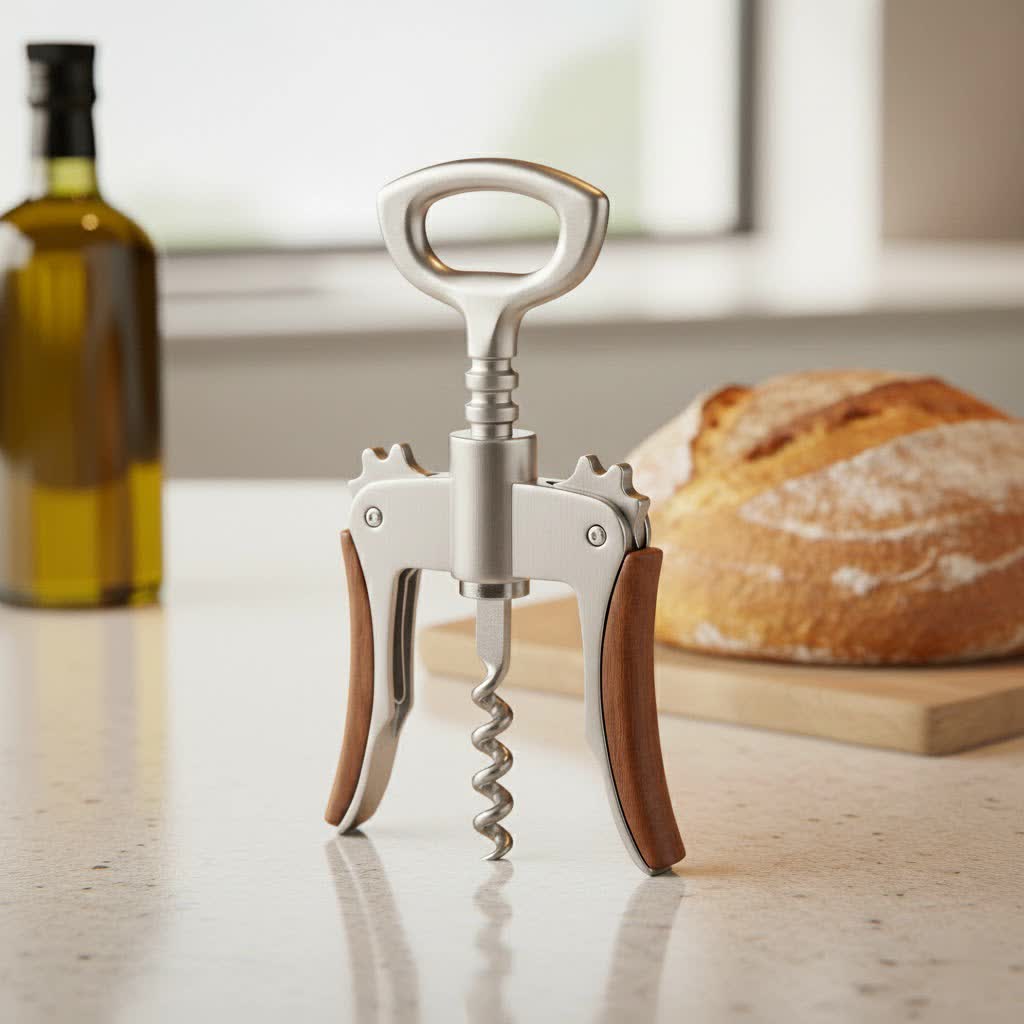
Imagine preparing for a delightful evening, the perfect bottle of wine waiting to be savored, but dreading the struggle of uncorking it. This common scenario can quickly shift from anticipation to frustration. Fortunately, the automatic wine opener has revolutionized this experience, transforming a potentially cumbersome task into an effortless moment of enjoyment. Designed for convenience and efficiency, an automatic wine opener ensures you can pop open any bottle with minimal effort, allowing you to focus on what truly matters: the wine and the company.
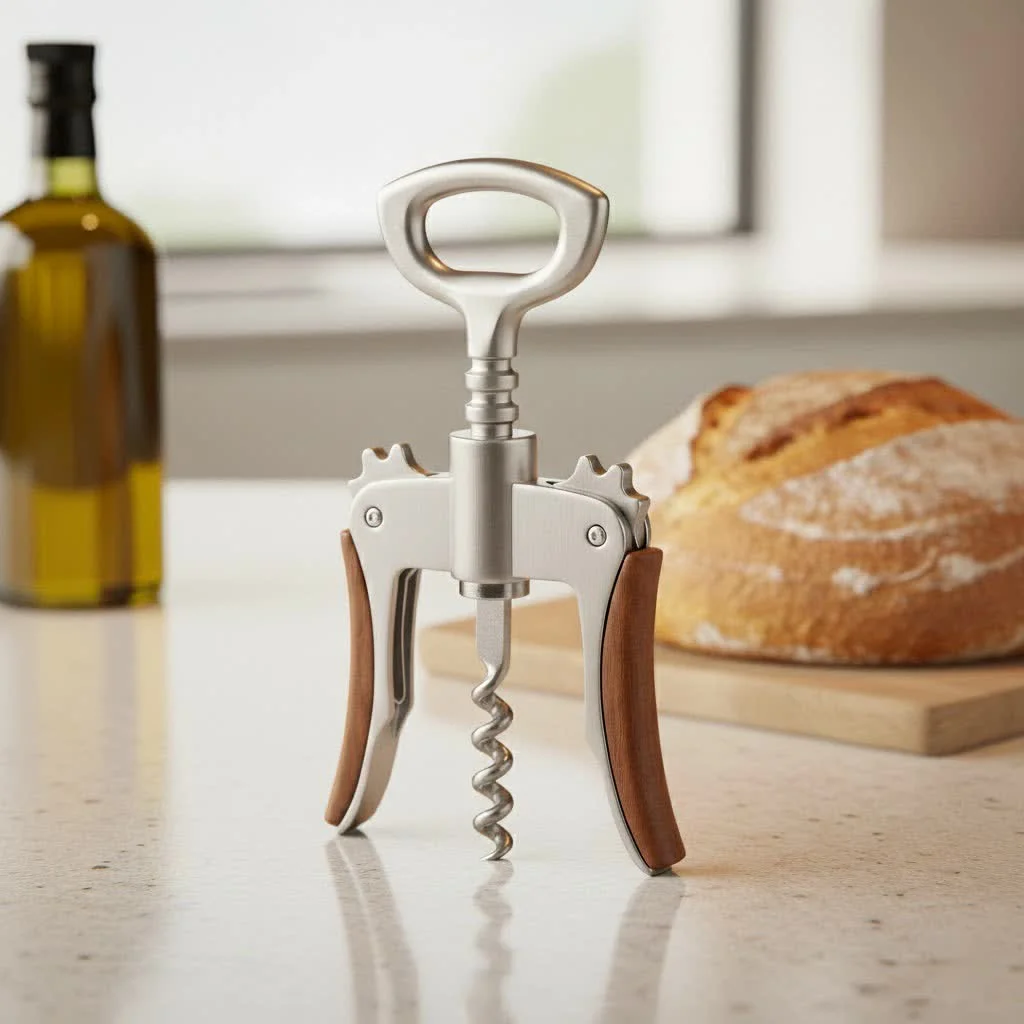
What is a Wine Opener, and Why Do You Need One?
A wine opener, at its core, is a tool designed to remove corks from wine bottles. For centuries, wine enthusiasts have sought efficient ways to access their beloved beverages. From simple corkscrews that demand considerable strength and technique to today’s sophisticated automatic devices, the evolution of the wine opener mirrors our pursuit of convenience and refined enjoyment. For shop curated wine accessories on this site.
While traditional corkscrews require manual twisting and pulling, often posing a challenge for some, a quality wine opener, particularly an automatic one, removes these barriers. It ensures a smooth, quick, and reliable uncorking process every time, preventing broken corks or spilled wine. For anyone who appreciates wine, an automatic wine opener isn’t just a luxury; it’s a practical enhancement to their wine experience, promising ease and elegance with every pour.
Popular Types of Wine Openers on the Market
The world of wine openers is diverse, offering a range of mechanisms to suit various preferences and needs. While many traditional options exist, the focus here is on modern solutions, especially those that automate the uncorking process.
Lever Wine Opener
Lever wine openers, often called “Rabbit” style openers due to a popular brand, operate on a simple mechanical principle. You clamp the opener onto the bottle neck, lower a lever to insert the corkscrew, and then raise the lever to extract the cork.
- Pros: They offer significant mechanical advantage, making cork removal easier than traditional corkscrews. They are generally robust and can be quite fast once you master the motion.
- Cons: They can be bulky and may still require a degree of physical effort and coordination. Some users find them less portable.
- How to Use: Securely clamp the opener onto the bottle. Push the lever down to drive the worm into the cork. Pull the lever up to extract the cork. Release the bottle and then push the lever down again to eject the cork from the worm.
Corkscrew Wine Opener
|
Our Picks for the Best Wine Opener in 2026
As an Amazon Associate I earn from qualifying purchases.
|
||
| Num | Product | Action |
|---|---|---|
| 1 | Beneno Wine Opener, Zinc Alloy Premium Wing Corkscrew with Multifunctional Bottles Opener, Sharp Wine Corkscrew with Ergonomic Non-Slip Wing Handle, Silver |

|
| 2 | Cuisinart CWO-25 Electric Wine Opener, Stainless Steel 3.50" x 4.75" x 10.00" |
|
| 3 | OXO Steel Vertical Lever Corkscrew with Removable Foil Cutter |
|
| 4 | OXO SteeL Winged Corkscrew with Removable Foil Cutter |
|
| 5 | Secura Electric Wine Opener, Automatic Electric Wine Bottle Corkscrew Opener with Foil Cutter, Rechargeable (Stainless Steel) |
|
| 6 | KORCCI Wine Opener, Heavy-Duty Zinc Alloy Wing Corkscrew, Premium Beer Bottle Opener, Multifunctional Wine Accessories with Ergonomic Handle and Sharp Screw, for Kitchen, Bar, Restaurant, Bartenders |
|
| 7 | Cap Opener, Fun Bottle Opener for Parties and Gatherings, Creative Design Launches Caps at BBQs, Portable Entertainment for Outdoor Activities, Available in Red, Black, Blue |
|
| 8 | GORILLA GRIP BPA-Free Premium Wine Opener, Heavy Duty Zinc Alloy Wing Corkscrew, Multifunctional Bottle Openers Remove Corks, Caps, Easy Use Sharp Cork Screw, Dishwasher Safe, Holiday Essential, Black |
|
| 9 | Wino Wine Key! - Professional Sommelier's Corkscrew Wine Opener |
|
| 10 | Oster Cordless Electric Wine Bottle Opener with Foil Cutter, Silver |
|
This broad category encompasses many manual openers, from the classic waiter’s friend to winged corkscrews. While not automatic, understanding them helps appreciate the innovation of automated versions.
- Pros: Often compact, portable, and durable. Many professional sommeliers prefer the control a waiter’s corkscrew offers.
- Cons: Requires significant hand strength, technique, and patience. There’s a higher risk of breaking the cork or struggling with stubborn corks.
- How to Use: (For a waiter’s friend) Cut the foil, insert the worm into the center of the cork, twist until fully inserted, and use the lever mechanism against the bottle rim to pull the cork out.
Electric Wine Opener
Electric wine openers, often synonymous with automatic wine openers, are battery-powered devices that remove corks at the touch of a button. They are the epitome of convenience.
- Pros: Effortless operation, ideal for those with limited hand strength or arthritis. Fast and efficient, typically uncorking a bottle in seconds (5-10 seconds). Many come with integrated foil cutters and rechargeable bases. They can often open dozens of bottles on a single charge.
- Cons: Generally more expensive than manual options. Relies on battery power, which needs recharging. Some models can be bulky. Certain designs might wobble or insert the corkscrew at an angle if not held steady.
- How to Use: After removing the foil, place the opener squarely over the bottle. Press and hold a “down” button (or apply downward pressure for some automatic models) to activate the corkscrew. The worm will automatically drill into the cork and pull it out. Press an “up” button (or release pressure/tilt the device) to eject the cork from the opener.
Air Pressure Wine Opener
Air pressure wine openers work by inserting a needle into the cork and then pumping air into the bottle. The increased air pressure forces the cork out.
- Pros: No twisting or pulling, which minimizes the risk of cork breakage. Generally easy to use once familiar with the technique.
- Cons: Can be slow and requires multiple pumps. There’s a slight risk of damaging the bottle if too much pressure is applied, though this is rare with proper use. Some wine connoisseurs argue it can affect the wine.
- How to Use: Insert the needle through the cork. Pump the handle several times until the cork begins to rise. Once loose, gently remove the cork.
Multi-tool Wine Opener
While less of a distinct “type” in terms of opening mechanism, many wine openers, especially electric and lever styles, come as part of a multi-tool set, including accessories like foil cutters, aerators, and vacuum stoppers.
- Pros: Offers a comprehensive wine experience with all necessary tools in one package. Can be good value for money.
- Cons: Quality of included accessories can vary. May be larger or less portable.
- How to Use: Utilizes the primary opening mechanism (e.g., electric corkscrew) and then other tools for preservation or aeration.
Comparison Table of Wine Opener Types
Choosing the right wine opener depends on your priorities: ease of use, speed, durability, or budget. Here’s a comparative look:
| Type of Wine Opener | Pros | Cons | Price Range (Estimated) | Ease of Use | Durability |
|---|---|---|---|---|---|
| Lever Style | Fast, good mechanical advantage, less effort than manual. | Bulky, can be expensive, still requires some physical interaction. | $20 – $80 | Medium-High | High |
| Manual Corkscrew | Portable, affordable, traditional, high control. | Requires strength and technique, higher risk of cork breakage. | $5 – $30 | Low-Medium | Very High |
| Electric/Automatic | Effortless, fast, ideal for mobility issues, rechargeable. | Higher initial cost, battery dependence, potential for wobble in some models. | $25 – $100+ | Very High | Medium-High |
| Air Pressure | No twisting/pulling, minimal cork damage. | Slower, requires pumping, slight risk of bottle damage, some concerns about wine integrity. | $15 – $40 | Medium | Medium |
| Multi-tool Sets | Comprehensive set of accessories for full wine experience. | Quality of accessories can vary, larger footprint. | $30 – $150+ | Varies | Varies |
Factors to Consider When Buying an Automatic Wine Opener (Buying Guide)
Investing in an automatic wine opener can significantly enhance your wine enjoyment. To ensure you select the best one for your needs, consider these key factors.
Material
The materials used in an automatic wine opener dictate its aesthetics, durability, and feel.
- Stainless Steel: Pros: Offers a sleek, modern look, is highly durable, rust-resistant, and easy to clean. Many premium models feature stainless steel housing. Cons: Can be heavier and potentially more expensive.
- Plastic: Pros: Lightweight, often more affordable, and available in various colors and designs. Cons: May feel less robust and durable over time compared to metal options.
- Wood: Pros: Adds a touch of traditional elegance and a comfortable grip. Cons: Less common for automatic models; typically found in accents rather than the primary housing. Requires more care and is susceptible to moisture damage.
Choosing a model with a stainless steel worm (the corkscrew spiral) is crucial, regardless of the outer casing, as it provides strength and resistance against wear.
Durability
A durable automatic wine opener is a long-term companion for your wine journey.
- How to Check Durability: Look for solid construction, minimal moving parts that feel loose, and high-quality materials like sturdy plastics or metals. Read reviews to gauge real-world longevity. Pay attention to the motor’s power and how it handles different cork types (natural vs. synthetic).
- Maintenance Tips: To extend its lifespan, always follow the manufacturer’s cleaning instructions. Typically, wiping the worm clean after each use with a dry cloth is recommended. Store it on its charging base or in a designated spot to protect it from drops and impacts. Ensure it’s fully charged before use to prevent strain on the motor.
Ease of Use
The primary appeal of an automatic wine opener is its simplicity.
- Design: Look for ergonomic designs that fit comfortably in your hand. Models with clear “up” and “down” buttons or an intuitive pressure-activated mechanism are often preferred. Some users dislike fully automatic, button-less models that begin operating with the slightest touch, preferring more control.
- Size and Weight: A compact and lightweight opener is more portable and easier to store, but ensure it still feels substantial enough to handle the uncorking process without wobbling.
- Suitability for Different Users: For individuals with arthritis, carpal tunnel, or limited hand strength, a truly one-touch, low-effort electric model is paramount. Testing the grip and button feedback (if possible) is advisable.
Price
Automatic wine openers come in a range of price points, reflecting features, materials, and brand reputation.
- Entry-Level ($25-$50): Often plastic construction, basic features, and reliable enough for occasional use. Good for those new to automatic openers or on a tighter budget.
- Mid-Range ($50-$100): Typically offers better build quality, stainless steel accents, faster operation, and possibly more charges per battery cycle. This segment often provides the best balance of features and value.
- Premium ($100+): Features high-end materials, advanced motors, sophisticated designs, and often comes with additional accessories or smart features. These are for serious wine enthusiasts who prioritize aesthetics and top-tier performance.
Consider your usage frequency and budget. A mid-range option often provides excellent long-term value.
Brand
Choosing a reputable brand can offer peace of mind regarding product quality, warranty, and customer support.
- Reputable Brands: Brands frequently mentioned in positive reviews for their electric wine openers include Oster, Secura, Rabbit, Cuisinart, Peugeot, and Ozeri. These brands often invest in research and development to improve performance and user experience.
- Why Brand Matters: Established brands typically have stricter quality control, leading to more consistent performance and durability. They are also more likely to offer reliable warranties and readily available replacement parts or customer service if issues arise.
Top 5 Automatic Wine Openers for Effortless Uncorking
Based on performance, ease of use, durability, and user feedback, here are some of the most highly-rated automatic wine openers currently available:
-
Peugeot Elis Touch Electric Corkscrew
- Description: This premium electric wine opener is known for its sleek design, quiet operation, and exceptional stability. It features an intuitive pressure-activated start (though it’s a “giant button” rather than fully automatic) and a powerful motor.
- Pros: Extremely fast (around 9.5 seconds), inserts corkscrew straight and centered, robust build, high-capacity Li-ion battery, comes with a charging base and foil cutter.
- Cons: High price point.
- Review: “The Peugeot Elis Touch is a game-changer. It’s incredibly fast and feels solid, never wobbling. Worth the investment for the sheer ease and reliability.”
-
Cuisinart Electric Wine Opener
- Description: A stylish and intuitive option, this electric opener boasts “up” and “down” buttons for precise control, making it user-friendly.
- Pros: Easy and intuitive button operation, good speed (around 10.7 seconds), can open up to 50 bottles on a single charge, includes a charging base and foil cutter.
- Cons: Can sometimes insert at a slight angle if not held perfectly straight.
- Review: “For the price, the Cuisinart is fantastic. The buttons give you great control, and it looks elegant on the counter. It’s my go-to for parties.”
-
Oster Electric Wine Opener
- Description: A popular and budget-friendly choice, the Oster offers cordless convenience and a sleek design, often available as part of a kit.
- Pros: Affordable, lightweight, inserts relatively straight, often comes with useful accessories like cork stoppers and a pouring spout in expanded kits, opens around 30 bottles per charge.
- Cons: Can occasionally wobble, slightly slower than top-tier models (around 11.3 seconds).
- Review: “You can’t beat the Oster for value. It’s simple, effective, and gets the job done without breaking the bank. Great for everyday use.”
-
Secura Electric Wine Opener
- Description: This model stands out for its reliability and ease of use, featuring a transparent corkscrew housing that allows you to see the cork extraction process.
- Pros: Reliable, fast (can open up to 30 bottles on a full charge), often includes a built-in foil cutter. The transparent design is a nice touch.
- Cons: Some users report it can wobble during operation or “chew up” corks slightly.
- Review: “The Secura is a workhorse. It’s fast, dependable, and I love seeing the cork come out. A great all-around choice.”
-
Rabbit Automatic Electric Corkscrew
- Description: While some “automatic” models are pressure-activated and may be finicky, Rabbit offers some truly automatic experiences where the cork is removed and ejected with no buttons.
- Pros: Truly hands-free operation in some models, opens 30+ bottles on a single charge, typically comes with a rechargeable base.
- Cons: Some pressure-activated models can start prematurely, and lack of manual control can be frustrating. Can be slower than button-controlled electric openers.
- Review: “The button-less Rabbit is pure magic when it works. Just place it and it does its thing. Takes a bit of getting used to the timing.”
Tips for Using and Maintaining Your Automatic Wine Opener
To ensure your automatic wine opener performs flawlessly and lasts for years, follow these simple usage and maintenance tips.
Correct Usage
- Charge Fully: Always ensure your automatic wine opener is fully charged before use. Most electric models indicate charge status with an LED light. A full charge ensures optimal motor performance and prevents stalling.
- Remove Foil First: Nearly all automatic wine openers require the foil capsule to be removed beforehand. Use the included foil cutter (most come with one) or a knife to cleanly cut and remove the foil from the bottle neck.
- Center and Stabilize: Place the automatic wine opener firmly and squarely on top of the wine bottle. Hold the bottle steady with one hand and the opener straight with the other. This prevents the corkscrew from entering the cork at an angle, which can cause crumbling or damage to the bottle.
- Engage Correctly: For button-operated models, press and hold the “down” button until the cork is fully extracted. For pressure-activated models, apply gentle, steady downward pressure until the opener engages and pulls the cork out. Avoid excessive force.
- Eject Cork: Once the cork is out of the bottle, press the “up” button (or tilt the device/follow specific instructions for fully automatic models) to eject the cork from the opener’s worm. Never try to pull the cork off the worm manually while it’s still engaged, as this can damage the mechanism.
Maintenance Tips
- Clean the Worm: After each use, especially if there are any cork remnants, gently wipe the corkscrew worm with a dry cloth. Do not use water or harsh chemicals, as this can damage electronic components.
- Store Properly: When not in use, store your automatic wine opener on its charging base (if applicable) or in a clean, dry place. This protects it from dust, potential drops, and ensures it’s ready for its next use.
- Battery Care: For rechargeable models, avoid completely draining the battery frequently, as this can shorten its overall lifespan. Keep it charged, but don’t constantly leave it plugged in if the manufacturer advises against it, to prevent overcharging. If it uses disposable batteries, replace them promptly when performance declines.
- Avoid Submerging: Never submerge the electric components of your automatic wine opener in water. If cleaning is needed, wipe the exterior with a damp cloth, then dry immediately.
By following these guidelines, your automatic wine opener will continue to provide seamless uncorking for many memorable wine moments.
Conclusion
The automatic wine opener stands as a testament to how innovation can enhance even the simplest pleasures in life. It offers an unparalleled blend of convenience, speed, and elegance, making the ritual of uncorking a bottle of wine truly effortless. Whether you’re a seasoned connoisseur, a casual enthusiast, or someone seeking an accessible solution, an automatic wine opener simplifies the experience, allowing you to focus on the delight of the wine itself.
With various models available, from budget-friendly options to premium designs, there’s an automatic wine opener perfectly suited for every preference and kitchen. By considering factors like material, durability, ease of use, and brand reputation, you can confidently choose a device that promises to elevate your wine experience for years to come. So, why not embrace the future of wine opening and discover how much smoother your next pour can be? Which automatic wine opener will be your next essential companion?
Frequently Asked Questions
Can automatic wine openers be used with synthetic corks?
Yes, most high-quality automatic wine openers are designed to work effectively with both natural corks and synthetic corks. During testing, many leading models successfully removed both types of corks with ease, ensuring versatility for your wine collection.
How long does it take for an automatic wine opener to remove a cork?
Typically, an automatic wine opener can remove a cork in a remarkably short time, often between 5 to 12 seconds. The exact speed can vary slightly depending on the model, the cork type, and the battery level.
Do automatic wine openers usually come with a foil cutter?
Yes, the vast majority of automatic wine openers come with a foil cutter included in the package. This essential accessory helps you quickly and cleanly remove the foil capsule from the wine bottle before using the opener.
How many bottles can an automatic wine opener open on a single charge?
The number of bottles an automatic wine opener can open on a single charge varies by model and battery capacity. Many reliable models can open between 30 to 80 bottles before needing to be recharged, making them suitable for parties or frequent use.
Are automatic wine openers difficult to clean?
No, automatic wine openers are generally very easy to clean. For most models, simply wiping the corkscrew (the “worm”) with a dry cloth after each use to remove any cork remnants is sufficient. It’s crucial not to submerge the electronic components in water.
Are automatic wine openers good for people with arthritis?
Absolutely. Automatic wine openers are highly recommended for individuals with arthritis, carpal tunnel syndrome, or limited hand strength. Their effortless, often one-touch operation eliminates the need for manual twisting and pulling, significantly reducing strain.
What is the difference between an “electric” and “automatic” wine opener?
While often used interchangeably, “electric” refers to any wine opener powered by electricity (battery or corded). “Automatic” specifically implies a higher degree of automation, where the device handles the cork’s insertion and extraction with minimal user interaction, sometimes even without pressing buttons once positioned. All automatic wine openers are electric, but not all electric wine openers are fully automatic.
Get our weekly buyer guide
Practical specs, not advice. Unsubscribe anytime.
