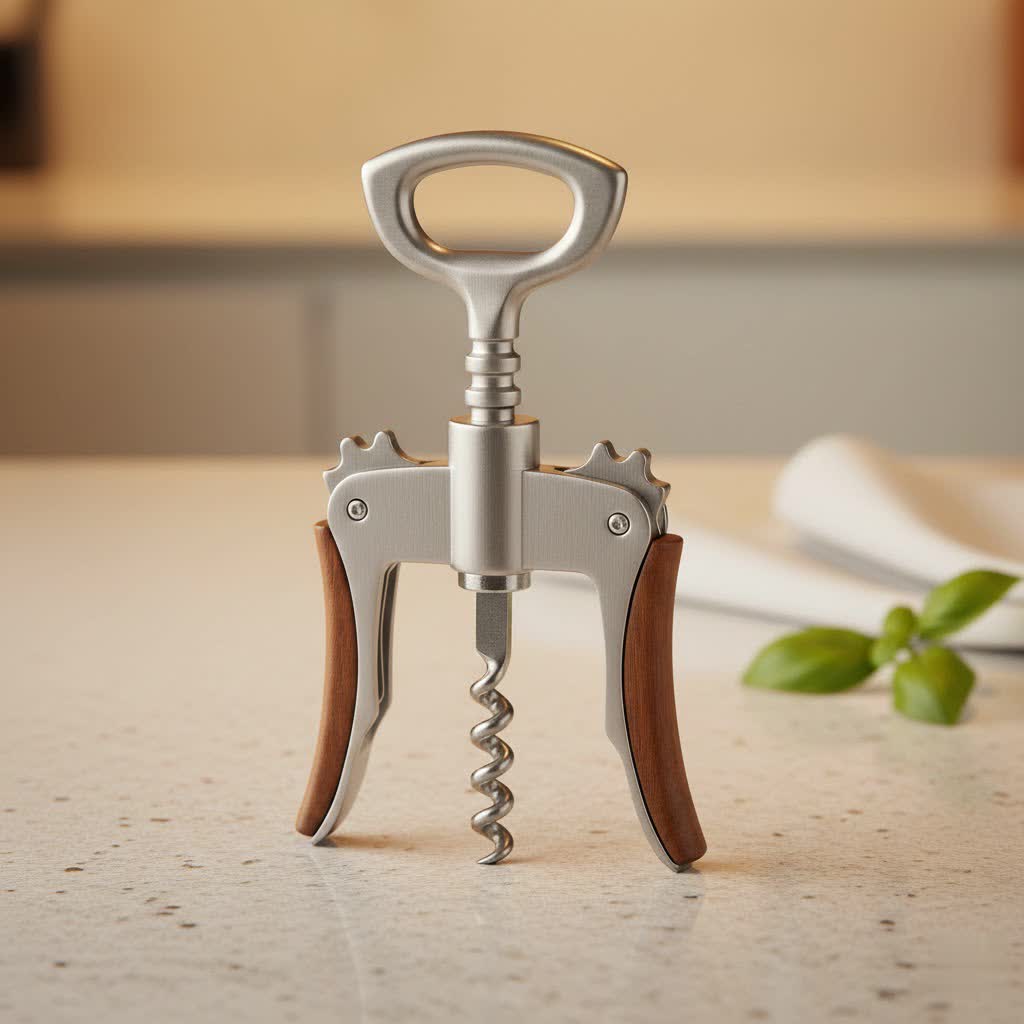
Have you ever considered how a simple tool can transform an everyday ritual into a cherished memory? For wine enthusiasts, the act of opening a bottle is more than just a task; it’s the prelude to an experience. While any wine opener can get the job done, a monogrammed wine opener adds a layer of sophistication, personal history, and thoughtfulness that standard tools simply cannot match. It’s a statement piece, a perfect gift, and a delightful companion for any wine lover. Let’s delve into the world of these personalized essentials and discover why they are fast becoming a must-have item.
What is a Wine Opener? Why You Need One, and Why Make It Monogrammed?
A wine opener is a specialized tool designed to remove corks from wine bottles, a fundamental necessity for anyone enjoying bottled wine. Its primary function is to provide the leverage and precision required to extract a cork smoothly and efficiently, preventing breakage or wine contamination. The earliest forms of corkscrews emerged in the 17th century, evolving from gun worms used to remove unfired charges from muskets. Over centuries, these humble “bottlescrews” transformed into a diverse array of designs, each aiming for greater ease and reliability.
Beyond mere functionality, a quality wine opener is essential for preserving the cork and ensuring a clean pour, enhancing the overall wine experience. But why opt for a monogrammed wine opener? A monogrammed opener transcends its utilitarian purpose, becoming a tangible symbol of personal style, special occasions, or cherished relationships. It transforms a common kitchen tool into a unique keepsake, making every uncorking moment a little more special and memorable. Whether it’s a personal indulgence or a thoughtful gift, the added touch of personalization elevates its value significantly.
Popular Types of Wine Openers Suitable for Monogramming
The world of wine openers is diverse, offering various mechanisms to suit different preferences and skill levels. Many of these types can be beautifully customized with monograms, initials, or dates, making them ideal personalized gifts.
Lever Wine Opener (Rabbit-style)
Lever wine openers, often known as “Rabbit” corkscrews, are celebrated for their ergonomic design and exceptional ease of use. They feature a robust lever mechanism that clamps onto the bottle neck, and with a simple push and pull of the lever, the cork is extracted effortlessly.
- Pros: Extremely easy and quick to use, minimal physical effort required, excellent for those with limited hand strength.
- Cons: Can be bulky and less portable than other types, generally higher price point.
- How to Use: Place the opener over the bottle, lower the lever to insert the corkscrew, then raise the lever to extract the cork.
- Monogramming Suitability: Excellent. Many lever openers feature ample flat surfaces on their handles or bodies, often made of metal or robust plastic, which are perfect for laser engraving or imprinting a monogram.
Corkscrew Wine Opener (Waiter’s Friend)
|
Our Picks for the Best Wine Opener in 2026
As an Amazon Associate I earn from qualifying purchases.
|
||
| Num | Product | Action |
|---|---|---|
| 1 | Secura Electric Wine Opener, Automatic Electric Wine Bottle Corkscrew Opener with Foil Cutter, Rechargeable (Stainless Steel) |

|
| 2 | KORCCI Wine Opener, Heavy-Duty Zinc Alloy Wing Corkscrew, Premium Beer Bottle Opener, Multifunctional Wine Accessories with Ergonomic Handle and Sharp Screw, for Kitchen, Bar, Restaurant, Bartenders |
|
| 3 | Oster Cordless Electric Wine Bottle Opener with Foil Cutter, Silver |
|
| 4 | Cuisinart CWO-25 Electric Wine Opener, Stainless Steel 3.50" x 4.75" x 10.00" |
|
| 5 | Wino Wine Key! - Professional Sommelier's Corkscrew Wine Opener |
|
| 6 | OXO Steel Vertical Lever Corkscrew with Removable Foil Cutter |
|
| 7 | OXO SteeL Winged Corkscrew with Removable Foil Cutter |
|
| 8 | GORILLA GRIP BPA-Free Premium Wine Opener, Heavy Duty Zinc Alloy Wing Corkscrew, Multifunctional Bottle Openers Remove Corks, Caps, Easy Use Sharp Cork Screw, Dishwasher Safe, Holiday Essential, Black |
|
| 9 | Cap Opener, Fun Bottle Opener for Parties and Gatherings, Creative Design Launches Caps at BBQs, Portable Entertainment for Outdoor Activities, Available in Red, Black, Blue |
|
| 10 | Beneno Wine Opener, Zinc Alloy Premium Wing Corkscrew with Multifunctional Bottles Opener, Sharp Wine Corkscrew with Ergonomic Non-Slip Wing Handle, Silver |
|
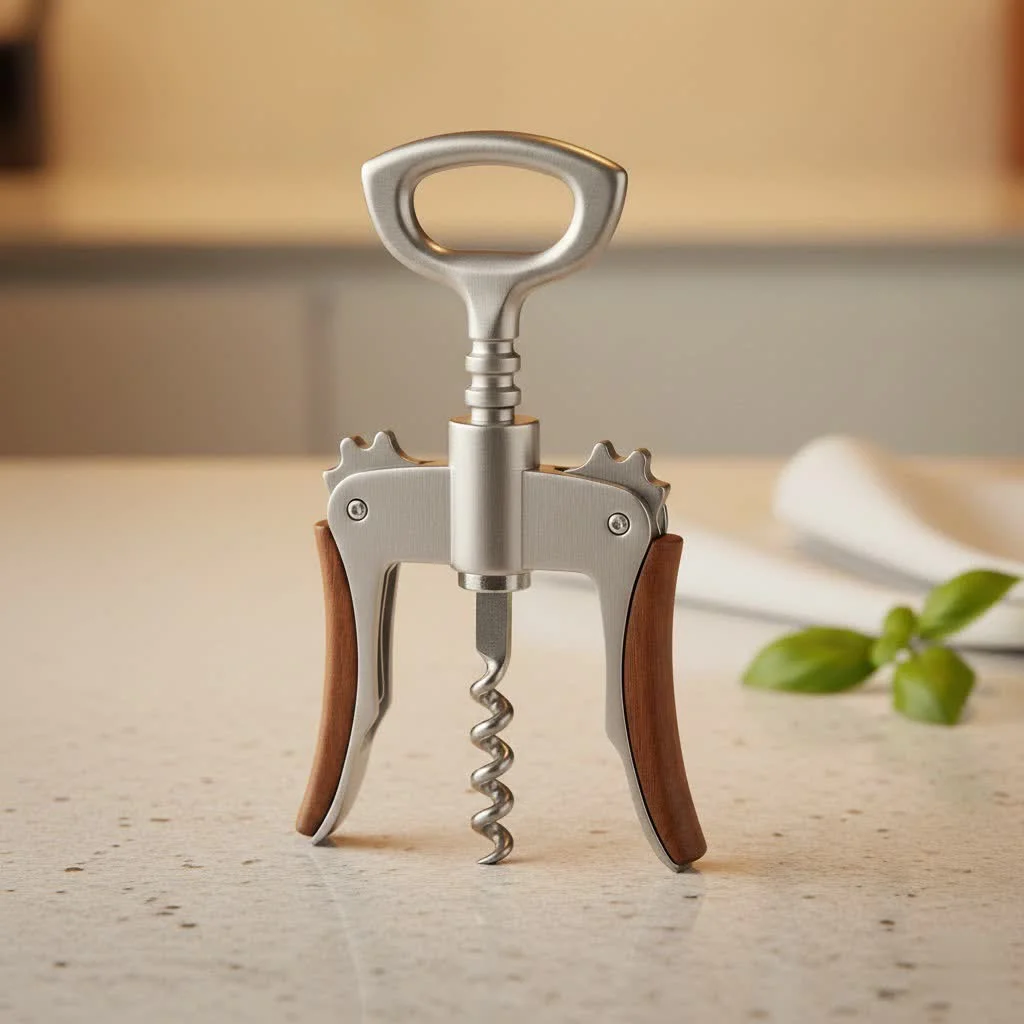
The waiter’s friend, or sommelier knife, is a classic, compact, and highly versatile wine opener, favored by professionals for its efficiency and portability. It combines a corkscrew, a foil cutter, and a lever (or two-step hinge) into one sleek tool.
- Pros: Compact and portable, durable, offers good control, often includes a foil cutter.
- Cons: Requires some dexterity and practice to master, more manual effort than lever or electric types.
- How to Use: Use the small knife to cut the foil, screw the worm into the cork, then use the two-step lever against the bottle rim to gradually pull out the cork.
- Monogramming Suitability: Very good. The handles, especially those made of wood (like rosewood or bamboo) or metal, provide an ideal surface for intricate laser engraving of monograms, initials, or logos.
Electric Wine Opener
Electric wine openers provide ultimate convenience, removing corks with the press of a button. They are powered by batteries (rechargeable or disposable) and automate the cork removal process.
- Pros: Extremely easy and hands-free operation, sleek and modern design, often comes with a foil cutter.
- Cons: Requires charging or battery replacement, generally more expensive, can be bulky for storage.
- How to Use: Place the opener over the bottle, press a button to engage the corkscrew, and it will automatically extract the cork.
- Monogramming Suitability: Moderate to good. Depending on the design, some electric openers have smooth, flat sections on their metallic or plastic bodies that can be engraved or imprinted. Their charging bases can also be personalized.
Air Pressure Wine Opener
Air pressure wine openers use a needle to inject air into the bottle, increasing the pressure to push the cork out. This method can be gentle on older, fragile corks.
- Pros: Removes corks without twisting, ideal for delicate or crumbling corks, minimal physical effort.
- Cons: Requires careful handling to avoid piercing the cork or bottle, some users are wary of injecting air.
- How to Use: Insert the needle through the cork, pump air a few times, and the cork will gently rise out.
- Monogramming Suitability: Limited. These openers often have slender designs with less surface area for personalization. Any monogramming would likely be small and subtle, possibly on the pump handle or casing.
Multi-tool Wine Opener
Multi-tool wine openers combine several functions beyond just cork removal, such as bottle openers for caps, small knives, or even screwdrivers. These are typically variations of the corkscrew type.
- Pros: Highly versatile, space-saving, practical for various beverage needs.
- Cons: Quality can vary; some added tools might be less effective than dedicated implements.
- How to Use: Varies based on the specific tools included, but the primary corkscrew function operates similarly to a waiter’s friend.
- Monogramming Suitability: Good, especially for models with a prominent handle. Often made with wood or metal, providing a suitable canvas for personalization.
Comparison Table of Wine Opener Types
Choosing the right wine opener for monogramming depends on balancing functionality with aesthetic appeal and personalization potential.
| Type of Wine Opener | Pros | Cons | Price Range (Approx.) | Ease of Use | Monogramming Suitability |
|---|---|---|---|---|---|
| Lever (Rabbit) | Fast, easy, powerful | Bulky, higher cost | $30 – $80 | Very Easy | Excellent (Large flat surfaces) |
| Corkscrew (Waiter’s Friend) | Compact, portable, versatile | Requires skill | $10 – $50 | Moderate | Very Good (Handles, especially wood/metal) |
| Electric | Effortless, modern | Battery dependent, bulky | $20 – $70 | Very Easy | Good (Smooth casings, charging bases) |
| Air Pressure | Gentle on corks | Requires precision, not for all | $15 – $40 | Easy | Limited (Small surface area) |
| Multi-tool | Versatile, practical | Quality can vary | $10 – $40 | Moderate | Good (Similar to Waiter’s Friend) |
Factors to Consider When Buying a Monogrammed Wine Opener (Buying Guide)
Selecting the perfect monogrammed wine opener involves more than just picking a design; it’s about choosing a tool that combines personal meaning with lasting quality.
Material
The material of your wine opener significantly impacts both its durability and its suitability for personalization.
- Stainless Steel: Known for its strength, corrosion resistance, and sleek appearance. It’s an excellent choice for laser engraving, producing sharp, contrasting monograms that are highly durable.
- Wood (Rosewood, Bamboo, Walnut): Offers a classic, elegant, and warm aesthetic. Wood handles are superb for laser engraving, which burns the design into the surface, creating a beautiful, natural contrast. Each piece of wood is unique, adding to the charm.
- Leatherette/Faux Leather: Provides a sophisticated look and feel, often available in various colors. It engraves beautifully, revealing a different color underneath, offering a unique visual effect for monograms.
- Plastic/ABS: Generally more affordable and lightweight. Monogramming might involve printing or heat stamping, which may not be as durable or intricate as laser engraving on other materials.
- Pros of Different Materials: Stainless steel offers modern durability, wood provides timeless elegance, and leatherette adds a touch of luxury.
- Cons of Different Materials: Wood requires more care, plastic can feel less premium, and some materials might limit engraving options.
Durability
A monogrammed wine opener is often a keepsake, so its durability is paramount. You want it to last for years, with the personalization intact.
- How to Check for Durability: Look for solid construction, especially in the moving parts of lever and corkscrew models. Stainless steel components for the worm and hinges are a good indicator of longevity. Read reviews for insights into product lifespan.
- Tips for Longevity: Store your wine opener in a dry place. For wooden handles, occasional conditioning can prevent drying or cracking. Avoid putting finely engraved items in a dishwasher; hand wash and dry immediately.
Ease of Use
The best wine opener is one you’ll enjoy using. Consider your personal preference and physical capabilities.
- Factors Affecting Ease of Use: Design, weight, and size all play a role. Electric and lever openers offer the most effortless experience, while waiter’s friends require a bit more manual dexterity.
- Matching to Your Needs: If you host frequently or have hand strength limitations, an electric or lever model might be ideal. For portability and a classic feel, a well-balanced waiter’s friend is superb.
Price
Monogrammed wine openers range widely in price, influenced by material, brand, type, and the complexity of personalization.
- Price Tiers: Basic monogrammed corkscrews can be found for $15-$30, while high-end lever or electric models from reputable brands, featuring premium materials and intricate engraving, can cost $50-$100 or more.
- Budget-Friendly Choices: Simple wood or stainless steel waiter’s friends offer great value for personalized gifts without breaking the bank.
Brand
Choosing a reputable brand can ensure quality, reliability, and excellent customer service. While many smaller artisans offer monogramming, some larger brands also provide personalization services or have models well-suited for third-party engraving.
- Trusted Brands: While specific “monogramming brands” are less common than general wine opener brands, look for well-known manufacturers of durable wine tools (e.g., Pulltap’s for waiter’s friends, Rabbit for lever openers, Oster for electric). Many personalization shops use these quality blanks for engraving.
- Why Brand Matters: Established brands often use higher-quality components, have better manufacturing processes, and offer warranties, giving you peace of mind that your personalized item will endure.
Top Wine Openers Suitable for Monogramming
While specific “monogrammed wine openers” are custom creations, certain types and designs lend themselves exceptionally well to personalization due to their material, shape, and overall quality. Here are the top styles to consider for a personalized touch:
-
Classic Wood-Handled Waiter’s Friend:
- Description: These elegant corkscrews typically feature a sturdy stainless steel mechanism paired with a beautifully finished wood handle, such as rosewood or bamboo. They often include a foil cutter and a double-hinged lever.
- Pros: Timeless aesthetic, compact, durable. The natural wood grain makes each engraved piece unique. The flat surface of the handle is perfect for clear, detailed laser engraving of initials, dates, or small logos.
- Cons: Requires manual effort and some skill to use efficiently.
- Ideal For: Groomsmen gifts, anniversary presents, corporate branding.
-
Stainless Steel Waiter’s Friend or Multi-Tool:
- Description: Crafted entirely or predominantly from stainless steel, these openers offer a sleek, modern, and highly durable option. Some include additional tools like bottle cap openers.
- Pros: Exceptional durability, resistance to corrosion, contemporary look. Laser engraving on stainless steel provides a crisp, permanent mark with a subtle contrast.
- Cons: Can be heavier than wood-handled versions; the metallic surface might show fingerprints more readily.
- Ideal For: Minimalist gifts, professional settings, those who prefer robust, long-lasting tools.
-
Lever-Style Wine Opener with Metal or Hard Plastic Housing:
- Description: Known for their “rabbit-ear” design, these openers use a powerful lever mechanism for effortless cork removal. Models with solid metal (often stainless steel or zinc alloy) or high-quality hard plastic casings provide excellent surfaces for personalization.
- Pros: Unmatched ease of use, fast operation. The broader, flatter surfaces often present on the housing or handles allow for larger or more elaborate monograms.
- Cons: Bulkier and less portable, generally a higher price point.
- Ideal For: Home entertainers, executive gifts, individuals seeking an effortless uncorking experience with a personal flair.
-
Leatherette-Wrapped Corkscrews or Wine Sets:
- Description: These openers feature a metal body wrapped in a faux leather material (leatherette) that comes in various colors. Sometimes, these are part of a larger gift set.
- Pros: Unique tactile feel, luxurious appearance, offers distinct color options. Laser engraving on leatherette creates a striking contrast as the underlying material is revealed.
- Cons: Leatherette may be less durable than solid metal or wood over very long periods of heavy use.
- Ideal For: Fashion-conscious individuals, unique wedding favors, gifts with a distinctive aesthetic.
> “A monogrammed wine opener isn’t just a tool; it’s a piece of art that tells a story, making every bottle opened a walk down memory lane.” – Admin, Reviewmunz.com, Wine Opener Expert.
Tips for Using and Maintaining Your Monogrammed Wine Opener
To ensure your personalized wine opener remains a treasured item for years to come, proper usage and maintenance are key.
Correct Usage to Protect Your Opener and Cork
- Foil Cutter First: Always use a foil cutter (if included or separate) to cleanly remove the foil capsule before attempting to insert the corkscrew. This prevents tearing and keeps the opener clean.
- Straight Insertion: For corkscrew types, insert the worm (spiral) directly into the center of the cork. Twist evenly and steadily, ensuring the worm penetrates deeply but not through the cork’s bottom, which can introduce cork bits into the wine.
- Controlled Extraction: Whether using a lever, waiter’s friend, or electric opener, apply steady, controlled pressure. Avoid jerky movements that can snap the cork or strain the opener’s mechanism.
- Gentle Removal from Cork: After the cork is extracted from the bottle, carefully twist or lever it off the corkscrew to prevent damage to the cork or the opener.
Cleaning and Care Tips to Extend Lifespan
- Wipe After Each Use: After uncorking, immediately wipe the corkscrew and any wine-contacting parts with a clean, damp cloth to remove wine residue or cork dust.
- Hand Wash Only (Most Cases): For openers with wood, leatherette, or intricate engraved designs, hand washing with mild soap and water is recommended. Avoid dishwashers, as harsh detergents and high heat can damage materials and finishes, and potentially dull or remove personalization.
- Thorough Drying: Ensure all parts are completely dry before storing to prevent rust (on non-stainless steel parts) or damage to wooden components.
- Proper Storage: Store your wine opener in a drawer or a designated case to protect it from scratches, dust, and moisture. For electric models, ensure it’s charged and stored in a cool, dry place.
- Avoid Abrasives: Do not use abrasive cleaners or scouring pads, especially on engraved or personalized surfaces, as this can scratch the material or damage the monogram.
Conclusion
A monogrammed wine opener is more than a practical utensil; it’s a celebration of personal style, a thoughtful gesture, and a tool that transforms ordinary moments into cherished memories. From the robust elegance of a lever opener to the classic charm of a wood-handled waiter’s friend, the options for personalization are vast, allowing you to craft a unique item that reflects individual taste or commemorates a special occasion. By considering factors like material, durability, ease of use, and responsible brands, you can choose a personalized wine opener that offers both impeccable function and enduring sentimental value. So, why settle for the ordinary when you can uncork your next bottle with a piece that tells your story?
Frequently Asked Questions
What kind of designs can be engraved on a monogrammed wine opener?
Common designs include initials (single, two, or three-letter monograms), full names, significant dates (like wedding anniversaries), small logos, or even short meaningful phrases. The possibilities are vast, limited mainly by the available surface area on the opener.
Are monogrammed wine openers good gifts for corporate events?
Absolutely. Monogrammed or logo-engraved wine openers are excellent corporate gifts. They are practical, premium, and durable items that keep your brand visible and create a positive association with memorable experiences, making them effective promotional tools.
Can I get a monogrammed wine opener with my company’s logo?
Yes, many personalization services and suppliers specialize in engraving company logos on various wine opener types. This is a popular option for corporate branding, client gifts, or employee recognition.
What materials are best for engraving monograms that last?
Stainless steel and solid wood (like rosewood or bamboo) are generally the best materials for durable laser engraving. Engravings on these materials are permanent and resistant to wear, ensuring the monogram remains clear over time. Leatherette also offers a striking and lasting engraved effect.
How do I clean an engraved wooden wine opener without damaging the monogram?
For engraved wooden wine openers, wipe them clean with a slightly damp cloth immediately after use. Avoid soaking them in water or using harsh detergents. Dry thoroughly with a soft cloth. Occasional application of a food-safe wood conditioner can help preserve the wood and the engraving.
Get our weekly buyer guide
Practical specs, not advice. Unsubscribe anytime.
