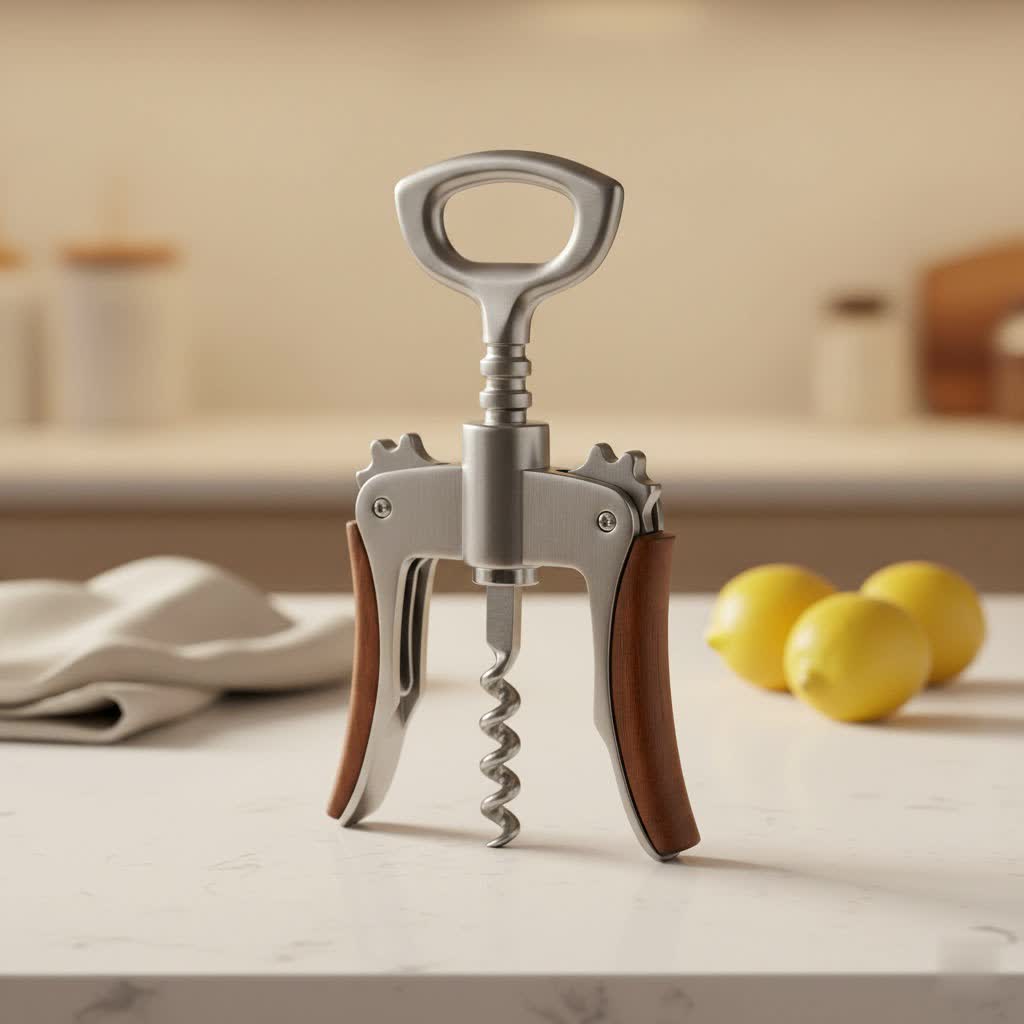
For centuries, the ritual of uncorking a bottle of wine has been an intimate part of the tasting experience. A good corkscrew wine opener is more than just a tool; it’s the key to unlocking the aromas, flavors, and stories held within each bottle. Whether you’re a seasoned sommelier or a casual wine enthusiast, choosing the right corkscrew can elevate your enjoyment, turning a simple act into a graceful prelude to a memorable sip. Let’s delve into the fascinating world of corkscrew wine openers, exploring their history, diverse types, and how to select the perfect companion for your wine journey.

What is a Wine Opener? Why Do You Need One?
At its core, a wine opener is an essential device designed to extract corks from wine bottles. Before its widespread adoption, opening a sealed bottle was a challenge, often resulting in broken corks or spilled wine. The corkscrew emerged as a simple yet ingenious solution, allowing for the smooth, controlled removal of the cork, preserving both the wine and the moment.
The story of the corkscrew traces back to the 17th century, evolving alongside the glass bottle and its cork stopper. Early designs were often rudimentary, consisting of a basic metallic spiral, or “worm,” attached to a handle. Interestingly, its origins are believed to be linked to a military tool – the “gun worm” used to remove unspent charges from musket barrels. A pivotal moment arrived in 1795 when Reverend Samuel Henshall received the first patent for an improved corkscrew in England. His innovation included a disc above the worm, which compressed and rotated the cork, making extraction easier and more reliable. This marked the beginning of a continuous evolution, leading to the diverse and sophisticated wine openers we see today. For any wine lover, a reliable wine opener is indispensable. It protects the integrity of the cork, prevents crumbs from falling into your wine, and ensures a smooth, satisfying opening every time, enhancing the overall appreciation of your chosen vintage.
Popular Wine Opener Types on the Market
The world of wine openers is surprisingly varied, with each type offering distinct advantages and methods of use. While this guide primarily focuses on corkscrew designs, understanding the broader landscape provides context.
Lever Wine Opener (Rabbit Corkscrew)
Lever-style wine openers, often recognized by their “rabbit ear” design, are celebrated for their ease and speed. They utilize a powerful leverage mechanism to extract corks with minimal effort, making them popular for those seeking a quick and nearly effortless uncorking experience. They firmly clasp the bottle’s neck, providing stability during extraction. However, some models might not perform as consistently with all synthetic corks, and their larger size can be a drawback for portability.
- Advantages: Extremely easy to use, fast, minimal physical effort required.
- Disadvantages: Can be bulky, not always ideal for synthetic corks, generally more expensive.
- How to use: Position the opener over the bottleneck with the lever raised. Push the lever down to insert the worm into the cork. Pull the lever back up to effortlessly extract the cork.
Corkscrew Wine Opener (Traditional Screw-Pull)
|
Our Picks for the Best Wine Opener in 2026
As an Amazon Associate I earn from qualifying purchases.
|
||
| Num | Product | Action |
|---|---|---|
| 1 | Beneno Wine Opener, Zinc Alloy Premium Wing Corkscrew with Multifunctional Bottles Opener, Sharp Wine Corkscrew with Ergonomic Non-Slip Wing Handle, Silver |

|
| 2 | OXO SteeL Winged Corkscrew with Removable Foil Cutter |
|
| 3 | KORCCI Wine Opener, Heavy-Duty Zinc Alloy Wing Corkscrew, Premium Beer Bottle Opener, Multifunctional Wine Accessories with Ergonomic Handle and Sharp Screw, for Kitchen, Bar, Restaurant, Bartenders |
|
| 4 | Cap Opener, Fun Bottle Opener for Parties and Gatherings, Creative Design Launches Caps at BBQs, Portable Entertainment for Outdoor Activities, Available in Red, Black, Blue |
|
| 5 | OXO Steel Vertical Lever Corkscrew with Removable Foil Cutter |
|
| 6 | Secura Electric Wine Opener, Automatic Electric Wine Bottle Corkscrew Opener with Foil Cutter, Rechargeable (Stainless Steel) |
|
| 7 | Oster Cordless Electric Wine Bottle Opener with Foil Cutter, Silver |
|
| 8 | Cuisinart CWO-25 Electric Wine Opener, Stainless Steel 3.50" x 4.75" x 10.00" |
|
| 9 | Wino Wine Key! - Professional Sommelier's Corkscrew Wine Opener |
|
| 10 | GORILLA GRIP BPA-Free Premium Wine Opener, Heavy Duty Zinc Alloy Wing Corkscrew, Multifunctional Bottle Openers Remove Corks, Caps, Easy Use Sharp Cork Screw, Dishwasher Safe, Holiday Essential, Black |
|
The traditional screw-pull corkscrew, often a basic metal rod with a spiral tip and a simple handle, is the foundational design from which many others evolved. While straightforward, it requires direct pulling force once the worm is fully inserted. This type emphasizes simplicity and a direct, hands-on approach to uncorking.
- Advantages: Simple design, often very affordable.
- Disadvantages: Requires significant pulling strength, can be challenging with stubborn corks, may damage delicate corks.
- How to use: Screw the worm into the center of the cork until fully inserted. Grip the bottle firmly and pull the handle directly upward to remove the cork.
Waiter’s Corkscrew (Wine Key / Sommelier Knife)
The waiter’s corkscrew is perhaps the most iconic and widely used wine opener, favored by sommeliers and wine professionals for its portability, efficiency, and versatility. This compact, foldable tool typically includes a foil cutter, a spiral worm, and a hinged fulcrum (often with two steps) for leverage. It requires a bit of technique but, with practice, allows for a smooth, controlled cork removal.
- Advantages: Compact and portable, includes a foil cutter, excellent control over cork extraction, versatile for natural and synthetic corks.
- Disadvantages: Requires practice and dexterity, can be challenging for beginners.
- How to use:
- Use the small blade to cut the foil cap just below the lip of the bottle. Remove the foil.
- Center the worm and screw it into the cork, turning clockwise until only one spiral remains visible.
- Place the first, longer notch of the fulcrum on the rim of the bottle. Lever the handle upward to pull the cork halfway out.
- Shift to the second, shorter notch for additional leverage, and pull the cork out completely. Gently twist to detach the cork from the worm.
Wing Corkscrew
The winged corkscrew is a common household sight, recognizable by its two “wings” that rise as the central worm is screwed into the cork. These openers provide a good balance of ease of use and affordability, making them a popular choice for everyday wine enthusiasts. They are particularly effective with synthetic corks and versatile across various cork sizes. However, they might not be the best option for very old, brittle natural corks, which can sometimes crumble.
- Advantages: Relatively easy to use, provides good leverage, suitable for synthetic corks.
- Disadvantages: Can be bulky, less precise for delicate corks, may require more physical effort than lever or electric models.
- How to use:
- Remove the foil from the bottle.
- Place the corkscrew over the bottle opening, ensuring the worm is centered on the cork.
- Twist the top handle clockwise. As the worm penetrates the cork, the two wings will rise.
- Once the wings are fully extended, push them down simultaneously to lift the cork out of the bottle.
Electric Wine Opener
Electric wine openers represent the ultimate in convenience and effortlessness. With a simple push-button operation, these battery-powered devices automatically insert the worm and extract the cork, making them ideal for individuals with limited hand strength or dexterity. While incredibly user-friendly, their larger size and need for charging make them less suitable for portable use or table-side service where a more traditional touch is preferred.
- Advantages: Extremely easy to use, requires no physical effort, perfect for individuals with hand mobility issues.
- Disadvantages: Requires charging, bulky, generally more expensive.
- How to use:
- Remove the foil with the integrated or separate foil cutter.
- Place the electric opener vertically on top of the wine bottle’s neck.
- Press the “down” button to activate the worm, which will automatically screw into and remove the cork.
- Press the “up” button to release the cork from the device.
Air Pressure Wine Opener
Air pressure wine openers employ a unique method, using a needle to inject air into the bottle, which in turn pushes the cork out. This design avoids twisting or pulling the cork directly, theoretically reducing the risk of breakage. However, incorrect use can potentially damage the bottle or cork, and some purists may prefer traditional methods.
- Advantages: No pulling or twisting of the cork, can be gentle on delicate corks.
- Disadvantages: Requires careful use to avoid damage, less common, some concern about air pressure affecting wine.
- How to use: Gently insert the needle through the cork. Pump the handle a few times until the cork begins to rise and is pushed out.
Multi-tool Wine Opener (Ah-So / Two-Prong Cork Puller)
Also known as an Ah-So or Butler’s Friend, this unique tool is designed to remove corks without piercing them. It features two thin metal prongs that slide between the cork and the bottle neck. This makes it particularly excellent for older, fragile corks that might crumble with a traditional corkscrew, preserving the cork’s integrity for collectors. It does, however, require a gentle touch and some practice to master.
- Advantages: Ideal for fragile or old corks, does not pierce the cork, allows for reinsertion of the original cork.
- Disadvantages: Requires skill and finesse, can be challenging for beginners.
- How to use: Carefully insert the longer prong between the cork and the bottle’s edge. Then, insert the shorter prong on the opposite side. Apply gentle downward pressure while wiggling the prongs, slowly working them down until they fully embrace the cork. Twist and pull upward to extract the cork.
Comparison Table of Wine Openers
Choosing the right wine opener often comes down to balancing various factors. Here’s a comparative look at some popular types:
| Type of Wine Opener | Advantages | Disadvantages | Estimated Price Range | Ease of Use | Durability |
|---|---|---|---|---|---|
| Waiter’s Corkscrew | Portable, compact, precise, often includes foil cutter | Requires skill, can be tough on hands for beginners | $10 – $50 | Medium | High |
| Wing Corkscrew | Easy to use, good leverage, affordable | Bulky, less ideal for fragile corks, can require effort | $15 – $40 | Medium | Medium |
| Lever Wine Opener | Very easy, fast, minimal effort | Bulky, can be expensive, not for all synthetic corks | $25 – $100 | High | High |
| Electric Wine Opener | Effortless, ideal for limited mobility | Requires charging, bulky, expensive | $30 – $150+ | Very High | Medium |
| Ah-So Cork Puller | Preserves old/fragile corks, no piercing | Requires significant skill and practice | $20 – $70 | Low | High |
Note: Price ranges are estimates and can vary widely based on brand, materials, and features.
Factors to Consider When Buying a Corkscrew Wine Opener (Buying Guide)
Selecting the perfect corkscrew is a personal decision, much like choosing a favorite wine. To ensure you find a tool that brings joy rather than frustration, consider these key factors:
Material
The materials used in a corkscrew significantly impact its durability, feel, and aesthetic appeal.
- Stainless Steel: Known for its strength, corrosion resistance, and sleek appearance. Many high-quality waiter’s corkscrews and lever openers feature stainless steel components, ensuring longevity and a professional feel.
- Plastic: Often found in more budget-friendly or electric models. While lightweight, the quality of plastic can vary; higher-grade plastics offer decent durability, but cheaper ones may degrade faster.
- Wood: Adds an element of classic elegance, often seen in handles of waiter’s corkscrews or decorative pieces. Wood offers a comfortable grip but may require more care than metal to prevent warping or damage.
- Zinc Alloy: Commonly used for the body of winged and lever corkscrews, providing a good balance of weight and strength.
When inspecting the material, look for solid construction and smooth finishes, indicating quality craftsmanship. A good corkscrew should feel substantial and well-balanced in your hand.
Durability
A durable corkscrew is a long-term investment. How can you gauge its staying power?
- Worm Quality: The “worm” or helix is crucial. Look for a strong, sharp, and smoothly coiled worm, preferably made of hardened steel with a non-stick coating (like Teflon) to reduce friction and minimize cork damage. A thin, brittle worm is prone to bending or breaking.
- Hinge/Lever Mechanisms: For waiter’s and lever-style openers, inspect the hinges and pivot points. They should be robust, with no wobbling or excessive play, ensuring smooth operation over time.
- Overall Construction: A well-made corkscrew will have tight tolerances between its parts. Avoid models that feel flimsy, creak, or have loose components.
- Maintenance: Proper cleaning and storage (keeping it dry, away from harsh chemicals) will significantly extend the life of any corkscrew, regardless of its material.
Ease of Use
The primary goal of a wine opener is to make uncorking effortless. Consider your own strength and dexterity:
- Leverage Systems: Corkscrews that incorporate leverage (like waiter’s, winged, or lever-style) generally require less brute force than simple screw-pull types.
- Ergonomics: The handle should be comfortable to grip. Some designs feature ergonomic curves or soft-touch materials that fit better in the hand, reducing strain.
- Learning Curve: Electric and lever openers are almost instant to master. Waiter’s corkscrews and Ah-So pullers require a bit of practice but offer rewarding precision. Choose a style that matches your willingness to learn.
- Physical Limitations: For those with arthritis, carpal tunnel, or reduced hand mobility, electric or lever corkscrews are often the best choices due to their minimal physical demands.
Price
Wine openers come in a wide range of prices, from under $10 to several hundred dollars.
- Budget-Friendly ($10-$30): Many reliable waiter’s corkscrews and basic winged openers fall into this category. They are excellent for casual use and offer good value.
- Mid-Range ($30-$100): This segment includes higher-quality waiter’s corkscrews, robust lever-style openers, and some entry-level electric models. You’ll find better materials, smoother mechanisms, and enhanced durability.
- Premium ($100+): High-end lever openers, sophisticated electric models, and artisan-crafted sommelier knives are found here. These often feature premium materials, advanced engineering, and collector-level aesthetics.
Match your choice to your budget and how frequently you plan to use the corkscrew. An occasional wine drinker might be perfectly happy with an affordable model, while a connoisseur might invest in a premium tool.
Brand
While specific brand names should be avoided in the final output, it’s worth noting that reputable brands in the wine accessory market are known for their quality, durability, and thoughtful design. These companies often have years of experience and dedicated craftsmanship. Choosing a corkscrew from a recognized brand can provide assurance of quality and customer support, contributing to a more trustworthy purchase.
Top 6 Corkscrew Wine Openers for Every Enthusiast
Navigating the array of wine openers can be daunting, but some designs consistently stand out for their performance, reliability, and user satisfaction. Here are the top categories of corkscrew wine openers that cater to different preferences and needs:
- The Classic Waiter’s Corkscrew: This versatile, pocket-friendly tool remains a favorite among professionals. Its compact design often integrates a foil cutter and a two-step lever system, offering excellent control for a clean cork extraction. Ideal for those who appreciate tradition and a hands-on approach.
- Robust Lever-Style Openers: For effortless uncorking, lever-style models are hard to beat. They employ a simple “clamp, push down, pull up” motion that removes corks swiftly and smoothly, requiring minimal physical strength. These are perfect for entertaining or for anyone seeking maximum convenience.
- Dependable Wing Corkscrews: A staple in many homes, the winged corkscrew offers straightforward operation. As you twist the central screw, two “wings” rise, providing easy leverage when pushed down to lift the cork. It’s a solid choice for everyday use and handles synthetic corks well.
- Effortless Electric Wine Openers: The ultimate in modern convenience, electric corkscrews remove corks at the touch of a button. They are particularly beneficial for individuals with limited hand strength or those who frequently open multiple bottles. Just ensure it’s charged and ready for action.
- Specialty Ah-So Cork Pullers: For vintage wine collectors, the Ah-So (two-prong) opener is invaluable. It gently extracts fragile or older corks without piercing them, preserving their integrity. This tool requires a delicate touch and some practice but is unmatched for delicate corks.
- Heavy-Duty Mounted/Tabletop Corkscrews: Designed for high-volume settings or home bars, these impressive corkscrews offer superior torque and speed. They are built for efficiency and durability, making them an excellent investment for frequent uncorking in a fixed location.
Each of these types offers a unique uncorking experience, ensuring there’s a perfect corkscrew for every wine lover and every bottle.
Tips for Using and Maintaining Your Wine Opener
A great wine opener can last for years, even decades, with proper use and care. Here’s how to ensure your corkscrew remains a reliable companion:
Correct Usage
- Foil Removal: Always remove the foil cleanly and completely before attempting to uncork. Most waiter’s corkscrews have a small, serrated blade for this purpose. For other types, a dedicated foil cutter is recommended.
- Centering the Worm: Whether using a manual or electric corkscrew, ensure the worm is perfectly centered on the cork before screwing it in. An off-center entry can damage the cork or cause it to break.
- Straight Insertion: Maintain a straight, vertical angle as you insert the worm. Tilting can lead to cork breakage or the worm coming out through the side of the cork.
- Gentle Extraction: Avoid forceful yanking, especially with natural corks. Apply steady, even pressure. For waiter’s corkscrews, use the two-step leverage process to minimize strain and ensure a smooth pull. For Ah-So openers, the key is a gentle wiggling motion.
- Releasing the Cork: After extraction, gently twist the cork off the worm (for screw-based openers) or carefully remove it from the prongs (for Ah-So).
Cleaning and Maintenance
- Wipe Down After Each Use: Especially after opening a bottle, wipe the worm and any other components that came into contact with the cork or wine. A damp cloth followed by a dry one is usually sufficient.
- Avoid Harsh Cleaners: Do not use abrasive cleaners or put your corkscrew in the dishwasher, as this can damage materials like wood, finishes, or delicate mechanisms.
- Lubrication (for some types): For lever-style or mounted corkscrews with moving parts, occasional light lubrication with food-grade oil can keep the mechanism smooth.
- Proper Storage: Store your corkscrew in a dry place, ideally in a drawer or case to protect it from dust and moisture. This also prevents accidental damage to the worm or other parts.
By following these simple tips, your corkscrew wine opener will continue to perform flawlessly, allowing you to enjoy countless bottles of wine with ease and elegance.
Conclusion
The corkscrew wine opener, in its many forms, is a testament to human ingenuity in enhancing life’s simple pleasures. From the traditional elegance of the waiter’s friend to the modern convenience of electric models, there’s a perfect tool for every wine enthusiast. Understanding the different types, their unique mechanisms, and the factors that contribute to a quality design empowers you to make an informed choice. Investing in the right corkscrew not only makes the act of uncorking effortless but also deepens your connection to the ritual of enjoying wine, ensuring every pour is as satisfying as the first. So, which corkscrew will become your trusted companion for uncorking countless memories?
Frequently Asked Questions
What type of corkscrew is best for old, fragile wine corks?
For old or fragile wine corks, an Ah-So (two-prong) cork puller is highly recommended. It extracts the cork without piercing it, greatly reducing the risk of breakage or crumbling, thus preserving the cork’s integrity.
How do electric wine openers work, and are they worth it?
Electric wine openers use battery-powered motors to automatically screw a worm into the cork and then pull it out at the touch of a button. They are excellent for ease of use, especially for those with limited hand strength, and are certainly worth it for convenience.
Can I use a corkscrew on synthetic corks?
Yes, most corkscrew types can be used on synthetic corks. Wing corkscrews are particularly effective due to their leverage. While synthetic corks are denser, they are less likely to break apart than natural corks.
What’s the main difference between a waiter’s corkscrew and a winged corkscrew?
The main difference lies in their mechanism and portability. A waiter’s corkscrew is compact and uses a hinged lever system for leverage, while a winged corkscrew is larger, with two arms that rise and are pushed down to extract the cork.
How deep should the worm go into the cork?
For most corkscrews, the worm should be screwed in almost completely, leaving one spiral visible. This ensures a firm grip on the cork without piercing through the bottom, which could introduce cork bits into the wine.
Get our weekly buyer guide
Practical specs, not advice. Unsubscribe anytime.
