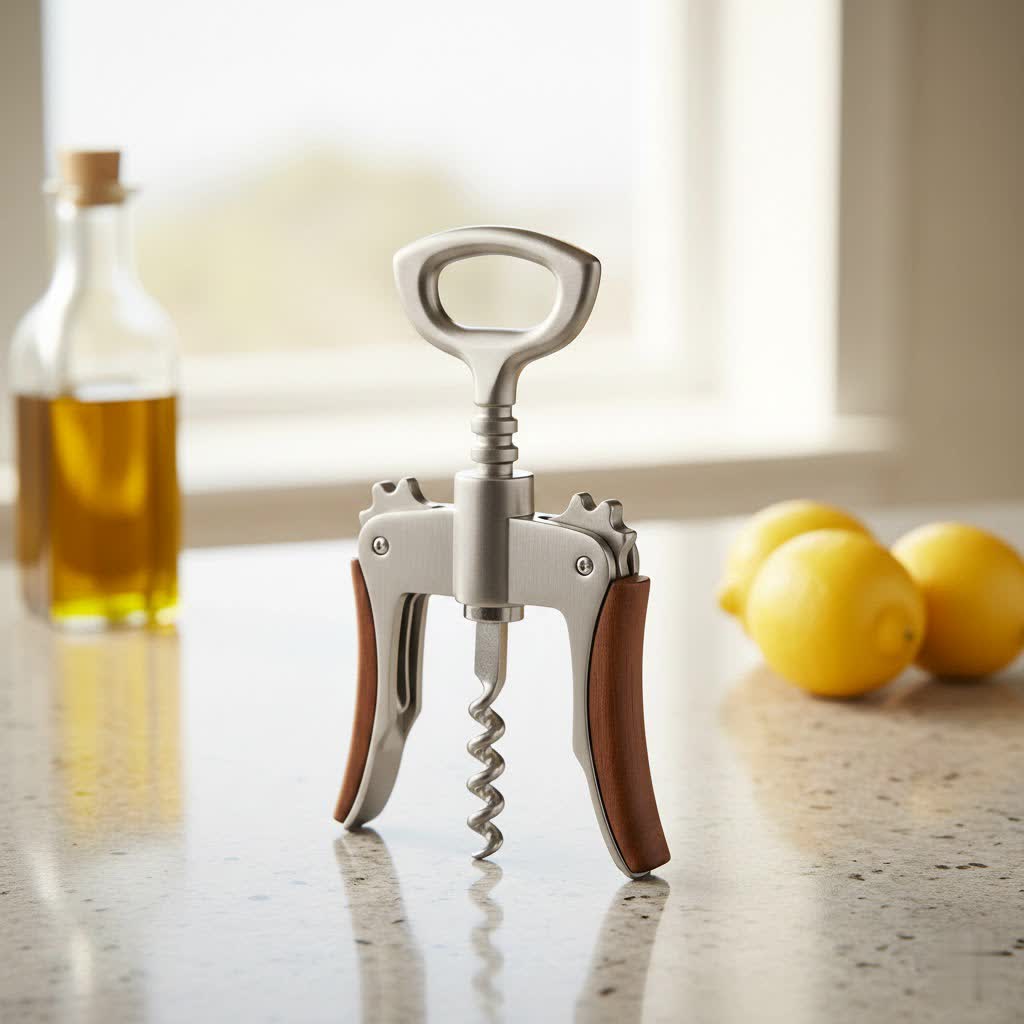
Opening a bottle of wine should be a moment of anticipation, not frustration. For any wine enthusiast, the right wine cork opener is an indispensable tool, transforming a potentially challenging task into a smooth, elegant ritual. From classic designs steeped in history to modern technological marvels, the world of wine openers offers a vast array of choices. Understanding these different types, their mechanisms, and what to look for can significantly enhance your wine experience, ensuring every bottle is uncorked with ease and sophistication. This comprehensive guide will explore the various wine cork openers available, their unique benefits, and how to choose the perfect one for your needs.
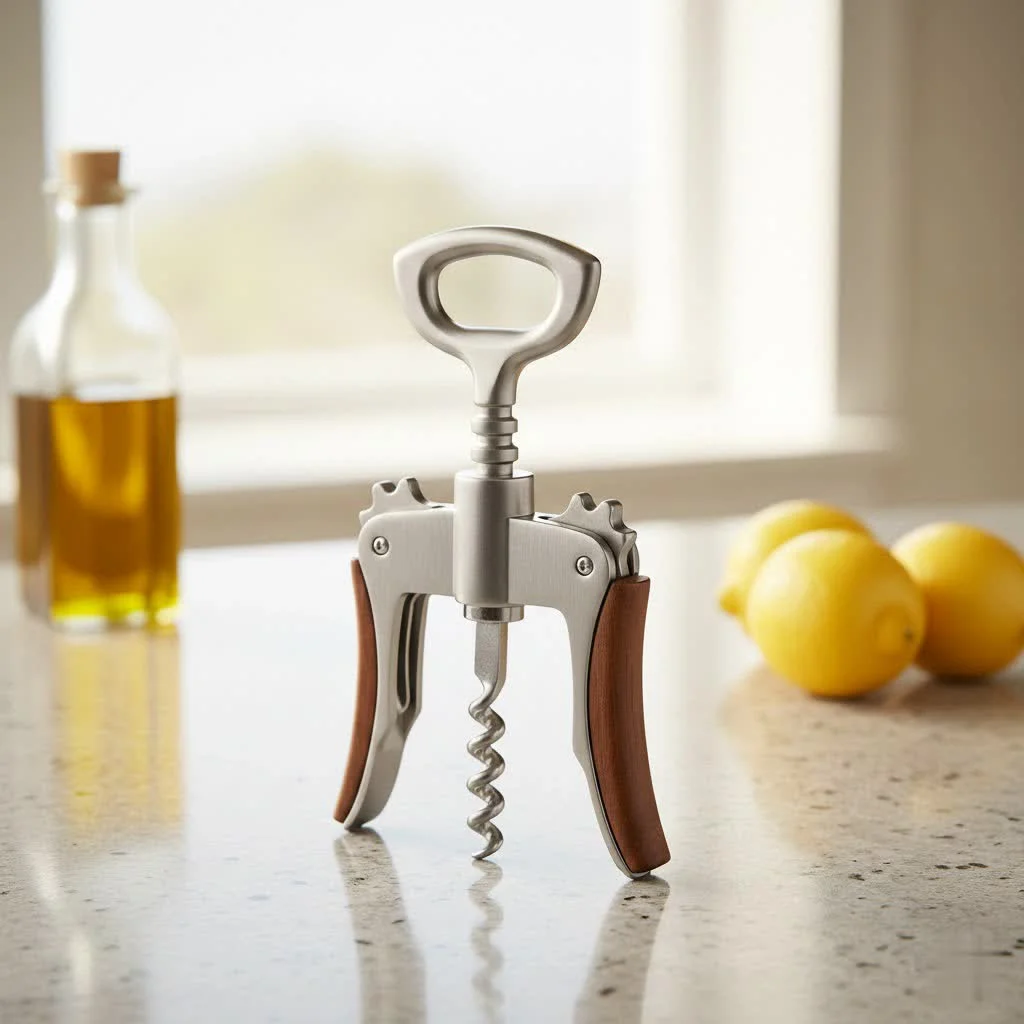
What is a Wine Cork Opener and Why Do You Need One?
A wine cork opener, often broadly referred to as a corkscrew, is a specialized tool designed to extract the cork from a wine bottle. Its primary function is to provide the necessary grip and leverage to safely remove corks, which, being small and smooth, are otherwise difficult to handle when fully inserted into a glass bottle. Without an effective opener, accessing your favorite vintage can quickly turn into a messy and even dangerous endeavor.
The history of the corkscrew is as rich and intriguing as wine itself. Its origins are believed to trace back to the 17th century, likely derived from a “gun worm,” a tool used to remove unspent charges from musket barrels. As glass bottles and corks became the standard for wine storage, the need for a dedicated cork extraction tool became apparent. In 1795, the Reverend Samuel Henshall of England received the first patent for an improved corkscrew, featuring a disc that prevented the worm from penetrating too deeply. Later, in 1882, the German inventor Carl Wienke patented what we now commonly know as the “Waiter’s Friend” or “Sommelier Knife,” a compact, multi-functional tool that revolutionized wine service. For every wine lover, a quality wine cork opener is not just a convenience; it is a gateway to enjoying the wine exactly as intended, free from crumbled corks or strained wrists.
Popular Types of Wine Cork Openers
The market offers a diverse range of wine cork openers, each with its unique design, advantages, and ideal use case. Understanding these types will help you select the best tool for your specific needs.
Waiter’s Corkscrew (Sommelier Knife/Wine Key)
This iconic, compact tool is a favorite among professionals like sommeliers and bartenders due to its portability and efficiency. It typically features a serrated knife for cutting foil, a helical screw (worm), and a hinged lever that provides leverage against the bottle’s rim.
- Pros: Compact, highly portable, versatile (often includes a bottle opener), precise control over cork extraction.
- Cons: Requires some practice and dexterity to master, may demand more hand strength than other types.
- How to Use: First, use the small knife to cut the foil capsule cleanly below the bottle’s lip. Remove the foil. Center the worm on the cork and twist it clockwise until only one or two spirals remain visible. Place the first notch of the lever on the bottle rim and pull the handle upwards to partially extract the cork. Reposition to the second notch (if available) for further leverage, then gently pull the cork free.
Winged Corkscrew
|
Our Picks for the Best Wine Opener in 2026
As an Amazon Associate I earn from qualifying purchases.
|
||
| Num | Product | Action |
|---|---|---|
| 1 | Wino Wine Key! - Professional Sommelier's Corkscrew Wine Opener |

|
| 2 | Secura Electric Wine Opener, Automatic Electric Wine Bottle Corkscrew Opener with Foil Cutter, Rechargeable (Stainless Steel) |
|
| 3 | OXO SteeL Winged Corkscrew with Removable Foil Cutter |
|
| 4 | KORCCI Wine Opener, Heavy-Duty Zinc Alloy Wing Corkscrew, Premium Beer Bottle Opener, Multifunctional Wine Accessories with Ergonomic Handle and Sharp Screw, for Kitchen, Bar, Restaurant, Bartenders |
|
| 5 | Cap Opener, Fun Bottle Opener for Parties and Gatherings, Creative Design Launches Caps at BBQs, Portable Entertainment for Outdoor Activities, Available in Red, Black, Blue |
|
| 6 | Cuisinart CWO-25 Electric Wine Opener, Stainless Steel 3.50" x 4.75" x 10.00" |
|
| 7 | GORILLA GRIP BPA-Free Premium Wine Opener, Heavy Duty Zinc Alloy Wing Corkscrew, Multifunctional Bottle Openers Remove Corks, Caps, Easy Use Sharp Cork Screw, Dishwasher Safe, Holiday Essential, Black |
|
| 8 | Beneno Wine Opener, Zinc Alloy Premium Wing Corkscrew with Multifunctional Bottles Opener, Sharp Wine Corkscrew with Ergonomic Non-Slip Wing Handle, Silver |
|
| 9 | OXO Steel Vertical Lever Corkscrew with Removable Foil Cutter |
|
| 10 | Oster Cordless Electric Wine Bottle Opener with Foil Cutter, Silver |
|
Often found in home kitchens, the winged corkscrew is recognized by its two levers, or “wings,” that rise as the screw is twisted into the cork.
- Pros: Generally easy to use for beginners, provides visual feedback as wings rise, offers good leverage.
- Cons: Can be bulky and less portable, some cheaper models may lack sufficient torque to extract stubborn corks smoothly, not typically favored by professionals.
- How to Use: Place the opener over the bottle’s neck. Twist the top handle clockwise to drive the worm into the cork. As the worm descends, the two wings will rise. Once the worm is fully inserted and the wings are fully raised, press both wings down simultaneously to smoothly lift the cork out of the bottle.
Lever Wine Opener (Rabbit Corkscrew)
Lever-style openers are designed for maximum ease and speed, often with a “rabbit ear” clamping mechanism that grips the bottle neck and a single lever for cork extraction.
- Pros: Extremely easy and quick to use, requires minimal effort and wrist twisting, excellent for those with limited hand strength or arthritis.
- Cons: Bulky and less portable, generally more expensive, can sometimes be over-engineered or feel less “traditional” to some enthusiasts.
- How to Use: Clamp the opener firmly over the bottleneck. Pull the lever down to insert the worm into the cork. Then, lift the lever back up to smoothly extract the cork. Release the cork from the worm by repeating the lever action off the bottle.
Electric Wine Opener
For ultimate convenience, electric wine openers use battery power to automate the cork removal process.
- Pros: Completely effortless, ideal for individuals with hand mobility issues, often stylish and modern in design.
- Cons: Requires charging or batteries, typically more expensive, can be bulky, less control over the cork extraction process.
- How to Use: Place the electric opener vertically on top of the wine bottle. Press a button (usually “down”) to activate the corkscrew, which will automatically insert into the cork. Once inserted, press another button (usually “up”) to remove the cork from the bottle.
Air Pressure Wine Opener
This innovative opener uses a needle to pierce the cork and then injects air into the bottle, building pressure that pushes the cork out.
- Pros: Extracts corks without piercing them (minimizing crumbling), fast and efficient, requires little physical effort.
- Cons: Requires CO2 cartridges, potential for corks to “pop” out forcefully, must be used carefully to avoid bottle damage or injury.
- How to Use: Insert the needle straight through the center of the cork until it emerges on the other side. Pump the handle a few times to build air pressure inside the bottle. The cork will slowly rise and then release.
Ah-So Wine Opener (Two-Pronged Cork Puller/Butler’s Friend)
The Ah-So, also known as a dual-pronged cork extractor or Butler’s Friend, is distinctive for its two thin metal prongs that slide between the cork and the bottleneck, rather than piercing the cork.
- Pros: Ideal for fragile or aged corks that might break with a traditional corkscrew, leaves the cork intact, making it excellent for collectors.
- Cons: Has a significant learning curve and requires finesse, can be slower to use.
- How to Use: Insert the longer prong between the cork and the bottle neck on one side. Then, gently rock and push the shorter prong down on the opposite side. Work both prongs down gradually with a wiggling motion until they are fully inserted beneath the cork. Twist and pull upwards to extract the cork.
Comparison Table of Wine Cork Openers
| Type of Wine Opener | Pros | Cons | Ease of Use | Price Range | Best For |
|---|---|---|---|---|---|
| Waiter’s Corkscrew | Compact, portable, versatile, professional choice. | Requires practice/dexterity, more hand strength. | Moderate | $5 – $200+ | Professionals, travel, everyday use after practice. |
| Winged Corkscrew | Easy for beginners, good leverage, intuitive. | Bulky, less torque in cheaper models, not professional grade. | Easy | $10 – $30 | Home use, casual drinkers, gifts. |
| Lever Wine Opener | Minimal effort, quick, ideal for limited hand strength. | Bulky, expensive, can be seen as less “traditional.” | Very Easy | $20 – $100+ | High volume opening, individuals with hand strength concerns. |
| Electric Wine Opener | Effortless, push-button operation, stylish. | Battery dependent, high cost, less control, bulky. | Very Easy | $25 – $150+ | Convenience, arthritis sufferers, tech enthusiasts. |
| Air Pressure Opener | No cork damage, fast, good for fragile corks. | Requires CO2 cartridges, forceful cork expulsion, requires careful handling. | Moderate | $15 – $50 | Older wines with delicate corks, novelty. |
| Ah-So Wine Opener | Preserves fragile corks, no piercing, ideal for older wines and collectors. | Steep learning curve, requires finesse and patience. | Difficult | $10 – $50 | Vintage wines, collectors, preserving corks. |
Factors to Consider When Choosing a Wine Cork Opener
Selecting the ideal wine cork opener involves more than just picking a design you like. Several factors contribute to its performance, durability, and suitability for your personal needs.
Material
The materials used in a wine cork opener directly impact its durability, feel, and aesthetic.
- Stainless Steel: Often found in professional-grade openers like waiter’s corkscrews, stainless steel offers excellent durability, corrosion resistance, and a premium feel. It’s robust and built to last.
- Plastics/Polycarbonate: Common in winged, lever, and electric models, plastics can make openers lightweight and affordable. High-quality polycarbonate plastics can be very durable, but cheaper plastics may break or wear out quickly, especially in gears or stress points.
- Wood: Primarily used for handles on some traditional or decorative corkscrews, wood adds an elegant touch and a comfortable grip, though it requires proper care to prevent drying or cracking.
Choosing durable materials, particularly for the worm and critical leverage points, ensures a longer lifespan for your opener.
Durability
A durable wine cork opener is a long-term investment. To gauge durability, consider the construction.
- Worm Quality: A strong, sharp, and preferably coated (e.g., Teflon) worm will penetrate corks smoothly without tearing them. Look for a solid spiral, not a flimsy wire.
- Hinges and Levers: For waiter’s corkscrews and lever-style openers, robust hinges and solid lever mechanisms are crucial. Flimsy parts can bend or break, especially with stubborn corks.
- Overall Build: A well-constructed opener will feel solid and balanced in your hand. Check for tight fittings and minimal wobbling.
To extend the life of your opener, clean it after use and store it in a dry place. Avoid forcing it with excessive strength, which can damage both the cork and the tool.
Ease of Use
The “easiest” opener depends largely on individual preference and physical capability.
- Design: Some designs are inherently simpler. Winged and electric openers are often considered the easiest for beginners as they provide significant mechanical assistance.
- Size and Weight: A compact waiter’s corkscrew is portable but requires more precise hand movements. Larger lever or electric models offer more stability but are less convenient for travel.
- Ergonomics: An opener that fits comfortably in your hand with a good grip reduces strain. This is especially important for individuals with arthritis or limited hand strength, for whom electric or lever-style openers can be a game-changer.
Price
Wine cork openers vary widely in price, from a few dollars to hundreds.
- Budget-Friendly: Basic waiter’s corkscrews or winged openers can be very affordable, offering good value for casual use.
- Mid-Range: Many quality lever and electric openers fall into this category, providing a balance of features, durability, and ease of use.
- High-End: Premium models, often made from luxury materials or featuring advanced technology (like some electric or professional sommelier tools), come with a higher price tag.
Your budget should align with how frequently you plan to use the opener and your desire for specific features or brand prestige.
Brand Reputation
Choosing a wine cork opener from a reputable brand often guarantees quality, reliability, and customer support. Brands like Pulltaps, OXO, Rabbit, and Peugeot are known for their commitment to craftsmanship and user-friendly designs. While tempting, be wary of overly cheap knockoffs, especially for critical tools like corkscrews, as they often compromise on material quality and performance. Researching reviews and expert recommendations can guide you toward trusted manufacturers.
Top 7 Recommended Wine Cork Openers
Based on expert reviews and user satisfaction, here are some of the most highly regarded wine cork openers available today:
- Pulltaps Waiters Corkscrew: This professional-grade waiter’s corkscrew is praised for its sturdy metal handle, sharp worm, and well-spaced fulcrums, making cork extraction swift and effortless. It’s a durable and efficient choice, favored by many sommeliers.
- OXO Steel Double Lever Waiter’s Corkscrew: Combining a comfortable, grippy rubber handle with a sharp foil cutter and effective double-lever system, this OXO model offers exceptional ease of use for a waiter’s corkscrew. It’s a great value option for everyday use.
- Brabantia Tasty+ Wine Bottle Opener Corkscrew: A top pick for twist-style openers, the Brabantia features wide, easy-to-grip tabs and a robust design. It removes corks smoothly, even with the foil cap on, making it a reliable and user-friendly choice for home use.
- Rabbit Original Lever Corkscrew Wine Opener: Known for its intriguing design and powerful lever mechanism, the Rabbit opener smoothly removes corks with minimal effort. It often comes with a separate foil cutter and a replacement worm, offering a comprehensive package for effortless opening.
- OXO Vertical Corkscrew with Removable Foil Cutter: This lever-style opener securely clasps the bottle and, once mastered, provides an easy-on-the-wrists experience. While bulky, its consistent performance makes it a strong contender for those seeking an easy-to-use lever opener.
- Peugeot Elis Touch Electric Corkscrew: For those who prioritize convenience, the Peugeot Elis Touch offers truly foolproof operation. It effortlessly inserts into and removes corks with just a press, requiring minimal grip or strength. It is a premium choice for an electric opener.
- Cuisinart Electric Wine Opener: A more budget-friendly electric option, the Cuisinart performs reliably. Its intuitive up and down buttons make operation simple, removing corks quickly and efficiently, making it an excellent choice for electric opener beginners.
Tips for Seamless Wine Opening and Maintenance
Even the best wine cork opener benefits from proper technique and care. Following these tips will ensure a smooth experience every time and prolong the life of your tool.
Using Your Wine Cork Opener Correctly
- Foil Removal: Always remove the foil capsule cleanly before inserting the corkscrew. Most waiter’s corkscrews have a small knife for this. For other types, a dedicated foil cutter might be included or purchased separately. Cut below the lip to prevent wine from touching the foil.
- Centering the Worm: Whether using a manual or automatic opener, ensure the worm is perfectly centered on the cork. This prevents the cork from crumbling or the worm from going in at an angle.
- Consistent Twisting: For manual corkscrews, twist the worm into the cork smoothly and consistently, applying gentle downward pressure initially. Stop twisting when about one curl of the worm remains visible (for waiter’s corkscrews) to avoid piercing through the bottom of the cork.
- Leverage is Key: Utilize the leverage mechanisms (hinges on waiter’s friends, wings on winged openers, levers on rabbit-style) as designed. Pull upwards steadily rather than yanking to avoid breaking the cork. For multi-step levers, use the first fulcrum to get the cork moving, then switch to the second for the final pull.
Cleaning and Care
- Wipe Clean: After each use, wipe down the worm and any other parts that came into contact with the cork or wine. A damp cloth followed by a dry one is usually sufficient.
- Avoid Harsh Detergents: For most metal or plastic openers, harsh detergents or abrasive cleaners are unnecessary and can damage finishes.
- Dry Thoroughly: Ensure your wine opener is completely dry before storing to prevent rust, especially for metal components.
- Proper Storage: Store your opener in a drawer or a dedicated stand to protect it from damage and keep it clean. Avoid tossing it loosely with other kitchen utensils.
Troubleshooting Common Issues
- Crumbling Cork: If an old or fragile cork starts to crumble, switch to an Ah-So opener if available. Otherwise, try to extract the remaining pieces carefully. If parts fall into the wine, decant the wine through a fine mesh strainer or cheesecloth.
- Stuck Opener: If your manual opener feels stuck, ensure you haven’t screwed the worm in too far. Try wiggling it gently or using additional leverage if your opener type allows.
- Foil Tears: If your foil cutter repeatedly tears the foil, it might be dull or improperly used. Consider replacing it or honing your technique.
Conclusion
The journey of enjoying wine truly begins with the effortless uncorking of the bottle, and selecting the right wine cork opener is pivotal to this experience. From the timeless elegance and precision of a waiter’s corkscrew, perfect for the seasoned connoisseur, to the user-friendly design of a lever or electric opener, ideal for convenience and those with limited hand strength, there is a perfect tool for every need. By considering factors such as material, durability, ease of use, and brand reputation, you can confidently choose an opener that not only performs flawlessly but also complements your personal style. Invest in a quality wine cork opener, master its use, and you will unlock a world of seamless wine enjoyment. What will be your perfect companion for your next bottle?
Frequently Asked Questions
How do you use a corkscrew wine opener?
Most corkscrews involve a three-step process: first, cut and remove the foil capsule, then center the worm (screw) on the cork and twist it in clockwise, and finally, use the opener’s leverage mechanism (e.g., a hinged lever, wings, or an electric motor) to pull the cork smoothly out of the bottle. Practice helps achieve a clean, effortless removal.
What’s the best type of wine opener for beginners?
For beginners, winged corkscrews or lever-style (rabbit) openers are often recommended due to their intuitive design and the significant mechanical assistance they provide. Electric wine openers are also excellent for ease, requiring virtually no effort, though they are generally more expensive.
Are electric wine openers worth it?
Electric wine openers are often considered worth the investment for those who prioritize convenience, have limited hand strength, or open wine frequently. They offer effortless, push-button operation and can be a sleek addition to a modern kitchen, although they come at a higher price point than manual options.
What is an Ah-So wine opener used for?
An Ah-So wine opener, also known as a two-pronged cork puller or Butler’s Friend, is specifically designed for removing fragile or aged corks without piercing them. Its two prongs slide between the cork and the bottle neck, preserving the cork’s integrity, which is highly valued by collectors.
How do professionals open wine bottles?
Professional sommeliers most commonly use a waiter’s corkscrew (also called a sommelier knife or wine key). This compact, multi-functional tool allows for precise foil cutting and efficient cork extraction with a two-step leverage system, demonstrating skill and speed.
Can you open a wine bottle without a corkscrew?
While various unconventional methods exist (like using a shoe, keys, or a wooden spoon to push the cork in), it’s generally not recommended. These methods can be unsafe, messy, and may introduce cork debris into the wine. For a clean and safe opening, always use a dedicated wine cork opener.
Get our weekly buyer guide
Practical specs, not advice. Unsubscribe anytime.
