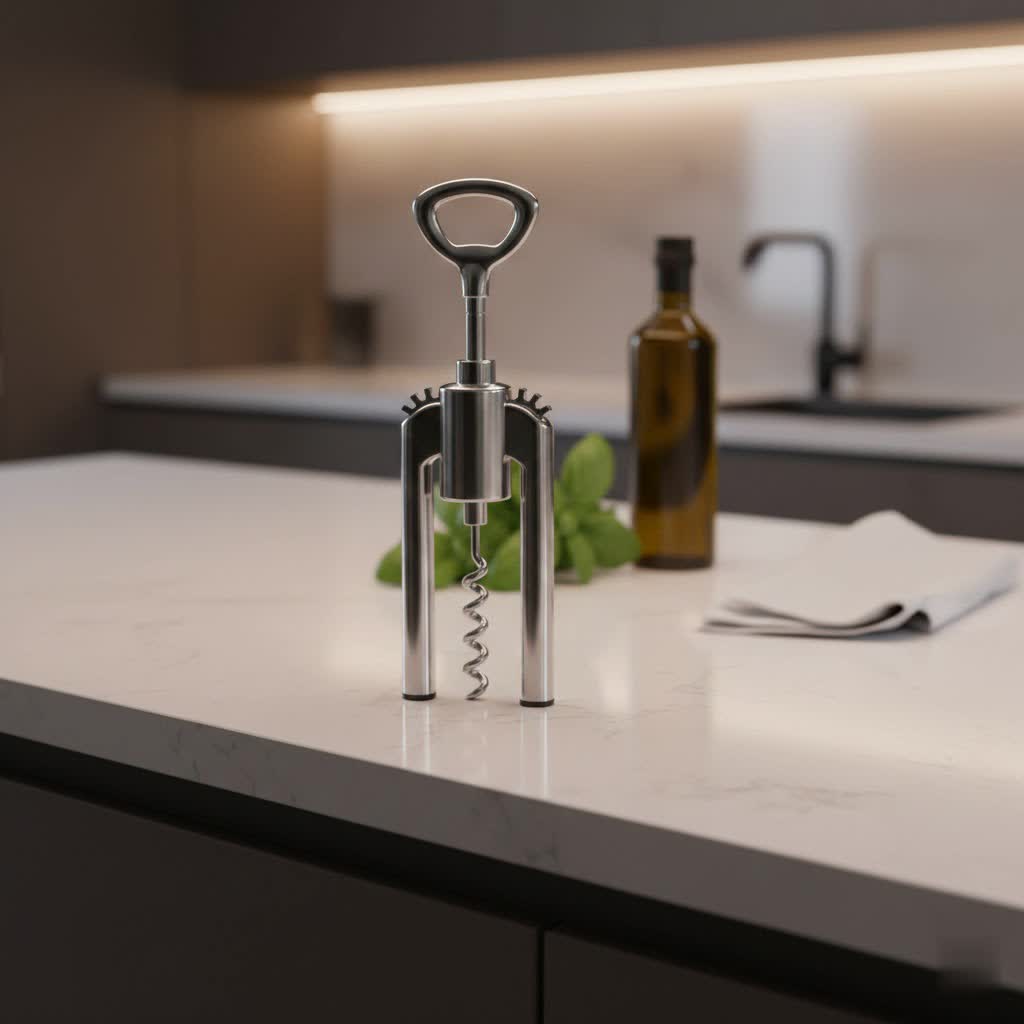
For the discerning wine enthusiast, the act of opening a bottle is more than a simple task; it’s a ritual, a prelude to enjoyment. While countless tools promise to uncork your favorite vintage, the “Estate Wine Opener” stands in a class of its own. With over a decade of hands-on experience in wine accessories, I’ve seen countless designs, but few combine the robust functionality, elegant aesthetics, and sheer ease of use quite like an estate model. This comprehensive guide will examine what makes these openers special, compare them with other popular types, and help you select the perfect companion for your cherished wine collection.
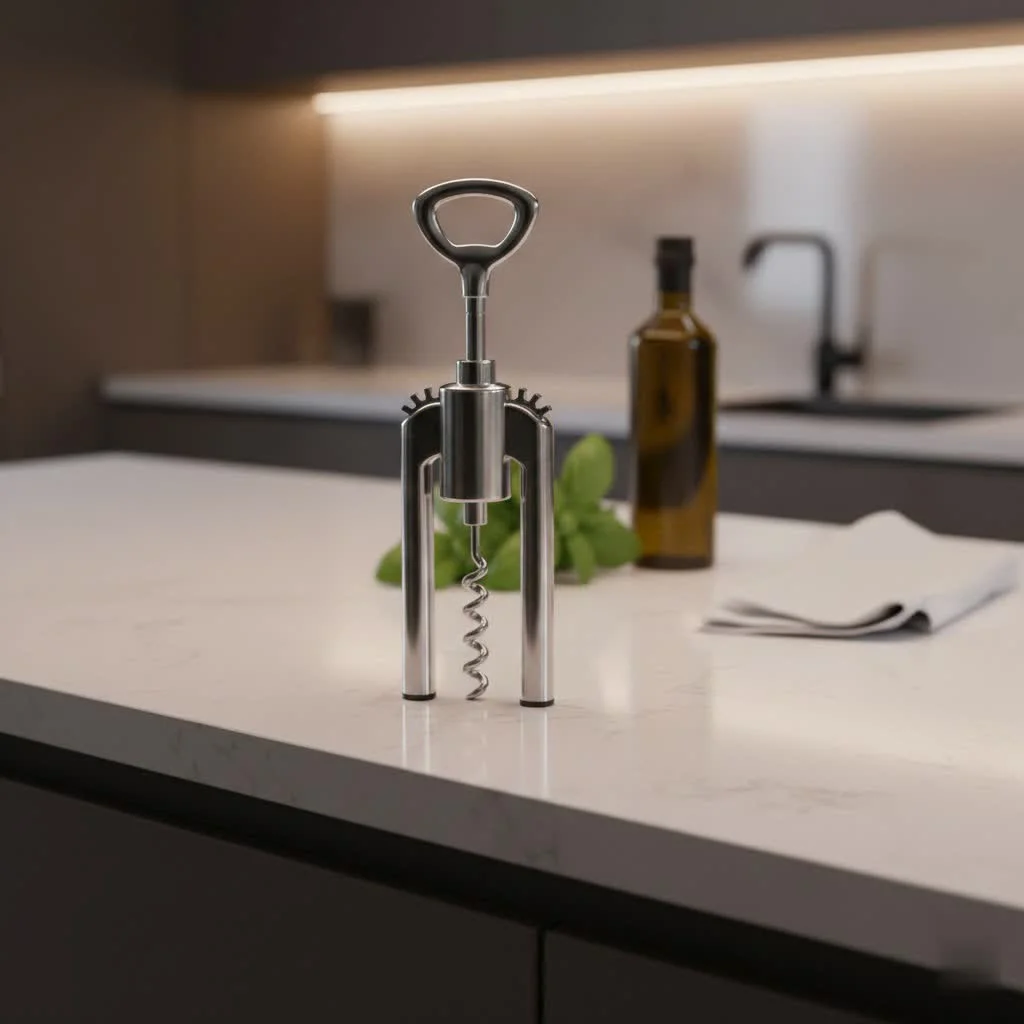
What is an Estate Wine Opener? Why Do You Need One?
An Estate Wine Opener is more than just a tool for removing corks; it’s a statement piece, a shows quality craftsmanship and a dedication to the art of wine. Primarily known through brands like Rogar, these high-quality, attractive clamp corkscrews and tabletop wine openers are designed for both efficiency and elegance. Unlike simpler handheld devices, estate openers are typically substantial, often made from durable materials like cast aluminum with exquisite finishes such as antique bronze, pewter, or silver plated. Many models are designed to be permanently mounted or clamped onto a bar, counter, or dedicated stand, often featuring a base of solid wood or even granite.
The history of these openers often harks back to ingenious 19th-century designs, where mechanical advantage was paramount for effortless cork extraction. They are not merely reproductions but embody a timeless design philosophy focused on durability and smooth operation. For a true wine lover, a quality wine opener isn’t just about utility; it’s about respecting the bottle and the wine within. An estate opener offers a consistent, reliable, and almost ceremonial method of uncorking, ensuring the cork is removed cleanly without damage, preserving the integrity of the wine and the experience. They also often boast the unique ability to re-cork bottles, adding to their versatility for those who don’t always finish a bottle in one sitting.
Popular Types of Wine Openers on the Market
The world of wine openers is diverse, offering a solution for every preference and situation. Understanding the distinct characteristics of each type is key to finding your ideal match.
Lever Wine Openers (Including Estate Clamp-Style)
Lever wine openers, often recognized by their “rabbit” ear-like handles or, in the case of estate models, a prominent single lever, use mechanical advantage to extract corks with minimal effort.
- Estate Clamp-Style Lever Openers: These are typically heavy-duty, tabletop or counter-mounted units.
- Advantages: Extremely easy to use with a single, smooth pull of a lever; highly durable construction (cast aluminum, metal); elegant, decorative appearance; can often re-cork bottles; ideal for high-volume use or permanent display.
- Disadvantages: High initial cost ($150-$250+); not portable; requires dedicated space.
- How to Use: Securely clamp the bottle neck, lower the lever to drive the corkscrew into the cork, then raise the lever to extract. Reverse the motion to re-cork.
- Handheld Lever Openers (e.g., Rabbit): These are popular for home use.
- Advantages: Relatively easy to use; quick cork removal; often includes a foil cutter.
- Disadvantages: Can be bulky to store; mechanisms can wear out over time; generally less durable than estate models.
- How to Use: Place over the bottle, push down the lever handles, then pull up to extract the cork.
Corkscrew Wine Openers (Waiter’s Friend/Sommelier Knife)
|
Our Picks for the Best Wine Opener in 2026
As an Amazon Associate I earn from qualifying purchases.
|
||
| Num | Product | Action |
|---|---|---|
| 1 | Oster Cordless Electric Wine Bottle Opener with Foil Cutter, Silver |

|
| 2 | Cuisinart CWO-25 Electric Wine Opener, Stainless Steel 3.50" x 4.75" x 10.00" |
|
| 3 | Cap Opener, Fun Bottle Opener for Parties and Gatherings, Creative Design Launches Caps at BBQs, Portable Entertainment for Outdoor Activities, Available in Red, Black, Blue |
|
| 4 | Secura Electric Wine Opener, Automatic Electric Wine Bottle Corkscrew Opener with Foil Cutter, Rechargeable (Stainless Steel) |
|
| 5 | Wino Wine Key! - Professional Sommelier's Corkscrew Wine Opener |
|
| 6 | Beneno Wine Opener, Zinc Alloy Premium Wing Corkscrew with Multifunctional Bottles Opener, Sharp Wine Corkscrew with Ergonomic Non-Slip Wing Handle, Silver |
|
| 7 | OXO Steel Vertical Lever Corkscrew with Removable Foil Cutter |
|
| 8 | GORILLA GRIP BPA-Free Premium Wine Opener, Heavy Duty Zinc Alloy Wing Corkscrew, Multifunctional Bottle Openers Remove Corks, Caps, Easy Use Sharp Cork Screw, Dishwasher Safe, Holiday Essential, Black |
|
| 9 | KORCCI Wine Opener, Heavy-Duty Zinc Alloy Wing Corkscrew, Premium Beer Bottle Opener, Multifunctional Wine Accessories with Ergonomic Handle and Sharp Screw, for Kitchen, Bar, Restaurant, Bartenders |
|
| 10 | OXO SteeL Winged Corkscrew with Removable Foil Cutter |
|
The classic waiter’s friend is a compact, versatile tool favored by professionals.
- Advantages: Portable, compact, includes a foil cutter and often a bottle opener; allows for precise control, which is crucial for older, fragile corks; durable if made with quality materials.
- Disadvantages: Requires a bit of technique and practice for smooth operation; can sometimes break corks if not used correctly.
- How to Use: Use the small knife to cut the foil. Twist the worm into the cork. Use the first lever on the bottle rim to partially lift the cork, then use the second lever to fully extract it.
Electric Wine Openers
Designed for ultimate convenience, electric wine openers simplify the uncorking process.
- Advantages: Effortless, one-touch operation; ideal for individuals with limited hand strength or mobility; often include rechargeable batteries and foil cutters; stylish, modern designs.
- Disadvantages: Relies on power/battery, which can run out; generally slower than manual lever openers; typically less durable than high-end manual options; can be loud.
- How to Use: Place the opener over the bottle and press a button; the corkscrew automatically enters and extracts the cork.
Winged Corkscrews
These widely recognized openers feature two “wings” that rise as the corkscrew is turned.
- Advantages: Very intuitive and easy to use, making them great for beginners; stable and effective for most standard corks.
- Disadvantages: Can be bulky; less precise for delicate corks; the worm can sometimes be too thick, damaging the cork.
- How to Use: Twist the handle to screw the worm into the cork. As the wings rise, push them down to lever the cork out of the bottle.
Air Pressure Wine Openers
These openers use a needle to inject air into the bottle, pushing the cork out.
- Advantages: No twisting or pulling required, minimizing cork damage; very easy to use once mastered.
- Disadvantages: Can sometimes cause corks to pop with force; requires technique to avoid pushing the cork into the bottle or damaging it; uses a CO2 cartridge, which needs replacement.
- How to Use: Insert the needle through the cork, pump air until the cork rises.
Two-Prong (Ah-So) Wine Openers
A specialist tool, the ah-so is prized for its gentle approach to fragile corks.
- Advantages: Extracts corks without piercing them, making it ideal for old or delicate corks that might crumble with a screw; preserves the cork intact.
- Disadvantages: Requires significant practice and technique to master; can be frustrating for beginners.
- How to Use: Gently slide the two prongs between the cork and the bottle neck, wiggling them down, then twist and pull to remove the cork.
Comparing Different Wine Opener Types: A Quick Guide
| Wine Opener Type | Advantages | Disadvantages | Price Range | Best For |
|---|---|---|---|---|
| Estate Clamp-Style | Effortless, highly durable, elegant, re-corking ability | Expensive, not portable, requires dedicated space | $150 – $250+ | Enthusiasts, collectors, high-volume use, permanent display |
| Handheld Lever | Easy, quick, good for regular use | Can be bulky, mechanisms wear out | $20 – $80 | Casual home use, gift |
| Waiter’s Friend | Portable, compact, versatile (foil cutter, bottle opener) | Requires skill, can damage corks if not used correctly | $10 – $100+ | Sommeliers, frequent travelers, everyday discreet use |
| Electric | Effortless, ideal for limited strength, modern | Battery dependent, slower, can be noisy, less durable generally | $25 – $150 | Convenience, ease of use, modern kitchens |
| Winged Corkscrew | Simple, intuitive, great for beginners | Bulky, less precise for delicate corks | $10 – $30 | Beginners, occasional home use |
| Air Pressure | No twisting/pulling, less cork damage | Can pop corks, uses cartridges, requires technique | $20 – $50 | Those avoiding cork crumbling, specific cork types |
| Two-Prong (Ah-So) | Preserves old/fragile corks intact | Difficult to master, requires finesse | $15 – $50 | Vintage wine collectors, fragile corks |
Key Factors When Choosing Your Wine Opener (Buying Guide)
Selecting the right wine opener involves more than just picking the first one you see. Consider these factors to ensure your choice aligns with your needs and enhances your wine experience.
Material and Build Quality
The materials used in a wine opener directly impact its durability, feel, and aesthetic. High-quality estate openers often feature cast aluminum or stainless steel bodies for longevity, paired with hardwood or elegant granite stands. These materials resist wear and tear, ensuring your opener lasts for decades. In contrast, cheaper options often use plastic components that can break down over time. For any type of opener, look for a robust worm (the spiral part) made of hardened steel, ideally with a Teflon coating to glide smoothly into the cork.
Ease of Use
Consider who will be using the opener and how frequently.
- Estate and electric openers offer the highest ease of use, requiring minimal physical effort, perfect for daily use or those with hand dexterity issues.
- Winged and handheld lever openers are also generally easy for most users.
- Waiter’s friends and ah-so openers demand more skill and practice but offer greater control for seasoned users.
The design, size, and weight all contribute to the ergonomic feel and usability. A well-balanced opener that fits comfortably in your hand can make a significant difference.
Price Point
Wine openers range from under $10 to several hundred dollars.
- Budget-friendly options ($10-$30) include basic winged or waiter’s corkscrews, suitable for occasional use.
- Mid-range ($30-$100) often includes better quality waiter’s friends, handheld lever, and electric openers with more features.
- Premium and Estate models ($100+) represent an investment in durability, design, and a superior user experience. Your budget should align with your frequency of use and your appreciation for craftsmanship and aesthetics.
Type of Wine & Cork
Different corks and wines benefit from specific opener types.
- Younger wines with resilient corks can be opened with almost any type.
- Older vintages with delicate, brittle, or dried-out corks are best approached with an ah-so opener or a waiter’s friend by an experienced hand, as these minimize the risk of cork crumbling.
- Synthetic corks are often firmer and can be challenging for some corkscrews, but most lever and electric openers handle them well.
Aesthetics & Display
For many, a wine opener isn’t just a tool; it’s a piece of decor. Estate wine openers excel here, with their intricate designs (like grape motifs), rich finishes, and substantial presence. They are designed to be proudly displayed on a bar or counter, becoming a focal point. If aesthetics are important to you, consider how the opener will look in your space.
Brand Reputation
Choosing a reputable brand ensures quality, reliability, and often better customer support. For estate-style openers, Rogar is a well-established name known for its durable and classic designs. For other types, brands like Rabbit, Pulltaps, OXO, and Peugeot are recognized for their performance and innovation. Researching user reviews and professional recommendations can guide you to trusted manufacturers.
Top Estate Wine Openers and Other Highly-Rated Models
When we talk about “Estate Wine Openers,” the Rogar Estate model often comes to mind as the quintessential example, embodying elegance, robustness, and unparalleled ease of use.
Rogar Estate Wine Opener (Bronze/Pewter with Stand)
The Rogar Estate Wine Opener is a shows timeless design and enduring quality. Made from solid cast aluminum, often finished in antique bronze or pewter, it presents a substantial and visually striking presence. These units are designed to be securely clamped onto a bar, shelf, table, or their accompanying granite or hardwood stands.
-
Key Features:
- Durable Construction: Built with heavy-duty cast aluminum, ensuring decades of reliable use.
- Effortless Operation: A single, smooth lever motion penetrates the cork and extracts it, often capable of handling both standard and flanged wine bottles.
- Re-corking Functionality: Many models allow you to reverse the motion to re-cork a bottle, a convenient feature for unfinished wines.
- Classic Aesthetics: Often adorned with grape and vine motifs, evoking a vintage, luxurious feel perfect for a home bar or tasting room.
- Display Value: Designed to be a permanent fixture, enhancing the decor of any wine-focused space.
-
Pros: Exceptional durability; extremely easy and fast to use; elegant design; can re-cork.
-
Cons: High price point; large and not portable; requires a dedicated mounting spot.
-
Ideal For: Serious wine collectors, those who appreciate classic design and craftsmanship, and individuals seeking a permanent, high-performance opener for frequent use.
While the Rogar Estate dominates the “estate” category, other high-quality lever or electric openers also offer a premium experience, though with different aesthetics and portability. For instance, high-end lever models like the Rabbit Original Lever Corkscrew offer remarkable ease of use in a more portable form, while electric options like the Peugeot Elis Touch Electric Corkscrew provide modern, push-button convenience for a sleek kitchen.
Tips for Using and Maintaining Your Wine Opener
Proper use and care can significantly extend the life of your wine opener and ensure a consistently smooth uncorking experience.
Correct Usage for Different Wine Openers
- Estate & Lever Openers: Always ensure the bottle is firmly seated and the opener is securely clamped. Operate the lever smoothly, without excessive force, allowing the mechanism to do the work. For re-corking, align the cork carefully before lowering the lever.
- Waiter’s Friend: Practice the two-step pull. Insert the worm slightly off-center for better leverage. Cut the foil cleanly below the lip of the bottle to prevent drips and maintain hygiene.
- Electric Openers: Charge the unit fully before use. Hold the bottle steady and position the opener centrally over the cork. Apply gentle downward pressure to activate.
- Ah-So Openers: This is a finesse tool. Wiggle the longer prong down the cork’s side first, then the shorter one. Slowly twist and pull up, working the cork out with a gentle rocking motion.
Cleaning and Maintenance
- Wipe Down After Each Use: Especially for corkscrews, immediately wipe any cork residue off the worm. A damp cloth is usually sufficient for cleaning the body of most openers.
- Avoid Harsh Cleaners: For decorative finishes like antique bronze or pewter on estate openers, use only mild soap and water or a specialized cleaner recommended by the manufacturer. Harsh chemicals can damage the finish.
- Lubrication (for mechanical parts): For lever-style and estate openers, consult the manual for recommended lubrication of moving parts to keep them operating smoothly. A small amount of food-grade mineral oil or a silicone-based lubricant can prevent sticking and prolong life.
- Storage: Store your wine opener in a clean, dry place. For estate models, their permanent display position is usually ideal. For portable openers, keep them in a drawer or case to protect the worm and other components from damage.
- Replace Worn Parts: The corkscrew “worm” on many manual and lever openers can become dull or bent over time. Many quality openers, including Rogar Estate models, offer replacement worms. Replacing these regularly ensures effective and clean cork extraction.
Conclusion
Choosing the right wine opener is an integral part of enhancing your wine enjoyment. From the robust, aesthetically pleasing Estate Wine Opener to the versatile waiter’s friend and the convenient electric model, each type offers unique benefits. While the Estate Wine Opener stands out for its craftsmanship, ease of use, and decorative appeal, the best choice ultimately depends on your personal preferences, frequency of use, and specific needs.
By considering factors such as material quality, ease of use, and the types of wines you typically enjoy, you can confidently select a wine opener that not only performs flawlessly but also adds a touch of elegance to your wine ritual. So, which wine opener will be your trusted companion on your next journey through the world of wine?
Get our weekly buyer guide
Practical specs, not advice. Unsubscribe anytime.
