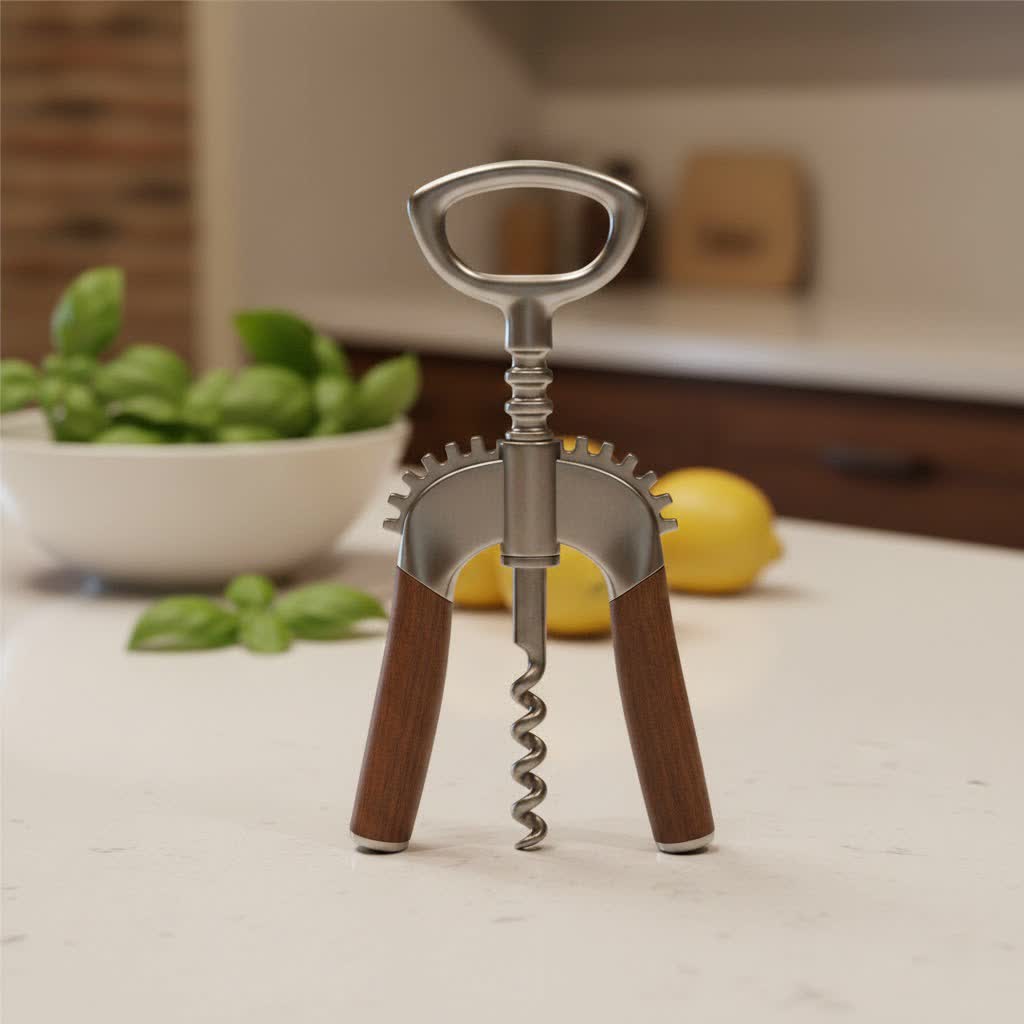
Opening a bottle of wine should be a moment of anticipation, not frustration. For many wine enthusiasts, struggling with a stubborn cork can dampen the entire experience. This is where the Houdini wine opener steps in, transforming the art of uncorking into an effortless and enjoyable act. Known for their user-friendly design and efficiency, Houdini wine openers offer a magical solution to a common challenge, ensuring every bottle opens smoothly, ready for you to savor your favorite vintage.
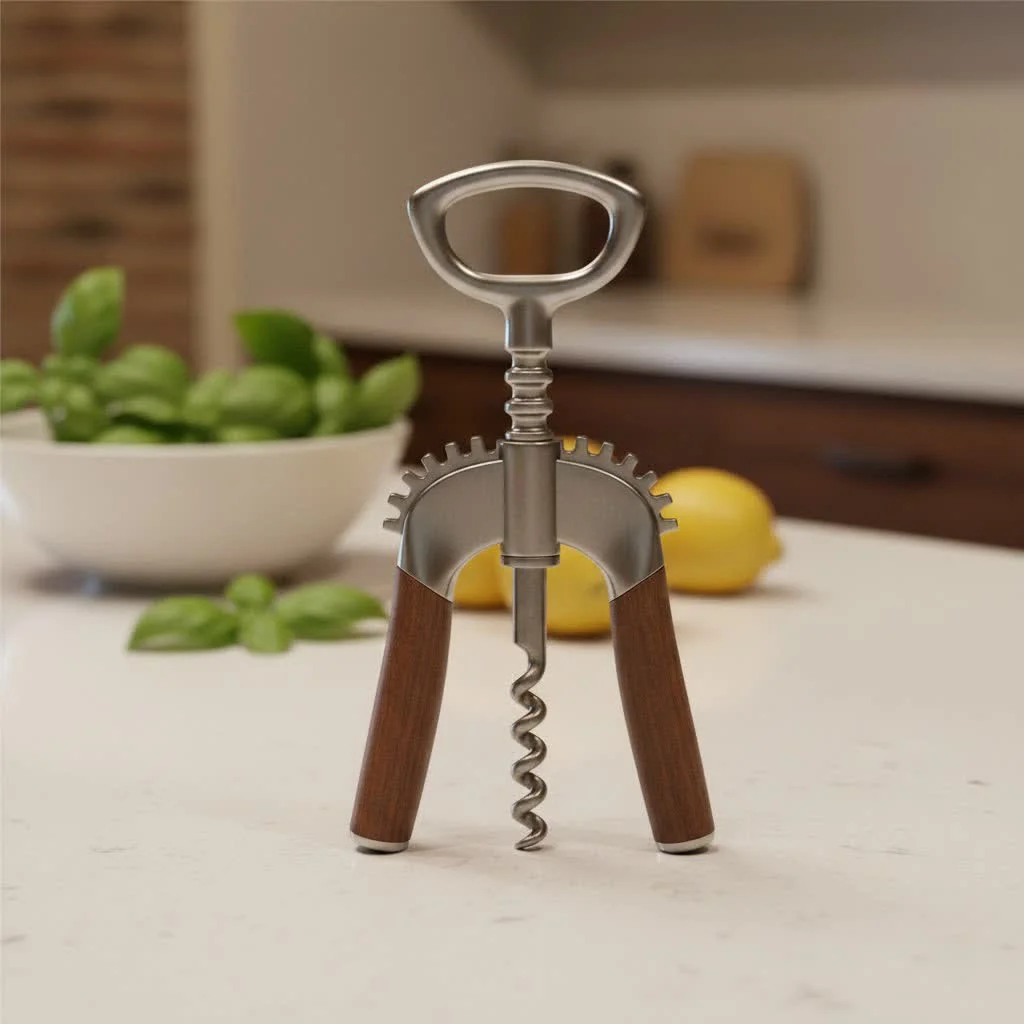
What is a Wine Opener? Why Do You Need One?
A wine opener, at its core, is a specialized tool designed to extract corks from wine bottles. Its primary purpose is to remove the cork cleanly and easily, allowing access to the wine without damaging the cork or introducing cork particles into the bottle. The history of wine openers dates back centuries, evolving from simple helical screws to sophisticated mechanical and electric devices, each iteration aiming to improve ease of use and reliability.
For anyone who appreciates wine, a quality wine opener is an indispensable tool. It eliminates the struggle associated with traditional corkscrews, prevents embarrassing mishaps like broken corks, and ensures a smooth, graceful uncorking process. A good wine opener enhances the overall wine experience, making it more accessible and enjoyable for everyone, from casual drinkers to seasoned connoisseurs.
Popular Types of Wine Openers, Including Houdini Offerings
The market offers a diverse range of wine openers, each with its unique mechanics and advantages. Houdini, a prominent brand in wine accessories, provides several popular types that cater to different preferences and needs, focusing on ease and efficiency.
Lever Wine Opener (Rabbit/Houdini Lever)
Lever-style wine openers, often referred to as “rabbit” openers due to their ear-like levers, are renowned for their speed and minimal effort. Houdini offers popular lever models that simplify cork removal significantly.
- Advantages: These openers are incredibly straightforward and intuitive to use. They require minimal hand strength or dexterity, making them ideal for individuals who find traditional corkscrews challenging. The ergonomic design ensures comfortable handling and efficient operation, extracting corks cleanly without crumbling.
- Disadvantages: Lever openers tend to be bulkier than other manual types, making them less portable.
- How to Use: To use a Houdini lever opener, first position it firmly over the neck of the wine bottle. Ensure the metal spiral (often called the “worm”) is centered directly above the cork. Press down gently until the worm grips the cork securely. Then, with both hands on the lever arms, pull them down simultaneously. You will feel the cork smoothly rise from the bottle. Once extracted, simply lift the levers again to release the cork from the worm.
Electric Wine Opener (Houdini Electric)
|
Our Picks for the Best Wine Opener in 2026
As an Amazon Associate I earn from qualifying purchases.
|
||
| Num | Product | Action |
|---|---|---|
| 1 | KORCCI Wine Opener, Heavy-Duty Zinc Alloy Wing Corkscrew, Premium Beer Bottle Opener, Multifunctional Wine Accessories with Ergonomic Handle and Sharp Screw, for Kitchen, Bar, Restaurant, Bartenders |

|
| 2 | Wino Wine Key! - Professional Sommelier's Corkscrew Wine Opener |
|
| 3 | GORILLA GRIP BPA-Free Premium Wine Opener, Heavy Duty Zinc Alloy Wing Corkscrew, Multifunctional Bottle Openers Remove Corks, Caps, Easy Use Sharp Cork Screw, Dishwasher Safe, Holiday Essential, Black |
|
| 4 | OXO Steel Vertical Lever Corkscrew with Removable Foil Cutter |
|
| 5 | Secura Electric Wine Opener, Automatic Electric Wine Bottle Corkscrew Opener with Foil Cutter, Rechargeable (Stainless Steel) |
|
| 6 | Cap Opener, Fun Bottle Opener for Parties and Gatherings, Creative Design Launches Caps at BBQs, Portable Entertainment for Outdoor Activities, Available in Red, Black, Blue |
|
| 7 | Beneno Wine Opener, Zinc Alloy Premium Wing Corkscrew with Multifunctional Bottles Opener, Sharp Wine Corkscrew with Ergonomic Non-Slip Wing Handle, Silver |
|
| 8 | OXO SteeL Winged Corkscrew with Removable Foil Cutter |
|
| 9 | Cuisinart CWO-25 Electric Wine Opener, Stainless Steel 3.50" x 4.75" x 10.00" |
|
| 10 | Oster Cordless Electric Wine Bottle Opener with Foil Cutter, Silver |
|
Electric wine openers represent the pinnacle of convenience, offering an almost effortless uncorking experience at the touch of a button. Houdini’s electric corkscrews are highly popular for their modern appeal and simplicity.
- Advantages: These battery-operated devices are exceptionally easy to use, requiring virtually no physical effort. They are often sleek in design and can extract all types of corks, including synthetic ones, quickly and efficiently. Many Houdini electric models are made with durable stainless steel and are designed to lock securely onto the bottle.
- Disadvantages: Some users report that electric openers can be somewhat loud during operation. Occasionally, they might not extract the cork entirely on the first attempt, requiring a second try. While some models may include a foil cutter, it’s not a universal feature.
- How to Use: Place the Houdini electric opener over the wine bottle, ensuring it’s securely positioned. Press the “down” button, and the corkscrew will automatically penetrate the cork and pull it out. Once the cork is fully removed from the bottle, press the “up” button to eject the cork from the opener itself.
Corkscrew Wine Opener (Manual Types: Waiter’s Friend, Winged, Zippity 2-Step)
Manual corkscrews are classic and widely available, and Houdini provides reliable versions of these traditional tools.
- Waiter’s Friend Corkscrew: This compact, foldable tool is a favorite among sommeliers and restaurant staff due to its portability and efficiency. It features a corkscrew, a lever, and often a small knife for cutting foil. While it requires a degree of hand strength and dexterity, it is highly effective for experienced users. Houdini offers deluxe magnetic waiter’s corkscrews.
- Winged Corkscrew: A common household corkscrew, the winged design makes cork removal more straightforward than a simple screw-pull. As you twist the corkscrew into the cork, two “wings” rise. Pushing these wings down provides leverage to pull the cork out. Houdini offers winged corkscrews, often made of ABS and steel.
- Zippity 2-Step: This is another variation, similar to a waiter’s friend, designed for two-step leverage to remove corks smoothly. Houdini offers deluxe Zippity 2-Step models.
Air Pressure Wine Opener
Air pressure wine openers use a needle to inject air into the bottle, creating pressure that pushes the cork out.
- Advantages: This method can remove corks very gently, often preserving older or fragile corks without twisting or pulling.
- Disadvantages: It can be slower than other methods and some users express concerns about air pressure potentially affecting the wine. While not a primary Houdini offering, it’s a distinct category of wine opener.
Multi-tool Wine Opener
Many wine openers incorporate additional functionalities, making them true multi-tools for wine enthusiasts.
- Advantages: These tools offer enhanced convenience by combining several accessories into one. For instance, a waiter’s friend typically includes a foil cutter, and Houdini often sells electric openers as part of a set with wine preservers, stoppers, and sometimes foil cutters.
- Disadvantages: The quality of additional tools can vary, and sometimes specialized individual tools perform better.
- How to Use: Usage depends on the specific tools included, but generally involves using the integrated foil cutter first, then the primary cork removal mechanism.
Comparison Table of Wine Openers
Choosing the right wine opener often comes down to balancing ease of use, durability, and budget. Here’s a comparison to help you decide:
| Type of Wine Opener | Pros | Cons | Ease of Use | Price Range (Approx.) |
|---|---|---|---|---|
| Lever | Fast, minimal physical effort, ergonomic, good for limited strength | Bulky, less portable | Very High | $20 – $50 |
| Electric | Effortless, quick, sleek design, ideal for all corks | Can be loud, occasional incomplete cork removal, battery dependent | Very High | $20 – $60 |
| Waiter’s Friend | Compact, portable, often includes foil cutter | Requires hand strength/dexterity, learning curve | Medium | $10 – $30 |
| Winged | Intuitive, provides leverage | Can lack sufficient torque for stubborn corks, bulkier than waiter’s | High | $10 – $25 |
| Air Pressure | Gentle on corks, ideal for fragile corks | Slower, potential concerns about wine aeration | Medium | $20 – $40 |
Factors to Consider When Buying a Wine Opener (Buying Guide)
Selecting the perfect wine opener involves more than just picking a design. Thoughtful consideration of several factors will ensure you find a tool that meets your needs for years to come.
Material
The material of your wine opener significantly impacts its durability, feel, and aesthetic. Common materials include:
- Stainless Steel: Often seen in Houdini electric and lever models, stainless steel offers excellent durability, corrosion resistance, and a modern, sleek appearance. It’s easy to clean and maintains its look over time.
- Plastic/ABS: Used for handles or body components, especially in electric and winged openers. It keeps the tool lightweight but can sometimes feel less premium than metal.
- Metal (Chrome, Aluminum, Steel): Provides strength and a classic feel. Many lever and winged openers incorporate various metals for robust construction.
- Wood: Found in some traditional corkscrews or as decorative handles, adding a warm, classic touch.
Prioritizing sturdy, high-quality materials like stainless steel or strong metal alloys will ensure your opener withstands frequent use.
Durability
A durable wine opener is a long-term investment. To assess durability, look for:
- Solid Construction: Components that feel robust and don’t flex excessively.
- Quality of the Worm/Spiral: A sharp, sturdy spiral made of good metal is crucial to prevent cork tearing.
- Reputable Brand: Brands like Houdini often have a reputation for consistent quality in their product lines.
To extend the lifespan of your wine opener, ensure proper use and avoid unnecessary force. For electric models, correct battery installation and storage are key.
Ease of Use
This is perhaps the most critical factor for many users. Consider your own strength and dexterity.
- Electric and Lever openers are excellent choices for those seeking maximum ease, individuals with arthritis, or anyone who frequently opens multiple bottles. Their push-button or simple lever actions minimize strain.
- Waiter’s Friends require more practice and hand coordination but are compact and highly effective once mastered.
- Winged corkscrews offer a good balance of leverage and simplicity for casual users.
Always choose an opener that feels comfortable in your hand and suits your physical capabilities.
Price
Wine openers come in a wide range of price points, from under $10 for basic manual models to $60+ for advanced electric sets.
- Budget-Friendly: Manual corkscrews like waiter’s friends or basic winged openers are generally very affordable.
- Mid-Range: Lever-style openers and entry-level electric models typically fall into this category, offering a good balance of features and cost. Houdini electric corkscrews often sit here.
- Premium: High-end electric sets or designer lever models will be more expensive, often including additional accessories like foil cutters, aerators, or vacuum preservers.
Determine your budget, but remember that a slightly higher investment can often lead to greater durability and a more satisfying user experience.
Brand
Choosing a reputable brand like Houdini can provide assurance of quality and customer support. Houdini is known for producing a variety of wine openers, particularly popular electric and lever-style models that prioritize user-friendliness and reliable performance. Opting for established brands often means better design, materials, and a more consistent user experience.
Top Houdini Wine Opener Styles
While specific model numbers can change, certain types of Houdini wine openers consistently receive high ratings for their performance and convenience.
- Houdini Electric Corkscrew: Often lauded as a “Best Battery-Operated” option, the Houdini Electric Corkscrew is celebrated for its no-frills, straightforward operation. Its stainless steel construction, ability to handle all cork types, and simple push-button mechanism make it a top choice for effortless uncorking. It typically requires four AA batteries (often included) and offers a clean cork removal in seconds.
- Houdini Lever Corkscrew: Embodying the classic “rabbit” style, Houdini’s lever corkscrews are highly regarded for their robust design and powerful leverage. They are praised for making cork removal feel smooth and quick, requiring just two simple motions: pushing the lever down to insert the worm and pulling it up to extract the cork. These are excellent for those who want manual control with mechanical assistance.
- Houdini Deluxe Waiter’s Corkscrew: For fans of traditional, compact openers, the Houdini Deluxe Magnetic Waiter’s Corkscrew is a popular choice. It’s a versatile, portable tool that often includes a built-in foil cutter, making it a complete solution for opening bottles on the go.
These styles are favored for their combination of functionality, user experience, and the brand’s commitment to simplifying wine enjoyment.
Tips for Using and Maintaining Your Wine Opener
Proper use and care will maximize the performance and longevity of your wine opener, ensuring it remains a reliable companion for many wine-filled occasions.
Usage Tips:
- Stable Surface: Always place the wine bottle on a flat, stable surface before attempting to open it. This provides necessary stability and prevents spills.
- Foil Removal: If your opener doesn’t have an integrated foil cutter (or even if it does), ensure the foil capsule is completely removed before attempting to insert the corkscrew.
- Center the Corkscrew: Whether electric or manual, always make sure the corkscrew’s worm is centered on the cork before engaging the mechanism. This helps prevent cork breakage.
- Gentle and Steady Pressure: For manual openers, apply steady, even pressure when twisting or leveraging. For electric models, simply let the device do the work without forcing it.
Maintenance Tips:
- Clean After Each Use: Wipe down your wine opener, especially the worm, after each use to remove any cork residue or wine stains. A damp cloth is usually sufficient for most models.
- Avoid Dishwasher for Electric Models: While some manual parts might be dishwasher-safe (like certain winged corkscrews), never put electric wine openers in the dishwasher. The electronic components can be damaged.
- Store Properly: Store your wine opener in a dry place to prevent rust or damage. Many Houdini sets come with cases or stands that offer ideal storage.
- Battery Care: For electric openers, replace batteries as needed or recharge if it’s a rechargeable model. Remove batteries if the opener will be stored for an extended period to prevent leakage.
Conclusion
The Houdini wine opener series truly embodies the magic of effortless uncorking, making the enjoyment of wine more accessible and delightful for everyone. Whether you prefer the push-button simplicity of an electric model, the sturdy leverage of a rabbit-style opener, or the classic utility of a waiter’s friend, Houdini offers a reliable solution tailored to your needs. By considering factors like material, ease of use, and durability, you can select the perfect Houdini wine opener to be your trusted companion, ensuring every bottle opens smoothly and every sip can be savored without a hitch.
Which Houdini wine opener will unlock your next perfect moment?
Frequently Asked Questions
Do Houdini electric wine openers come with a foil cutter?
While some Houdini electric wine opener sets include a foil cutter, individual electric models may not always come with one. It’s advisable to check the product description to confirm if a foil cutter is included with your chosen model.
Can Houdini wine openers open synthetic corks?
Yes, most Houdini wine openers, including their electric and lever-style models, are designed to efficiently remove all types of corks, including traditional natural corks and modern synthetic corks, ensuring versatility for your wine collection.
Get our weekly buyer guide
Practical specs, not advice. Unsubscribe anytime.
