Opening a bottle of wine should be a moment of anticipation, not frustration. Yet, for many, a stubborn cork can quickly turn enjoyment into a struggle, especially with traditional corkscrews that demand precision and physical effort. If you’ve ever found yourself wrestling with a bottle, fearing a broken cork or a splash of wine, then an electric wine opener, particularly the popular Oster electric wine bottle opener, is designed to transform your wine experience. This comprehensive guide will explore why this modern gadget has become a favorite among wine lovers, offering effortless uncorking at the touch of a button.
What is a Wine Opener? Why Do You Need One?
A wine opener, also known as a corkscrew, is an essential tool designed to extract corks from wine bottles. Its primary purpose is to allow access to the wine without damaging the cork or introducing cork fragments into the beverage. The history of wine openers dates back to the late 17th century, evolving from simple T-shaped designs to more complex mechanisms, driven by the increasing popularity of bottled wine. Early designs were often crude, leading to broken corks and messy openings.
In today’s fast-paced world, a quality wine opener is more than just a convenience; it’s a necessity for anyone who enjoys wine regularly. A good opener ensures a clean, effortless, and safe uncorking process, preserving the wine’s integrity and enhancing the overall drinking experience. For enthusiasts, collectors, and casual drinkers alike, a reliable wine opener is the silent partner to every perfect pour.
Popular Types of Wine Openers on the Market
The market offers a diverse range of wine openers, each with its unique design, advantages, and usage method. Understanding these types helps you appreciate the innovation behind devices like the Oster electric wine bottle opener.
Lever Wine Opener
Lever wine openers, often called “rabbit” corkscrews due to their appearance, use a robust lever mechanism to extract corks.
- Pros: They require minimal effort, making them quick and efficient. They are generally durable and can handle synthetic or natural corks with ease.
- Cons: Can be bulky and more expensive than basic corkscrews.
- How to use: Clamp the handles onto the bottle neck, push the lever down to insert the screw into the cork, then pull the lever up to extract the cork smoothly.
Corkscrew Wine Opener
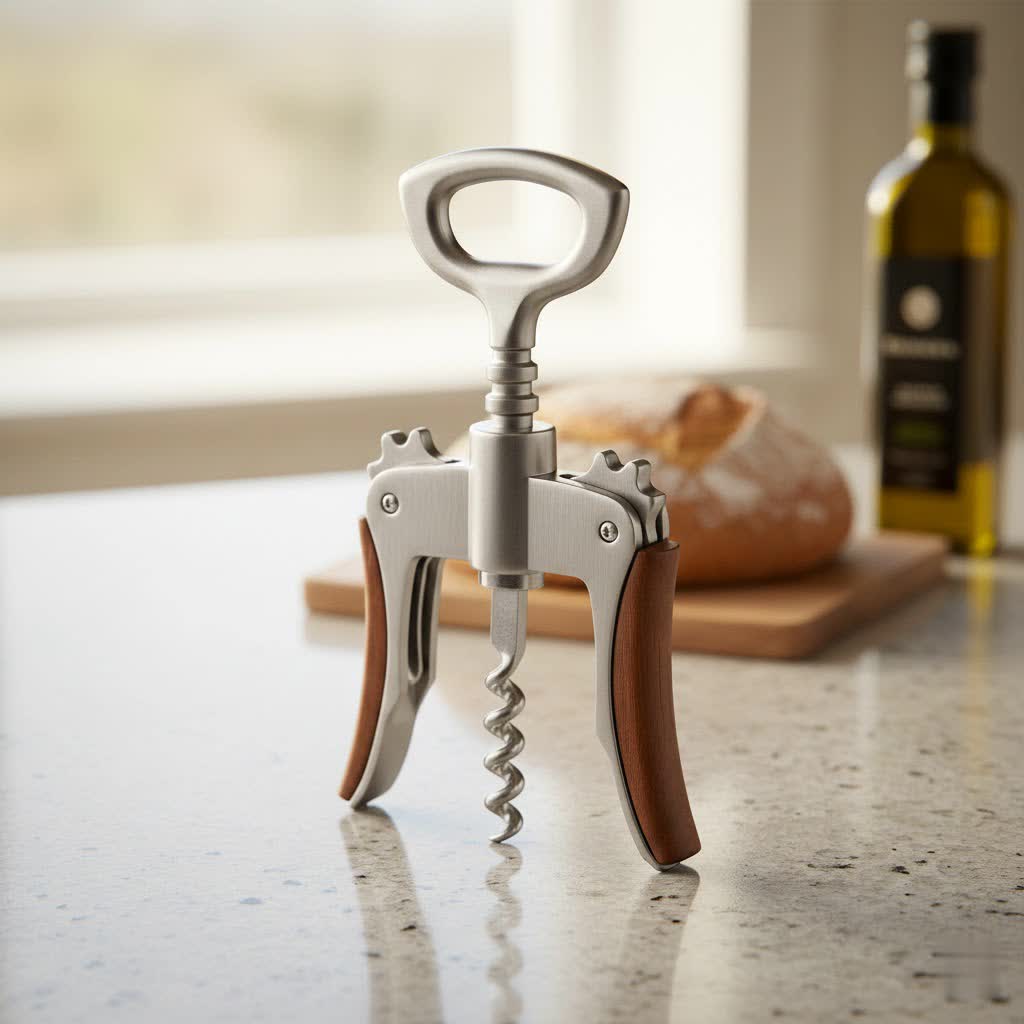
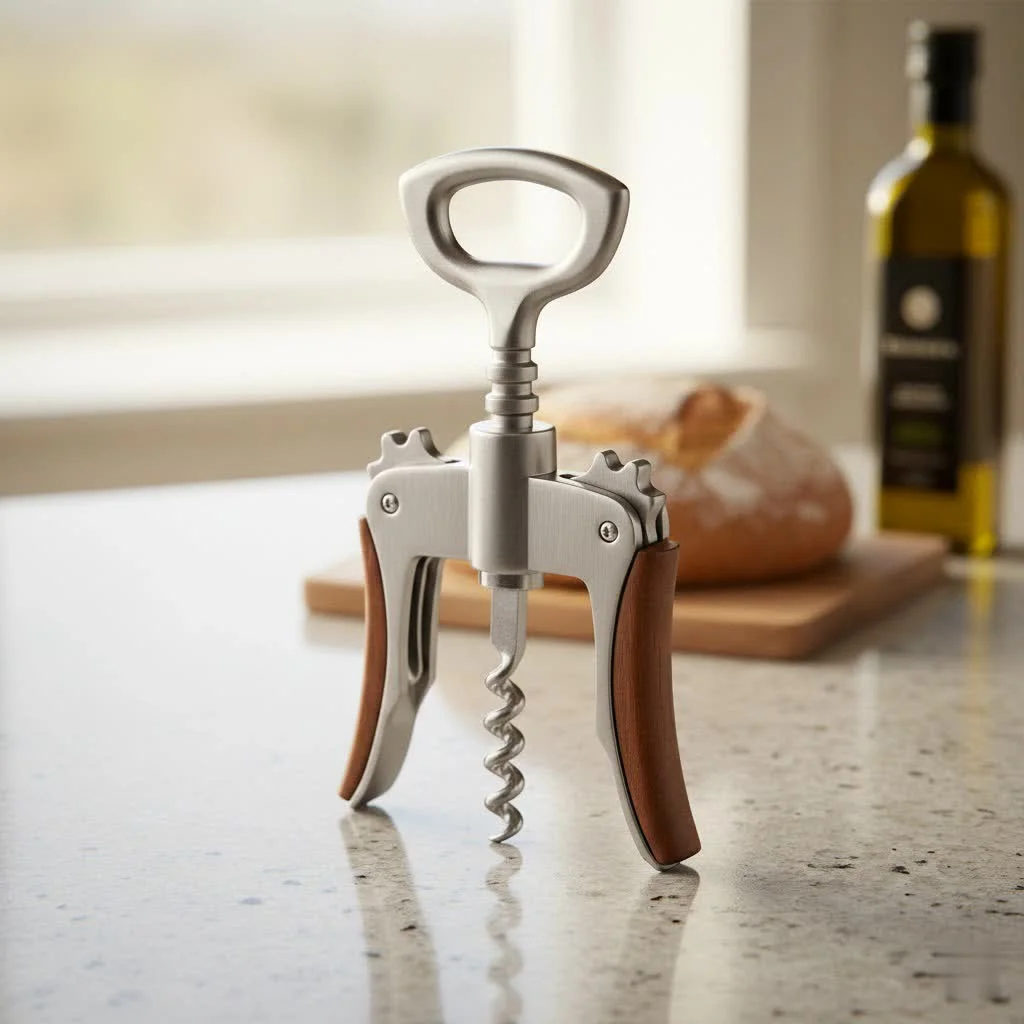
This broad category includes traditional waiter’s corkscrews and winged corkscrews, known for their simplicity and portability.
- Pros: Waiter’s corkscrews are compact and excellent for travel. Winged corkscrews offer more leverage than basic models. Both are generally affordable.
- Cons: Require moderate hand strength and technique; improper use can break corks.
- How to use: For a waiter’s corkscrew, screw the worm into the cork, then use the leverage points on the bottle rim to gradually pull the cork out. For a winged corkscrew, screw the worm in, and the “wings” will rise; push the wings down to extract the cork.
Electric Wine Opener
|
Our Picks for the Best Wine Opener in 2026
As an Amazon Associate I earn from qualifying purchases.
|
||
| Num | Product | Action |
|---|---|---|
| 1 | Oster Cordless Electric Wine Bottle Opener with Foil Cutter, Silver |

|
| 2 | Beneno Wine Opener, Zinc Alloy Premium Wing Corkscrew with Multifunctional Bottles Opener, Sharp Wine Corkscrew with Ergonomic Non-Slip Wing Handle, Silver |
|
| 3 | KORCCI Wine Opener, Heavy-Duty Zinc Alloy Wing Corkscrew, Premium Beer Bottle Opener, Multifunctional Wine Accessories with Ergonomic Handle and Sharp Screw, for Kitchen, Bar, Restaurant, Bartenders |
|
| 4 | Secura Electric Wine Opener, Automatic Electric Wine Bottle Corkscrew Opener with Foil Cutter, Rechargeable (Stainless Steel) |
|
| 5 | Wino Wine Key! - Professional Sommelier's Corkscrew Wine Opener |
|
| 6 | Cap Opener, Fun Bottle Opener for Parties and Gatherings, Creative Design Launches Caps at BBQs, Portable Entertainment for Outdoor Activities, Available in Red, Black, Blue |
|
| 7 | GORILLA GRIP BPA-Free Premium Wine Opener, Heavy Duty Zinc Alloy Wing Corkscrew, Multifunctional Bottle Openers Remove Corks, Caps, Easy Use Sharp Cork Screw, Dishwasher Safe, Holiday Essential, Black |
|
| 8 | Cuisinart CWO-25 Electric Wine Opener, Stainless Steel 3.50" x 4.75" x 10.00" |
|
| 9 | OXO SteeL Winged Corkscrew with Removable Foil Cutter |
|
| 10 | OXO Steel Vertical Lever Corkscrew with Removable Foil Cutter |
|
Electric wine openers leverage battery-powered motors to automate the uncorking process, offering ultimate ease of use.
- Pros: Effortless operation, ideal for individuals with limited hand strength or arthritis, provides a clean cork extraction without twisting or pulling. Many models, like the Oster, come with a foil cutter.
- Cons: Requires charging, can be slower than manual lever types, may occasionally get stuck or wobble.
- How to use: Place the opener vertically over the bottle, press a button to engage the corkscrew, which automatically penetrates and removes the cork. Another button usually releases the cork from the opener.
Air Pressure Wine Opener
These openers use a needle to inject air into the bottle, increasing pressure to push the cork out.
- Pros: No twisting or pulling, minimal physical effort.
- Cons: Can be slower, may not be suitable for older, more fragile corks, and some users worry about potential glass damage from internal pressure.
- How to use: Insert the needle through the cork, then pump air into the bottle until the cork pops out.
Multi-tool Wine Opener
Often combining a corkscrew with other functions like a bottle opener or knife, these are designed for versatility.
- Pros: Highly versatile, space-saving, and useful for various tasks.
- Cons: The primary corkscrew function might not be as robust or easy to use as dedicated openers.
- How to use: Depending on the tools included, use the integrated corkscrew function similarly to a basic corkscrew, and leverage other tools as needed.
Comparing Different Wine Opener Types
Here’s a comparison to highlight the differences between popular wine opener types:
| Type of Wine Opener | Advantages | Disadvantages | Reference Price Range | Ease of Use |
|---|---|---|---|---|
| Lever | Quick, easy, good for volume | Bulky, higher cost | $20 – $100+ | Very Easy |
| Corkscrew | Portable, affordable, classic | Requires strength/technique, can break corks | $5 – $30 | Moderate |
| Electric | Effortless, ideal for limited mobility, sleek design | Requires charging, can be slower, some wobbling | $25 – $70+ | Very Easy |
| Air Pressure | No pulling/twisting | Can be slow, potential for cork/bottle damage | $15 – $40 | Easy |
| Multi-tool | Versatile, compact | Less robust primary function | $10 – $30 | Moderate |
Factors to Consider When Buying a Wine Opener (Buying Guide)
Choosing the right wine opener involves more than just aesthetics. Consider these factors to ensure your selection perfectly matches your needs.
Material
The material of your wine opener impacts its durability, feel, and aesthetic appeal.
- Stainless Steel: Known for its strength, corrosion resistance, and sleek appearance, stainless steel openers offer excellent durability and a premium feel. Many electric models, including some Oster designs, feature stainless steel accents.
- Plastic: Often found in budget-friendly or lightweight models, plastic can be durable if high-quality, but cheaper plastics may feel flimsy. It allows for ergonomic designs and various color options.
- Wood: Primarily used for handles on traditional corkscrews, wood offers a classic look and comfortable grip but requires more care to prevent drying or cracking.
Durability
A durable wine opener will withstand repeated use and last for years. To check for durability, examine the construction:
- Look for solid, weighty materials, especially in the corkscrew mechanism.
- Read reviews to see how long users report the product lasting and if there are common failure points.
- Maintenance: Proper care extends life. For electric openers, avoid submerging them in water, clean them with a damp cloth, and store them on their charging base away from extreme conditions. Never force the opener; let the motor do the work. The Oster Electric Wine Opener, for instance, generally comes with a one-year limited warranty, highlighting the importance of proper usage and not attempting self-repairs.
Ease of Use
The primary appeal of electric wine openers is their ease of use.
- Design: Look for ergonomic designs that fit comfortably in your hand. The Oster electric wine bottle opener often features a soft-grip handle.
- Size and Weight: Consider where you’ll store it. Larger, heavier models might feel more robust, while compact ones are better for travel.
- Accessibility: Electric openers are particularly beneficial for individuals with conditions like arthritis or limited hand mobility, as they require minimal physical exertion. A simple one-button operation, as seen in Oster models, greatly enhances user accessibility.
Price
Wine openers come in a wide range of price points, from under $10 for basic corkscrews to over $100 for premium electric or lever models.
- Budget-Friendly ($10-$30): Basic corkscrews, some entry-level electric openers like the Oster. These offer good value for casual use.
- Mid-Range ($30-$70): More robust electric openers, quality lever models. These often provide enhanced durability and features.
- Premium ($70+): High-end electric openers with advanced features, luxury materials, and sleek designs.
Choosing an Oster electric wine bottle opener often falls into the budget-friendly to mid-range category, offering a balance of performance and affordability.
Brand
Choosing a reputable brand can offer peace of mind regarding quality, customer support, and warranty.
- Oster: A well-known brand in kitchen appliances, Oster offers reliable and affordable electric wine openers. They are often praised for their straightforward functionality and value.
- Other reputable brands: Cuisinart, Secura, Rabbit, and Peugeot are also recognized for their quality wine openers, with some specializing in more premium or design-focused options. Selecting an Oster product ensures you’re getting a device from a brand with a long-standing history in consumer goods.
Why the Oster Electric Wine Opener Stands Out
The Oster Electric Wine Bottle Opener has earned its reputation as a popular choice for effortlessly opening wine bottles. It’s frequently cited in reviews as a strong budget-friendly option, offering excellent performance for its price.
This cordless, rechargeable device typically features a sleek, often silver-accented design, making it an attractive addition to any kitchen or bar. Its primary appeal lies in its one-touch operation: a simple press of a button activates the corkscrew to smoothly remove the cork. Many models come with a convenient foil cutter, streamlining the entire uncorking process from start to finish. Reviewers consistently highlight its ease of use and ability to remove corks quickly and cleanly. It’s particularly beneficial for individuals who struggle with manual corkscrews due to hand strength or dexterity issues.
On a full charge, the Oster electric wine opener can open approximately 30 bottles of wine, making it suitable for parties and gatherings. Charging typically takes 6-8 hours. While some tests indicate it might be slightly slower than top-tier electric models (taking around 11-11.31 seconds to remove a cork), its efficiency and user-friendly design make it a standout choice for everyday use. However, some users have reported occasional wobbling during operation or the corkscrew sometimes inserting at an angle, potentially leading to small cork remnants. Despite these minor drawbacks, its affordability and straightforward functionality make the Oster electric wine opener a highly recommended tool for wine lovers seeking convenience and reliability.
“The Oster Electric Wine Bottle Opener excels in making wine opening accessible and effortless for everyone, proving that convenience doesn’t always have to come with a hefty price tag.” – Reviewmunz Admin, Wine Opener Expert
Tips for Using and Maintaining Your Wine Opener
To ensure a long lifespan and optimal performance from your Oster electric wine bottle opener, follow these simple usage and maintenance tips.
How to Use Your Oster Electric Wine Opener Correctly
- Remove the foil: Use the included foil cutter to cleanly remove the foil seal from the wine bottle’s neck. This is a crucial first step for all electric openers.
- Position the opener: Place the Oster electric wine opener vertically over the wine bottle, ensuring it’s centered on the cork. Hold the bottle firmly with one hand and the opener straight with the other. Avoid holding the opener at an angle, as this can cause it to wobble or damage the cork.
- Extract the cork: Press the “down” button (or the lower part of the switch) to engage the corkscrew. The mechanism will automatically rotate, penetrating the cork and then pulling it out of the bottle. The opener will typically stop once the cork is fully removed.
- Release the cork: Lift the opener away from the bottle. Then, press the “up” button (or the upper part of the switch) to reverse the corkscrew, releasing the cork from the opener.
Tips for Cleaning and Preserving Your Wine Opener
- Wipe clean: After each use, gently wipe the exterior of the Oster electric wine opener with a damp cloth to remove any wine residue or dust. Avoid using abrasive cleaners.
- Do not submerge: Never immerse the electric wine opener or its charging base in water or any other liquid, as this can cause electrical shock and damage the device.
- Charge regularly: Keep the unit charged, especially before extended periods of non-use, to maintain battery health. Recharge only with the supplied charging unit and power cord.
- Store properly: Store your opener on its charging base in a clean, dry place. Ensure the workspace is free from potential hazards when using or recharging.
- Handle with care: The corkscrew spiral is sharp. Always handle the opener by its plastic housing and avoid touching or adjusting the internal mechanism. Never force the opener or try to speed up the process, as it’s designed to work best at its intended speed.
Following these guidelines will help you enjoy effortless wine opening for years to come.
Conclusion
The Oster electric wine bottle opener stands out as an indispensable tool for anyone who cherishes the simple pleasure of a glass of wine without the fuss. Its blend of effortless operation, sleek design, and consistent performance makes it an excellent choice for both casual enthusiasts and those seeking a more accessible way to uncork their favorite vintages. By understanding the different types of openers and the key factors in choosing one, you can confidently select the perfect companion for your wine enjoyment. Are you ready to elevate your wine experience with the convenience and reliability of an electric wine opener?
Frequently Asked Questions
How long does it take for an Oster electric wine opener to charge?
The Oster electric wine opener typically requires 6 to 8 hours to achieve a full charge. A complete charge allows the device to open approximately 30 bottles of wine, making it ready for multiple uses or entertaining.
Can an Oster electric wine opener open all types of corks?
Yes, the Oster electric wine opener is designed to effectively remove both natural and synthetic corks. Its powerful motor and corkscrew mechanism are engineered to handle various cork types commonly found in wine bottles, ensuring versatility.
What should I do if my Oster electric wine opener gets stuck?
If your Oster electric wine opener gets stuck in a cork, first ensure it is fully charged. Avoid forcing the mechanism. Some users report gently trying to wiggle the bottle or the opener to free it, or attempting to reverse the corkscrew if applicable. If it consistently malfunctions, refer to the user manual for troubleshooting or contact customer service, as self-repair may void the warranty.
Is the Oster electric wine opener noisy during operation?
No, the Oster electric wine opener is generally known for its relatively quiet operation. While there will be a subtle whirring sound from the motor during cork extraction, it is not excessively loud and allows for a pleasant uncorking experience without disruptive noise.
Does the Oster electric wine opener come with a foil cutter?
Yes, most models of the Oster electric wine opener include a foil cutter. This accessory is designed to quickly and cleanly remove the foil seal from wine bottles before uncorking, providing a complete and convenient wine opening solution in one package.
Get our weekly buyer guide
Practical specs, not advice. Unsubscribe anytime.
