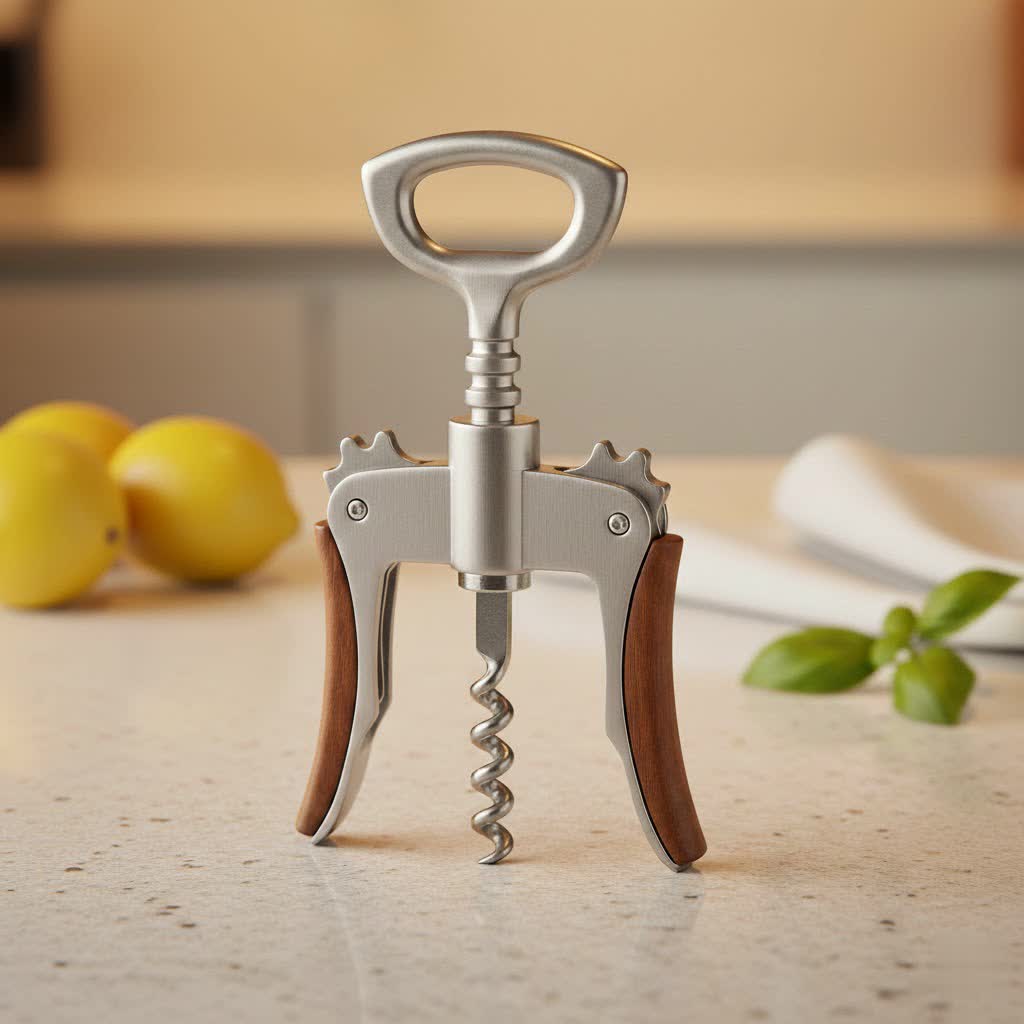
Imagine the perfect evening: a delicious meal, cherished company, and a bottle of fine wine ready to be enjoyed. But then, frustration strikes. A stubborn cork, a struggling opener, or worse, a crumbled cork floating in your treasured vintage. A truly exceptional wine experience begins long before the first sip – it starts with effortlessly uncorking the bottle. Whether you’re a seasoned sommelier or a casual wine enthusiast, investing in a top-rated wine bottle opener can transform your ritual from a chore into a seamless, elegant affair. This comprehensive guide will navigate the diverse world of wine openers, helping you find the perfect companion for your oenophile journey.
What is a Wine Opener and Why Do You Need One?
At its core, a wine opener is a tool designed to remove corks from wine bottles. While the basic function remains unchanged, the mechanisms have evolved dramatically over centuries. From simple corkscrews of the 17th century to today’s sophisticated electric and lever models, each iteration aims to make the process smoother, faster, and more reliable.
For any wine lover, a quality wine opener isn’t just a convenience; it’s an essential part of the experience. It protects the integrity of the cork, preventing breakage or contamination, and ensures the wine can be presented and poured with grace. A poor opener can turn a moment of anticipation into one of stress, while a great one enhances the entire enjoyment, setting the tone for the delightful sips to follow.
Popular Types of Wine Openers
The market offers a fascinating array of wine openers, each with its unique design, advantages, and ideal use cases. Understanding these differences is key to selecting the best tool for your needs.
Lever Wine Opener (Rabbit-style)
Lever-style wine openers, often dubbed “Rabbit” openers due to the brand that popularized the design, are known for their mechanical advantage and ease of use. They feature a handle and a lever mechanism that, when pressed down, drives the corkscrew into the cork and then, with an upward pull, extracts it effortlessly.
- Pros: Incredibly easy and quick to use, requires minimal strength, suitable for most cork types, often includes a foil cutter.
- Cons: Can be bulky to store, sometimes pricier, requires two hands, may feel less “traditional” to some.
- How to Use: Place the opener firmly over the bottle neck. Push the lever down to insert the worm into the cork, then pull the lever up to extract the cork.
Waiter’s Corkscrew (Sommelier Knife)
|
Our Picks for the Best Wine Opener in 2026
As an Amazon Associate I earn from qualifying purchases.
|
||
| Num | Product | Action |
|---|---|---|
| 1 | GORILLA GRIP BPA-Free Premium Wine Opener, Heavy Duty Zinc Alloy Wing Corkscrew, Multifunctional Bottle Openers Remove Corks, Caps, Easy Use Sharp Cork Screw, Dishwasher Safe, Holiday Essential, Black |

|
| 2 | KORCCI Wine Opener, Heavy-Duty Zinc Alloy Wing Corkscrew, Premium Beer Bottle Opener, Multifunctional Wine Accessories with Ergonomic Handle and Sharp Screw, for Kitchen, Bar, Restaurant, Bartenders |
|
| 3 | Cap Opener, Fun Bottle Opener for Parties and Gatherings, Creative Design Launches Caps at BBQs, Portable Entertainment for Outdoor Activities, Available in Red, Black, Blue |
|
| 4 | Beneno Wine Opener, Zinc Alloy Premium Wing Corkscrew with Multifunctional Bottles Opener, Sharp Wine Corkscrew with Ergonomic Non-Slip Wing Handle, Silver |
|
| 5 | OXO Steel Vertical Lever Corkscrew with Removable Foil Cutter |
|
| 6 | OXO SteeL Winged Corkscrew with Removable Foil Cutter |
|
| 7 | Secura Electric Wine Opener, Automatic Electric Wine Bottle Corkscrew Opener with Foil Cutter, Rechargeable (Stainless Steel) |
|
| 8 | Oster Cordless Electric Wine Bottle Opener with Foil Cutter, Silver |
|
| 9 | Wino Wine Key! - Professional Sommelier's Corkscrew Wine Opener |
|
| 10 | Cuisinart CWO-25 Electric Wine Opener, Stainless Steel 3.50" x 4.75" x 10.00" |
|
The waiter’s corkscrew, also known as a sommelier knife or wine key, is a classic, compact, and highly popular choice among professionals. Its foldable design includes a corkscrew, a lever (often double-hinged for better leverage), and a small foil cutter knife.
- Pros: Portable and pocket-sized, precise and elegant, durable when made from quality materials, integrated foil cutter and often a bottle opener.
- Cons: Requires some technique and practice to master, not as effortless as electric or lever models.
- How to Use: Use the small knife to cut and remove the foil. Twist the corkscrew into the center of the cork. Use the first hinge of the lever to brace against the bottle rim and pull the cork halfway out, then reposition to the second hinge for the final, smooth extraction.
Electric Wine Opener
Electric wine openers provide the ultimate hands-free convenience, making them ideal for individuals who struggle with grip strength or prefer a completely automated experience. These devices typically run on batteries and feature a simple one-touch operation.
- Pros: Effortless and requires zero strength, fast operation, often includes a built-in foil cutter and can look sleek.
- Cons: Requires charging or battery replacement, can be bulkier than manual options, may sometimes crumble delicate corks if not perfectly aligned, takes up counter space.
- How to Use: After removing the foil, place the electric opener vertically over the bottle. Press the “down” button, and the corkscrew automatically drills into and removes the cork. Press the “up” button to release the cork from the device.
Air Pressure Wine Opener
Air pressure wine openers employ a unique method, using a needle to inject air into the bottle, which in turn pushes the cork out. This can be a satisfying and effective way to remove corks, especially if you enjoy a dramatic “pop.”
- Pros: Requires very little physical strength, quick and effective, can be quite entertaining to use.
- Cons: Involves a sharp needle (though often protected), can be messy if not used carefully (wine spray), some models require CO2 cartridges, may push loose corks into the bottle if not careful.
- How to Use: Insert the needle fully through the cork, ensuring it doesn’t pierce the wine itself. Gently pump the plunger (or press the canister for CO2 models) a few times until the cork pops out.
Two-Pronged Cork Puller (Ah-So)
Also known as an “Ah-So” opener or Butler’s Friend, this minimalist tool uses two metal prongs that slide between the cork and the bottle neck. It’s particularly favored for opening older, more delicate corks without piercing them.
- Pros: Ideal for fragile or vintage corks, preserves the cork intact, allows for re-corking, elegant and often appreciated by connoisseurs.
- Cons: Has a significant learning curve, requires technique and patience, can accidentally push the cork in if used improperly, requires two hands.
- How to Use: Insert the longer prong between the cork and the bottle neck on one side, then the shorter prong on the opposite side. Rock and push down gently until both prongs are fully inserted. Twist and pull upward simultaneously to extract the cork.
Winged Corkscrew
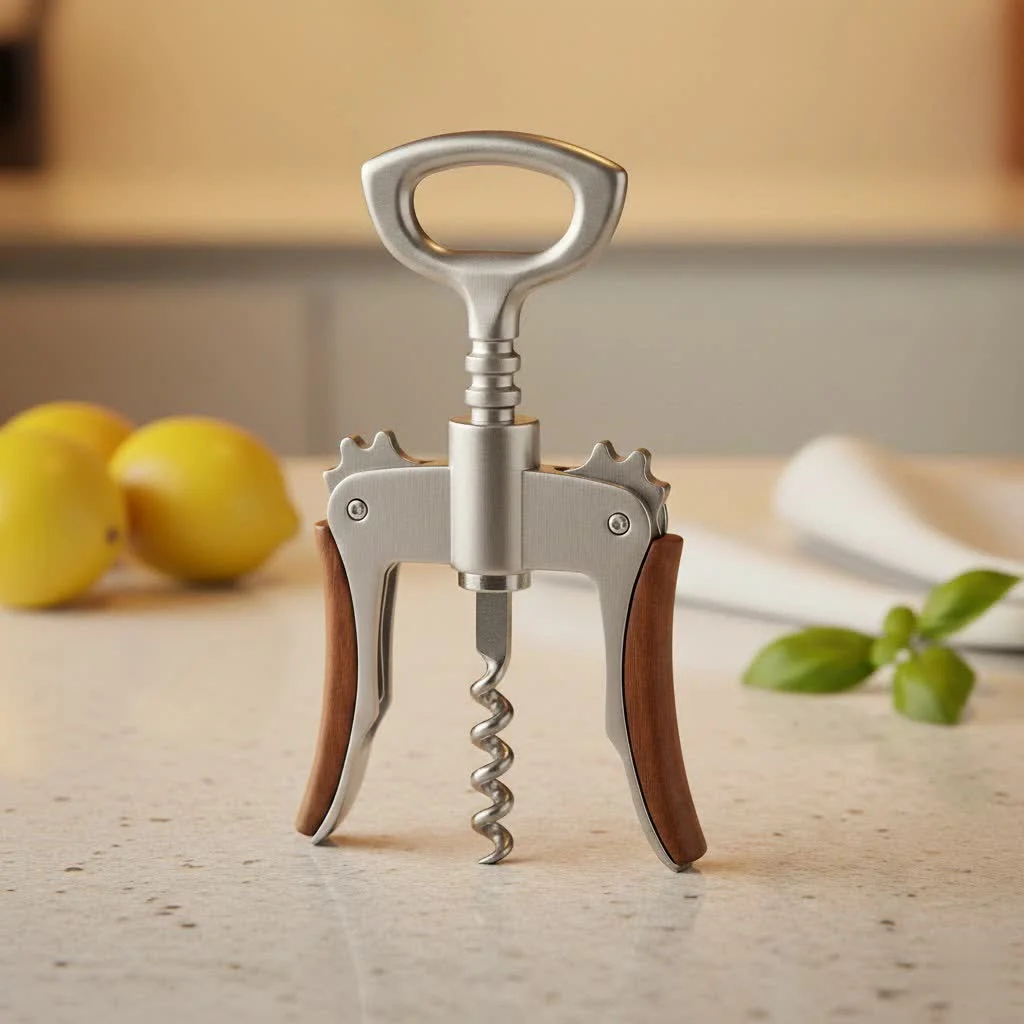
The winged corkscrew is a common household item, recognizable by its two “wings” that rise as you twist a central screw into the cork. Pushing the wings down then levers the cork out.
- Pros: Generally inexpensive, easy to understand for beginners, provides some leverage.
- Cons: Can be flimsy, may damage corks if not aligned perfectly, often considered less efficient by experts compared to other types.
- How to Use: Place the opener over the bottle. Twist the top handle to drive the corkscrew into the cork. As the wings rise, push them down to extract the cork.
Comparison Table of Wine Openers
| Type of Wine Opener | Pros | Cons | Ease of Use | Best For |
|---|---|---|---|---|
| Lever (Rabbit) | Fast, minimal strength, efficient, usually includes foil cutter. | Bulky, requires two hands, can be pricey. | Very Easy | Regular use, those seeking speed and convenience. |
| Waiter’s Corkscrew | Portable, precise, durable, multi-functional. | Requires practice/technique, not fully effortless. | Moderate | Professionals, travelers, traditionalists. |
| Electric | Hands-free, zero strength, fast. | Requires charging, can be bulky, minor risk of cork crumbling. | Very Easy | Individuals with limited hand strength, tech enthusiasts. |
| Air Pressure | Minimal strength, satisfying “pop,” effective. | Sharp needle, potential for mess, some require cartridges. | Easy (with caution) | Novelty, unique experience, less hand strength. |
| Two-Pronged (Ah-So) | Preserves delicate/vintage corks, no piercing. | Steep learning curve, requires technique and patience. | Difficult (initially) | Vintage wine collectors, delicate corks. |
| Winged | Inexpensive, intuitive for beginners. | Can be flimsy, may damage corks, less efficient. | Easy | Casual use, budget-conscious buyers. |
Factors to Consider When Buying a Wine Opener (Buying Guide)
Choosing the perfect wine opener involves more than just aesthetics. Consider these key factors to ensure your selection aligns with your lifestyle and needs.
Material
The material of your wine opener significantly impacts its durability, feel, and aesthetic.
- Stainless Steel: The most common and recommended material for corkscrews and levers due to its strength, corrosion resistance, and sleek appearance. It’s easy to clean and offers excellent longevity.
- Plastic: Often found in more budget-friendly or electric models. While lightweight, cheaper plastics can feel flimsy and may not last as long. Higher-quality, robust plastics can still be durable, especially for electric components.
- Wood: Adds a touch of classic elegance, often seen in high-end waiter’s corkscrews. While beautiful, wooden handles require more care to maintain and are less common for the main functional components.
- Zinc Alloy/Die-cast Metal: Provides a substantial feel and good durability, frequently used for the body of lever-style and winged openers.
Durability
A good wine opener should be a long-term investment. How can you gauge its durability?
- Construction: Look for solid, well-assembled pieces. Screws should be tight, and moving parts should operate smoothly without excessive wobbling.
- Worm/Helix Quality: The corkscrew (or “worm”) should be sturdy and made of hardened steel, ideally with a non-stick coating. A thin, weak worm can bend or break easily, and a poorly designed one can shred corks.
- Lever Mechanisms: For lever and waiter’s style openers, check that hinges and gears are robust. Double-hinged waiter’s corkscrews generally offer better longevity and leverage.
- Maintenance: Proper cleaning and storage, such as wiping down after use and keeping in a dry place, will extend the life of any opener. Some models, like the Demenades and OXO, even come with spare corkscrew drills, though they’re rarely needed due to their robust design.
Ease of Use
This is often the most critical factor for many users. Consider your own strength, dexterity, and desired level of effort.
- Design and Ergonomics: A comfortable handle and intuitive design make a big difference. Some openers, like the OXO Steel Double Lever, are praised for their ergonomic handles.
- Manual vs. Automatic: Electric openers are unparalleled for ease, requiring just a button press. Lever-style openers are also very easy. Waiter’s corkscrews and Ah-So openers require more technique and physical engagement.
- Size and Weight: Smaller, lighter openers (like waiter’s corkscrews) are portable but may require more force. Larger, heavier models (like many lever or electric openers) offer more stability or leverage but take up more space.
Price
Wine openers come in a wide range of price points, from under $10 to over $100.
- Entry-Level ($10-30): Good quality waiter’s corkscrews, basic winged openers, and some budget-friendly electric models fall into this range. They offer solid performance for casual use.
- Mid-Range ($30-70): Here you’ll find more robust lever-style openers, better quality electric models, and well-crafted manual corkscrews. These offer a balance of performance, durability, and features.
- High-End ($70+): Premium electric openers, artisanal waiter’s corkscrews, and specialized tools like the Ah-So for vintage wines. These often boast superior materials, advanced features, and exceptional craftsmanship.
Choose an opener that fits your budget but don’t compromise too much on quality, as a flimsy opener can lead to frustrating experiences.
Brand
Reputable brands often signify a commitment to quality and customer satisfaction. While there are many excellent generic options, brands like Pulltaps, OXO, Rabbit, Secura, Cuisinart, and Peugeot are consistently praised in reviews for their reliable and top-rated wine openers. Choosing from established brands can provide peace of mind regarding product performance and durability.
Top 7 Top-Rated Wine Openers You Need to Know
Based on expert tests and user reviews, these wine openers stand out for their performance, design, and reliability, catering to various preferences and needs.
1. Demenades Wine Opener Kit (Lever-style)
This “Rabbit-style” opener is an Editors’ Choice award winner, praised for its strong visual appeal and incredible ease of use. Its well-engineered lever system makes uncorking effortless. The kit often includes useful accessories like a wine stopper, pourer, foil cutter, and an extra worm drill. While somewhat bulky, its enjoyable operation and minimal hand strength requirement make it a fantastic gift or a stylish addition to any bar.
2. Pulltap’s Double-Hinged Waiter’s Corkscrew
Often hailed as the “Best Bang for the Buck,” Pulltap’s offers a time-tested, classic design favored by bartenders and sommeliers. Its pocket-sized form factor, integrated serrated foil cutter, and double-hinged lever prevent cork breakage and provide superior leverage. Although it requires a bit of technique to master, its reliability, affordability, and multi-functional nature (doubling as a bottle cap opener) make it an all-around favorite for those who appreciate traditional craftsmanship and portability.
3. Secura Rechargeable Electric Wine Opener
If effortless operation is your priority, the Secura Rechargeable Electric wine opener is a top contender. This cordless, modern tool requires zero strength to use. Simply place it on the bottle, press a button, and the mechanical drill silently removes the cork. Its transparent plastic base and LED blue light improve visibility and user success, especially in low-light conditions. While it needs charging, its straightforward functionality and sleek design make it a great choice for convenience.
4. Monopol Westmark Two-Prong Cork Puller (Ah-So)
For connoisseurs and those with vintage bottles, the Monopol Westmark Two-Prong Cork Puller is indispensable. Also known as a “Butler’s Friend,” this elegant, minimalist tool removes corks without piercing them, making it perfect for delicate or damaged corks. Once the two hardened steel prongs are inserted between the cork and the bottle, a gentle rotational pull extracts it, often allowing for re-corking. While it has a learning curve, mastering this technique is invaluable for preserving older wines. The handle also cleverly incorporates a bottle opener.
5. OXO Steel Double Lever Waiters Corkscrew
The OXO Steel Double Lever Waiter’s Corkscrew stands out for its ergonomic design and functionality. Its comfortable, slightly curved handle makes it more pleasant to use than many standard waiter’s corkscrews. Made from stainless steel, it features a double lever and a long screw that accommodates various cork sizes. The integrated foil cutter makes clean, quick cuts. It’s a durable, well-made tool that effortlessly removes corks, making it a favorite for both home use and professional settings.
6. Rabbit Original Lever Corkscrew Wine Opener
The brand that popularized the lever-style, the Rabbit Original Lever Corkscrew, is renowned for its robust construction and smooth operation. It swiftly extracts corks with a simple push and pull of the lever. Often accompanied by a foil cutter, its durable build ensures it can handle countless bottles over the years. This opener is a staple for those who prioritize a consistently easy and reliable uncorking experience, despite its larger size.
7. Wine Ziz Air Pressure Pump Bottle Opener
The Wine Ziz Air Pressure Pump Bottle Opener offers a unique and satisfying method for uncorking. Scoring highly for ease of use, it requires minimal strength. By inserting a needle into the cork and gently pumping air, the cork slides out with a triumphant pop. It’s effective in almost all situations and can even be used one-handed once you understand the technique. While it requires care due to the sharp needle and potential for loose corks if not used properly, many users find the process enjoyable and highly effective.
Tips for Using and Maintaining Your Wine Opener
To ensure your wine opener performs optimally and lasts for years, follow these simple usage and maintenance tips:
- Proper Foil Removal: Always remove the foil completely before uncorking. Most wine openers come with a foil cutter, or you can use a small knife. Cutting just below the lip of the bottle prevents wine from coming into contact with the foil.
- Center the Corkscrew: For corkscrew-based openers, ensure the worm is inserted directly into the center of the cork. This prevents the cork from breaking or tearing.
- Smooth and Steady Motion: Whether twisting, leveraging, or pressing a button, a smooth and steady motion is key. Avoid jerking or excessive force, especially with manual corkscrews, to prevent cork crumbling.
- Clean After Each Use: Wipe down your wine opener after uncorking, especially the worm, to remove any cork residue or wine drips. For electric models, follow manufacturer guidelines for cleaning the plastic chamber.
- Store Properly: Keep your wine opener in a dry place to prevent rust (for metal parts). For bulkier lever or electric models, a dedicated drawer or countertop spot is ideal. Portable waiter’s corkscrews can be kept in a kitchen drawer or even a travel bag.
- Check for Wear: Periodically inspect manual corkscrews for any signs of wear on the worm or levers. For electric models, ensure the battery holds a charge and the mechanism operates smoothly. Replace CO2 cartridges for air pressure models when needed.
Conclusion
The world of wine openers is rich and varied, offering a perfect tool for every hand and every occasion. From the classic elegance of a waiter’s corkscrew to the effortless power of an electric model, choosing a top-rated wine bottle opener can profoundly enhance your wine enjoyment. By considering factors like material, durability, ease of use, and your personal uncorking style, you can select a reliable companion that promises smooth, satisfying openings for years to come. So, which wine opener will be the star of your next wine-tasting experience? The choice is yours, and a world of seamless uncorking awaits.
Frequently Asked Questions
What is the easiest wine opener to use for someone with arthritis?
For those with arthritis or limited hand strength, electric wine openers like the Secura Rechargeable Electric Wine Opener are generally considered the easiest. They require zero physical effort, operating with just the press of a button to extract the cork automatically.
Can I use a regular wine opener for synthetic corks?
Yes, most modern wine openers, including waiter’s corkscrews, lever-style, and electric openers, are designed to work effectively with both natural and synthetic corks. However, some very cheap or poorly designed corkscrews might struggle more with the denser, less pliable synthetic material.
How often should I clean my wine opener?
It’s best practice to wipe down your wine opener immediately after each use, especially the corkscrew worm, to remove any residue. For more thorough cleaning, refer to the manufacturer’s instructions, but generally, a damp cloth is sufficient for most models. Electric openers may require specific cleaning protocols for their internal mechanisms.
Get our weekly buyer guide
Practical specs, not advice. Unsubscribe anytime.
