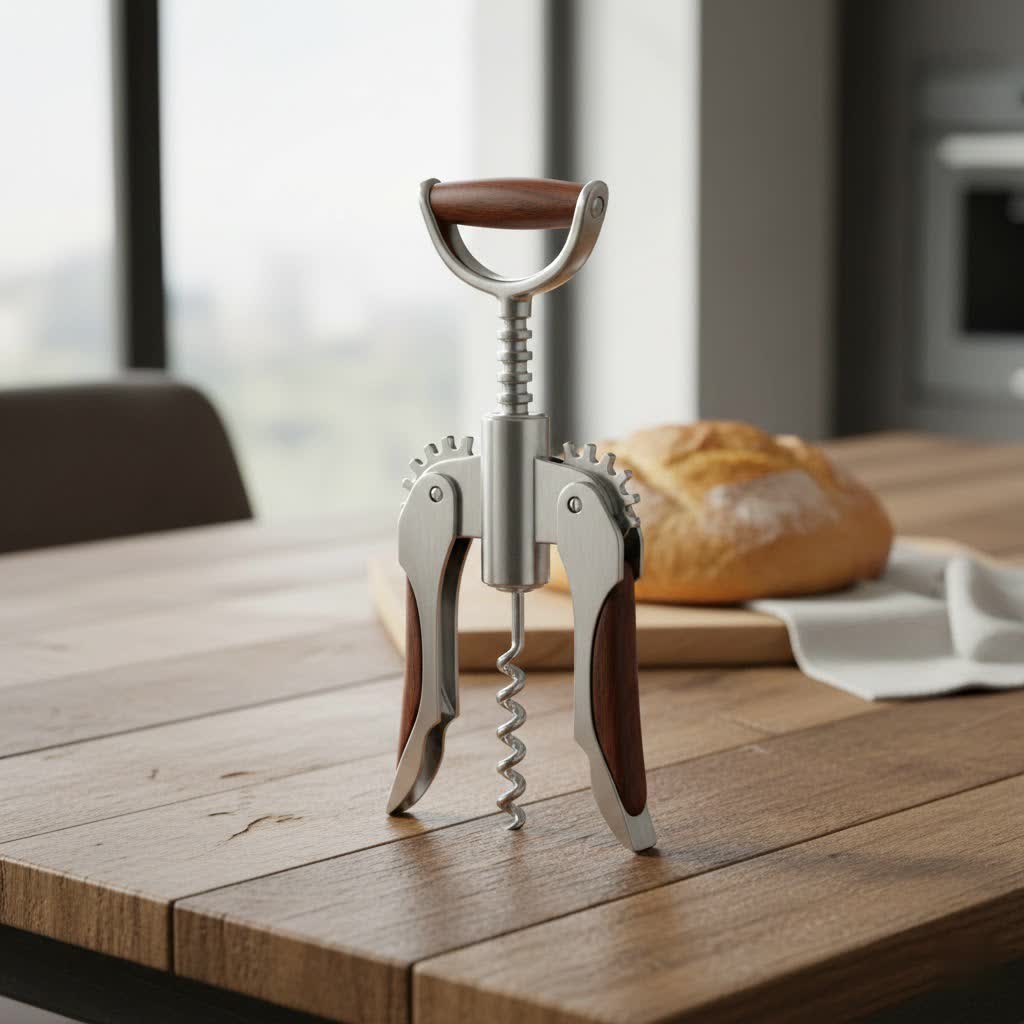
Uncorking a bottle of wine should be a moment of pure anticipation, not a struggle. For wine enthusiasts and casual drinkers alike, the right wine opener transforms the experience from a potential chore into a smooth, satisfying ritual. With countless options available, especially on platforms like Amazon, choosing the perfect tool can feel overwhelming. This comprehensive guide, crafted from years of expertise in wine accessories, will navigate you through the world of wine openers, helping you find a companion that perfectly matches your needs and preferences for effortless enjoyment.
What is a Wine Opener, and Why Do You Need One?
A wine opener, at its core, is a device designed to remove corks from wine bottles. While its primary function is straightforward, its evolution reflects centuries of winemaking and consumption. Early methods of opening wine were often crude, involving tools that could easily damage the cork or even the bottle. The development of dedicated wine openers, particularly the corkscrew, revolutionized wine enjoyment by providing a reliable and efficient way to access the wine without compromising its quality.
For any wine lover, a quality wine opener is an indispensable tool. Beyond mere functionality, it preserves the integrity of the cork, preventing breakage or crumbling that could spoil the wine. A good opener ensures a clean, swift extraction, contributing to the overall pleasure of the tasting experience. It’s not just about opening a bottle; it’s about honoring the wine within and preparing for a delightful moment.
Popular Types of Wine Openers on the Market
The diversity of wine openers available today caters to every preference, skill level, and occasion. From time-honored designs to cutting-edge technology, each type offers a unique approach to uncorking.
Lever Wine Opener
Lever wine openers, often called “Rabbit” style openers due to a popular brand, are designed for maximum leverage and minimal effort. They typically feature a robust construction with a mechanism that clamps onto the bottle neck, driving the corkscrew into the cork and then extracting it with a simple pull of a lever.
- Pros: Extremely easy to use, requires very little physical strength, quick operation, often comes with a foil cutter.
- Cons: Can be bulky and less portable, generally higher in price than manual corkscrews, mechanism can sometimes be complex to clean.
- How to Use: Place the opener over the bottle neck, clamp the handles firmly, push the lever down to insert the worm into the cork, then pull the lever up to extract the cork.
Corkscrew Wine Opener
|
Our Picks for the Best Wine Opener in 2026
As an Amazon Associate I earn from qualifying purchases.
|
||
| Num | Product | Action |
|---|---|---|
| 1 | KORCCI Wine Opener, Heavy-Duty Zinc Alloy Wing Corkscrew, Premium Beer Bottle Opener, Multifunctional Wine Accessories with Ergonomic Handle and Sharp Screw, for Kitchen, Bar, Restaurant, Bartenders |

|
| 2 | Cuisinart CWO-25 Electric Wine Opener, Stainless Steel 3.50" x 4.75" x 10.00" |
|
| 3 | Oster Cordless Electric Wine Bottle Opener with Foil Cutter, Silver |
|
| 4 | GORILLA GRIP BPA-Free Premium Wine Opener, Heavy Duty Zinc Alloy Wing Corkscrew, Multifunctional Bottle Openers Remove Corks, Caps, Easy Use Sharp Cork Screw, Dishwasher Safe, Holiday Essential, Black |
|
| 5 | OXO SteeL Winged Corkscrew with Removable Foil Cutter |
|
| 6 | Beneno Wine Opener, Zinc Alloy Premium Wing Corkscrew with Multifunctional Bottles Opener, Sharp Wine Corkscrew with Ergonomic Non-Slip Wing Handle, Silver |
|
| 7 | Cap Opener, Fun Bottle Opener for Parties and Gatherings, Creative Design Launches Caps at BBQs, Portable Entertainment for Outdoor Activities, Available in Red, Black, Blue |
|
| 8 | Secura Electric Wine Opener, Automatic Electric Wine Bottle Corkscrew Opener with Foil Cutter, Rechargeable (Stainless Steel) |
|
| 9 | OXO Steel Vertical Lever Corkscrew with Removable Foil Cutter |
|
| 10 | Wino Wine Key! - Professional Sommelier's Corkscrew Wine Opener |
|
This broad category includes several manual styles, most notably the waiter’s corkscrew and the winged corkscrew.
Waiter’s Corkscrew (Sommelier Knife)
The waiter’s corkscrew is a compact, foldable tool favored by sommeliers and wine professionals for its portability and precision. It typically includes a small knife for cutting foil, a spiral worm for piercing the cork, and a two-step lever system for gentle, controlled extraction.
- Pros: Compact, highly portable, durable if made from quality materials, offers precise cork removal.
- Cons: Requires a bit of technique and hand strength, can be challenging for beginners.
- How to Use: Use the small knife to cut and remove the foil. Screw the worm into the center of the cork. Use the first lever step against the bottle rim to partially lift the cork, then use the second step to fully extract it.
Winged Corkscrew
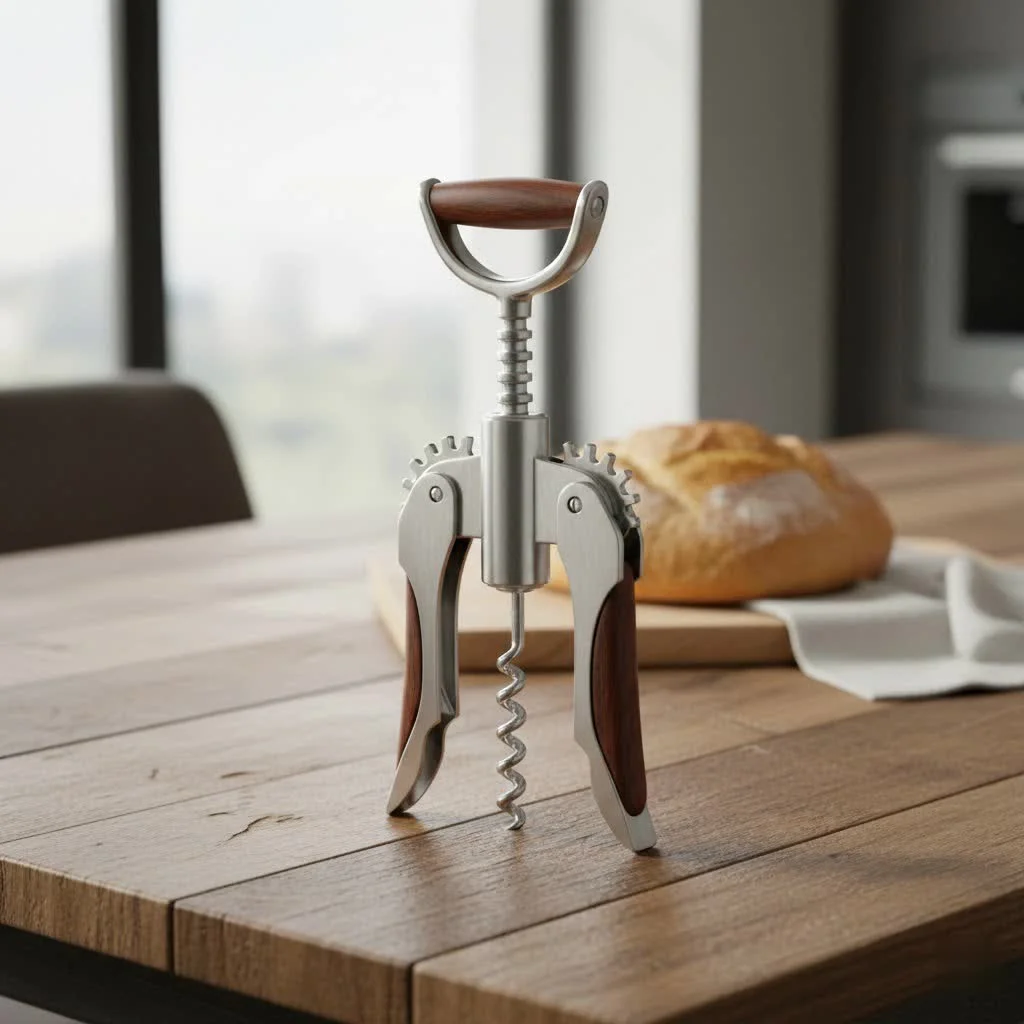
A classic and widely recognized design, the winged corkscrew features two levers, or “wings,” that rise as you twist the worm into the cork. Pushing the wings down then simultaneously pulls the cork out.
- Pros: Very easy and intuitive to use, minimal effort required, stable on the bottle.
- Cons: Can be bulky, some cheaper models may be less durable, not ideal for very old or fragile corks.
- How to Use: Place the opener over the bottle. Twist the handle to drive the worm into the cork; the wings will rise. Once the worm is fully inserted, push both wings down simultaneously to lift the cork out.
Electric Wine Opener
Electric wine openers offer ultimate convenience, operating with the push of a button. They are typically cordless and rechargeable, making them perfect for frequent use or for those with limited hand strength. Many models also include a built-in foil cutter.
- Pros: Effortless operation, ideal for individuals with dexterity issues, fast and efficient, often sleek and modern in design.
- Cons: Requires charging, can be more expensive, some may be noisy, might be less suitable for very old or brittle corks.
- How to Use: Place the foil cutter over the bottle neck and twist to remove foil. Position the electric opener vertically on top of the bottle. Press the “down” button to insert the corkscrew, then the “up” button to extract the cork.
Air Pressure Wine Opener
Air pressure wine openers use a needle to pierce the cork and then pump air into the bottle, building pressure that pushes the cork out. This method can be very gentle on older, fragile corks.
- Pros: No twisting or pulling, very gentle on corks, prevents cork breakage, can be a novel way to open wine.
- Cons: Requires multiple pumps, not suitable for synthetic corks, can be slower than other methods, risk of cork flying out if over-pumped.
- How to Use: Insert the needle through the cork. Pump the handle several times (typically 3-7) to inject air and push the cork out. Gently remove the cork once it’s loose.
Multi-tool Wine Opener
While not a distinct opening mechanism, many wine openers integrate additional features. The waiter’s corkscrew is a prime example, often including a foil cutter and sometimes a bottle opener for beer caps. Other sets might include wine stoppers, pourers, or aerators.
- Pros: Versatile, offers multiple functions in one tool or set, good value.
- Cons: Quality of integrated tools can vary, might be less specialized than individual tools.
- How to Use: Depends on the specific tools included; follow instructions for each function.
Comparison Table of Wine Opener Types
Choosing the right wine opener often comes down to balancing ease of use, durability, and cost. Here’s a quick comparison:
| Type of Wine Opener | Pros | Cons | Price Range (Approx. on Amazon) | Overall Rating |
|---|---|---|---|---|
| Lever | Very easy, quick, strong leverage | Bulky, higher price | $25 – $70 | Excellent |
| Waiter’s Corkscrew | Portable, precise, affordable | Requires skill, hand strength | $8 – $30 | Very Good |
| Winged Corkscrew | Easy for beginners, stable | Can be bulky, less durable models exist | $10 – $25 | Good |
| Electric | Effortless, fast, sleek design | Needs charging, higher price, can be noisy | $20 – $100 | Excellent |
| Air Pressure | Gentle on corks, no pulling | Slower, not for synthetic corks, risk of cork flying | $15 – $40 | Good |
Factors to Consider When Buying a Wine Opener (Buying Guide)
When you’re ready to invest in a new wine opener, several factors should guide your decision to ensure you select the best fit for your lifestyle.
Material
The material of your wine opener significantly impacts its durability, feel, and aesthetic.
- Stainless Steel: Pros: Highly durable, resistant to corrosion, easy to clean, often looks sleek and professional. Cons: Can be heavier, may feel cold to the touch.
- Plastic: Pros: Lightweight, affordable, available in many colors. Cons: Less durable, can break easily, may feel flimsy. Often used for components rather than the main structure in quality openers.
- Wood: Pros: Elegant, comfortable to grip, adds a classic touch. Cons: Requires more care, can be susceptible to moisture damage if not treated, generally found in higher-end models.
- Zinc Alloy: Pros: Strong and durable, often used in winged and lever openers for a sturdy feel. Cons: Can be heavier.
Durability
A durable wine opener is a long-term investment. To gauge durability, look for solid construction, reputable brands, and high-quality materials like stainless steel or strong alloys for the worm and critical mechanisms. Read user reviews for comments on longevity. Maintaining your wine opener by cleaning it after use and storing it properly can also significantly extend its lifespan. For electric models, consider battery life and charging port durability.
Ease of Use
This is a critical factor, especially if you open wine frequently or have hand strength limitations.
- Design: Ergonomic handles and well-balanced designs contribute to ease of use. Larger handles or non-slip grips can be beneficial.
- Size and Weight: Heavier, larger openers (like many lever or electric models) can offer more stability but might be less portable. Compact designs (like waiter’s corkscrews) are great for travel but require more manual effort.
- Mechanism: Electric openers are the easiest, requiring just a button press. Lever styles are also very easy. Winged corkscrews are beginner-friendly. Waiter’s corkscrews require the most practice but offer excellent control.
Price
Wine openers are available across a wide price spectrum, from budget-friendly options to luxury models.
- Budget-friendly ($10-$25): Often includes basic winged corkscrews or entry-level waiter’s corkscrews. These can be effective for occasional use.
- Mid-range ($25-$70): Features more durable manual options, quality lever models, and many reliable electric openers. This range offers a good balance of performance and value.
- Premium ($70+): Includes high-end electric openers, exquisitely crafted sommelier knives, or specialized systems. These often boast superior materials, advanced features, and exceptional longevity.
Choose an opener that fits your budget but prioritize quality for a better, more consistent experience.
Brand
Opting for reputable brands often means better quality control, customer support, and proven performance. Some well-regarded brands known for their wine openers on Amazon include:
- OXO: Known for ergonomic designs and user-friendliness.
- Secura: Popular for reliable and affordable electric wine openers.
- Oster: Offers budget-friendly yet effective electric models.
- Pulltaps: Highly respected for professional-grade waiter’s corkscrews.
- Rabbit: Famous for its lever-style openers.
- Peugeot: Offers high-quality and often premium electric options.
- Laguiole: Known for traditional, artisan-crafted sommelier knives (often a splurge).
Choosing a brand with a strong reputation for durability and customer satisfaction can provide peace of mind.
Top 7 Wine Openers Loved on Amazon Today
Based on extensive reviews and expert insights, here are some of the most popular and highly-rated wine openers you can find on Amazon:
- Oster Electric Wine Opener: This cordless electric opener is frequently praised for its sleek design, one-touch operation, and built-in foil cutter. It’s a fantastic choice for those seeking effortless uncorking at an accessible price. Reviewers consistently highlight its ease of use and consistent performance.
- Secura Electric Wine Opener: Another top-tier electric option, the Secura stands out for its robust stainless steel construction and efficient cork removal. It often comes with a charging base and a foil cutter, making it a complete package for convenience. Users appreciate its reliability and modern aesthetic.
- OXO Steel Double Lever Waiter’s Corkscrew: Combining classic functionality with modern ergonomics, this waiter’s corkscrew is a favorite. It features a comfortable, non-slip grip and a sharp foil cutter. Its double-hinged design provides extra leverage, making manual cork removal smoother. This model is celebrated for its durability and comfortable handling.
- Pulltap’s Professional Waiter’s Corkscrew: Hailing from Barcelona, this corkscrew is a professional’s staple. It boasts a Teflon-coated worm for smooth insertion into any cork, a foldaway serrated blade for foil, and a nickel-plated double-hinge lever. Many wine pros and countless online reviewers attest to its sturdy and reliable nature.
- Rabbit Original Lever Corkscrew Wine Opener: Synonymous with lever-style openers, Rabbit offers a sturdy and efficient tool that extracts corks in seconds. Its mechanism is designed for ease and minimal hand strain, making it a go-to for many home users. It often includes a foil cutter and extra spiral.
- TableCraft Hand-Held Winged Corkscrew: For a no-fuss, budget-friendly option, this winged corkscrew delivers reliable performance. Its sturdy chrome construction and easy-to-grip wings make it a solid choice for occasional use or for those who prefer a straightforward manual opener. It’s often recommended for its simplicity and value.
- Monopol Westmark Germany Steel Two-Prong Cork Puller (Ah-So): While more specialized, this German-engineered two-prong opener is revered for opening older, fragile corks without damaging them. Its prongs slide alongside the cork, preserving it perfectly. It’s an excellent choice for connoisseurs with a collection of aged wines.
Tips for Using and Maintaining Your Wine Opener
To ensure your wine opener performs optimally and lasts for years, proper usage and maintenance are key.
Correct Usage
- Foil Removal First: Always remove the foil capsule completely before attempting to open the bottle. Most wine openers come with a small knife or a dedicated foil cutter for this purpose. A clean cut prevents foil fragments from falling into the wine.
- Center the Worm: For corkscrews, ensure the worm (spiral) is inserted into the exact center of the cork. This prevents the cork from breaking or tearing, especially with natural corks.
- Steady and Straight: Keep the wine opener straight and steady as you insert the worm and extract the cork. Avoid tilting or wrenching, which can damage the cork or even the bottle.
- Gentle Extraction: Whether manual or electric, aim for a smooth, controlled extraction. For manual corkscrews, use the leverage points (steps on a waiter’s corkscrew, or the wings) to ease the cork out gradually.
- Air Pressure Caution: With air pressure openers, avoid over-pumping, as this can cause the cork to eject forcefully and dangerously.
Maintenance Tips
- Clean After Each Use: Especially for corkscrews, wipe the worm clean of any cork residue or wine drips immediately after use. A damp cloth followed by a dry one is usually sufficient.
- Avoid Harsh Detergents: For most wine openers, especially those with delicate finishes or wood components, avoid abrasive cleaners or harsh detergents that can strip finishes or damage materials.
- Dry Thoroughly: Ensure all parts are completely dry before storing to prevent rust, especially on metal components.
- Store Properly: Store your wine opener in a drawer, a dedicated wine accessory kit, or on its charging base (for electric models) to protect it from damage and keep it clean.
- Check Electric Batteries: For electric wine openers, keep them charged according to manufacturer instructions. If it’s battery-operated, replace batteries as needed.
“A great wine opener is more than just a tool; it’s an extension of your appreciation for wine. Treat it well, and it will serve you beautifully for countless memorable bottles.” – Admin, Reviewmunz.com
Conclusion
Choosing the ideal wine opener from Amazon, whether it’s a sleek electric model for convenience, a robust lever opener for ease, or a classic waiter’s corkscrew for precision, significantly enhances your wine enjoyment. By considering factors like material, durability, ease of use, and your budget, you can find a tool that not only efficiently uncorks your favorite bottles but also adds to the ritual of wine appreciation. Remember, the perfect wine opener is one that feels right in your hand and makes every uncorking a pleasure.
What kind of wine opener have you found to be your ultimate companion for perfectly uncorked bottles?
Frequently Asked Questions
What is the easiest wine opener to use for someone with limited hand strength?
Electric wine openers are generally considered the easiest to use for individuals with limited hand strength. They require minimal physical effort, operating with simple push-button controls to effortlessly insert and extract the cork. Lever-style openers also offer significant mechanical advantage, making them a good manual alternative.
How often should I replace my wine opener?
The lifespan of a wine opener varies significantly based on its type, material, and how often it’s used. A high-quality manual corkscrew made from durable metal can last decades with proper care. Electric openers might need replacement if the motor fails or the battery no longer holds a charge, typically every few years with regular use. Replace any opener if parts break, the worm bends, or it consistently struggles to remove corks.
Get our weekly buyer guide
Practical specs, not advice. Unsubscribe anytime.
