For many, the moment a wine bottle is opened is the true start of an experience, a ritual that promises delight and shared memories. Yet, this simple act can often be fraught with frustration, turning anticipation into a struggle against a stubborn cork or a broken opener. Whether you’re a seasoned sommelier or a casual enthusiast, choosing the right wine and bottle opener is crucial for a seamless and enjoyable pour. This comprehensive guide will navigate the diverse world of wine openers, helping you find the perfect tool that combines efficiency, durability, and ease of use to elevate your wine-drinking journey.
What is a Wine and Bottle Opener? Why Do You Need One?
At its core, a wine opener, often interchangeably called a corkscrew, is a specialized tool designed to extract corks from wine bottles. Historically, opening a bottle of wine was a far more rustic affair, involving various makeshift methods. The invention of the corkscrew revolutionized wine consumption, making it accessible and elegant. Over centuries, these tools have evolved from simple T-shaped designs to sophisticated mechanical and electrical devices. Beyond just wine, many modern openers often include features to handle standard bottle caps, making them true “wine and bottle openers”—versatile companions for any beverage collection. For see our wine accessories recommendations on this site.
A quality wine opener is an indispensable item for anyone who appreciates wine. It ensures that the cork is removed cleanly, preventing crumbling cork fragments from tainting your vintage and minimizing the risk of damaging the bottle or injuring yourself. A reliable opener also provides the leverage and precision needed for a smooth extraction, preserving the integrity of both the cork and the wine. Without a suitable opener, enjoying a bottle of wine can quickly turn into an exasperating chore, detracting from the very pleasure it’s meant to provide.
Popular Types of Wine and Bottle Openers on the Market
The market offers a wide array of wine openers, each boasting unique designs, mechanisms, and benefits. Understanding the different types is the first step in finding one that perfectly suits your needs and skill level. From classic manual designs to innovative electric models, there’s an opener for every preference.
Lever Wine Opener (Rabbit Corkscrew)
The lever wine opener, popularly known as the “rabbit” corkscrew due to its distinct ear-like handles, is celebrated for its remarkable ease of use and speed. This bulky yet intuitive device minimizes the effort required to extract a cork. Users simply clamp the opener onto the bottleneck, push a lever down to insert the corkscrew (or “worm”) into the cork, and then pull the lever back up to effortlessly lift the cork out. It’s often favored by those who struggle with traditional corkscrews or those opening multiple bottles in quick succession.
- Pros: Extremely easy and fast to use, requires minimal strength, highly effective.
- Cons: Bulky design makes it less portable, typically more expensive than manual options, not ideal for professional settings where subtlety is key.
- How to use: Position the opener over the bottle, gripping the neck with the handles. Push the lever down to drive the worm into the cork, then pull the lever back up to extract the cork.
Corkscrew Wine Opener (Waiter’s Key, Winged, Twist)
|
Our Picks for the Best Wine Opener in 2026
As an Amazon Associate I earn from qualifying purchases.
|
||
| Num | Product | Action |
|---|---|---|
| 1 | Cap Opener, Fun Bottle Opener for Parties and Gatherings, Creative Design Launches Caps at BBQs, Portable Entertainment for Outdoor Activities, Available in Red, Black, Blue |

|
| 2 | OXO SteeL Winged Corkscrew with Removable Foil Cutter |
|
| 3 | KORCCI Wine Opener, Heavy-Duty Zinc Alloy Wing Corkscrew, Premium Beer Bottle Opener, Multifunctional Wine Accessories with Ergonomic Handle and Sharp Screw, for Kitchen, Bar, Restaurant, Bartenders |
|
| 4 | Wino Wine Key! - Professional Sommelier's Corkscrew Wine Opener |
|
| 5 | Secura Electric Wine Opener, Automatic Electric Wine Bottle Corkscrew Opener with Foil Cutter, Rechargeable (Stainless Steel) |
|
| 6 | OXO Steel Vertical Lever Corkscrew with Removable Foil Cutter |
|
| 7 | Cuisinart CWO-25 Electric Wine Opener, Stainless Steel 3.50" x 4.75" x 10.00" |
|
| 8 | Oster Cordless Electric Wine Bottle Opener with Foil Cutter, Silver |
|
| 9 | GORILLA GRIP BPA-Free Premium Wine Opener, Heavy Duty Zinc Alloy Wing Corkscrew, Multifunctional Bottle Openers Remove Corks, Caps, Easy Use Sharp Cork Screw, Dishwasher Safe, Holiday Essential, Black |
|
| 10 | Beneno Wine Opener, Zinc Alloy Premium Wing Corkscrew with Multifunctional Bottles Opener, Sharp Wine Corkscrew with Ergonomic Non-Slip Wing Handle, Silver |
|
The category of corkscrew wine openers encompasses several classic manual designs, each offering a distinct user experience. These are the most common types and often serve as the benchmark for functionality.
Waiter’s Corkscrew (Waiter’s Key)
Often referred to as the “waiter’s friend,” this slim, multi-functional tool is a favorite among sommeliers and bartenders for its portability and efficiency. It typically includes a corkscrew, a hinged lever (fulcrum) that rests on the bottle’s lip for leverage, and a small serrated knife for cutting foil. It’s compact enough to fit in a pocket and often includes a standard bottle cap remover, making it a true multi-tool. While it requires a bit of technique and hand strength, it offers precise control.
- Pros: Compact, highly portable, versatile (foil cutter, bottle opener included), affordable.
- Cons: Requires practice and hand strength for smooth operation, can be challenging for those with dexterity issues.
- How to use: Use the knife to cut and remove the foil capsule. Screw the worm into the center of the cork until only one coil is visible. Place the first notch of the lever on the bottle’s rim and pull the handle to lift the cork halfway. Reposition to the second notch (if available) and pull again to fully extract the cork.
Winged Corkscrew
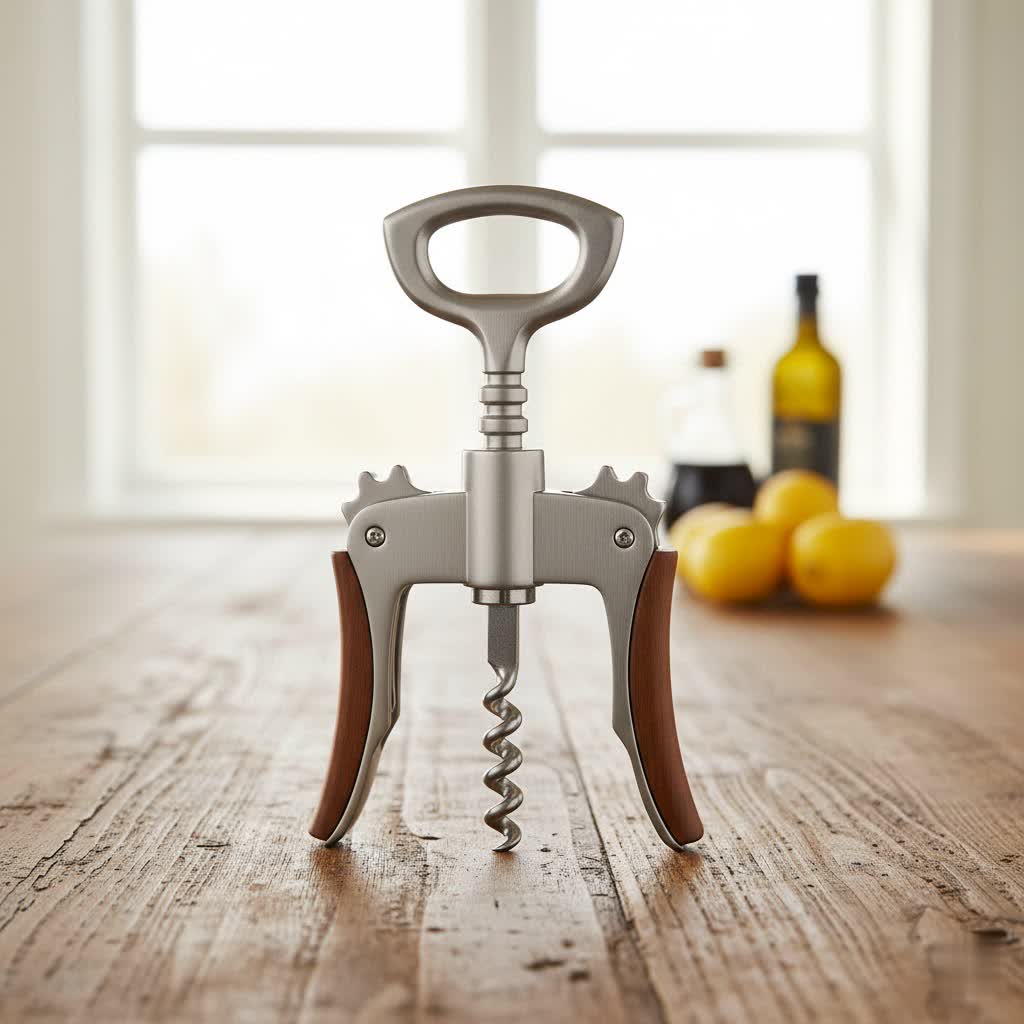
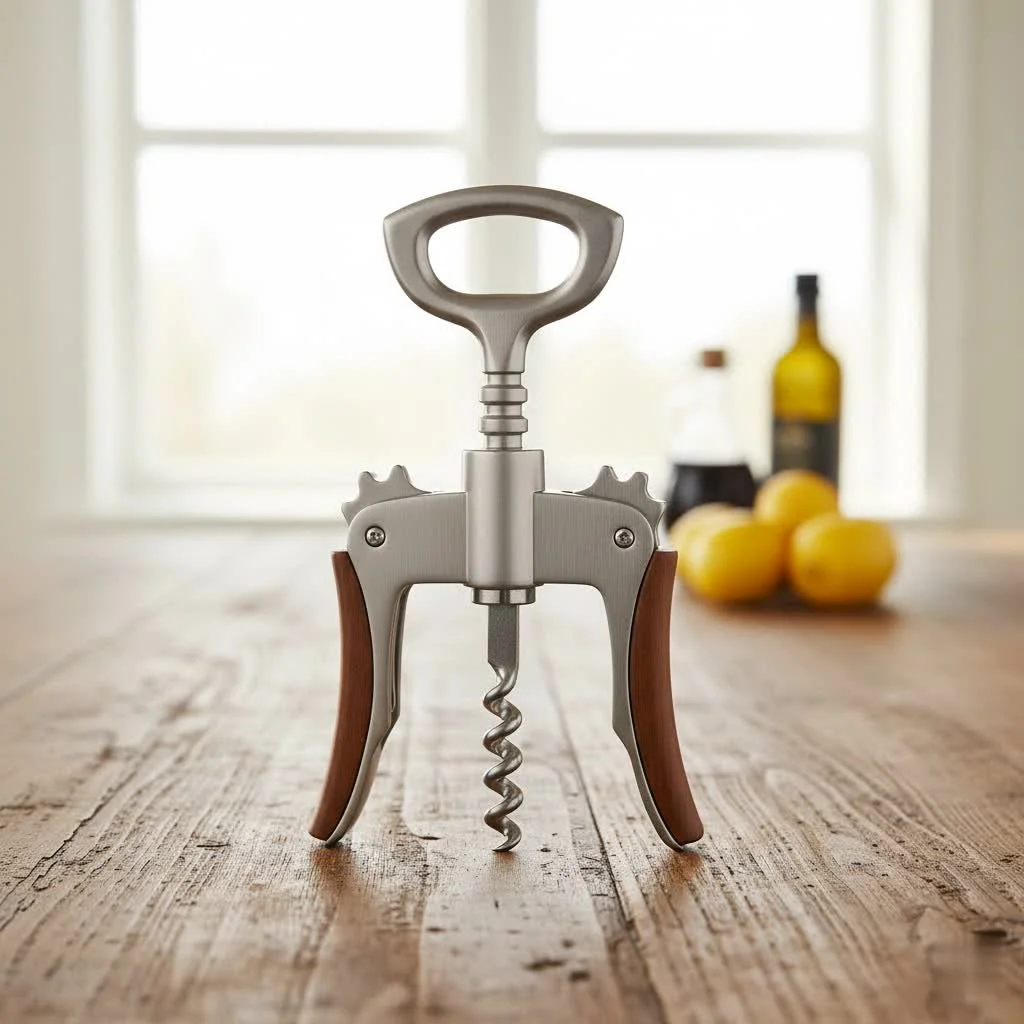
The winged corkscrew, sometimes called a butterfly corkscrew, is a visually intuitive tool commonly found in home kitchens. It features a central corkscrew and two “wings” that rise as the worm is twisted into the cork. Once the wings are fully raised, pushing them down simultaneously provides leverage to pull the cork from the bottle. While straightforward for many, the quality of the gears and overall construction can significantly impact its performance.
- Pros: Generally easy to use, intuitive design, good for casual home use.
- Cons: Can be bulky, often made with less durable materials, gears can strip over time, sometimes requires a final tug to fully remove the cork.
- How to use: Place the opener over the bottle’s neck, ensuring the worm is centered. Twist the handle clockwise, driving the worm into the cork, which will cause the two “wings” to rise. Once fully extended, push both wings down to extract the cork.
Twist Corkscrew (Classic Screw Pull)
The twist corkscrew, or classic screw pull, is perhaps the most basic form of wine opener. It typically consists of a simple worm attached to a handle. To use it, you twist the handle to embed the worm into the cork and then pull directly upwards to extract. Some versions are designed to rest on top of the bottle, providing a more stable twisting motion before the pulling begins. This style is often integrated into larger, table-mounted designs or simpler, budget-friendly handheld models.
- Pros: Simple design, generally inexpensive, no complex levers.
- Cons: Requires significant upper body strength to pull the cork, higher risk of breaking or crumbling corks if not pulled steadily, can be flimsy if made of plastic.
- How to use: Center the worm over the cork and twist clockwise until the worm is fully inserted. Firmly pull the handle straight up, carefully extracting the cork.
Electric Wine Opener
For those seeking ultimate convenience and minimal effort, the electric wine opener is an ideal choice. These battery-operated or rechargeable devices automate the cork removal process with the simple push of a button. They are particularly beneficial for individuals with limited hand strength, arthritis, or anyone who prefers a gadget-driven approach to wine opening. Many models include a foil cutter and a charging base, making them a sleek addition to any bar setup.
- Pros: Effortless one-touch operation, ideal for individuals with dexterity issues, often includes a foil cutter and charging stand.
- Cons: Requires batteries or recharging, typically more expensive, can be bulky, less portable than manual options.
- How to use: Cut and remove the foil capsule. Place the electric opener vertically over the bottle neck. Press the “down” button to insert the corkscrew, then the “up” button to extract the cork.
Air Pressure Wine Opener
The air pressure wine opener takes a unique approach to cork removal, relying on pneumatic force rather than twisting or pulling. It features a needle that is gently inserted through the cork. By pumping air into the bottle, pressure builds, which then forces the cork upwards and out. This method is often lauded for its ability to remove corks without damaging them, making it a good option for older or delicate corks that might crumble with traditional corkscrews.
- Pros: Removes corks without piercing or damaging them (beneficial for fragile corks), minimal physical effort.
- Cons: Can feel less traditional, requires careful handling to avoid over-pressurizing the bottle, some models require small CO2 cartridges.
- How to use: Insert the needle through the center of the cork until it passes into the bottle. Pump the handle several times to build air pressure, watching the cork slowly rise. Once loose, gently remove the cork.
Multi-tool Wine Opener
While many wine openers, especially waiter’s corkscrews, inherently offer multi-functionality by including a foil cutter and sometimes a bottle cap opener, a dedicated “multi-tool wine opener” often expands on this versatility. These tools are designed to be the single go-to gadget for various beverage opening needs. Beyond wine corks, they reliably tackle beer bottle caps, twist-off caps, and may even incorporate small knives or other utility features. Their primary appeal lies in their convenience, consolidating several functions into one compact device, perfect for picnics, camping, or a well-stocked home bar.
- Pros: High versatility, saves space by combining multiple tools, excellent for various beverage types.
- Cons: Specialized multi-tools can sometimes compromise on the primary function of cork removal compared to dedicated wine openers, quality varies widely.
- How to use: Dependent on the specific tools included, but generally involves using the appropriate attachment for corks, bottle caps, or other functions as designed.
Comparison Table of Wine and Bottle Openers
To help you quickly compare the different types, here’s a summary of their key characteristics:
| Type of Wine Opener | Pros | Cons | Estimated Price Range | Ease of Use | Durability |
|---|---|---|---|---|---|
| Lever (Rabbit) | Very easy, fast, minimal effort | Bulky, less portable, higher cost | $25 – $75+ | Very High | High |
| Waiter’s Corkscrew | Compact, portable, versatile (foil/bottle opener), affordable | Requires skill/strength, learning curve for beginners | $10 – $40 | Medium to High | High |
| Winged Corkscrew | Intuitive, decent leverage, visual feedback | Can be flimsy, gears may strip, sometimes struggles with tight corks | $10 – $30 | Medium | Medium |
| Electric | Effortless, ideal for limited strength | Requires batteries/charging, higher cost, bulky | $20 – $100+ | Very High | Medium to High |
| Air Pressure | No cork damage, minimal effort | Less traditional, some require CO2, potential for over-pressurizing | $15 – $50 | High | Medium |
| Twist (Classic) | Simple, inexpensive | Requires significant pulling strength, higher risk of cork damage | $5 – $20 | Low to Medium | Medium |
| Ah-So (Two-Prong) | Excellent for old/fragile corks, no cork penetration | Requires significant technique and strength, learning curve | $15 – $40 | Low to Medium | High |
Factors to Consider When Buying a Wine and Bottle Opener (Buying Guide)
Selecting the best wine and bottle opener goes beyond just its type. Several critical factors influence its performance, longevity, and your satisfaction. Considering these aspects will guide you toward a smart purchase that meets your specific needs.
Material
The materials used in a wine opener’s construction significantly impact its durability and feel. Common materials include:
- Stainless Steel: Found in high-quality waiter’s corkscrews and lever openers. It offers excellent strength, corrosion resistance, and a premium aesthetic. Stainless steel components ensure a long lifespan and a solid, reliable feel.
- Zinc Alloy: Often used for the body of winged and lever-style openers. It’s robust and allows for intricate designs but can be heavier.
- Plastic: Typically used in budget-friendly or electric models. While lightweight and allowing for various colors, lower-grade plastics can be prone to breaking or cracking over time, especially in high-stress areas like gears or handles. High-quality ABS plastic can still offer decent durability.
- Wood: Primarily used for handles in some traditional or artisanal corkscrews, adding a classic, ergonomic, and aesthetic touch. While comfortable, wooden components require more care and are susceptible to moisture damage.
Opt for models with metal worms (the spiral part) as they are less likely to bend or break and will pierce corks more cleanly.
Durability
A durable wine opener is a long-term investment. To assess durability, look beyond just the material. Examine the quality of the joints, the thickness of the metal, and the sturdiness of the moving parts. For lever and winged openers, check the gears and hinges for any flimsy construction. A well-constructed worm should be robust and precisely machined to grip corks without tearing them. Reading user reviews can offer insights into how specific models hold up over time. Maintaining your opener by keeping it clean and dry will also significantly extend its lifespan, regardless of its initial build.
Ease of Use
The ease of use is subjective and depends on individual strength, dexterity, and preference. Electric openers are the easiest, requiring virtually no physical effort. Lever-style openers offer mechanical assistance that makes cork removal simple for most. Waiter’s corkscrews, while compact, demand a certain technique that improves with practice. If you frequently entertain or have guests who may not be familiar with different openers, an intuitive model will reduce potential fumbling. Consider your personal comfort and the typical scenario in which you’ll be using the opener.
Price
Wine and bottle openers range widely in price, from under $10 for basic models to over $100 for high-end electric or sommelier-grade tools.
- Budget-friendly ($5-$20): Typically includes basic twist corkscrews, winged openers, and entry-level waiter’s corkscrews. Quality can vary significantly, so choose carefully.
- Mid-range ($20-$50): Offers more durable waiter’s corkscrews, reliable winged and twist models, and some basic electric or air pressure options. This segment often provides the best balance of price and performance.
- Premium ($50+): Includes high-performance lever openers (like Rabbit), advanced electric models, and professional-grade waiter’s corkscrews made from superior materials. These are investments designed for frequent use and longevity.
Determine your budget, but remember that investing a little more in a durable, easy-to-use opener can save you frustration and replacement costs in the long run.
Brand Reputation
Choosing a wine opener from a reputable brand often assures quality and reliability. Established brands have a track record of producing well-engineered and durable products, and they often stand behind their merchandise with warranties and customer support. Brands like Pulltaps, Rabbit, OXO, Oster, Peugeot, Le Creuset, Brabantia, and Secura are frequently mentioned in “best of” lists and often receive positive user reviews. While lesser-known brands might offer competitive prices, research their reputation and read customer feedback before purchasing.
Top 5 Wine and Bottle Openers Loved by Enthusiasts
Based on expert reviews, user satisfaction, and overall performance, here are some of the most highly regarded wine and bottle openers across various categories:
- Pulltaps Waiters Corkscrew: Widely considered the gold standard for waiter’s corkscrews, the Pulltaps offers an excellent balance of durability, ergonomic design, and efficient cork removal. Its double-hinged fulcrum makes two-step cork extraction smooth and reliable. This model often includes a sharp foil cutter and feels solid in hand, making it a favorite among professionals and home users alike. It’s also very compact, easily fitting into any drawer or pocket.
- Rabbit Original Lever Corkscrew: For those prioritizing effortless operation, the Rabbit Original Lever Corkscrew is a top contender. Its iconic design provides incredible leverage, allowing users to uncork a bottle with a simple up-and-down motion. While bulkier, its robust construction and consistent performance make it a premium choice for frequent use, often accompanied by a foil cutter.
- Oster Silver Electric Wine Opener: If convenience is your highest priority, the Oster Electric Wine Opener stands out. This sleek, cordless model offers one-touch functionality, effortlessly removing corks in seconds. It’s particularly appreciated by individuals with limited hand strength and comes with a foil cutter and a charging base for easy storage and readiness.
- Brabantia Wine Bottle Opener Corkscrew (Twist Style): For a sturdy and reliable twist-style opener, the Brabantia model is often praised. It’s designed to rest securely on the bottle, guiding the corkscrew cleanly into the cork. Users find it easier on the hands and wrists than many simple screw-pulls, offering a comfortable grip and consistent performance without the need for excessive force.
- Ah-So Two-Prong Cork Puller: While requiring a learning curve, the Ah-So is an invaluable tool for connoisseurs dealing with older, fragile, or synthetic corks. Its two prongs slide between the cork and the bottle neck, extracting the cork without piercing it, thus preventing crumbling. Once mastered, it offers a gentle and highly effective method for preserving delicate corks and valuable vintages.
Tips for Using and Maintaining Your Wine and Bottle Opener
Proper usage and regular maintenance are key to maximizing the lifespan and performance of your wine and bottle opener, ensuring every uncorking is a pleasure.
Proper Usage Techniques
- Foil Removal: Always cut the foil cleanly below the lip of the bottle using a foil cutter or the knife on a waiter’s corkscrew. This prevents drips and ensures a neat presentation.
- Centering the Worm: For all corkscrew types, ensure the worm is perfectly centered on the cork before twisting. An off-center insertion can tear the cork or make extraction difficult.
- Steady Pressure: When twisting the worm, apply steady, even pressure. Avoid forcing it, as this can damage the cork.
- Leverage is Key: For waiter’s corkscrews and lever openers, utilize the leverage mechanisms fully. Don’t try to pull the cork out with brute force if the tool is designed to assist you.
- Gentle Extraction: Once the cork is nearly out, gently twist and pull it the rest of the way. A sudden yank can cause wine to splash or the cork to break. For air pressure openers, stop pumping once the cork begins to rise significantly.
Cleaning and Storage Tips
- Wipe Clean: After each use, wipe down your wine opener with a damp cloth to remove any wine residue or cork dust. For electric openers, ensure they are unplugged first.
- Avoid Harsh Cleaners: Do not use abrasive cleaners or scrubbers, especially on plated or painted surfaces, as they can damage the finish.
- Dry Thoroughly: Always ensure your opener is completely dry before storing to prevent rust, especially on metal components.
- Proper Storage: Store your wine opener in a dry place, away from extreme temperatures. Many electric openers come with charging bases that also serve as convenient storage. Keep manual openers in a drawer or on a rack to protect them from damage and prevent accidental injury.
- Inspect Regularly: Periodically check the worm for bends or dullness and the mechanisms for any looseness or damage. A worn worm can shred corks, and a loose hinge can make the opener ineffective.
“The right wine opener isn’t just a tool; it’s an extension of your passion for wine. It should feel intuitive, reliable, and make every bottle opening an effortless prelude to enjoyment.” – Admin, reviewmunz.com
Conclusion
Choosing the ideal wine and bottle opener is a small decision that significantly impacts your overall wine experience. From the classic dexterity required by a waiter’s corkscrew to the effortless push of a button on an electric model, each type offers distinct advantages tailored to different preferences and needs. By considering factors like material, durability, ease of use, price, and brand reputation, you can confidently select a tool that not only opens bottles efficiently but also enhances the ritual of enjoying fine wine.
Remember, the perfect wine opener is the one that you find most comfortable and reliable to use, consistently delivering a smooth, unhindered pour. So, what type of wine and bottle opener will become your trusted companion for your next cherished bottle?
Frequently Asked Questions
What is the easiest type of wine opener to use?
Electric wine openers are generally considered the easiest to use, requiring minimal physical effort through a simple push-button mechanism. Lever-style (rabbit) openers also offer a very high degree of ease due to their mechanical advantage, making them an excellent choice for those who want quick and effortless cork removal.
Can a wine opener also open beer bottles?
Many multi-functional wine openers, particularly waiter’s corkscrews, are designed with an integrated bottle cap opener. This allows them to effectively open both wine bottles with corks and standard bottled beverages with metal caps, making them a versatile tool for any home bar.
How do I prevent corks from breaking when opening wine?
To prevent corks from breaking, use a sharp, clean corkscrew, center the worm properly, and apply steady, even pressure when twisting. Avoid fast or jerky movements, and utilize the leverage of the opener (e.g., double-hinged fulcrum on a waiter’s corkscrew) for a smooth, controlled extraction. For old or fragile corks, an Ah-So (two-prong) opener is often recommended.
Are expensive wine openers always better?
While higher-priced wine openers often feature superior materials, craftsmanship, and advanced mechanisms that contribute to durability and ease of use, an expensive price tag doesn’t guarantee the “best” experience for everyone. A well-designed, mid-range manual opener can be just as effective and satisfying as a high-end electric one, depending on your personal needs and preferences.
How often should I clean my wine opener?
It’s best practice to wipe down your wine opener after each use to remove any wine residue or cork fragments. For a deeper clean, especially for manual parts, use a damp cloth and dry it thoroughly immediately afterward to prevent rust or buildup. Regular cleaning ensures hygienic operation and prolongs the life of the tool.
Get our weekly buyer guide
Practical specs, not advice. Unsubscribe anytime.
