Opening a bottle of wine should be a moment of anticipation, not frustration. Yet, for many, the cork can present an unexpected challenge, turning a simple pleasure into a wrestling match. Whether you’re a seasoned connoisseur or just beginning your wine journey, the right wine cork opener can transform this experience, making every uncorking smooth, easy, and enjoyable. This comprehensive guide will navigate the diverse world of wine openers, helping you understand each type, compare their features, and ultimately choose the perfect tool to complement your wine-loving lifestyle. Say goodbye to broken corks and hello to seamless sips!
What is a Wine Opener and Why Do You Need One?
A wine opener, often referred to as a corkscrew or wine key, is an essential tool designed to extract corks from wine bottles. Its primary purpose is to provide the necessary leverage or power to remove a sealed cork without damaging it or introducing cork fragments into the wine. From ancient times, when corks were often pushed into bottles, the evolution of the wine opener has focused on increasingly efficient and elegant cork removal, transforming a once arduous task into a simple step towards enjoyment.
For any wine enthusiast, a quality wine opener is more than just a gadget; it’s an investment in a better wine experience. A reliable opener ensures the integrity of the cork, preventing breakage that can spoil a bottle or create an unnecessary mess. It saves time and effort, making it quick and painless to access your favorite vintage. Ultimately, having the right wine opener enhances the ritual of enjoying wine, making each pour a testament to thoughtful preparation.
Popular Types of Wine Openers on the Market
The market offers a wide array of wine openers, each with its unique mechanism, advantages, and ideal use cases. Understanding these differences is key to finding your perfect match.
Waiter’s Corkscrew (Double-hinged Corkscrew/Wine Key)
The waiter’s corkscrew is a classic, compact, and highly regarded tool, often favored by sommeliers and wine professionals for its portability and precise control. It typically features a spiral worm, a small serrated knife for foil cutting, and one or two hinged levers (fulcrums) that rest on the bottle lip to provide leverage.
- Pros: Highly portable, precise control, integrated foil cutter, professional choice, affordable.
- Cons: Requires some technique and hand strength, may not be ideal for users with dexterity issues.
- How to use: First, use the small knife to cut and remove the foil cap. Twist the worm into the center of the cork until only one curve is visible. Place the first lever on the bottle lip and pull up gently, extracting the cork halfway. Reposition the second lever on the bottle lip and pull up again to fully remove the cork.
Winged Corkscrew
|
Our Picks for the Best Wine Opener in 2026
As an Amazon Associate I earn from qualifying purchases.
|
||
| Num | Product | Action |
|---|---|---|
| 1 | Wino Wine Key! - Professional Sommelier's Corkscrew Wine Opener |

|
| 2 | OXO SteeL Winged Corkscrew with Removable Foil Cutter |
|
| 3 | Cap Opener, Fun Bottle Opener for Parties and Gatherings, Creative Design Launches Caps at BBQs, Portable Entertainment for Outdoor Activities, Available in Red, Black, Blue |
|
| 4 | GORILLA GRIP BPA-Free Premium Wine Opener, Heavy Duty Zinc Alloy Wing Corkscrew, Multifunctional Bottle Openers Remove Corks, Caps, Easy Use Sharp Cork Screw, Dishwasher Safe, Holiday Essential, Black |
|
| 5 | KORCCI Wine Opener, Heavy-Duty Zinc Alloy Wing Corkscrew, Premium Beer Bottle Opener, Multifunctional Wine Accessories with Ergonomic Handle and Sharp Screw, for Kitchen, Bar, Restaurant, Bartenders |
|
| 6 | Secura Electric Wine Opener, Automatic Electric Wine Bottle Corkscrew Opener with Foil Cutter, Rechargeable (Stainless Steel) |
|
| 7 | Cuisinart CWO-25 Electric Wine Opener, Stainless Steel 3.50" x 4.75" x 10.00" |
|
| 8 | Beneno Wine Opener, Zinc Alloy Premium Wing Corkscrew with Multifunctional Bottles Opener, Sharp Wine Corkscrew with Ergonomic Non-Slip Wing Handle, Silver |
|
| 9 | OXO Steel Vertical Lever Corkscrew with Removable Foil Cutter |
|
| 10 | Oster Cordless Electric Wine Bottle Opener with Foil Cutter, Silver |
|
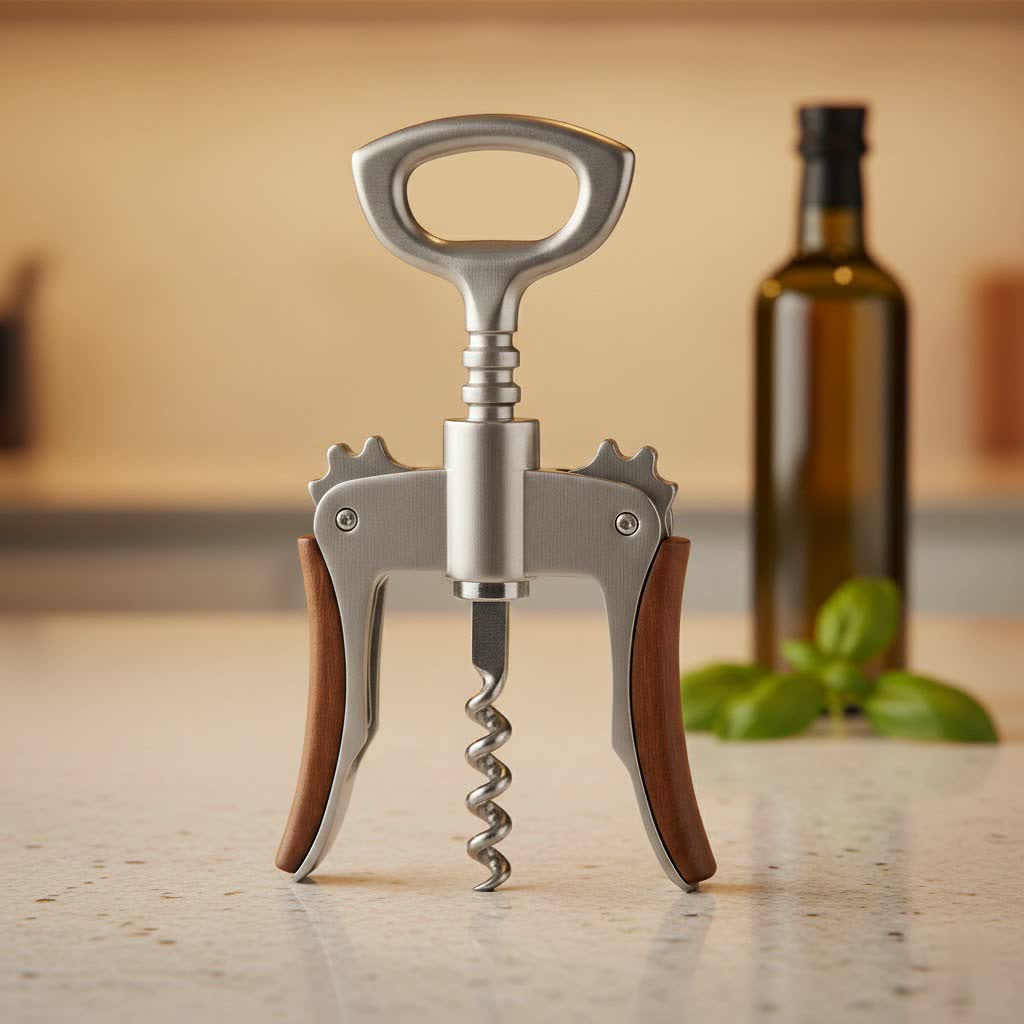
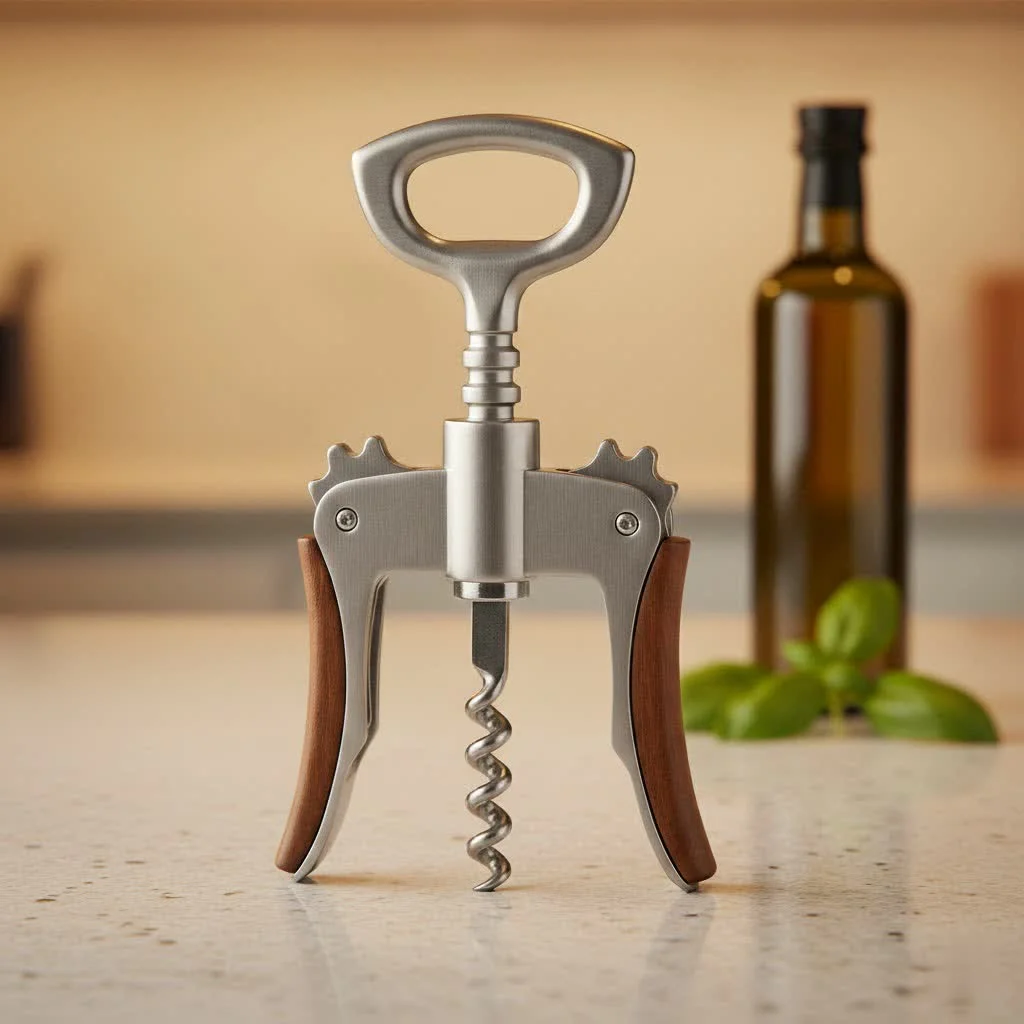
Also known as a “butterfly” corkscrew, this type is recognizable by its two lever arms that rise as the worm is twisted into the cork. Once the wings are fully extended upwards, they are pressed downwards to lift the cork out of the bottle.
- Pros: Intuitive and easy to use, offers good leverage for straightforward corks.
- Cons: Can be bulky, often made with less durable materials (gears can strip), less effective on stubborn or fragile corks.
- How to use: Place the corkscrew firmly over the bottleneck, centering the worm. Twist the handle clockwise, driving the worm into the cork. As you twist, the two “wings” will rise. Once the wings are fully up, push them down simultaneously to extract the cork.
Lever-style Wine Opener (Rabbit-style)
Lever-style openers, often dubbed “Rabbit” openers due to a popular brand, are designed for maximum ease and speed. They use a powerful leverage system, allowing users to remove a cork with minimal effort, often in a single fluid motion.
- Pros: Extremely easy and fast cork removal, ideal for those with limited hand strength, powerful leverage for tough corks.
- Cons: Bulky and takes up significant storage space, generally more expensive than manual corkscrews, can sometimes be challenging to align initially.
- How to use: Clamp the opener firmly onto the bottleneck. With the lever arm in the upward position, push it down to drive the worm into the cork. Then, pull the lever arm back up to effortlessly extract the cork.
Electric Wine Opener
For ultimate convenience, electric wine openers automate the cork removal process. These battery-powered or rechargeable devices do all the work with the push of a button, making them a popular choice for frequent entertainers or those with hand mobility concerns.
- Pros: Effortless, one-touch operation, ideal for individuals with limited hand strength or arthritis, often come with built-in foil cutters.
- Cons: Relies on battery power (requires charging), can be slower than manual methods, generally bulkier than waiter’s corkscrews.
- How to use: After removing the foil, place the electric opener firmly over the top of the bottle. Press and hold the activation button; the corkscrew will automatically penetrate and remove the cork. A second button typically releases the cork from the device.
Air Pressure Wine Opener
Air pressure wine openers use a needle to inject air into the bottle, increasing pressure and pushing the cork out. This method avoids twisting or pulling the cork directly.
- Pros: Removes corks without piercing, gentle on older or fragile corks, leaves the cork intact.
- Cons: Requires careful handling (improper use can damage the bottle), not suitable for all cork types (especially synthetic), generally slower.
- How to use: Carefully insert the needle through the cork and fully into the bottle. Pump the handle several times to inject air. The cork will slowly rise out of the bottle.
Ah-So Wine Opener (Butler’s Friend)
The Ah-So opener, also known as a “Butler’s Friend,” uses two thin metal prongs of different lengths to extract the cork. It’s particularly useful for older, more fragile corks that might crumble with a traditional corkscrew.
- Pros: Ideal for delicate or brittle corks, leaves the cork completely intact, discreet (hence “Butler’s Friend”).
- Cons: Requires skill and practice to use effectively, can be slow, not as versatile for everyday use.
- How to use: Gently slide the longer prong between the cork and the bottle rim on one side, then repeat with the shorter prong on the opposite side. Rock and twist the opener as you slowly push the prongs down until they fully embrace the cork. Then, twist and pull upwards to extract the cork.
Comparison Table of Wine Opener Types
Choosing the best wine opener depends on your priorities. This table provides a quick comparison across key criteria.
| Type of Wine Opener | Pros | Cons | Ease of Use | Price Range | Best For |
|---|---|---|---|---|---|
| Waiter’s Corkscrew | Portable, professional, precise, often includes foil cutter. | Requires technique and hand strength. | Medium | $10 – $50 | Professionals, frequent travelers, those valuing compactness and control. |
| Winged Corkscrew | Intuitive, provides leverage. | Can be bulky, prone to breakage with cheaper models, less effective on stubborn corks. | Easy | $15 – $40 | Casual users, beginners, those who prefer a visual cue. |
| Lever-style | Very easy and fast, strong leverage, minimal effort. | Bulky, more expensive, takes up space, can be complex to initially learn. | Easy | $30 – $100+ | Home use, frequent entertaining, individuals with limited hand strength. |
| Electric | Effortless, one-touch operation, stylish, quiet. | Requires charging, can be slower, typically bulkier, less control than manual. | Very Easy | $25 – $150+ | Those prioritizing convenience, individuals with hand mobility issues, frequent hosts. |
| Air Pressure | Leaves cork intact, gentle on fragile corks. | Slow, not for all corks (synthetic), requires careful handling to avoid bottle damage. | Medium | $20 – $50 | Enthusiasts opening older, delicate wines, those avoiding cork piercing. |
| Ah-So | Ideal for fragile or vintage corks, leaves cork intact. | Requires significant practice and skill, slow, not ideal for quick, everyday use. | Difficult (initially) | $20 – $70 | Connoisseurs, collectors opening valuable aged wines. |
Factors to Consider When Buying a Wine Opener (Buying Guide)
Selecting the ideal wine opener involves more than just picking a type; several factors contribute to its overall performance, durability, and user satisfaction.
Material and Durability
The longevity and reliability of your wine opener largely depend on its construction.
- Stainless steel is a preferred material for its strength, corrosion resistance, and sleek appearance, found in many high-quality waiter’s and lever-style openers.
- Some models incorporate durable plastics or wood for handles, which can offer ergonomic comfort or aesthetic appeal.
- Look for a corkscrew worm with a non-stick coating (like Teflon) or a sharp, grooved spiral; these penetrate corks more smoothly and reduce friction, minimizing the risk of breakage. Avoid flimsy plastic components, especially in critical leverage points, as they are prone to snapping or stripping.
Ease of Use
The best wine opener for you is one that you can operate comfortably and efficiently.
- Electric and lever-style openers are generally the easiest, requiring minimal physical effort and dexterity, making them excellent choices for individuals with arthritis or limited hand strength.
- Waiter’s corkscrews require a bit of practice but offer precise control once mastered.
- Consider the size and weight; a balanced and ergonomic design can significantly improve the user experience. A heavy, unbalanced opener can be awkward, while a lightweight, well-designed one can feel like an extension of your hand.
Price
Wine openers come in a broad range of price points, from budget-friendly options to luxurious, high-end tools.
- Inexpensive models (under $20) can be perfectly functional for occasional use, but may sacrifice durability or ease of use.
- Mid-range options ($20-$60) often provide the best balance of quality, features, and value, offering robust construction and reliable performance.
- High-end openers ($70+) typically feature premium materials, advanced mechanisms, and elegant designs, often desired by serious collectors or for gifting. It’s important to align your budget with your frequency of use and desired features.
Features and Accessories
Beyond the core cork removal function, many wine openers offer additional features that enhance usability.
- An integrated foil cutter is a highly convenient feature, ensuring a clean cut around the bottle’s neck.
- Electric openers often come with charging stands, extra worms, or even integrated vacuum sealers to preserve leftover wine.
- Manual openers might feature ergonomic grips, bottle openers, or specific designs for different cork types (natural vs. synthetic). Consider which extra features genuinely add value to your wine opening ritual.
Brand Reputation
Choosing a wine opener from a reputable brand can offer peace of mind regarding quality, durability, and customer support. Brands like Pulltaps, OXO, Rabbit, Peugeot, Oster, and Cuisinart are consistently praised in expert reviews and by users for their reliable products. These brands often invest in better materials and design, resulting in a more satisfying and long-lasting tool. While exploring lesser-known brands can sometimes uncover hidden gems, established names provide a benchmark for quality and performance.
Top 5 Best Wine Cork Openers of 2026
Based on extensive testing and user feedback, these wine cork openers stand out for their performance, design, and value, catering to a range of preferences.
1. OXO Steel Double Lever Waiters Corkscrew
The OXO Steel Double Lever Waiters Corkscrew earns high marks for combining professional performance with user-friendly design. Made from stainless steel with a comfortable, ergonomic rubber handle, it offers a superior grip compared to many traditional waiter’s corkscrews. Its double-lever system provides excellent leverage, making cork extraction smooth and efficient. It also features a sharp, integrated foil cutter, ensuring a clean start to every bottle. This model is often lauded for its robust build and comfortable operation, making it an ideal “best overall” choice for many wine enthusiasts.
2. Pulltaps Waiters Corkscrew
For those who appreciate classic design and unwavering reliability, the Pulltaps Waiters Corkscrew is a perennial favorite among sommeliers and everyday users alike. Its compact, slim profile makes it easy to carry or store, and its balanced metal handle feels sturdy in the hand. The non-stick spiral worm glides into corks effortlessly, and the well-spaced double fulcrums provide optimal leverage for quick and clean removal. While its foil knife might not be the sharpest on the market, its overall performance in swiftly and efficiently uncorking bottles is hard to beat, offering exceptional value for its price.
3. Rabbit Original Lever Corkscrew Wine Opener
The Rabbit Original Lever Corkscrew is the go-to for effortless, high-speed cork removal. While its design is certainly distinctive and a bit bulky, its performance is undeniably impressive. It uses a powerful lever mechanism that allows users to extract a cork in mere seconds with minimal physical exertion, making it perfect for frequent entertainers or anyone seeking the easiest manual opening experience. It often comes with a separate foil cutter and a replacement worm, adding to its value and longevity. This opener excels at consistently providing a smooth, quick uncorking process.
4. Oster Silver Electric Wine Opener
For those seeking ultimate convenience without breaking the bank, the Oster Silver Electric Wine Opener is an excellent choice. This budget-friendly electric model offers one-touch functionality, effortlessly removing corks with the press of a button. Its sleek design, accented in black, looks stylish on any countertop, and it includes a built-in foil cutter for added convenience. The Oster is praised for its ease of use and ability to open multiple bottles on a single charge, making it a reliable and accessible option for anyone who prefers an automated uncorking process.
5. Rabbit Wing Corkscrew
The Rabbit Wing Corkscrew stands out as one of the best in its category, offering a sturdy and reliable take on the traditional winged design. Made from durable plastic and stainless steel, it provides a firm grip on the bottle’s neck, ensuring the screw is centered for easy insertion. The wings rise smoothly as the corkscrew penetrates, and pushing them down offers effective leverage to extract the cork. While it lacks an integrated foil cutter, its robust construction and straightforward operation make it a dependable choice for casual wine drinkers who prefer the intuitive nature of a winged opener.
Tips for Using and Maintaining Your Wine Opener
To ensure your wine opener performs optimally and lasts for years, proper usage and maintenance are key.
Proper Usage Techniques
- Foil First: Always remove the foil cap cleanly before attempting to insert the corkscrew. Most waiter’s corkscrews have a small knife for this; for others, a dedicated foil cutter is recommended.
- Center the Worm: For manual corkscrews, always aim to insert the worm directly into the center of the cork. This ensures even pressure and reduces the chance of the cork breaking or crumbling.
- Steady Pressure: Whether twisting or levering, apply steady, consistent pressure. Avoid jerky movements or excessive force, which can damage the cork or the opener.
- Two-Step Leverage (Waiter’s): For waiter’s corkscrews, utilize both leverage points. The first hinge helps loosen the cork, and the second provides the final pull, making the extraction smoother and preventing cork breakage.
- Electric Opener Stability: With electric models, ensure the opener is held straight and firmly on top of the bottle to prevent the corkscrew from entering the cork at an angle.
Cleaning and Storage Tips
- Wipe Clean After Each Use: Especially for manual corkscrews, wipe the worm and any cork residue immediately after opening a bottle. A damp cloth is usually sufficient. Avoid harsh detergents that can degrade materials or coatings.
- Avoid Dishwashers (for most): Many wine openers, particularly those with intricate mechanisms, wooden components, or electronic parts, are not dishwasher safe. Hand washing with mild soap and water is generally recommended.
- Dry Thoroughly: Always ensure your wine opener is completely dry before storing to prevent rust, especially on metal components.
- Proper Storage: Store your wine opener in a drawer, a designated stand, or its original casing. This protects it from dust, damage, and prevents it from scratching other utensils. For electric models, ensure they are stored near their charging base or in a location where they can be easily recharged when needed.
> “A good wine opener isn’t just about functionality; it’s about preserving the integrity of the cork and enhancing the overall wine experience. From the elegant precision of a sommelier’s knife to the effortless power of an electric device, the right tool elevates every pour.” – Admin, reviewmunz.com
Conclusion
The world of wine openers is diverse, offering a perfect tool for every wine lover and every occasion. From the classic elegance of a waiter’s corkscrew to the modern convenience of an electric opener, understanding the unique advantages of each type empowers you to make an informed choice. By considering factors like material, ease of use, price, and additional features, you can select a wine opener that not only performs flawlessly but also enhances your overall enjoyment of wine. Invest in a quality opener, and you’ll find that opening a bottle becomes as delightful as the first sip. Which wine opener will you choose to elevate your next wine moment?
Frequently Asked Questions
What is the easiest type of wine opener to use for beginners?
For beginners, electric wine openers or lever-style openers are generally considered the easiest. Electric models remove the cork with a simple push of a button, requiring no physical effort, while lever-style openers use powerful mechanics to extract corks quickly and smoothly, minimizing the need for twisting or pulling.
How do you open a wine bottle with a corkscrew without breaking the cork?
To avoid breaking the cork, first remove the foil cleanly. Then, center the corkscrew’s worm precisely in the middle of the cork and twist it down steadily, ensuring it penetrates deeply without going all the way through. Use slow, consistent leverage to pull the cork out, especially with double-hinged waiter’s corkscrews, utilizing both steps for smooth extraction.
Are electric wine openers worth the investment?
Electric wine openers are often worth the investment for frequent wine drinkers, those who entertain often, or individuals with limited hand strength. They offer unmatched convenience and effortless operation, preventing cork breakage. While typically more expensive and requiring charging, their ease of use can significantly enhance the wine opening experience.
What’s the main difference between a waiter’s corkscrew and a winged corkscrew?
The main difference lies in their mechanism and portability. A waiter’s corkscrew is compact and uses a hinged lever system with a direct pull, requiring some technique, making it popular among professionals. A winged corkscrew is bulkier and uses two rising arms that are pushed down for extraction, often perceived as more intuitive for casual users.
How can I remove a broken cork from a wine bottle?
If a cork breaks, carefully re-insert a good quality corkscrew slightly off-center into the remaining cork and extract slowly. Alternatively, an Ah-So opener (two-pronged cork puller) can be slid between the cork and bottle neck to gently wiggle it out without further damage. As a last resort, you can carefully push the broken cork into the bottle and then strain the wine into a decanter.
Get our weekly buyer guide
Practical specs, not advice. Unsubscribe anytime.
