The satisfying pop of a cork signals the beginning of a delightful experience, whether it’s a quiet evening in or a lively celebration. Yet, the journey to that perfect pour can quickly turn frustrating with a subpar wine opener. A high-quality wine opener transforms this ritual from a struggle to a seamless pleasure, preventing crumbled corks and strained hands. This comprehensive guide, informed by years of experience and testing, will navigate you through the world of wine openers, helping you find the ideal companion for every bottle.
What is a Wine Opener? Why Do You Need One?
A wine opener, often interchangeably called a corkscrew, is a specialized tool designed to extract the cork from a wine bottle. While its purpose is straightforward, its evolution is rich. Early cork-pulling devices, often referred to as “bottlescrews,” emerged in the 17th century, featuring a helical screw or “worm” to penetrate the cork. Since then, an immense range of models has been devised, each offering a unique approach to uncorking. For explore our wine accessories reviews on this site.
Beyond mere functionality, a quality wine opener is essential for any wine enthusiast. It ensures a smooth, clean extraction, preserving the wine’s integrity by preventing cork fragments from falling into the bottle. It also elevates the overall wine-drinking experience, making each uncorking moment a confident and enjoyable part of the ritual.
Popular Wine Opener Types
The market offers a diverse array of wine openers, each with distinct mechanisms, advantages, and ideal use cases. Understanding these differences is key to selecting the best tool for your needs.
Lever Wine Opener
Lever-style wine openers, such as the popular Rabbit models, are designed for maximum ease and minimal physical effort. They typically feature a dual-lever mechanism that clamps onto the bottle’s neck. You simply push a lever down to insert the worm into the cork, then pull the lever back up to effortlessly extract it.
- Pros: Requires minimal wrist twisting and hand strength, offers quick and efficient cork removal, ideal for those who frequently open wine or have limited dexterity.
- Cons: Generally larger and heavier than other types, can be bulkier for storage, often comes at a higher price point.
- How to Use: Place the opener over the bottle, ensure the worm is centered, push the lever down to drive the worm into the cork, then pull the lever up to remove the cork.
Corkscrew Wine Opener
This broad category encompasses several manual designs that rely on a spiral “worm” to penetrate and extract the cork.
Waiter’s Corkscrew (Sommelier Knife)
The waiter’s corkscrew is a compact, foldable multi-tool favored by sommeliers and hospitality professionals for its portability and precision. It typically includes a small knife for cutting the foil and a two-step lever system for controlled cork extraction.
- Pros: Lightweight, highly portable, offers precise and controlled cork removal, very durable when made with quality materials, industry standard.
- Cons: Requires a bit of technique and hand dexterity, can be more challenging for beginners or those with limited hand strength.
- How to Use: Use the built-in knife to cut the foil, twist the worm into the cork, then use the two-step lever to gently pull the cork out in stages.
Winged Corkscrew (Butterfly Corkscrew)
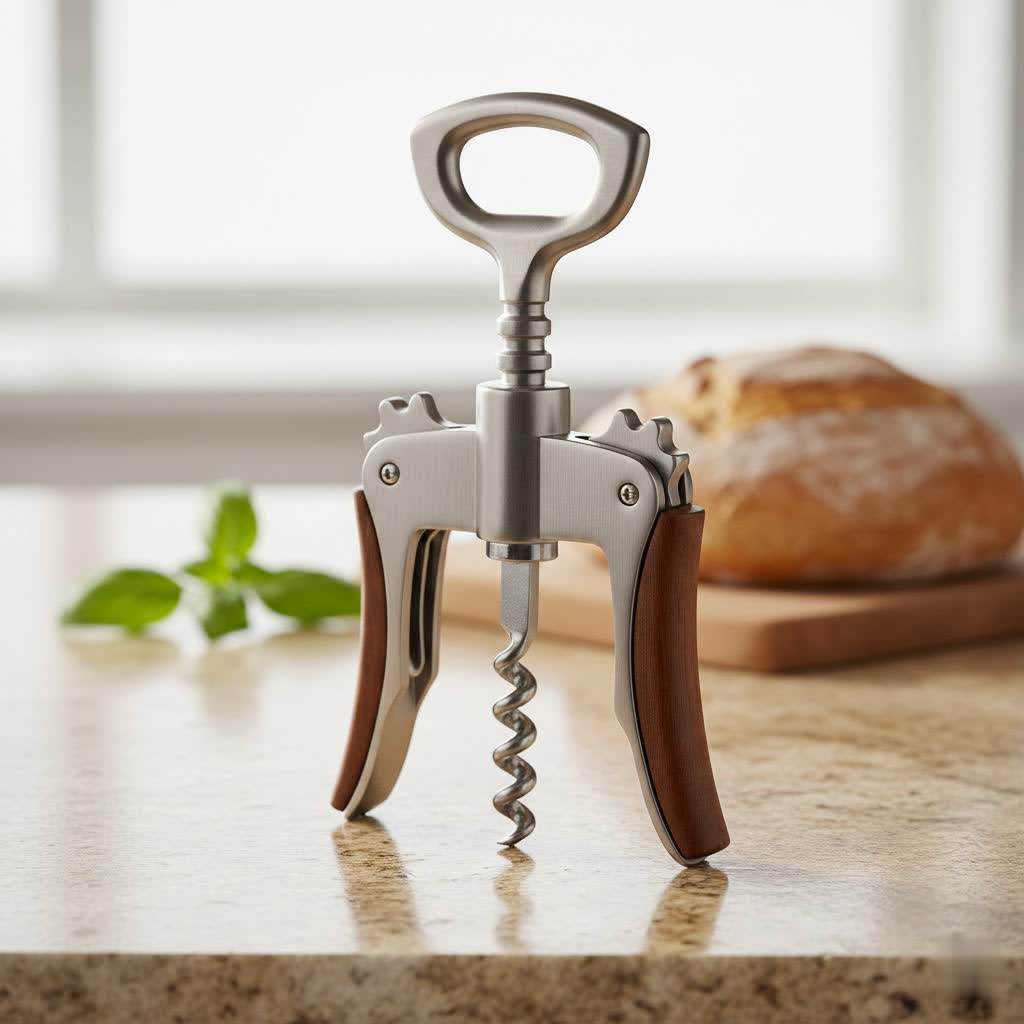
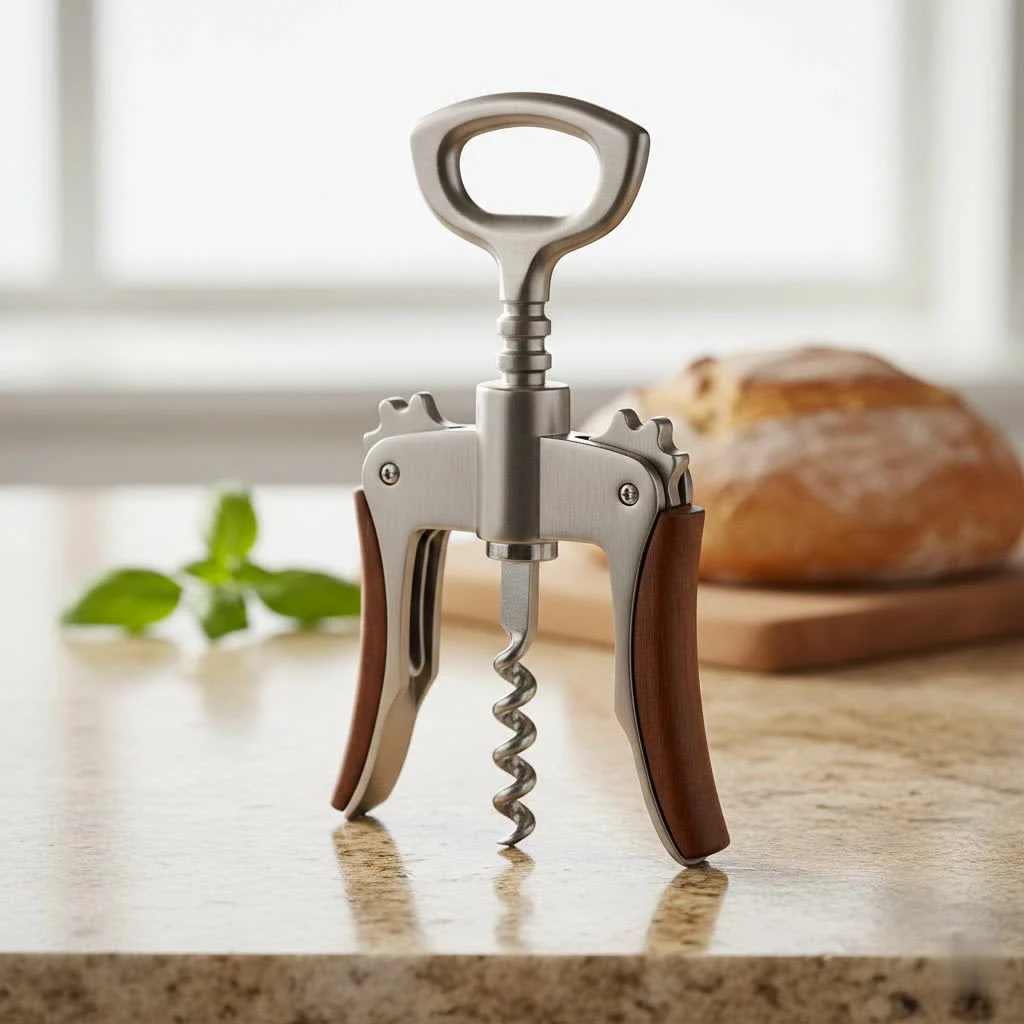
One of the most recognizable and beginner-friendly manual openers, the winged corkscrew features two levers, or “wings,” that rise as you twist the spiral into the cork. Pushing these wings down then extracts the cork.
- Pros: Very easy to use with minimal effort, provides a visual cue as the wings rise, stable on the bottle.
- Cons: Can be poorly made with stripped gears, may struggle with very fragile or stubborn corks, offers less control than a waiter’s corkscrew.
- How to Use: Place the opener over the bottle, centering the worm. Twist the handle to drive the worm into the cork. As the wings rise, push them down simultaneously to pull the cork out.
Electric Wine Opener
|
Our Picks for the Best Wine Opener in 2026
As an Amazon Associate I earn from qualifying purchases.
|
||
| Num | Product | Action |
|---|---|---|
| 1 | Cap Opener, Fun Bottle Opener for Parties and Gatherings, Creative Design Launches Caps at BBQs, Portable Entertainment for Outdoor Activities, Available in Red, Black, Blue |

|
| 2 | KORCCI Wine Opener, Heavy-Duty Zinc Alloy Wing Corkscrew, Premium Beer Bottle Opener, Multifunctional Wine Accessories with Ergonomic Handle and Sharp Screw, for Kitchen, Bar, Restaurant, Bartenders |
|
| 3 | GORILLA GRIP BPA-Free Premium Wine Opener, Heavy Duty Zinc Alloy Wing Corkscrew, Multifunctional Bottle Openers Remove Corks, Caps, Easy Use Sharp Cork Screw, Dishwasher Safe, Holiday Essential, Black |
|
| 4 | Beneno Wine Opener, Zinc Alloy Premium Wing Corkscrew with Multifunctional Bottles Opener, Sharp Wine Corkscrew with Ergonomic Non-Slip Wing Handle, Silver |
|
| 5 | Oster Cordless Electric Wine Bottle Opener with Foil Cutter, Silver |
|
| 6 | Wino Wine Key! - Professional Sommelier's Corkscrew Wine Opener |
|
| 7 | OXO SteeL Winged Corkscrew with Removable Foil Cutter |
|
| 8 | Secura Electric Wine Opener, Automatic Electric Wine Bottle Corkscrew Opener with Foil Cutter, Rechargeable (Stainless Steel) |
|
| 9 | OXO Steel Vertical Lever Corkscrew with Removable Foil Cutter |
|
| 10 | Cuisinart CWO-25 Electric Wine Opener, Stainless Steel 3.50" x 4.75" x 10.00" |
|
Electric wine openers provide an effortless, push-button experience, making them a popular choice for convenience. Powered by batteries or rechargeable motors, they automatically insert the worm and extract the cork.
- Pros: Extremely easy to use, ideal for individuals with arthritis or limited hand strength, fast operation, great for opening multiple bottles in quick succession (e.g., parties). Many models come with built-in foil cutters and can open 30-60 bottles on a single charge.
- Cons: Bulkier and less portable, relies on battery charge and electrical components which can degrade, less tactile feedback for fragile corks, typically more expensive.
- How to Use: Remove the foil, place the opener over the bottle’s neck, and press a button to initiate the cork removal. The device will automatically extract the cork.
Air Pressure Wine Opener
Air pressure openers remove corks by injecting a small amount of air into the bottle, which creates pressure that forces the cork upward.
- Pros: Fast and requires minimal physical effort, removes the cork cleanly without piercing it.
- Cons: Improper use or excessive pressure can potentially damage the cork or, in rare instances, the bottle.
- How to Use: Insert the needle through the cork, then pump the handle a few times until the cork pops out.
Multi-tool Wine Opener (Ah-So/Two-Pronged Cork Puller)
Also known as an Ah-So or two-pronged cork puller, this unique tool is invaluable for older, more delicate corks. It features two thin metal prongs that slide between the cork and the bottle’s neck, extracting the cork intact without piercing it.
- Pros: Preserves the cork’s integrity, ideal for brittle or aged corks, leaves no hole in the cork.
- Cons: Requires practice and a delicate technique to use effectively.
- How to Use: Gently slide the longer prong between the cork and the bottle, then the shorter one. Once both prongs are fully inserted, twist and pull upwards while rocking the opener to gradually extract the cork.
Comparing Wine Opener Types
Here’s a quick comparison of the most popular wine opener types:
| Type of Wine Opener | Ease of Use | Portability | Control | Durability (General) | Best For | Price Range (Approx.) |
|---|---|---|---|---|---|---|
| Lever Opener | High | Limited | Moderate | Good | Frequent home use, gifting | $20 – $100+ |
| Waiter’s Corkscrew | Moderate | Excellent | High | Excellent | Sommeliers, everyday use, travel, experienced users | $10 – $50+ |
| Winged Corkscrew | High | Moderate | Low | Fair | Beginners, casual home use | $10 – $30 |
| Electric Opener | Very High | Limited | Low | Moderate | Limited hand strength, high-volume opening, convenience | $25 – $150+ |
| Air Pressure Opener | High | Moderate | Low | Good | Quick opening, intact corks | $15 – $40 |
| Ah-So/Two-Pronged | Low | Excellent | High | Excellent | Aged wines, delicate corks, collectors | $15 – $50+ |
Key Factors When Choosing Your Wine Opener (Buying Guide)
Selecting the best wine opener involves considering several factors that align with your personal needs and preferences.
Material
The materials used in a wine opener directly impact its durability, aesthetics, and overall performance.
- Stainless Steel: This is the “everyday workhorse” for wine openers. It’s affordable, highly durable, resistant to rust and corrosion, and easy to clean. Quality grades like 304 or 316 offer superior corrosion resistance, particularly important in humid environments or when exposed to acidic beverages.
- Zinc Alloy: Often used for its cost-effectiveness and ability to be cast into intricate designs, zinc alloy strikes a balance between strength and affordability. However, lower-quality zinc alloys can be susceptible to oxidation (“zinc pest”) if exposed to moisture, so look for higher-grade mixes with aluminum or copper for better degradation resistance.
- Plastic: While inexpensive, plastic components, especially in crucial areas like the worm or gears, can lead to flimsiness and premature breakage. It’s often found in budget-friendly winged corkscrews or as part of a multi-material design.
- Solid Silver: Primarily a luxury material, solid silver offers timeless elegance and natural antimicrobial properties. However, it tarnishes when exposed to sulfur compounds and requires regular polishing, making it more suitable for occasional use or display.
Durability
A durable wine opener is an investment that will provide reliable service for years. Look for robust construction, especially in the worm (spiral) and hinges of manual models. A strong worm, often made of hardened steel, should withstand repeated use without bending or breaking. For electric openers, consider the quality of the motor and battery life, as these are common failure points. Proper care, such as rinsing and drying stainless steel openers after use, polishing silver monthly, and storing zinc alloy openers in dry conditions, will significantly extend their lifespan.
Ease of Use
Your comfort and physical ability are crucial. Electric openers offer the highest ease of use, requiring minimal effort, making them excellent for those with limited hand strength or mobility issues. Lever-style openers also provide a very easy, fluid motion. Winged corkscrews are beginner-friendly but may require more force. Waiter’s corkscrews and Ah-So openers demand a degree of technique and dexterity, appealing to those who enjoy a more classic and controlled uncorking ritual.
Price
Wine openers come in a wide range of price points. Basic corkscrews can cost under $10, while high-end manual or electric models can exceed $100. More expensive doesn’t always mean better, but it often correlates with superior materials, craftsmanship, and brand reputation. Consider your budget, but prioritize functionality and durability for frequent use. An affordable, well-made waiter’s corkscrew can last for decades.
Brand
Choosing a reputable brand can provide assurance of quality and customer support. Brands like Rabbit, Pulltaps, OXO, Peugeot, Secura, and Oster are frequently recommended by experts for their performance and reliability. Established brands often have a track record of testing and refining their designs, offering better long-term value.
Top 5 Wine Openers Praised by Experts
Based on widespread reviews and expert testing, here are some top-performing wine openers that consistently receive high marks:
- Oster Electric Wine Opener: Often lauded as a “best overall electric” choice, this model offers sleek design, one-touch functionality, and includes a foil cutter. It’s praised for making bottle opening super easy and being budget-friendly.
- Secura Stainless Steel Electric Wine Opener: A strong runner-up in the electric category, this opener features a stylish stainless steel build and one-touch up/down functionality. Its transparent shell and LED light allow you to see the corkscrew mechanism, making it particularly helpful for those who appreciate visual feedback or have limited dexterity.
- Rabbit Original Lever Corkscrew: Renowned for its effortless lever design, the Rabbit corkscrew is a top choice for manual lever openers. It provides quick and smooth cork extraction with minimal effort, making it a favorite for many home enthusiasts.
- Pulltaps Waiter’s Corkscrew: Widely considered the best waiter’s style corkscrew, Pulltaps models are celebrated for their comfortable grip, efficiency, and durable construction. They are a go-to for professionals and those who appreciate a classic, precise uncorking.
- Brabantia Tasty+ Wine Bottle Opener Corkscrew: This twist-style opener is noted for its ease of use, where simply twisting the handle simultaneously drives the worm into the cork and pulls it out. It’s often recommended as a great, sturdier alternative to some flimsier plastic corkscrews.
Tips for Using and Maintaining Your Wine Opener
Proper usage and maintenance can significantly extend the life of your wine opener and ensure a consistently smooth uncorking experience.
- Cleanliness is Key: After each use, especially with manual corkscrews, wipe down the worm and any other components that come into contact with the cork or wine. Residual wine or cork dust can make future operations sticky or less efficient. Rinse with warm water and mild soap, then dry thoroughly.
- Foil Cutter First: Always use a dedicated foil cutter or the integrated one on your opener to cleanly remove the foil capsule. This prevents jagged edges and ensures a smooth surface for the corkscrew.
- Center the Worm: For all corkscrew types, ensure the worm is perfectly centered on the cork before twisting or engaging the mechanism. This helps prevent the cork from crumbling or breaking.
- Smooth and Steady: Avoid excessive force or jerky movements. Gentle, consistent pressure, especially with manual corkscrews, reduces the risk of damaging the cork.
- Lubricate Manual Parts: For lever and waiter’s style corkscrews, occasionally apply a tiny drop of food-grade mineral oil to the hinges and screw mechanism to keep them operating smoothly.
- Charge Electric Openers: Keep your electric wine opener charged according to manufacturer instructions. Most models can open many bottles on a single charge, but a depleted battery will leave you in a bind. Store them in their charging base if applicable.
- Store Properly: Keep your wine opener in a dry place. Manual openers benefit from drawer storage, while electric models can be displayed on a counter if they have a sleek design and charging base.
Conclusion
Choosing the best wine opener is a personal journey that depends on your individual preferences for ease of use, portability, control, and aesthetic appeal. From the classic elegance of a waiter’s corkscrew to the effortless power of an electric model, there’s a perfect tool for every wine lover. By considering materials, durability, and your specific needs, you can ensure that every bottle you open is a pleasure, not a chore. Invest wisely, and you’ll find a trusted companion that enhances your wine experience for years to come.
What’s your preferred method for uncorking a bottle, and what qualities do you value most in your wine opener?
Frequently Asked Questions
What is the easiest type of corkscrew to use to open wine bottles?
An electric corkscrew is generally considered the easiest to use, requiring minimal physical effort. You simply place it on the bottle, press a button, and it automatically removes the cork, making it ideal for those with limited hand strength or needing to open multiple bottles quickly.
What is the difference between a corkscrew and a wine key?
A corkscrew is a general term for any tool that removes a cork from a wine bottle. A wine key, often called a Waiter’s Friend, is a specific type of corkscrew that is compact, foldable, and includes a worm, a lever, and a foil cutter. It is favored by professionals for its control and portability.
What is the best corkscrew for old bottles?
The Ah-So cork puller, also known as a two-pronged corkscrew, is best for old bottles with fragile corks. It removes the cork by gripping its sides rather than piercing it, which significantly reduces the risk of the cork crumbling into the wine.
What are the benefits of electric wine openers?
Electric wine openers offer several benefits, including speed, exceptional ease of use, and minimal physical exertion. They are particularly advantageous for individuals with arthritis or limited grip strength, and many models come with convenient features like rechargeable batteries and built-in foil cutters.
What happens if you use a corkscrew on champagne?
Using a corkscrew on champagne or any sparkling wine is strongly discouraged and unsafe. Champagne corks are under significant pressure and are designed to be released by hand. A corkscrew can cause the cork to eject violently or even lead to the bottle breaking, posing a serious safety risk.
Get our weekly buyer guide
Practical specs, not advice. Unsubscribe anytime.
