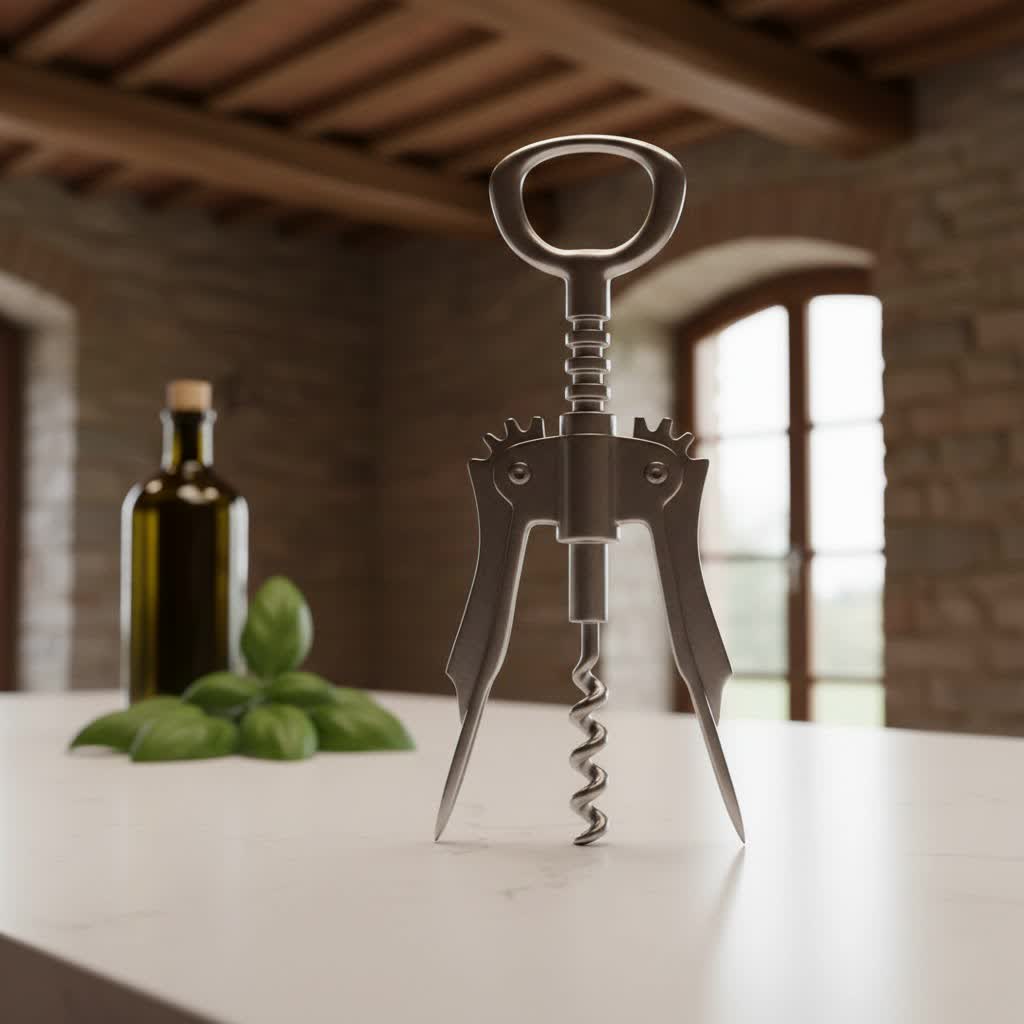
Opening a bottle of wine should be a moment of pleasure, an elegant prelude to savoring its contents. Yet, for many, it can quickly turn into a frustrating battle with a stubborn cork or a poorly designed opener. A truly Good Wine Opener isn’t just a tool; it’s a vital companion that ensures every uncorking experience is smooth, effortless, and sets the right tone for enjoyment. This comprehensive guide will navigate you through the diverse world of wine openers, from classic designs to modern innovations, helping you choose the perfect partner for your wine journey.
What is a Wine Opener? Why Do You Need One?
At its core, a wine opener is an essential device designed to extract corks from wine bottles, enabling access to the wine within. While the concept seems simple, its evolution has been driven by the need for efficiency, ease, and cork integrity. The earliest forms, known as “bottlescrews,” emerged in the 17th century, evolving from gun worms used to clean musket barrels. Over centuries, these humble tools transformed into the sophisticated devices we recognize today.
For any wine enthusiast, a quality wine opener is indispensable. It prevents the common pitfalls of cork breakage, crumbling, or getting pushed into the bottle, which can taint the wine and spoil the experience. A well-designed opener minimizes effort, provides a secure grip, and ensures a clean, swift cork removal, allowing you to focus purely on the joy of the wine itself. It elevates the ritual of uncorking, transforming it from a chore into an anticipated moment.
Popular Types of Wine Openers on the Market
The market offers a fascinating array of wine openers, each with unique mechanics, advantages, and ideal use cases. Understanding these differences is key to finding your preferred style.
Lever Wine Opener
Lever wine openers, often called “rabbit” openers due to a popular brand, are renowned for their mechanical advantage and ease of use. They feature a clamping mechanism that secures the opener to the bottle neck, and a long lever arm that, when pushed down and then pulled up, effortlessly extracts the cork.
- Pros: Extremely easy and fast to use, minimal physical effort required, excellent for those with limited hand strength.
- Cons: Can be bulky to store, generally more expensive than manual corkscrews, sometimes less durable if made with plastic components.
- How to use: Place the opener over the bottle, lower the lever to clamp it, push the lever down to insert the worm, then pull the lever up to remove the cork.
|
Our Picks for the Best Wine Opener in 2026
We may earn a commission when you use one of our links to make a purchase.
|
||
| Num | Product | Action |
|---|---|---|
| 1 | OXO Steel Vertical Lever Corkscrew with Removable Foil Cutter |

|
| 2 | GORILLA GRIP BPA-Free Premium Wine Opener, Heavy Duty Zinc Alloy Wing Corkscrew, Multifunctional Bottle Openers Remove Corks, Caps, Easy Use Sharp Cork Screw, Dishwasher Safe, Holiday Essential, Black |
|
| 3 | Wino Wine Key! - Professional Sommelier's Corkscrew Wine Opener |
|
| 4 | KORCCI Wine Opener, Heavy-Duty Zinc Alloy Wing Corkscrew, Premium Beer Bottle Opener, Multifunctional Wine Accessories with Ergonomic Handle and Sharp Screw, for Kitchen, Bar, Restaurant, Bartenders |
|
| 5 | Oster Cordless Electric Wine Bottle Opener with Foil Cutter, Silver |
|
| 6 | Beneno Wine Opener, Zinc Alloy Premium Wing Corkscrew with Multifunctional Bottles Opener, Sharp Wine Corkscrew with Ergonomic Non-Slip Wing Handle, Silver |
|
| 7 | Cap Opener, Fun Bottle Opener for Parties and Gatherings, Creative Design Launches Caps at BBQs, Portable Entertainment for Outdoor Activities, Available in Red, Black, Blue |
|
| 8 | OXO SteeL Winged Corkscrew with Removable Foil Cutter |
|
| 9 | Secura Electric Wine Opener, Automatic Electric Wine Bottle Corkscrew Opener with Foil Cutter, Rechargeable (Stainless Steel) |
|
| 10 | Cuisinart CWO-25 Electric Wine Opener, Stainless Steel 3.50" x 4.75" x 10.00" |
|
Corkscrew Wine Opener
This broad category encompasses several manual designs, with the “Waiter’s Friend” being the most iconic. These openers rely on screwing a metal “worm” (spiral) into the cork and then manually pulling it out, often with the aid of a leverage point.
Waiter’s Friend Corkscrew (Sommelier Knife)
The compact and versatile Waiter’s Friend is a favorite among hospitality professionals and wine aficionados alike. Its foldable design includes a corkscrew, a small knife for cutting foil, and a lever (often double-hinged) that rests on the bottle rim for leverage.
- Pros: Highly portable and slim, precise control over cork extraction, durable if constructed from quality materials.
- Cons: Requires a bit of technique and hand strength, can be challenging for beginners or those with dexterity issues.
- How to use: Use the small knife to cut and remove the foil. Screw the worm into the center of the cork until only one or two spirals are visible. Place the first lever notch on the bottle rim and pull up the handle. Then, use the second notch (if available) for further leverage to smoothly extract the cork.
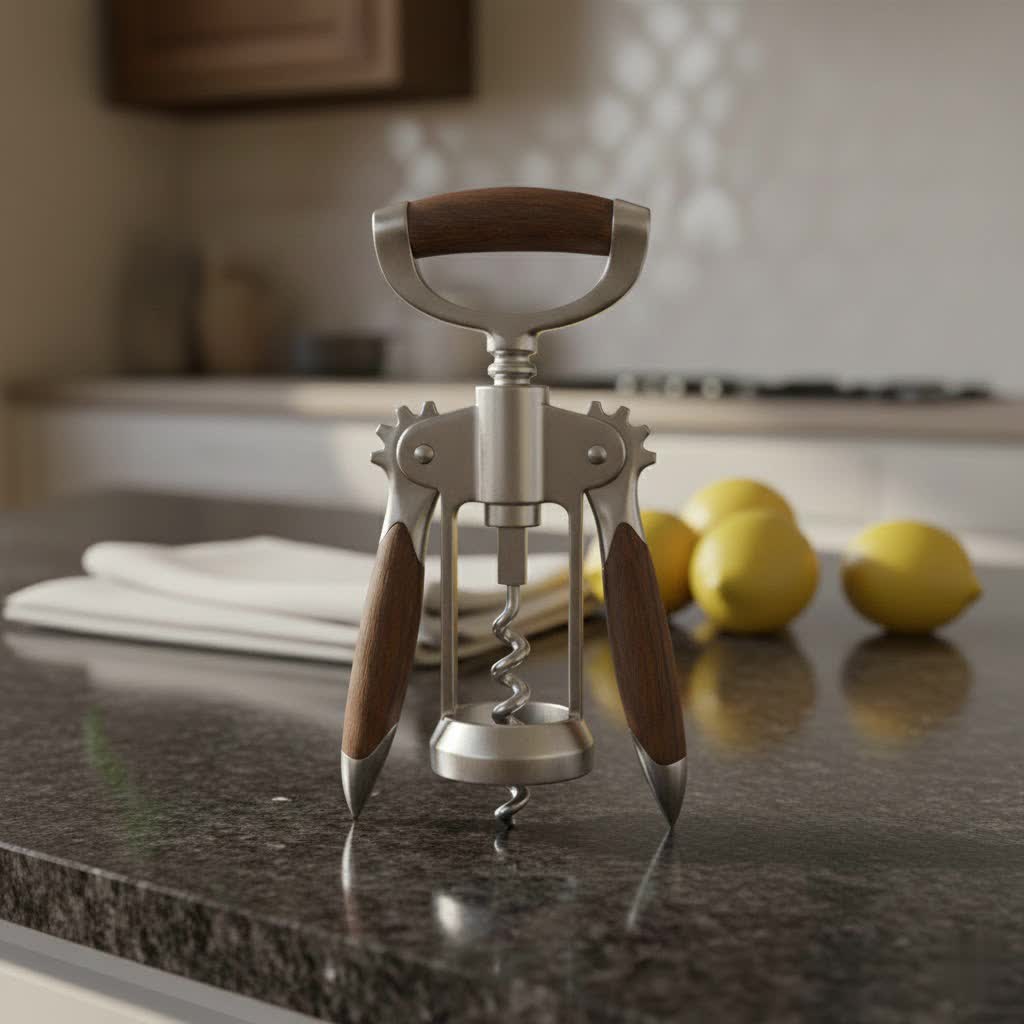
Winged Corkscrew
Also known as a butterfly corkscrew, this type is easily recognizable by its two “wings” that rise as the worm is twisted into the cork. Pushing these wings down provides leverage to lift the cork out.
- Pros: Very intuitive and easy for beginners, requires minimal technique, stable operation.
- Cons: Can be bulky, less control compared to a Waiter’s Friend, some cheaper models can bend or break.
- How to use: Place the opener over the bottle, center the worm, and twist the handle until the worm is fully inserted. As you twist, the wings will rise. Once fully inserted, push both wings down simultaneously to lift the cork.
Electric Wine Opener
For ultimate convenience, electric wine openers automate the uncorking process with the push of a button. These battery-operated devices effortlessly drill into the cork and extract it, making them ideal for frequent use or those seeking a hands-free solution.
- Pros: Extremely easy to use, requires no physical effort, very fast.
- Cons: Needs charging or batteries, less portable than manual options, generally higher price point, can be bulky.
- How to use: Place the electric opener over the wine bottle, ensuring it’s centered. Press a button to activate the corkscrew, which will automatically insert into the cork and pull it out. Another button usually releases the cork from the device.
Air Pressure Wine Opener
Air pressure openers use a hollow needle that is inserted through the cork, then air is pumped into the bottle, creating pressure that pushes the cork out. This method avoids drilling into the cork.
- Pros: Preserves cork integrity, no twisting or pulling force on the cork itself, potentially good for fragile corks.
- Cons: Requires care to prevent cork from “popping” too forcefully, uses CO2 cartridges which need replacement, less common.
- How to use: Carefully insert the needle through the center of the cork. Pump the handle a few times until the cork begins to rise and eventually pops out.
Ah-So / Two-Prong Cork Puller
This specialized tool is designed for older, fragile corks that might break with a traditional corkscrew. It features two thin metal prongs that slide down either side of the cork between the cork and the bottle neck.
- Pros: Ideal for delicate or brittle corks, prevents cork breakage by not piercing it.
- Cons: Requires skill and technique to use effectively, can be difficult for beginners.
- How to use: Insert the longer prong between the cork and the bottle, then the shorter one. Wiggle and push down both prongs until they are fully seated. Twist and pull gently to extract the cork.
Comparison Table of Wine Openers
| Type of Wine Opener | Pros | Cons | Ease of Use | Price Range (Approx.) |
|---|---|---|---|---|
| Lever Wine Opener | Effortless, fast, good for repetitive use. | Bulky, generally higher cost, can be less durable. | Very Easy | $25 – $70+ |
| Waiter’s Friend Corkscrew | Portable, precise, durable, versatile (foil cutter). | Requires technique, some hand strength, can be tough on wrists. | Medium | $10 – $50 |
| Winged Corkscrew | Beginner-friendly, easy to use, intuitive. | Can be bulky, less control, can struggle with very stubborn corks. | Easy | $10 – $30 |
| Electric Wine Opener | Completely effortless, very fast, ideal for limited strength. | Needs charging/batteries, less portable, higher upfront cost. | Very Easy | $20 – $100+ |
| Air Pressure Wine Opener | No cork breakage, good for fragile corks, no drilling. | Requires CO2 cartridges, potential for forceful cork expulsion. | Easy | $15 – $40 |
| Ah-So / Two-Prong | Excellent for old/fragile corks, preserves cork integrity. | High skill requirement, challenging for new users. | Difficult | $15 – $50 |
Factors to Consider When Buying a Wine Opener (Buying Guide)
Choosing the right wine opener involves more than just picking a style. Several factors contribute to its overall performance, durability, and suitability for your needs.
Material
The materials used in a wine opener directly impact its longevity and performance.
- Stainless Steel: A popular choice for its durability, rust resistance, and elegant appearance. Often used for the worm, levers, and body components.
- Zinc Alloy/Aluminum: Provide good strength and are often used for handles and structural parts in lever and winged openers, offering a good balance of weight and resilience.
- Plastic/ABS: Can be found in budget-friendly models or parts of electric openers. While lightweight, ensure it’s high-grade and robust to prevent premature breakage.
- Wood: Adds a classic, ergonomic touch to handles, often paired with metal components for strength.
The quality of the worm (spiral) is paramount. Look for a strong, non-stick coated spiral that smoothly pierces corks without tearing.
Durability
A good wine opener should be a long-lasting investment. Assess durability by looking at the construction. Are the joints sturdy? Does the worm feel robust and resistant to bending? Cheaper models with flimsy plastic or thin metal parts are prone to breaking under pressure. Opting for solid metal construction, especially in moving parts, ensures your opener can withstand years of use. Regular cleaning and proper storage will also significantly extend its lifespan.
Ease of Use
This is a critical factor, especially if you open wine frequently or have specific needs.
- Ergonomics: A comfortable grip and a design that fits well in your hand are important. Some openers feature rubberized handles for enhanced comfort.
- Physical Effort: Electric and lever openers require minimal effort, making them ideal for individuals with arthritis, carpal tunnel syndrome, or those who simply prefer convenience. Waiter’s Friends require more technique and strength, while Ah-So openers demand considerable finesse.
- Size and Weight: Consider where you’ll store it and if portability is important. Waiter’s Friends are pocket-friendly, while lever and electric models are larger.
Price
Wine openers range widely in price, from under $10 for basic corkscrews to over $100 for high-end electric or specialized models.
- Budget-Friendly: You can find reliable winged or basic Waiter’s Friends at lower price points.
- Mid-Range: Offers a balance of quality, durability, and features, often including sturdy lever-style or enhanced Waiter’s Friends.
- Premium: Commands higher prices for advanced features, superior materials, brand reputation, and often aesthetic appeal.
> “Investing in a slightly more expensive, well-built wine opener can save you countless headaches and replace broken corks in the long run. It’s an investment in your wine enjoyment.” – A seasoned Sommelier.
Brand
While specific brand names are not included in the article, it is important to choose wine openers from reputable manufacturers known for quality kitchenware or wine accessories. Established brands often have better quality control, customer support, and design innovation, ensuring a more reliable and satisfying product. Look for brands that are frequently recommended in expert reviews and culinary publications.
Top 5 Recommended Wine Openers for Seamless Uncorking
Based on performance, ease of use, durability, and user satisfaction, certain styles consistently stand out. Here are five top recommendations, categorized by their primary design strengths:
-
The Professional’s Choice: Double-Hinged Waiter’s Corkscrew
- Description: This classic design combines a sharp foil cutter, a robust worm, and a clever double-hinged lever system that offers maximum leverage and control. Its compact size makes it highly portable.
- Pros: Excellent precision, durable metal construction, versatile with integrated foil cutter, ideal for skilled users.
- Cons: Requires practice to master, some physical effort.
-
Effortless Power: High-Performance Lever Wine Opener
- Description: Engineered for speed and ease, this opener clamps securely to the bottle and removes the cork with a simple, swift motion of its large handle. Many models include a foil cutter.
- Pros: Uncorks bottles in seconds with minimal effort, perfect for frequent use or those with hand weakness, sturdy build.
- Cons: Larger footprint, can be a higher initial cost.
-
Modern Convenience: Rechargeable Electric Wine Opener
- Description: A sleek, cordless device that automates the entire uncorking process. Simply place it on the bottle and press a button; the cork is removed and then easily ejected.
- Pros: Completely hands-free operation, incredibly fast, often includes a foil cutter, stylish design.
- Cons: Requires charging, less portable for outdoor use, typically plastic housing on some models.
-
Beginner-Friendly Reliability: Robust Winged Corkscrew
- Description: Featuring a central screw and two prominent levers, this design offers intuitive operation. As you twist the screw, the wings rise, and a simple downward push lifts the cork.
- Pros: Extremely easy for new users, stable on the bottle, provides good leverage for most corks.
- Cons: Can be bulky, may struggle with very old or tightly sealed corks if not well-made.
-
Specialist for Aged Vintages: The Two-Prong (Ah-So) Opener
- Description: This unique tool has two metal prongs that slide alongside the cork to gently ease it out without piercing it. It’s the go-to for brittle, aged corks.
- Pros: Preserves delicate corks perfectly, ideal for vintage wines, simple and elegant in design.
- Cons: Requires practice and a delicate touch to master, not suitable for all cork types (e.g., synthetic).
Tips for Using and Maintaining Your Wine Opener
Proper use and maintenance are crucial to extend the life of your wine opener and ensure a consistently smooth uncorking experience.
How to Use Your Wine Opener Correctly
- Foil Removal: Always remove the foil capsule completely before uncorking. Most waiter’s corkscrews have a small knife for this. For other types, a dedicated foil cutter can be invaluable. A clean cut ensures no foil fragments fall into the wine.
- Centering the Worm/Needle: Whether using a corkscrew or an air pressure opener, ensure the worm or needle is inserted precisely into the center of the cork. This prevents tearing and ensures an even pull.
- Smooth Insertion: For corkscrews, twist the worm into the cork smoothly and steadily, avoiding excessive force that could break the cork.
- Leverage Wisely: Use the leverage points on Waiter’s Friends and lever openers correctly. Don’t rush the pull; a steady, upward motion is best to avoid cork breakage.
- Gentle Extraction: Once the cork is mostly out, gently twist it the rest of the way by hand if possible, rather than yanking, to prevent a loud pop and potential splashing.
> “The secret to a perfect uncorking isn’t brute force; it’s finesse, patience, and a well-maintained tool. Treat your wine opener as an extension of your appreciation for the wine itself.” – A veteran Wine Enthusiast.
Tips for Cleaning and Maintenance
- Wipe After Every Use: After opening a bottle, always wipe down the worm and any cork residue with a damp cloth. This prevents build-up and keeps the mechanism clean.
- Deep Clean (as needed): For more stubborn residue, a gentle soap and warm water solution can be used, ensuring to dry all metal parts thoroughly to prevent rust. Electric openers should only be wiped down, never submerged.
- Check for Wear: Periodically inspect the worm for bending or dullness, and check levers and hinges for looseness. A sharp worm is vital for clean insertion.
- Battery Management: For electric openers, follow manufacturer guidelines for charging. Keep them charged for optimal performance and store them in their base if applicable.
- Proper Storage: Store your wine opener in a dry place. Waiter’s Friends fit neatly in a drawer, while larger lever or electric models may have designated stands or cases.
Conclusion
The journey through the world of wine openers reveals that a “good wine opener” isn’t a one-size-fits-all concept. It’s a personal choice influenced by your preferences for ease, portability, speed, and the type of wines you typically enjoy. From the classic elegance of a Waiter’s Friend to the modern simplicity of an electric model, each design offers a unique path to an open bottle. By considering material quality, durability, ease of use, and your budget, you can confidently select a tool that not only performs flawlessly but also enhances the cherished ritual of wine enjoyment. Choose wisely, and may every uncorking be a delightful start to a memorable experience!
What type of wine opener truly resonates with your approach to enjoying wine?
Frequently Asked Questions
Which type of wine opener is easiest to use for beginners?
For beginners, an electric wine opener offers the ultimate ease, requiring almost no effort or technique. Winged corkscrews are also very intuitive and simple to operate, making them a great manual option for those new to uncorking.
Are electric wine openers worth the investment?
Electric wine openers are definitely worth it for those who prioritize convenience, open wine frequently, or have limited hand strength. They make uncorking effortless and fast, justifying the slightly higher price point for many users.
How do I open a bottle of wine with an old, fragile cork?
For old or fragile corks, the Ah-So or two-prong cork puller is highly recommended. It works by sliding prongs between the cork and the bottle, gently easing the cork out without piercing it, thus preventing breakage.
What materials should I look for in a durable wine opener?
For durability, prioritize wine openers made from high-quality materials such as stainless steel or sturdy zinc alloy, especially for the worm and moving parts. These materials are resistant to corrosion and bending, ensuring a longer lifespan.
Can a single wine opener handle all types of corks?
While many versatile wine openers, like a good double-hinged Waiter’s Friend or a lever opener, can handle most natural and synthetic corks, specialized tools like the Ah-So are best for very old or fragile corks. For occasional use, a single versatile opener is usually sufficient.
How often should I clean my wine opener?
It is best to wipe down your wine opener after every use to remove any cork residue. For a more thorough clean, especially for manual parts, a wash with warm, soapy water and complete drying can be done periodically, ensuring longevity and hygiene.