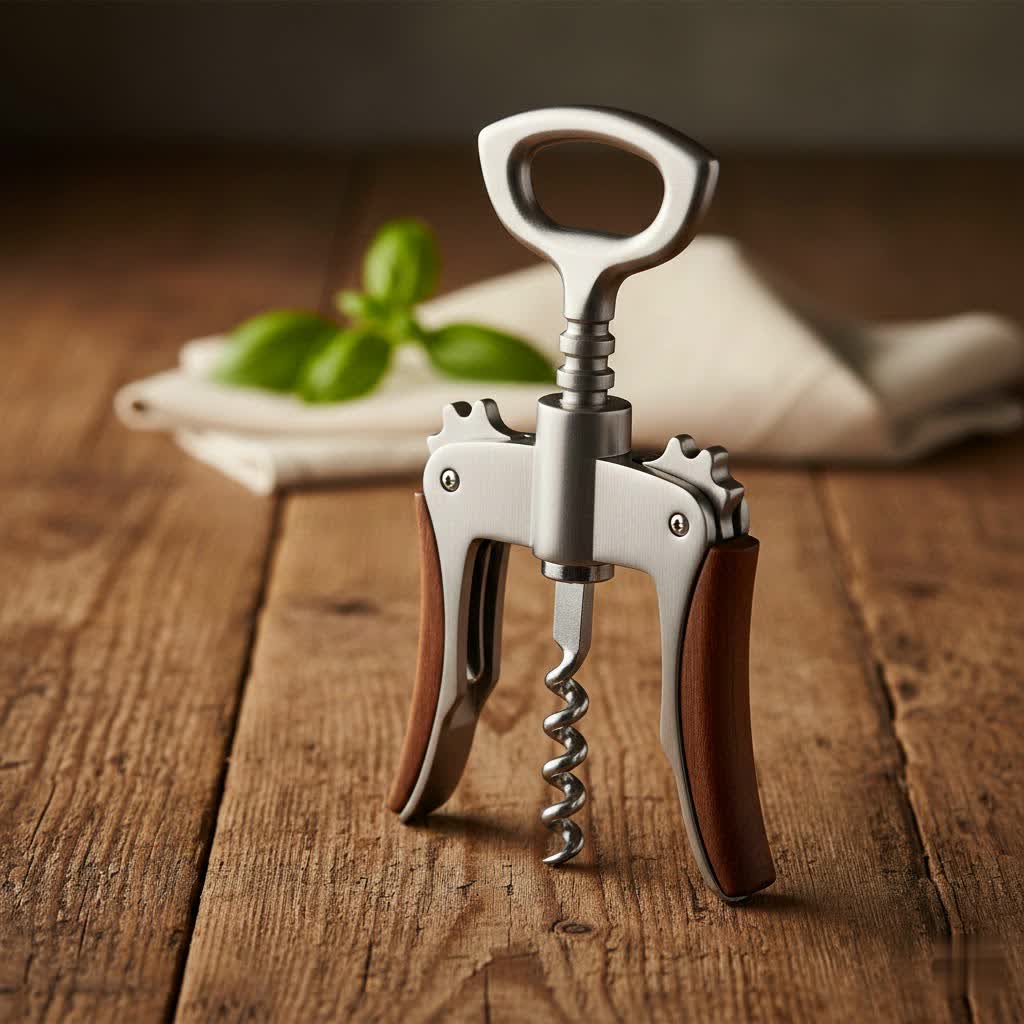
There’s a unique pleasure in savoring a fine glass of wine, but that joy can quickly turn to frustration when faced with a stubborn cork. For centuries, wine enthusiasts have sought the perfect tool to effortlessly uncork their favorite vintages. In today’s modern world, the Cuisinart electric wine opener emerges as a brilliant solution, transforming the often-tricky task of opening a wine bottle into a swift and seamless experience. This comprehensive guide will delve into the world of wine openers, highlighting the advantages of electric models, providing a detailed buying guide, and spotlighting why the Cuisinart electric wine opener stands out as an exceptional choice for both novice and seasoned wine lovers.
What is a Wine Opener? Why Do You Need One?
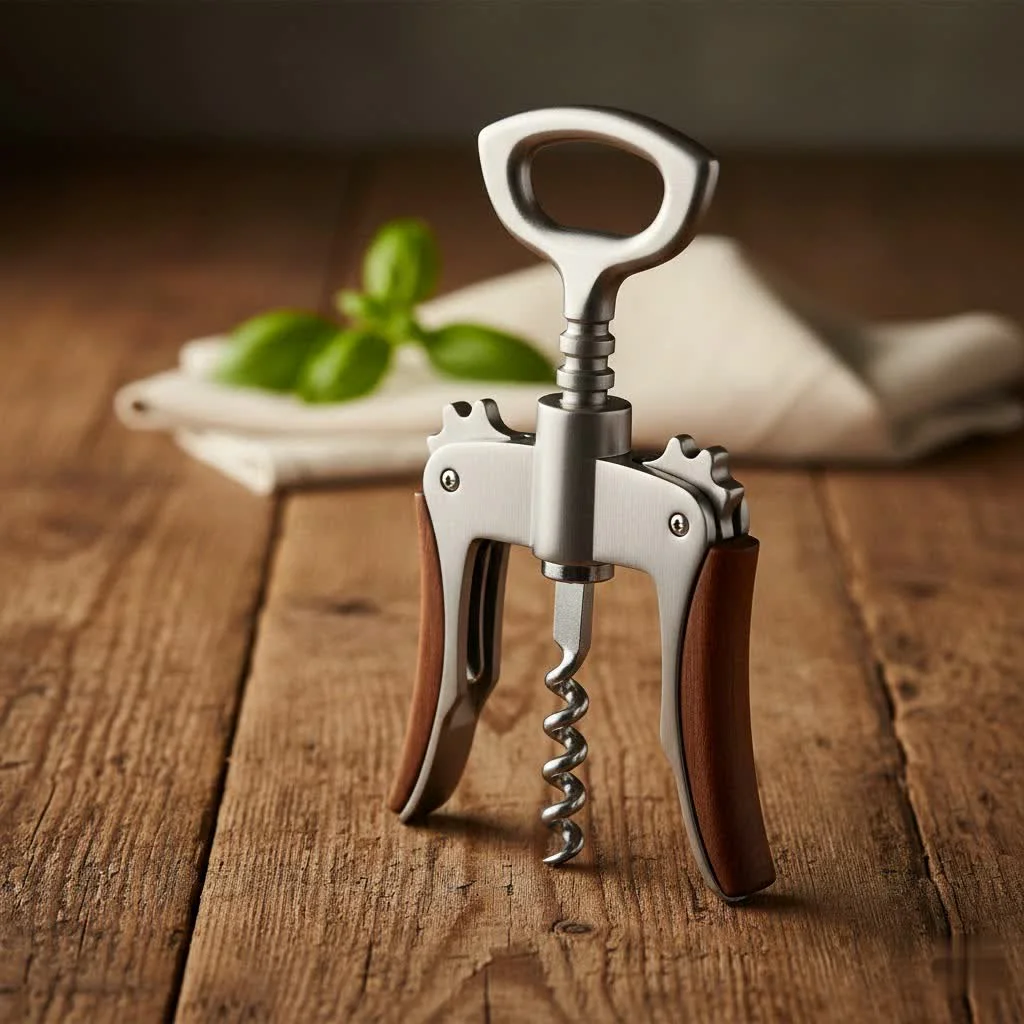
A wine opener, at its core, is a specialized tool designed to remove corks from wine bottles. While appearing simple, its function is crucial, as a properly sealed wine bottle requires a specific mechanism to access its contents without damaging the cork or the wine itself. The history of wine openers is long, evolving from basic corkscrews to sophisticated electric devices. For any wine enthusiast, a quality wine opener is not merely a convenience; it’s an essential companion that ensures every bottle can be opened with dignity and ease, preserving the ritual and enjoyment of wine. Struggling with an inferior opener can lead to broken corks, spilled wine, and a dampened experience. A reliable wine opener ensures that the journey from bottle to glass is as smooth as the wine itself.
Popular Types of Wine Openers on the Market
The market offers a diverse range of wine openers, each with unique mechanisms, advantages, and disadvantages. Understanding these variations helps in appreciating the innovation brought by electric models like the Cuisinart.
Lever Wine Opener
Lever wine openers, often called rabbit corkscrews, use a mechanical advantage to extract corks. They feature a handle and two levers that you press down after the corkscrew has been inserted into the cork.
- Pros: Generally very easy and quick to use, requiring minimal physical effort. They are effective for most standard corks.
- Cons: Can be bulky to store. The mechanical parts might wear down over time. May not be ideal for synthetic or particularly fragile corks.
- How to Use: Place the opener over the bottle, push the handle down to insert the worm into the cork, then raise the handle, causing the levers to pull the cork out.
Corkscrew Wine Opener (Waiter’s Friend)
|
Our Picks for the Best Wine Opener in 2026
As an Amazon Associate I earn from qualifying purchases.
|
||
| Num | Product | Action |
|---|---|---|
| 1 | Beneno Wine Opener, Zinc Alloy Premium Wing Corkscrew with Multifunctional Bottles Opener, Sharp Wine Corkscrew with Ergonomic Non-Slip Wing Handle, Silver |

|
| 2 | Wino Wine Key! - Professional Sommelier's Corkscrew Wine Opener |
|
| 3 | OXO Steel Vertical Lever Corkscrew with Removable Foil Cutter |
|
| 4 | Oster Cordless Electric Wine Bottle Opener with Foil Cutter, Silver |
|
| 5 | GORILLA GRIP BPA-Free Premium Wine Opener, Heavy Duty Zinc Alloy Wing Corkscrew, Multifunctional Bottle Openers Remove Corks, Caps, Easy Use Sharp Cork Screw, Dishwasher Safe, Holiday Essential, Black |
|
| 6 | OXO SteeL Winged Corkscrew with Removable Foil Cutter |
|
| 7 | Cuisinart CWO-25 Electric Wine Opener, Stainless Steel 3.50" x 4.75" x 10.00" |
|
| 8 | Secura Electric Wine Opener, Automatic Electric Wine Bottle Corkscrew Opener with Foil Cutter, Rechargeable (Stainless Steel) |
|
| 9 | KORCCI Wine Opener, Heavy-Duty Zinc Alloy Wing Corkscrew, Premium Beer Bottle Opener, Multifunctional Wine Accessories with Ergonomic Handle and Sharp Screw, for Kitchen, Bar, Restaurant, Bartenders |
|
| 10 | Cap Opener, Fun Bottle Opener for Parties and Gatherings, Creative Design Launches Caps at BBQs, Portable Entertainment for Outdoor Activities, Available in Red, Black, Blue |
|
The waiter’s friend, or sommelier knife, is a classic and versatile manual corkscrew favored by professionals for its portability and reliability. It combines a corkscrew, a lever (often two-stepped), and a small knife for cutting foil.
- Pros: Compact, durable, and offers excellent control. Highly versatile for different cork types and bottle sizes. With practice, it’s very efficient.
- Cons: Requires more physical effort and skill than automated options. Can be challenging for individuals with limited hand strength.
- How to Use: Cut the foil with the integrated knife. Twist the worm into the center of the cork until only one curl is visible. Use the first lever against the bottle rim to pull the cork halfway, then use the second lever to fully extract it.
Electric Wine Opener
Electric wine openers provide a modern, effortless way to open wine bottles, operating with the touch of a button. The Cuisinart electric wine opener is a prime example of this category.
- Pros: Exceptional ease of use, requiring minimal physical effort. Fast and efficient, making it ideal for opening multiple bottles or for those with hand mobility issues. Often comes with elegant designs.
- Cons: Requires batteries or recharging. Not suitable for screw-top bottles. Can be less precise than manual methods for extremely old or delicate corks.
- How to Use: Remove the foil with the included cutter. Place the electric opener vertically on top of the wine bottle. Press and hold the “down” button; the corkscrew will automatically penetrate and remove the cork. Press the “up” button to release the cork from the opener.
Air Pressure Wine Opener
Air pressure wine openers work by inserting a needle through the cork and pumping air into the bottle, using air pressure to push the cork out.
- Pros: Very easy to use and can be effective for delicate or older corks without damaging them. No twisting or pulling required.
- Cons: Can sometimes be slow. There’s a slight risk of damaging the bottle if too much pressure is applied too quickly, though this is rare with modern designs.
- How to Use: Insert the needle into the cork, ensuring it goes all the way through. Pump air into the bottle until the cork begins to rise and eventually pops out.
Multi-tool Wine Opener
A multi-tool wine opener typically combines several functions into one device, beyond just opening wine bottles. This might include bottle openers for beer, can openers, or even small knives.
- Pros: Versatility and convenience, as one tool serves multiple purposes. Often compact enough for travel or camping.
- Cons: May not excel in any single function compared to dedicated tools. Could be less durable if made with many moving parts of lower quality.
- How to Use: Varies widely depending on the specific tools included, but the corkscrew function usually operates similarly to a basic corkscrew.
Comparison Table of Wine Openers
Choosing the right wine opener often comes down to balancing ease of use, durability, and price. Here’s a quick comparison of the most popular types.
| Type of Wine Opener | Pros | Cons | Estimated Price Range | Ease of Use |
|---|---|---|---|---|
| Electric | Effortless, fast, ideal for all users | Requires power, not for screw caps | $20 – $100+ | Very High |
| Lever | Quick, easy manual operation | Bulky, can wear out | $25 – $75 | High |
| Corkscrew | Compact, durable, precise, versatile | Requires skill & effort | $5 – $30 | Medium |
| Air Pressure | Gentle on corks, minimal effort | Slower, slight risk if mishandled | $15 – $40 | High |
| Multi-tool | Versatile, combines functions | May lack specialization, durability varies | $10 – $30 | Medium |
Factors to Consider When Buying a Wine Opener
Selecting the perfect wine opener involves more than just aesthetics; it’s about matching the tool to your needs and preferences. Especially for an electric model like the Cuisinart, certain factors become paramount.
Material
The materials used in a wine opener directly impact its durability, feel, and overall performance.
- Stainless Steel: Often used for the corkscrew worm and housing, stainless steel offers excellent durability, corrosion resistance, and a premium look. It’s easy to clean and maintains its appearance over time.
- Plastic (ABS): Common in the body of electric and lever openers. High-quality ABS plastic is lightweight and strong, contributing to ease of handling. However, cheaper plastics can feel flimsy.
- Wood: Found in handles of some manual corkscrews, providing an ergonomic grip and a classic, elegant aesthetic. Less common in electric models.
Choosing an opener with robust materials, particularly for its core mechanisms, ensures longevity and reliable performance.
Durability
A durable wine opener is a wise investment, promising years of trouble-free service. To gauge durability, consider the build quality and materials. Heavy-duty construction, especially in the worm (the corkscrew spiral) and the internal motor for electric models, indicates a longer lifespan. Pay attention to reviews that mention longevity or common points of failure. For electric openers, the quality of the rechargeable battery and charging base is also a key durability factor.
> “When investing in an electric wine opener, always prioritize models with sturdy internal mechanisms and high-quality materials. It’s the unseen components that truly dictate its lifespan.” – Sommelier Elise Dubois, Wine Accessories Expert
Ease of Use
This is where electric wine openers like the Cuisinart truly shine. They are designed for maximum convenience and minimal effort. Factors affecting ease of use include:
- Design: Ergonomic design, comfortable grip, and intuitive button placement are crucial. The Cuisinart often boasts a sleek design that fits comfortably in the hand.
- Size and Weight: A well-balanced opener is easier to handle. Electric models are typically heavier than manual ones due to the motor and battery, but good design minimizes this impact.
- Mechanism: Push-button operation for electric openers is inherently simpler than manual twisting and pulling. This makes them ideal for anyone, including those with arthritis or limited hand strength.
Price
Wine openers come in a wide range of price points. Basic corkscrews can be very inexpensive, while high-end electric or professional lever models can cost significantly more.
- Entry-Level ($10-$30): Basic manual corkscrews, some winged corkscrews.
- Mid-Range ($20-$75): Many electric openers, quality lever openers. The Cuisinart electric wine opener often falls into this accessible yet high-performing range.
- Premium ($75+): High-end, durable electric openers with advanced features or designer aesthetics.
It’s important to find a balance between features, quality, and your budget. A mid-range electric opener often provides the best value, offering significant convenience without breaking the bank.
Brand
Reputable brands like Cuisinart have a history of producing quality kitchen and home appliances. Opting for a recognized brand often means better product reliability, customer support, and adherence to manufacturing standards. When choosing an electric wine opener, a trusted brand provides assurance of performance and durability, backed by years of consumer trust. Cuisinart, for instance, is known for its practical and user-friendly designs that integrate seamlessly into everyday life.
Top Electric Wine Openers: Featuring the Cuisinart
When it comes to electric wine openers, several models stand out for their blend of functionality, design, and reliability. Among these, the Cuisinart Electric Wine Opener consistently earns praise as a fantastic option, often highlighted for its value and elegant appearance.
The Cuisinart Electric Wine Opener is a quintessential example of convenience meeting style. Its sleek, cordless design makes it a visually appealing addition to any kitchen or bar, while its performance ensures that uncorking a bottle is no longer a chore. Users consistently praise its ability to effortlessly remove corks with a simple press of a button, making it a go-to for quick and easy wine service. It typically comes with a foil cutter, a crucial accessory for a clean presentation, and a charging base that keeps it ready for action. While it may not tackle every single type of cork or bottle with the absolute precision of an Ah-So for ancient vintages, for 99% of everyday wine enjoyment, the Cuisinart delivers exceptional performance. It’s frequently noted as an excellent “budget pick” that doesn’t compromise on the user experience, offering a smooth, quiet operation that gets your wine ready in seconds.
Tips for Using and Maintaining Your Wine Opener
Proper use and maintenance are key to extending the life of any wine opener, especially electric models.
How to Use Your Electric Wine Opener Correctly
- Remove the Foil: Always start by using the foil cutter (usually included with the opener) to cleanly remove the foil cap from the wine bottle. This prevents foil pieces from getting into the wine or damaging the opener.
- Position the Opener: Place the electric wine opener firmly and vertically on top of the wine bottle, ensuring the corkscrew is centered over the cork.
- Activate: Press and hold the “down” button. The corkscrew will automatically rotate, penetrate the cork, and gently pull it out of the bottle. Listen for the sound of the cork coming free.
- Release the Cork: Once the cork is fully removed from the bottle, lift the opener away. Then, press and hold the “up” button to release the cork from the corkscrew mechanism.
Tips for Cleaning and Storing Your Electric Wine Opener
- Clean Regularly: After each use, wipe down the exterior of the opener with a soft, damp cloth. For the corkscrew mechanism, ensure no cork residue remains; a small brush can help dislodge any stubborn pieces. Avoid submerging the electric unit in water.
- Charge as Needed: Keep your rechargeable electric wine opener on its charging base when not in use, or charge it fully after several uses to ensure it’s always ready. Follow the manufacturer’s recommendations for charging.
- Store Properly: Store your electric wine opener in a dry place, away from extreme temperatures. The charging base often provides a convenient and dedicated storage spot. Keeping it upright on its base also prevents dust accumulation in the corkscrew mechanism.
- Handle with Care: While durable, avoid dropping or striking the opener, especially electric models with internal components.
Conclusion
The journey from a sealed bottle to a delightful glass of wine should be one of anticipation, not exasperation. A high-quality wine opener is an indispensable tool for any wine lover, transforming the act of uncorking into an effortless pleasure. Electric wine openers, with their push-button simplicity and elegant designs, represent the pinnacle of convenience in this category. The Cuisinart electric wine opener, in particular, stands out as a reliable, user-friendly, and stylish option that offers exceptional value. By understanding the different types of openers, considering key buying factors, and practicing proper usage and maintenance, you can ensure that your wine moments are always smooth and enjoyable. Which electric wine opener will become your trusted companion for countless toasts to come?
Frequently Asked Questions
What makes the Cuisinart Electric Wine Opener a good choice?
The Cuisinart Electric Wine Opener is highly regarded for its exceptional ease of use, sleek design, and consistent performance. It effortlessly removes corks with the touch of a button, making it a convenient and stylish option for daily use or special occasions. Its reputation for value also makes it a popular budget-friendly pick.
How do electric wine openers work?
Electric wine openers typically feature a motorized corkscrew (worm) that automatically rotates. Once placed over a wine bottle and activated, the worm descends into the cork, grips it securely, and then automatically extracts it from the bottle. A second button usually reverses the rotation to release the cork from the opener.
Are electric wine openers better than manual ones?
The “better” choice depends on individual preferences and needs. Electric wine openers offer superior convenience and ease, requiring minimal effort, making them ideal for those with limited hand strength or when opening multiple bottles. Manual openers, like the waiter’s friend, offer more control and can be more compact, preferred by some professionals for specific cork conditions.
Can electric wine openers be used for all types of wine bottles?
Electric wine openers are designed for bottles sealed with traditional corks (natural or synthetic). They are not suitable for wine bottles with screw caps, as there is no cork to extract. Always ensure your bottle has a cork before attempting to use an electric opener.
How do you maintain an electric wine opener?
To maintain an electric wine opener, regularly wipe its exterior with a damp cloth and ensure no cork residue clogs the corkscrew mechanism. For rechargeable models, keep it on its charging base to ensure it’s always powered. Store it in a dry place, and avoid exposing it to water or extreme temperatures.
Get our weekly buyer guide
Practical specs, not advice. Unsubscribe anytime.
