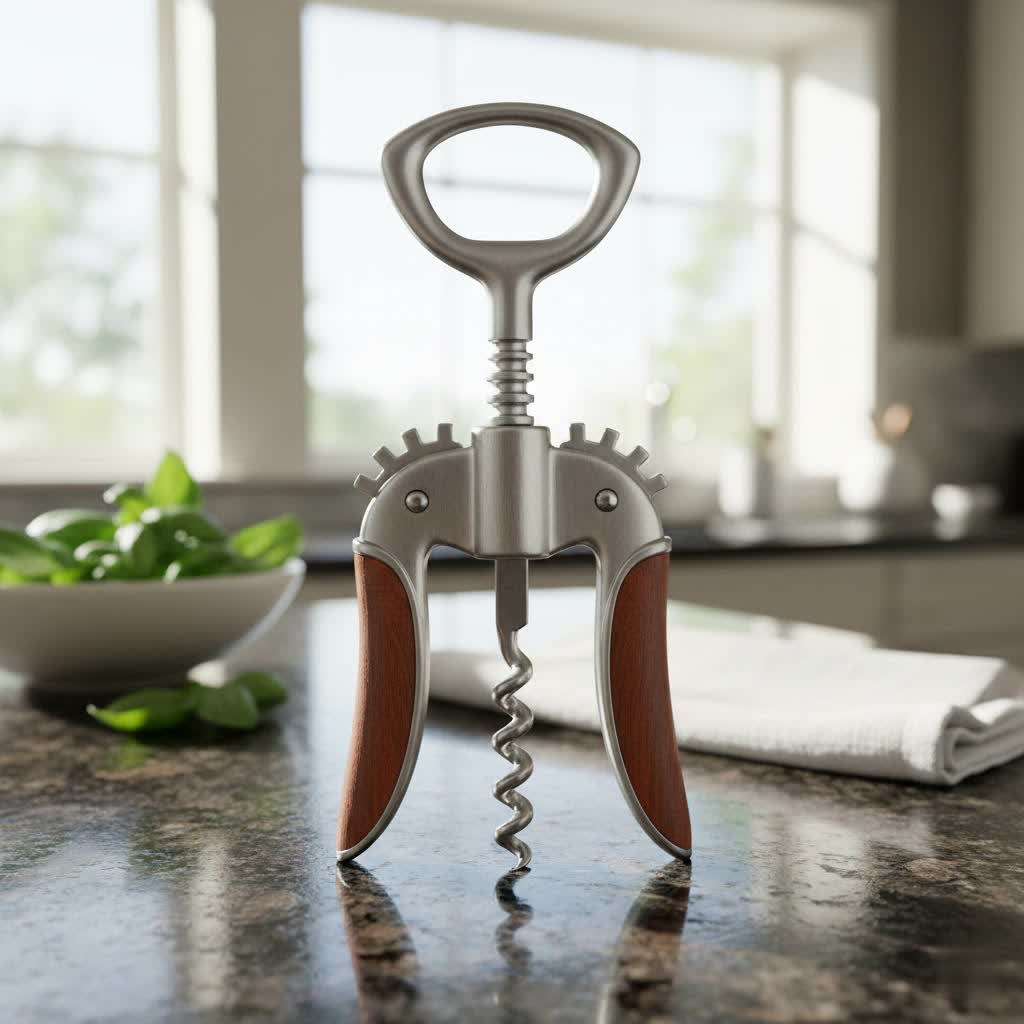
The ritual of opening a fine bottle of wine is an art form, a moment of anticipation before the first sip. For those who appreciate this experience, the tool used to uncork a bottle is as significant as the vintage itself. Enter the Laguiole wine opener—more than just a utensil, it’s a shows heritage, precision, and the refined pleasure of wine. As an expert with over a decade in wine tools, I invite you to explore the world of this iconic instrument, from its storied past to its meticulous craftsmanship and unparalleled elegance.
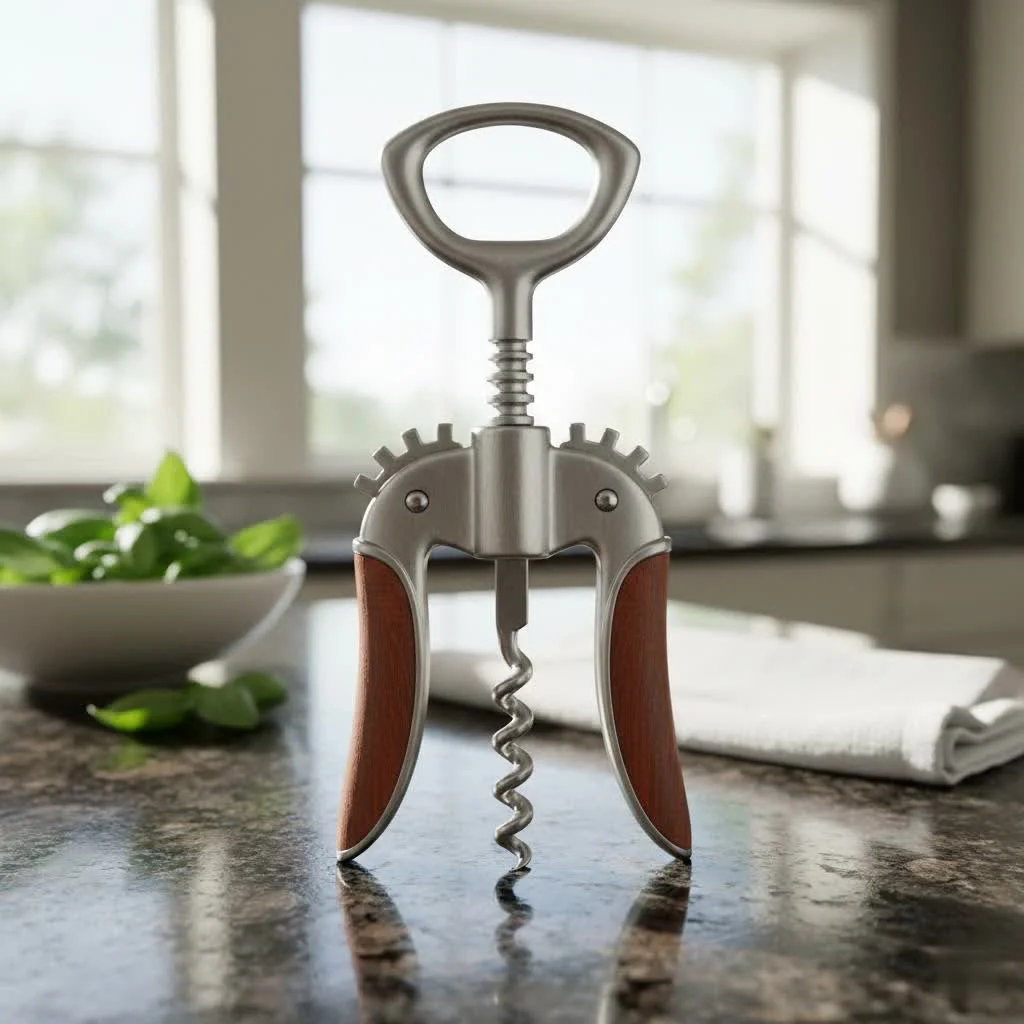
What is a Wine Opener and Why Do You Need One?
A wine opener, at its core, is a specialized tool designed to extract the cork from a wine bottle, allowing you to enjoy the beverage within. While seemingly simple, a quality wine opener is indispensable for any wine enthusiast, ensuring the cork is removed cleanly without crumbling or damaging the wine. It elevates the entire wine-drinking experience from a mundane task to a graceful prelude. For explore our wine accessories reviews on this site.
The history of wine openers is intertwined with the evolution of wine bottling. Early methods often involved pushing corks in or using rudimentary tools. As corks became more prevalent, dedicated openers emerged, transforming from basic levers to sophisticated mechanisms. A quality wine opener is crucial for reliability, preventing frustrating broken corks, and adding a touch of ceremony to every bottle opened.
The Enduring Legacy of the Laguiole Wine Opener
The name “Laguiole” (pronounced “lah-yole”) itself carries a rich history, referring to a picturesque village nestled in the Aubrac region of southern France. This region, already famous for its distinctive pocket knives, became the birthplace of an iconic wine tool. The original Laguiole knife, first crafted by Jean-Pierre Calmels in 1829, was initially a sturdy, versatile folding knife used by local farmers for everyday tasks.
The transformation of this farmer’s knife into a sophisticated wine opener began around 1880. As many farmers from the Aubrac region migrated to Paris, they often found work in the burgeoning bistros and restaurants. There, the need for a reliable corkscrew became evident, leading to the integration of this essential tool into the traditional Laguiole knife design. This evolution birthed the “sommelier knife,” a compact, multi-functional tool prized by wine professionals and enthusiasts alike. A significant milestone in its history was the creation of the Chateau Laguiole in 1993 by French Master Sommelier and Cutler Guy Vialis, marking the first dedicated waiter-style Laguiole corkscrew embraced by the world’s top sommeliers.
One of the most recognizable features of an authentic Laguiole wine opener is the “bee” symbol, often found meticulously forged on the spring mechanism. While its precise origin is debated, two popular stories persist. Some believe it represents the local flies or horseflies common in the cattle-rich Aveyron region. A more romantic tale suggests it is an imperial bee, a symbol bestowed by Napoleon himself to the town of Laguiole, honoring the bravery of its soldiers. Regardless of its true origin, this bee has become an enduring hallmark of Laguiole craftsmanship. “Laguiole” is a generic term for a style of knife and the name and bee symbol were never officially trademarked. This means that while many products bear the name, true authenticity often requires looking for “Made in France” and a certificate of authenticity from a reputable manufacturer, as components can sometimes be made elsewhere and merely assembled in France.
Genuine Laguiole wine openers are renowned for their exceptional craftsmanship. They are often entirely handcrafted in France, with many esteemed pieces completed from start to finish by a single artisan. This dedication to individual craftsmanship ensures a level of quality and attention to detail that is rare in mass-produced items. The materials used are consistently high-grade, including premium stainless steel for the metal components and a variety of noble materials for the handles, such as exotic woods, polished bone, or elegant horn. This combination of traditional artistry and superior materials results in a tool that is not only highly functional but also a beautiful, tactile object to behold and use.
Exploring Common Wine Opener Types (and Where Laguiole Fits In)
The world of wine openers offers a diverse range of designs, each with its unique approach to uncorking a bottle. The Laguiole wine opener primarily falls into the category of a waiter’s corkscrew, also known as a sommelier knife or waiter’s friend. This classic design is celebrated for its elegance, portability, and multi-functionality.
The Laguiole waiter’s corkscrew typically combines three essential tools: a small, sharp knife for cutting the foil capsule, a spiral “worm” for screwing into the cork, and a lever (or “boot lever”) to provide leverage for extraction.
Advantages of the Laguiole Waiter’s Corkscrew:
- Elegance and Design: Its sleek, handcrafted aesthetic, often featuring exquisite handle materials, makes it a statement piece.
- Compact and Portable: Its folding design allows it to fit easily in a pocket or apron, making it ideal for both professional sommeliers and home enthusiasts.
- Multi-functional: It integrates a foil cutter and corkscrew, offering a complete uncorking solution in one tool.
- Precision and Control: With practice, it allows for a delicate and precise cork removal, reducing the risk of breakage.
- Durability and Longevity: Made with high-quality materials and craftsmanship, genuine Laguiole openers are built to last.
- A Sense of Tradition: Using a Laguiole evokes a classic, refined wine experience.
Potential Disadvantages:
- Learning Curve: Mastering the waiter’s corkscrew, especially single-lever models, requires some practice to use smoothly and efficiently.
- Effort Required: Single-step lever designs may demand more physical effort to extract tight corks compared to double-hinged alternatives.
- Foil Cutter: Many traditional Laguiole models feature a non-serrated blade for the foil cutter, which, while capable of a very clean cut, can be slightly more challenging on thicker foils for some users.
- Price Point: As a handcrafted luxury item, Laguiole wine openers are a significant investment compared to more basic options.
How to Use a Laguiole Waiter’s Corkscrew:
- Cut the Foil: Unfold the small knife and carefully cut the foil capsule just below the lip of the bottle. Rotate the bottle while keeping the knife steady. Remove the top part of the foil.
- Insert the Worm: Fold the knife back in. Position the tip of the spiral “worm” precisely in the center of the cork.
- Screw In: Twist the corkscrew clockwise, applying gentle downward pressure. Continue twisting until almost the entire worm (leaving one or two coils visible) is inserted into the cork. Ensure the worm remains centered to avoid piercing the cork’s side.
- Leverage the Cork: Place the first notch of the boot lever firmly against the rim of the bottle’s neck. Hold the lever securely against the bottle and slowly lift the handle upwards. This action will gently pull the cork halfway out. If your Laguiole has a second leverage point (a two-step lever), reposition the second notch against the rim for the final pull.
- Remove the Cork: Once the cork is mostly extracted, gently twist and pull it free by hand to avoid a sudden “pop” sound and maintain elegance.
While Laguiole excels as a waiter’s corkscrew, it’s helpful to understand other common types of wine openers:
- Lever Wine Opener (Rabbit-style): These large, often bulky openers use a lever mechanism to quickly extract corks with minimal effort. They are popular for their speed and ease of use, but can feel less tactile and occupy more counter space.
- Traditional Corkscrew (T-handle): The most basic form, a simple corkscrew handle with a worm. While affordable, it requires considerable pulling force and has a higher risk of breaking or shredding corks if not used carefully.
- Electric Wine Opener: Offering ultimate convenience, these battery-operated devices automatically insert the worm and extract the cork with the push of a button. They are effortless but lack the ritual and elegance of manual openers and are dependent on power.
- Air Pressure Wine Opener: This innovative tool uses a needle to pierce the cork and then injects air into the bottle, pushing the cork out. It’s gentle on fragile corks but requires careful handling to avoid over-pressurizing the bottle.
- Multi-tool Wine Opener: This is a broad category for tools that combine several functions. The Laguiole waiter’s corkscrew, with its integrated foil cutter and bottle opener, is an excellent example of a high-end multi-tool wine opener.
Comparative Analysis of Wine Opener Styles
Choosing the right wine opener often comes down to balancing ease of use, durability, aesthetics, and budget. Here’s a comparative look at different styles, with a focus on where the Laguiole stands.
| Wine Opener Type | Pros | Cons | Price Range (Approx.) | User Experience |
|---|---|---|---|---|
| Laguiole Waiter’s Corkscrew | Elegant, durable, precise, high-quality materials, classic ritual, compact, multi-functional (foil cutter, bottle opener) | Higher cost, often single-step lever (more effort), non-serrated foil cutter can be tricky, requires practice | $50 – $400+ | Prestigious, skilled, rewarding, a piece of art |
| Lever Wine Opener (Rabbit) | Easy and fast, ideal for many bottles | Bulky, less tactile feedback, can be less durable, less elegant | $20 – $100 | Effortless, quick, modern convenience |
| Traditional Corkscrew | Simple, very affordable | Requires significant physical strength, high risk of cork breakage, often flimsy | $5 – $25 | Basic, can be frustrating for beginners |
| Electric Wine Opener | Very easy, minimal effort, fast | Noisy, battery-dependent, lacks elegance, potential for mechanical failure | $25 – $75 | Convenient, modern, hands-off approach |
| Air Pressure Wine Opener | Preserves cork integrity, no pulling force | Can damage fragile corks if not careful, not suitable for all bottles, requires practice | $15 – $50 | Gentle, innovative, less common |
When considering a Laguiole, you are investing in a blend of functional excellence and cultural artistry, a tool designed to be cherished for generations.
Your Guide to Choosing the Perfect Laguiole Wine Opener
Selecting a Laguiole wine opener is a highly personal journey, reflecting not just your practical needs but also your appreciation for craftsmanship and tradition. With many options available, here are the key factors to consider.
Material
|
Our Picks for the Best Wine Opener in 2026
As an Amazon Associate I earn from qualifying purchases.
|
||
| Num | Product | Action |
|---|---|---|
| 1 | Beneno Wine Opener, Zinc Alloy Premium Wing Corkscrew with Multifunctional Bottles Opener, Sharp Wine Corkscrew with Ergonomic Non-Slip Wing Handle, Silver |

|
| 2 | OXO SteeL Winged Corkscrew with Removable Foil Cutter |
|
| 3 | OXO Steel Vertical Lever Corkscrew with Removable Foil Cutter |
|
| 4 | Oster Cordless Electric Wine Bottle Opener with Foil Cutter, Silver |
|
| 5 | Cap Opener, Fun Bottle Opener for Parties and Gatherings, Creative Design Launches Caps at BBQs, Portable Entertainment for Outdoor Activities, Available in Red, Black, Blue |
|
| 6 | KORCCI Wine Opener, Heavy-Duty Zinc Alloy Wing Corkscrew, Premium Beer Bottle Opener, Multifunctional Wine Accessories with Ergonomic Handle and Sharp Screw, for Kitchen, Bar, Restaurant, Bartenders |
|
| 7 | GORILLA GRIP BPA-Free Premium Wine Opener, Heavy Duty Zinc Alloy Wing Corkscrew, Multifunctional Bottle Openers Remove Corks, Caps, Easy Use Sharp Cork Screw, Dishwasher Safe, Holiday Essential, Black |
|
| 8 | Cuisinart CWO-25 Electric Wine Opener, Stainless Steel 3.50" x 4.75" x 10.00" |
|
| 9 | Wino Wine Key! - Professional Sommelier's Corkscrew Wine Opener |
|
| 10 | Secura Electric Wine Opener, Automatic Electric Wine Bottle Corkscrew Opener with Foil Cutter, Rechargeable (Stainless Steel) |
|
The materials used in a Laguiole wine opener are central to its quality, durability, and aesthetic appeal.
- Stainless Steel: The metal components, including the corkscrew, lever, and frame, are typically made from high-grade stainless steel. This material offers excellent durability, corrosion resistance, and ensures a clean, smooth operation.
- Handle Materials: This is where Laguiole truly shines, offering a vast array of luxurious and natural options.
- Precious Woods: Popular choices include olivewood, rosewood, snakewood, and even reclaimed oak wine barrel staves. Wood handles provide a warm, natural grip that ages beautifully, developing a unique patina over time. Each piece is distinct due to the natural grain.
- Horn: Buffalo horn, ram horn, and even exotic materials like mammoth tusk are used. Horn handles offer a smooth, distinctive feel and appearance, often with unique color variations. They are robust but require care to prevent drying or cracking.
- Bone: Polished bone handles offer a classic, elegant look, often a creamy white or subtly textured finish.
- Acrylic/Resin: While less traditional, some Laguiole-style openers use high-quality acrylics for vibrant colors and modern aesthetics, offering durability and resistance to moisture.
Durability
A genuine Laguiole wine opener is an investment built to last. Its durability stems from several factors:
- Hand-Assembled Construction: Each component is meticulously fitted and assembled by skilled artisans, ensuring tight tolerances and robust construction.
- Forged Components: Key parts, like the spring and bee, are often forged, increasing their strength and longevity.
- Quality of Steel: High-performance stainless steel resists wear and tear, even with frequent use.
- Warranty: Reputable Laguiole brands, such as Laguiole en Aubrac and Chateau Laguiole, often provide a limited lifetime warranty covering manufacturing defects, reflecting their confidence in the product’s longevity.
Ease of Use
While Laguiole waiter’s corkscrews are generally considered easy to use after some practice, certain design elements can influence the experience:
- Lever Design: Traditional Laguiole models often feature a single-step lever. While effective and elegant, some users, particularly those with less hand strength or facing very stubborn corks, might prefer a double-hinged (two-step) lever for increased leverage and smoother extraction. Some modern Laguiole designs, like the Laguiole Magnum, incorporate a patented two-step boot lever.
- Worm Design: A well-designed worm (the spiral part) should be sharp, have appropriate spacing between coils, and a smooth taper to penetrate the cork cleanly without tearing. Grooved worms can help reduce friction.
- Ergonomics: The handle’s shape, size, and weight contribute significantly to comfort and grip. A well-balanced Laguiole feels natural in the hand, making the uncorking process a pleasure.
Price
Laguiole wine openers range significantly in price, reflecting the craftsmanship, materials, and brand prestige.
- Entry-Level Genuine: You can find genuine, well-made Laguiole-style openers starting from around $50-$100.
- Mid-Range Artisanal: Most artisanal pieces from renowned makers with exotic wood or horn handles typically fall into the $150-$300 range.
- High-End Collector’s Items: Rare materials, intricate hand-filing, or specific artisan signatures can push prices to $400 or more.
It’s crucial to be wary of extremely cheap “Laguiole” products, which are often imitations made with inferior materials and craftsmanship. Investing in a higher-priced, genuine model ensures you receive a tool that delivers on quality and heritage.
Brand Reputation
Choosing a reputable brand is paramount to ensure you’re acquiring an authentic, high-quality Laguiole.
- Laguiole en Aubrac: Known for their extensive range of handle materials and traditional, artisanal approach. Each piece is a unique work of art.
- Chateau Laguiole: Created by Master Sommelier Guy Vialis, these are often considered among the finest professional sommelier corkscrews, prized for their ergonomics and performance.
- Forge de Laguiole: Handcrafted in the actual village of Laguiole, these models are revered for their strict adherence to traditional methods and the iconic shepherd’s cross.
Always look for evidence of French origin and a strong brand history to ensure you are buying a genuine piece that upholds the esteemed reputation of Laguiole craftsmanship.
Top Laguiole Wine Openers Loved by Connoisseurs
For the discerning wine enthusiast, certain Laguiole wine openers consistently stand out for their exceptional quality, design, and performance. Here are some of the most celebrated models:
Laguiole en Aubrac Sommelier Waiter’s Corkscrew
This iconic model embodies the quintessential Laguiole experience. Handcrafted in the Aubrac region of France, each Laguiole en Aubrac Sommelier is a unique piece, often made by a single artisan from start to finish.
- Key Features: It typically includes a strong, five-coil spiral worm, a precise foil cutter (often non-serrated for a cleaner cut), and a single-step lever for smooth cork extraction. The handles are available in an astounding array of noble materials, including various exotic woods (like snakewood, olivewood), buffalo horn, bone, and even fossilized materials, making each piece a personal statement.
- Why Connoisseurs Love It: Its traditional craftsmanship, ergonomic design, and the sheer variety of exquisite handle options make it a favorite for those who value both function and artistry. It’s often chosen as a collector’s item or a cherished gift.
Chateau Laguiole Origine Waiter’s Corkscrew
Designed by French Master Sommelier Guy Vialis in 1993, the Chateau Laguiole is often credited as the first true sommelier-specific Laguiole corkscrew, quickly becoming a global standard for professionals.
- Key Features: It features a distinctive elegant curve, a patented double-hinged lever (on some models, providing superior leverage), and a Teflon-coated worm for smoother penetration. Handles are often made from unique materials like reclaimed oak staves from wine barrels, giving each piece a story. It also includes a sharp, dented knife blade for clean foil cutting.
- Why Connoisseurs Love It: Its design was specifically engineered with professional use in mind, balancing traditional aesthetics with enhanced functionality for frequent uncorking. The unique handle materials add a layer of sophistication and connection to wine culture.
Forge de Laguiole Sommeliers
Handmade directly in the village of Laguiole, Forge de Laguiole upholds the strictest traditional standards of French cutlery. Their sommeliers are revered for their authenticity and robust build.
- Key Features: These corkscrews often feature the traditional shepherd’s cross on the handle, a symbol of the region. They are created in collaboration with professional sommeliers, ensuring ergonomic excellence and efficient design. The metal components are crafted from high-quality stainless steel, and handles come in classic materials such as exotic woods, horn, and even stabilized woods. They have received prestigious accolades like the “Prix Design Plus.”
- Why Connoisseurs Love It: Forged in the historical home of Laguiole, these pieces offer an unparalleled connection to the brand’s origins. Their commitment to artisanal integrity and professional-grade performance makes them a top choice for those seeking an authentic and highly functional tool.
Laguiole Magnum Two-Step Corkscrew
A more contemporary interpretation, the Laguiole Magnum is designed for those who appreciate the Laguiole aesthetic but seek enhanced leverage and modern functionality.
- Key Features: This model stands out with its patented one-piece two-step boot lever, which offers significantly improved leverage for effortless cork removal. It features a non-serrated foil cutter, designed for easy resharpening and a clean cut. Its larger size and heavier feel contribute to its ergonomic appeal and robust performance. Like other Laguiole brands, it is 100% Made in France.
- Why Connoisseurs Love It: It offers the best of both worlds – the classic Laguiole elegance and craftsmanship combined with a highly efficient two-step lever system, making it incredibly user-friendly even for stubborn corks.
Each of these Laguiole wine openers represents a pinnacle of design and utility, offering not just a tool, but an extension of the wine lover’s passion.
Essential Tips for Using and Caring for Your Laguiole
Your Laguiole wine opener is a precision instrument, designed to bring years of joy and effortless wine experiences. Proper usage and diligent care will ensure its longevity and performance, maintaining its beauty and functionality for a lifetime.
Proper Usage
Mastering the art of uncorking with a Laguiole enhances both the experience and the tool’s lifespan.
- Foil Cutting: Begin by unfolding the small knife blade. Place the cutter just below the lip of the wine bottle, securing it firmly. Rotate the bottle, not the knife, to make a clean, even cut around the capsule. Lift off the foil top and discard it. Avoid sawing motions, which can leave jagged edges or damage the blade.
- Inserting the Worm: Retract the knife. Position the tip of the corkscrew’s “worm” precisely in the center of the cork. Begin twisting clockwise, applying gentle downward pressure. Ensure the worm remains vertical and centered as it penetrates the cork. Continue twisting until only one or two turns of the spiral remain visible above the cork’s surface. Avoid over-inserting, which can push cork fragments into the wine or through the bottom of the cork.
- Leverage for Extraction: Place the first notch of the boot lever securely on the rim of the bottle’s neck. Hold the lever firmly against the bottle. With a steady, upward motion, slowly lift the handle. This action will gently draw the cork halfway out. If your Laguiole features a two-step lever, reposition the second notch onto the bottle rim for the final stage, repeating the upward lift. This multi-step process minimizes cork breakage and provides controlled extraction.
- Final Cork Removal: Once the cork is mostly clear of the bottle, gently twist it the rest of the way out by hand. This avoids a sudden “pop,” which can be jarring and less elegant, preserving the cork intact.
Maintenance
Caring for your Laguiole, especially those with natural handle materials, requires a delicate touch.
- Cleaning: After each use, wipe down all metal components, especially the worm, with a soft, damp cloth to remove any cork residue or wine stains. For handles made of natural materials like wood or horn, avoid submerging them in water or using harsh detergents. A simple wipe with a slightly damp cloth followed by immediate drying is sufficient.
- Lubrication: If the hinges or the worm feel stiff over time, apply a tiny drop of food-grade mineral oil to the pivot points and along the worm. Operate the tool a few times to distribute the oil, then wipe away any excess. This keeps the mechanism smooth and prevents corrosion.
- Storage: Always store your Laguiole wine opener in a dry place, ideally in its original presentation box or a protective leather sheath. This prevents scratches, protects delicate handle materials from humidity fluctuations, and keeps it free from dust and debris.
- Foil Cutter Sharpening: For Laguiole models with non-serrated foil cutters, you can occasionally sharpen the blade using a fine sharpening stone or ceramic rod if it becomes dull. This ensures a consistently clean cut.
By following these simple guidelines, your Laguiole wine opener will remain a beautiful, reliable, and cherished tool for countless wine moments to come.
Conclusion
The Laguiole wine opener transcends its utilitarian purpose, embodying a harmonious blend of French artistry, rich history, and exceptional functionality. From its humble beginnings as a farmer’s knife in the Aubrac region to its current status as a sommelier’s revered companion, it stands as a shows enduring craftsmanship. Each meticulously handcrafted piece, adorned with the iconic “bee” and fashioned from noble materials, offers a unique tactile experience, elevating the simple act of uncorking a bottle into a moment of sophisticated ritual.
Investing in a genuine Laguiole means acquiring a durable, precise, and elegant tool designed to last a lifetime, enriching your wine journey with every use. It’s not merely about opening wine; it’s about connecting with centuries of tradition and appreciating the finer details in life. Which exquisite Laguiole will become your trusted companion on your next wine adventure?
Frequently Asked Questions
What makes a Laguiole wine opener unique?
A Laguiole wine opener stands out due to its rich French heritage, handcrafted construction often by a single artisan, and the use of noble materials for its handle. Each piece features distinctive design elements, making it both a functional tool and a collector’s item, embodying centuries of tradition in winemaking and cutlery.
How can I identify an authentic Laguiole wine opener?
To ensure authenticity, look for a “Made in France” engraving, not “Imported from France.” Genuine Laguiole wine openers often come with a certificate of authenticity and are produced by reputable brands like Laguiole en Aubrac, Forge de Laguiole, or Chateau Laguiole, known for their meticulous craftsmanship and quality materials.
Is a Laguiole wine opener suitable for professional sommeliers?
Yes, Laguiole wine openers, particularly those from brands like Chateau Laguiole, were designed in collaboration with and are favored by many professional sommeliers worldwide. Their precision, balance, and durable construction make them reliable for frequent use, though some sommeliers might prefer double-hinged designs for faster operation.
Are Laguiole wine openers durable?
High-quality Laguiole wine openers are renowned for their durability. Crafted from premium stainless steel and often featuring solid handles of wood, horn, or bone, they are built to last a lifetime. Many genuine brands offer a limited lifetime warranty, ensuring their longevity with proper care.
Get our weekly buyer guide
Practical specs, not advice. Unsubscribe anytime.

I finally got myself a Laguiole after reading about its craftsmanship. It feels incredibly sturdy and well-made, and the heritage aspect is really cool. It’s definitely a step up from my old opener, and I appreciate how smoothly it extracts even stubborn corks. My only minor quibble is that it took a little getting used to the two-step lever system, but now it’s second nature.
I was excited to try the Laguiole wine opener after hearing so much about its elegance. While it’s certainly a beautiful tool and feels good in the hand, I found the worm to be a bit thicker than I’m used to, which sometimes makes it a little harder to get started in the cork. It still gets the job done, but it’s not quite as effortless as I hoped it would be for the price point.
This opener is fantastic! I used to dread opening bottles with synthetic corks, but the Laguiole handles them with ease. The design is also stunning, and it feels like a really premium product. It’s clear why experts recommend it; it’s not just a tool, it’s part of the wine ritual now.
I’ve always struggled with cheap corkscrews, but the Laguiole opener is a game-changer. The precision it offers really makes a difference, and I haven’t had a single crumbled cork since I started using it. It truly elevates the whole experience of opening a bottle of wine, just like the post mentioned. Definitely worth the investment for any wine lover.