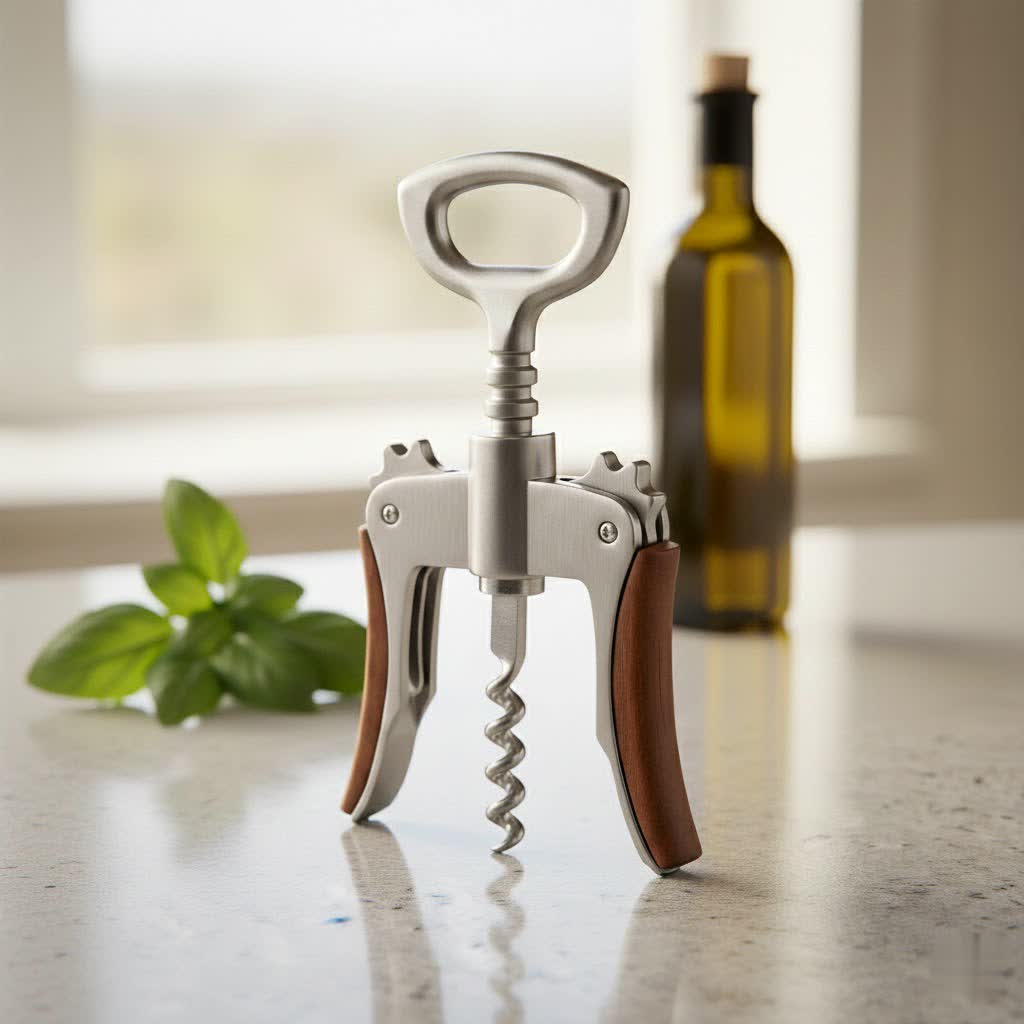
Opening a bottle of wine should be a moment of anticipation, not frustration. Whether you’re a seasoned sommelier or an occasional enthusiast, the right wine opener can transform this simple task into a seamless experience. In this comprehensive guide, we’ll delve into the world of wine openers, exploring different types, their unique benefits, and essential factors to consider when choosing your perfect companion for those delightful bottles of wine. Let’s uncork the secrets to effortless wine enjoyment together.
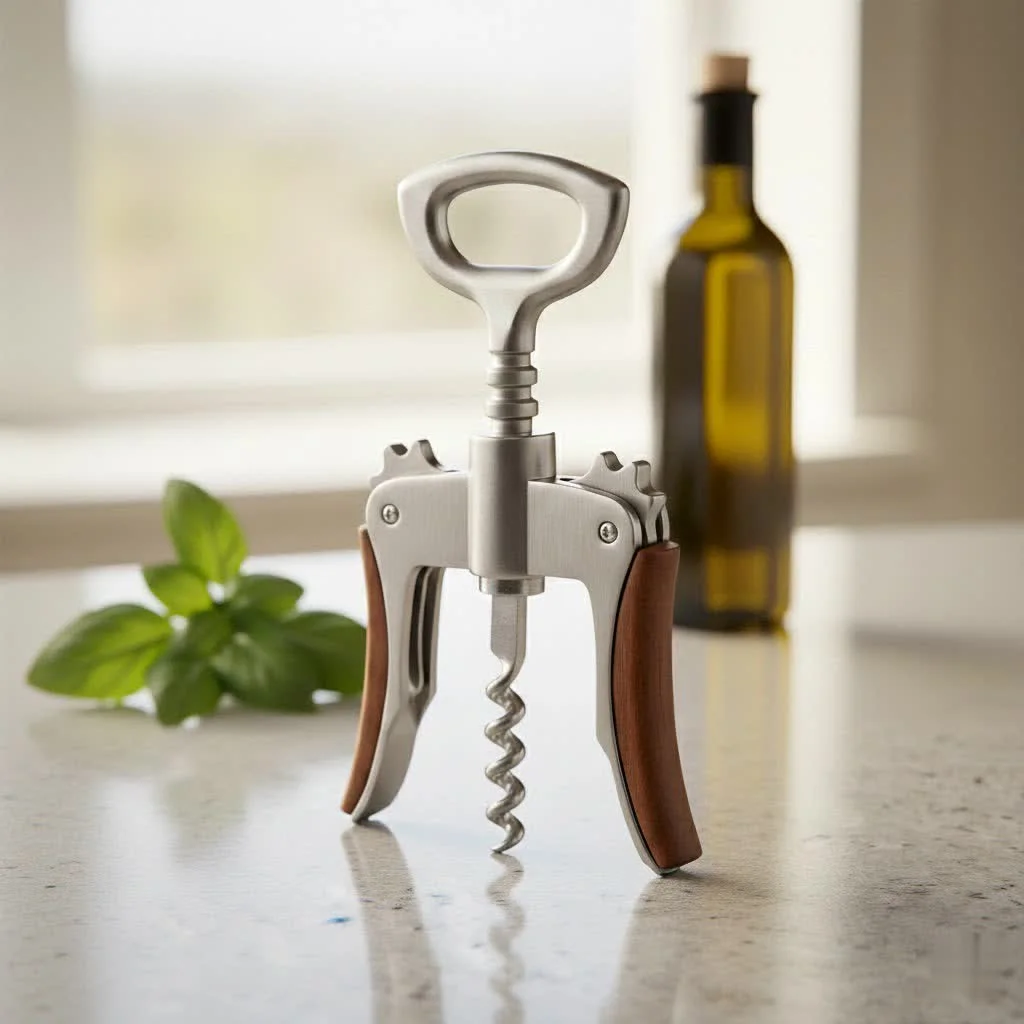
What is a Wine Opener and Why Do You Need One?
A wine opener, also commonly known as a corkscrew or bottle opener, is an essential tool designed to extract corks from wine bottles. Its primary purpose is to provide leverage and a secure grip, allowing for the smooth removal of corks without damaging the bottle or the cork itself. From humble beginnings, these tools have evolved significantly, moving from simple pointed screws to sophisticated electric devices. For wine accessories buying guides on this site.
The history of the wine opener is as rich as wine itself, adapting over centuries to improve efficiency and ease of use. Early methods of opening wine bottles were often crude, involving knives or even heat. The invention of the corkscrew revolutionized wine consumption, making it accessible and enjoyable for a broader audience. For any wine lover, a quality wine opener is not merely a gadget; it’s an investment in a consistent, enjoyable wine-drinking experience. It prevents broken corks, minimizes effort, and ensures that every bottle is opened with grace.
Popular Types of Wine Openers on the Market
The market offers a diverse array of wine openers, each with its own mechanism and ideal use case. Understanding the different types is key to finding one that suits your personal preference and needs.
Lever Wine Opener (Rabbit-style)
Lever wine openers, often recognized by their “Rabbit” style design, are renowned for their ease of use and speed. They feature a sturdy clamping mechanism and a long lever that, when pushed down and then pulled up, effortlessly inserts the screw into the cork and then extracts it.
- Pros: Incredibly simple to use, requires minimal hand strength, fast, and often comes with a foil cutter. Many testers find them enjoyable to operate due to their mechanical advantage.
- Cons: Can be bulky for storage, often requires two hands, and can be relatively expensive. Some models may feel large or overcomplicated.
- How to Use: Clamp the opener firmly over the bottleneck. Push the lever down to insert the worm into the cork, then pull the lever up to smoothly extract the cork.
Corkscrew Wine Opener (Waiter’s Friend and Twist-style)
|
Our Picks for the Best Wine Opener in 2026
As an Amazon Associate I earn from qualifying purchases.
|
||
| Num | Product | Action |
|---|---|---|
| 1 | OXO SteeL Winged Corkscrew with Removable Foil Cutter |

|
| 2 | Oster Cordless Electric Wine Bottle Opener with Foil Cutter, Silver |
|
| 3 | Cap Opener, Fun Bottle Opener for Parties and Gatherings, Creative Design Launches Caps at BBQs, Portable Entertainment for Outdoor Activities, Available in Red, Black, Blue |
|
| 4 | KORCCI Wine Opener, Heavy-Duty Zinc Alloy Wing Corkscrew, Premium Beer Bottle Opener, Multifunctional Wine Accessories with Ergonomic Handle and Sharp Screw, for Kitchen, Bar, Restaurant, Bartenders |
|
| 5 | GORILLA GRIP BPA-Free Premium Wine Opener, Heavy Duty Zinc Alloy Wing Corkscrew, Multifunctional Bottle Openers Remove Corks, Caps, Easy Use Sharp Cork Screw, Dishwasher Safe, Holiday Essential, Black |
|
| 6 | OXO Steel Vertical Lever Corkscrew with Removable Foil Cutter |
|
| 7 | Secura Electric Wine Opener, Automatic Electric Wine Bottle Corkscrew Opener with Foil Cutter, Rechargeable (Stainless Steel) |
|
| 8 | Wino Wine Key! - Professional Sommelier's Corkscrew Wine Opener |
|
| 9 | Beneno Wine Opener, Zinc Alloy Premium Wing Corkscrew with Multifunctional Bottles Opener, Sharp Wine Corkscrew with Ergonomic Non-Slip Wing Handle, Silver |
|
| 10 | Cuisinart CWO-25 Electric Wine Opener, Stainless Steel 3.50" x 4.75" x 10.00" |
|
This category encompasses the classic designs that have been around for centuries, ranging from the professional waiter’s corkscrew to simpler twist models.
Waiter’s Corkscrew (Wine Key)
A favorite among sommeliers and bartenders, the waiter’s corkscrew is a compact, multi-functional tool. It typically features a spiral “worm,” a small knife for cutting foil, and a lever (often double-hinged) that rests on the bottle lip to provide leverage.
- Pros: Pocket-sized, portable, affordable, and highly efficient with practice. The integrated foil cutter adds convenience.
- Cons: Requires some hand strength and technique to master, which can be challenging for novices or those with limited dexterity.
- How to Use: Use the small knife to cut the foil around the bottleneck. Twist the worm into the center of the cork until only one spiral is visible. Place the first leverage notch on the bottle rim and pull the handle up, partially extracting the cork. Then, use the second notch (if present) to fully remove the cork.
Twist Corkscrew
Twist-style openers sit directly on top of the bottle. You simply twist a handle, which drives the worm into the cork and simultaneously pulls it out as it descends.
- Pros: Easier on hands and wrists than a waiter’s corkscrew, simple, and straightforward.
- Cons: Generally larger than waiter’s corkscrews, may still require some finger strength and wrist twisting.
- How to Use: Center the opener over the cork. Grasp the bottle firmly and twist the handle clockwise until the cork is fully extracted.
Electric Wine Opener
Electric wine openers provide the ultimate convenience, making cork removal a virtually effortless task. These battery-operated devices automatically drive the corkscrew into the cork and then reverse to extract it with the touch of a button.
- Pros: Extremely easy to use, requires zero physical strength, and often includes a viewing chamber and LED lights for visibility.
- Cons: Requires charging, can take up counter space, and some models might struggle with delicate or crumbling corks if not perfectly aligned. Can be more expensive than manual options.
- How to Use: Place the electric opener vertically over the cork. Press the “down” button to insert the corkscrew, then the “up” button to remove the cork.
Air Pressure Wine Opener
Air pressure wine openers use a needle that’s inserted through the cork. By pumping air into the bottle, the pressure builds up and pushes the cork out.
- Pros: Very easy to use with minimal effort, effective in most situations, and often results in a satisfying “pop.” Can be operated with one hand.
- Cons: Requires careful dismantling for cleaning, and improper use can push the cork into the bottle or potentially damage it. The sharp needle might concern some users.
- How to Use: Insert the needle through the center of the cork until it’s fully inside the bottle. Pump the handle gently several times until the cork pops out.
Two-Prong Cork Puller (Ah-So / Butler’s Friend)
This elegant tool, often called an “Ah-So” or “Butler’s Friend,” is distinguished by its two metal prongs that slide between the cork and the bottle neck. It’s particularly favored for older, delicate corks because it removes them without piercing.
- Pros: Ideal for fragile or vintage corks, as it extracts them intact without damage. Allows for potential recorking. Elegant and popular with industry professionals.
- Cons: Has a significant learning curve and requires technique. Careless users might push the cork further into the bottle.
- How to Use: Insert the longer prong between the cork and the bottle, then the shorter one. Wiggle and push down both prongs simultaneously until they are fully seated. Gently twist and pull upwards to extract the cork.
Comparison Table of Wine Openers
Choosing the best wine opener depends on your priorities. This table provides a quick overview of popular types.
| Type of Wine Opener | Advantages | Disadvantages | Price Range (Approx.) | Overall Rating |
|---|---|---|---|---|
| Lever (Rabbit) | Easy, fast, minimal strength | Bulky, can be pricey, two-handed operation | $25 – $60+ | Excellent |
| Waiter’s Corkscrew | Compact, portable, affordable, versatile | Requires technique/dexterity, two hands needed | $10 – $30+ | Very Good |
| Twist Corkscrew | Simple, easier on wrists than waiter’s | Larger, less portable | $15 – $30 | Good |
| Electric | Effortless, no strength required, modern | Requires charging, can be bulky, pricey | $25 – $100+ | Excellent |
| Air Pressure | Unique, easy, one-handed possible | Learning curve, potential mess, sharp needle | $15 – $40 | Good |
| Two-Prong (Ah-So) | Best for vintage/delicate corks, no piercing | Steep learning curve, not for quick opening | $20 – $50 | Niche/Specialized |
Factors to Consider When Buying a Wine Opener (Buying Guide)
Selecting the perfect wine opener involves more than just picking a favorite design. Several factors play a crucial role in its performance, durability, and overall user experience.
Material
The materials used in a wine opener significantly impact its durability, feel, and aesthetic appeal.
- Stainless Steel: Pros: Highly durable, corrosion-resistant, provides a premium feel, easy to clean. Cons: Can be heavier, may increase cost.
- Zinc Alloy/Die-Cast Metal: Pros: Strong, allows for intricate designs, good weight. Cons: Can be prone to scratching or chipping if not coated well.
- Plastic/Polycarbonate: Pros: Lightweight, affordable, allows for ergonomic grips. Cons: Less durable than metal, can feel flimsy, may not last as long.
- Wood: Pros: Aesthetic appeal, comfortable grip. Cons: Requires more care, can be susceptible to moisture damage.
When choosing, consider a balance between durability and comfort. Stainless steel worms are generally preferred for strength and smooth insertion.
Durability
A good wine opener should be a long-term investment. To gauge durability:
- Construction: Look for solid construction with minimal moving parts that feel loose. Metal components generally indicate better longevity than plastic.
- Worm Quality: The worm (spiral screw) should be sharp, strong, and made of hardened steel to resist bending or dulling. A good worm design can prevent cork crumbling.
- Hinges/Levers: For waiter’s and lever-style openers, check that hinges are robust and operate smoothly without excessive play.
- Maintenance: Regularly clean your wine opener. For electric models, ensure proper charging and avoid dropping them. Manual openers can often be wiped clean with a damp cloth.
Ease of Use
This is often the most critical factor, especially for those who open wine frequently or have limited hand strength.
- Design and Ergonomics: A comfortable grip and balanced weight can make a significant difference. Consider the size and shape in relation to your hand.
- Mechanism: Lever and electric openers are generally the easiest, requiring minimal strength. Waiter’s corkscrews and two-prong pullers demand more technique and practice.
- Physical Ability: If you have arthritis or reduced hand dexterity, electric or lever-style openers are often the best choices.
- Foil Cutter: An integrated or easy-to-use separate foil cutter streamlines the opening process.
Price
Wine openers range widely in price, from budget-friendly options to luxurious, high-end tools.
- Budget-Friendly ($10-$25): Good quality waiter’s corkscrews and basic twist openers can be found in this range. They are reliable for occasional use.
- Mid-Range ($25-$60): This segment offers more robust waiter’s corkscrews, decent electric models, and many lever-style openers. You often get better materials and enhanced features.
- High-End ($60+): Premium electric openers, finely crafted waiter’s corkscrews (like Laguiole), and specialized tools for connoisseurs. These often boast superior aesthetics, durability, and advanced features.
Consider your frequency of use and how much you value convenience and aesthetics when setting your budget.
Brand
Reputable brands often guarantee better quality, durability, and customer support. Look for brands known for their kitchen tools or wine accessories.
- Established Brands: Brands like OXO, Rabbit, Peugeot, Pulltap’s, and Secura frequently appear in “best-of” lists and user reviews, indicating consistent performance.
- Why Brand Matters: Choosing from trusted brands reduces the risk of flimsy construction or poor performance. These companies often invest in research and development to improve their products and offer better warranties.
Top 7 Wine Openers Favored Today
Based on expert testing and user reviews, here are some of the most highly-regarded wine openers currently available:
-
Pulltap’s Double-Hinged Waiter’s Corkscrew:
- Description: This classic waiter’s corkscrew is a favorite among professionals for its compact design and reliable performance. It features a sharp worm, a double-hinged fulcrum for excellent leverage, and an integrated foil cutter.
- Pros: Time-tested, durable, pocket-sized, effective on various corks.
- Cons: Requires practice and technique to use efficiently.
- Price: ~$10-$25
-
Demenades Wine Opener Kit (Lever Style):
- Description: An elegant and incredibly easy-to-use lever-style opener, often praised for its strong visual appeal and smooth operation. It typically comes as a kit with accessories like a foil cutter, wine stopper, and pourer.
- Pros: Effortless cork removal, visually striking design, suitable for all hand strengths.
- Cons: Bulky for storage, requires two hands.
- Price: ~$40-$60
-
Secura Rechargeable Electric Wine Opener:
- Description: This cordless electric opener simplifies cork removal to a single button press. It features a transparent base and often an LED light for easy viewing.
- Pros: Extremely easy and intuitive, no strength required, can open many bottles on a single charge.
- Cons: Requires charging, plastic base can be hard to clean, can crumble cork if not aligned well.
- Price: ~$25-$40
-
OXO Steel Double Lever Waiter’s Corkscrew:
- Description: A comfortable and well-designed waiter’s corkscrew featuring a grippy rubber handle and nicely spaced fulcrums for superior leverage. It often includes a very sharp, effective foil cutter.
- Pros: Ergonomic, comfortable to use, precise foil cutter, good leverage.
- Cons: Slightly larger than some waiter’s corkscrews.
- Price: ~$20-$30
-
Rabbit Original Lever Corkscrew Wine Opener:
- Description: One of the original and most well-known lever-style openers, celebrated for its smooth, quick cork removal. Often comes with a separate foil cutter and a replacement worm.
- Pros: Highly effective, minimal effort, durable.
- Cons: Large, can be bulky, and sometimes pricey.
- Price: ~$30-$55
-
Wine Ziz Air Pressure Pump Bottle Opener:
- Description: This unique opener uses air pressure to pop corks out. It includes a protective casing for the needle and often a separate foil cutter.
- Pros: Very easy to use, satisfying “pop,” effective for various cork types.
- Cons: Requires care with the needle, can push cork into the bottle if not careful, requires cleaning.
- Price: ~$15-$25
-
Monopol Westmark Two-Prong Cork Puller:
- Description: Also known as an “Ah-So,” this elegant tool uses two prongs to extract corks without piercing them, making it perfect for fragile or aged corks.
- Pros: Preserves delicate corks, enables recorking, sophisticated design.
- Cons: Has a notable learning curve, can be tricky for first-time users.
- Price: ~$25-$40
Tips for Using and Maintaining Your Wine Opener
Proper use and care can significantly extend the life of your wine opener and ensure a smooth wine-opening experience every time.
Correct Usage Tips
- Foil Removal: Always remove the foil cap cleanly before attempting to extract the cork. Use the integrated cutter or a separate foil cutter for a neat edge.
- Center the Worm: For corkscrews, ensure the worm is inserted directly into the center of the cork. This prevents the cork from breaking or crumbling.
- Gentle and Steady Pressure: Whether using a manual or electric opener, apply steady, even pressure. Avoid jerky movements, especially with older corks.
- Leverage Wisely: For waiter’s corkscrews, use the fulcrums correctly to gain maximum leverage, minimizing strain on your wrist and the cork.
- Air Pressure Caution: With air pressure openers, ensure the needle is fully through the cork but not into the wine itself to avoid a spray. Practice on a low-stakes bottle first.
- Vintage Corks: For very old or fragile corks, consider using a two-prong cork puller (“Ah-So”) to avoid piercing and potentially breaking the cork.
Maintenance and Care
- Clean Regularly: Wipe down your wine opener after each use, especially if there’s any wine residue or cork dust. For electric models, follow manufacturer instructions for cleaning the worm chamber.
- Dry Thoroughly: Ensure all metal parts are completely dry before storing to prevent rust or corrosion.
- Store Properly: Keep your wine opener in a drawer, on a counter stand, or in its original case to protect it from damage and keep its components clean. Avoid throwing it loosely in a crowded drawer where parts could bend or break.
- Replace Worms/Cartridges: Some lever-style openers come with replacement worms, which should be changed if the original becomes dull or bent. Air pressure openers require CO2 cartridge replacements.
- Check for Wear: Periodically inspect your opener for any signs of wear and tear, such as bent worms, loose hinges, or dull foil cutters, and address them promptly.
“A truly great wine opener is one that feels like an extension of your hand, effortlessly transforming a sealed bottle into a shared pleasure. It’s about precision, ease, and respecting the wine within.” – Admin, Founder of reviewmunz.com
Conclusion
Choosing the best wine opener is a personal journey that blends functionality with individual preference. From the classic elegance of a waiter’s corkscrew to the modern convenience of an electric model, each type offers distinct advantages for uncorking your favorite vintages. By considering factors like material, durability, ease of use, and your budget, you can find a wine opener that not only meets your practical needs but also enhances your overall wine experience. With the right tool in hand, every bottle of wine promises to be opened with ease, setting the perfect tone for enjoyment. Which wine opener will become your trusted companion for countless toasts to come?
Frequently Asked Questions
What is the easiest wine opener to use for someone with limited hand strength?
Electric wine openers are generally considered the easiest to use as they require no physical strength or twisting. Lever-style openers, like the Rabbit or Demenades, are also excellent choices for minimal effort due to their mechanical advantage.
How do I open a bottle of wine with a crumbling cork?
For crumbling or delicate corks, a two-prong cork puller (Ah-So/Butler’s Friend) is highly recommended. It extracts the cork without piercing it, greatly reducing the chance of further breakage. Avoid traditional corkscrews which can push fragments into the wine.
Are expensive wine openers always better?
Not necessarily. While higher-priced wine openers often feature premium materials, advanced designs, and enhanced durability, excellent and reliable options can be found across various price points. The “best” opener depends on your specific needs and how often you’ll use it, rather than just the cost.
Can I clean an electric wine opener?
Yes, most electric wine openers can be cleaned, though specific instructions vary by model. Typically, you can wipe the exterior with a damp cloth. For the corkscrew mechanism, some have removable parts for cleaning, or you may need to use a small brush to remove cork residue. Always consult the manufacturer’s guide.
What is the “worm” on a wine opener?
The “worm” is the spiral metal screw part of a corkscrew that is inserted into the cork. A well-designed worm is sharp, strong, and has the right number of curves to grip the cork securely without tearing or crumbling it during extraction.
Get our weekly buyer guide
Practical specs, not advice. Unsubscribe anytime.
