Opening a bottle of wine should be a moment of anticipation, a smooth prelude to enjoying your favorite vintage. Yet, a stubborn cork or a cumbersome opener can quickly turn that joy into frustration. For over a decade, as a dedicated technician and administrator of reviewmunz.com, I’ve delved deep into the world of wine openers, testing countless models from timeless classics to the latest innovations. My goal is to share unbiased insights and practical advice, helping you discover the perfect companion for your wine journey. Let’s uncork the secrets to choosing the best wine opener for your needs and preferences.
What is a Wine Opener? Why Do You Need One?
A wine opener, often interchangeably called a corkscrew, is an essential tool designed to extract corks from wine bottles. While its primary function remains simple – getting that cork out – the evolution of this device tells a fascinating story. From basic helical screws in the 17th century to today’s sophisticated electric models, wine openers have continuously adapted to make the uncorking process easier and more reliable. For more wine accessories guides on this site.
For any wine enthusiast, a quality wine opener is more than just a gadget; it’s an indispensable part of the experience. It ensures a clean, effortless cork removal, preventing breakage that can spoil your wine with cork bits or even damage the bottle. A good opener transforms a potentially messy chore into a seamless ritual, enhancing the enjoyment of every glass.
Popular Types of Wine Openers on the Market
The market offers a diverse range of wine openers, each with unique mechanisms, advantages, and disadvantages. Understanding these differences is key to finding the one that best suits your lifestyle.
Lever Wine Opener (Rabbit-Style)
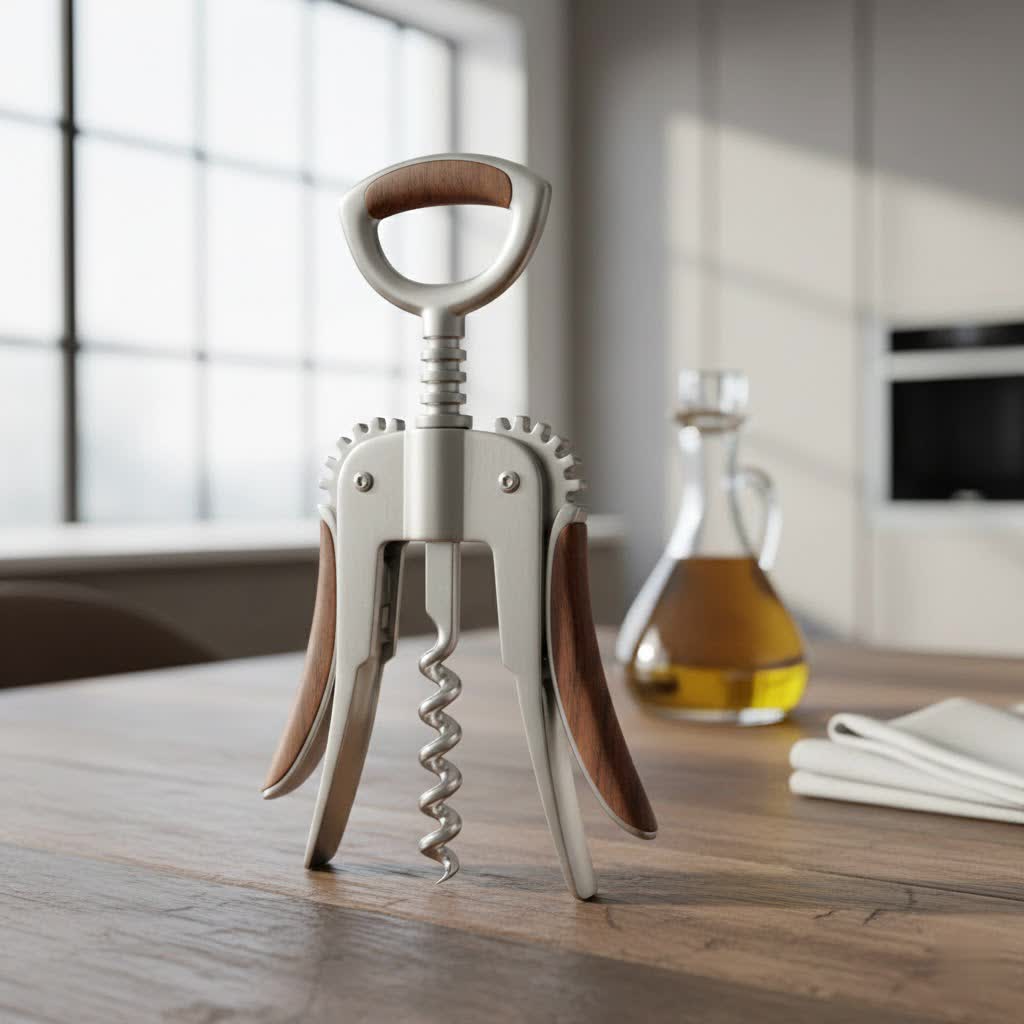
Lever wine openers, often recognized by their distinctive “rabbit ear” design, are engineered for power and ease. They utilize a simple up-and-down lever motion to smoothly extract the cork.
- Pros: Exceptionally easy and quick to use, requiring minimal physical effort. Ideal for those with limited hand strength or arthritis.
- Cons: Can be bulky to store and less portable than other types. May not always work perfectly with certain synthetic corks.
- How to use: Clamp the opener firmly over the bottleneck, ensuring the worm is centered. Push the lever down to insert the worm into the cork, then pull the lever up to extract the cork. A quick pump of the lever often releases the cork from the screw.
Corkscrew Wine Opener (Waiter’s Friend / Sommelier Knife)
|
Our Picks for the Best Wine Opener in 2026
As an Amazon Associate I earn from qualifying purchases.
|
||
| Num | Product | Action |
|---|---|---|
| 1 | Beneno Wine Opener, Zinc Alloy Premium Wing Corkscrew with Multifunctional Bottles Opener, Sharp Wine Corkscrew with Ergonomic Non-Slip Wing Handle, Silver |

|
| 2 | GORILLA GRIP BPA-Free Premium Wine Opener, Heavy Duty Zinc Alloy Wing Corkscrew, Multifunctional Bottle Openers Remove Corks, Caps, Easy Use Sharp Cork Screw, Dishwasher Safe, Holiday Essential, Black |
|
| 3 | Cuisinart CWO-25 Electric Wine Opener, Stainless Steel 3.50" x 4.75" x 10.00" |
|
| 4 | OXO Steel Vertical Lever Corkscrew with Removable Foil Cutter |
|
| 5 | OXO SteeL Winged Corkscrew with Removable Foil Cutter |
|
| 6 | Wino Wine Key! - Professional Sommelier's Corkscrew Wine Opener |
|
| 7 | KORCCI Wine Opener, Heavy-Duty Zinc Alloy Wing Corkscrew, Premium Beer Bottle Opener, Multifunctional Wine Accessories with Ergonomic Handle and Sharp Screw, for Kitchen, Bar, Restaurant, Bartenders |
|
| 8 | Cap Opener, Fun Bottle Opener for Parties and Gatherings, Creative Design Launches Caps at BBQs, Portable Entertainment for Outdoor Activities, Available in Red, Black, Blue |
|
| 9 | Oster Cordless Electric Wine Bottle Opener with Foil Cutter, Silver |
|
| 10 | Secura Electric Wine Opener, Automatic Electric Wine Bottle Corkscrew Opener with Foil Cutter, Rechargeable (Stainless Steel) |
|
The waiter’s corkscrew is a classic, compact, and highly regarded tool favored by sommeliers and wine professionals worldwide. Its multi-functional design typically includes a corkscrew, a foil cutter, and often a bottle opener.
- Pros: Slim, lightweight, and highly portable, easily fitting into a pocket or drawer. Provides excellent leverage with its double-hinged fulcrum, allowing for a controlled, two-step cork removal.
- Cons: Requires some hand strength and dexterity, which can take a bit of practice to master for a smooth operation.
- How to use: First, use the integrated serrated blade to cut and remove the foil capsule. Screw the worm into the center of the cork, typically until one full turn of the helix remains exposed. Use the first hinge to leverage the cork partway out, then reposition to the second hinge to fully extract it with a gentle pull.
Electric Wine Opener
Electric wine openers offer the ultimate in convenience, making cork removal virtually effortless with the push of a button. They are a modern solution for those who prioritize ease and speed.
- Pros: One-touch operation makes them incredibly easy to use, ideal for frequent entertaining or individuals with grip issues. Often come with a foil cutter and some models are rechargeable.
- Cons: Requires charging or batteries. Can be larger and less portable than manual options. Generally higher priced.
- How to use: Place the opener over the wine bottle, ensuring the corkscrew aligns with the cork. Press a button to engage the corkscrew, which automatically drills into the cork and pulls it out. Another button press typically releases the cork from the device.
Air Pressure Wine Opener
Air pressure wine openers employ a unique method, using a needle to inject air into the bottle, which in turn pushes the cork out. This can be a gentle way to open bottles.
- Pros: Requires very little physical force, making it another excellent option for those with arthritis or limited hand strength. Can be gentle on delicate or older corks as it doesn’t grip the cork directly.
- Cons: Can be slow compared to other methods. Some users may be wary of inserting a needle into the bottle.
- How to use: Carefully insert the needle through the center of the cork. Pump the handle a few times to build air pressure inside the bottle, which will gently push the cork upwards and out.
Multi-tool Wine Opener
While not a distinct mechanism of opening, many wine openers incorporate multiple tools, such as a foil cutter, bottle opener, or even a wine stopper, into a single device. The waiter’s corkscrew is a prime example of a multi-tool.
- Pros: Offers versatility and convenience, reducing the need for separate tools.
- Cons: Quality of auxiliary tools can vary. A more complex design might introduce points of weakness if not well-engineered.
- How to use: Usage depends on the specific tools integrated. For example, a waiter’s corkscrew uses its blade for foil and the main body for cork and caps.
Comparison of Popular Wine Openers
Choosing the right wine opener often comes down to balancing price, durability, ease of use, and specific features. Here’s a comparative overview to help you decide:
| Type of Wine Opener | Pros | Cons | Price Range (Approx.) | Overall Rating (Ease of Use) |
|---|---|---|---|---|
| Lever (Rabbit-Style) | Effortless, quick | Bulky, less portable | $20 – $50+ | Excellent |
| Waiter’s Corkscrew | Compact, portable, versatile | Requires practice, hand strength | $10 – $30+ | Good |
| Electric | No effort, quick | Requires charging, bulky, higher price | $25 – $100+ | Excellent |
| Air Pressure | Minimal physical effort, gentle on corks | Can be slow, needle insertion | $15 – $40 | Very Good |
| Winged Corkscrew | Simple to use, good leverage | Less durable than some, larger | $10 – $25 | Good |
| Two-Prong (Ah-So) | Ideal for fragile/old corks, no piercing | Requires skill/practice, not for all corks | $20 – $50 | Fair to Good |
Factors to Consider When Buying a Wine Opener (Buying Guide)
Selecting the best wine opener involves more than just picking a type. Several key factors influence performance, longevity, and user satisfaction.
Material
The materials used in a wine opener directly impact its durability, feel, and aesthetic.
- Stainless Steel: A popular choice for its strength, corrosion resistance, and sleek appearance. Many professional-grade and high-quality manual openers feature stainless steel components. It’s robust and built to last.
- Zinc Alloy: Often used for winged or lever models, zinc alloy offers a good balance of strength and affordability. It’s durable and resistant to rust.
- Plastic: Found in more budget-friendly or electric models. High-quality, reinforced plastics can be durable, but cheaper plastics may compromise longevity.
- Wood: Often used for handles on waiter’s corkscrews or classic designs, providing an ergonomic and aesthetically pleasing grip. Can add a touch of sophistication.
Durability
A durable wine opener is a long-term investment. To gauge durability, consider the construction:
- Look for solid, heavy-duty materials, especially in the worm/helix and lever mechanisms.
- Check reviews for common failure points, such as bending worms or flimsy hinges.
- A good warranty from the manufacturer can offer peace of mind, indicating confidence in the product’s lifespan. Regularly cleaning and properly storing your wine opener can significantly extend its life.
Ease of Use
The “best” wine opener is often the one you find easiest to operate consistently.
- Design: Ergonomic handles and balanced weight contribute to comfortable use. Some designs, like lever or electric openers, inherently require less physical effort.
- Size and Weight: A compact waiter’s corkscrew is easy to maneuver for many, while a heavier lever opener provides stability. Choose one that feels right in your hand and fits your strength.
- If you have conditions like arthritis or limited grip strength, electric or air pressure openers might be ideal.
Price
Wine openers span a wide price range, from under $10 for basic models to over $100 for premium electric or specialty openers.
- Budget-Friendly ($10-$25): Good quality waiter’s friends or basic winged corkscrews can be found.
- Mid-Range ($25-$50): Offers more robust manual options, some entry-level lever, and decent electric models.
- Premium ($50+): Typically includes high-end lever, advanced electric, or specialized openers like the Durand for vintage wines.
Your budget should align with your frequency of use and desired features. A casual wine drinker might not need a high-end model, but a connoisseur might appreciate the investment.
Brand
Reputable brands often signify quality and reliability. Some highly-regarded brands in the wine opener market include:
- Pulltaps: Renowned for their high-quality waiter’s corkscrews.
- OXO: Known for ergonomic designs and durable kitchen tools, including various wine openers.
- Rabbit: A popular brand synonymous with lever-style wine openers.
- Oster / Secura / Cuisinart: Prominent names in electric wine openers.
- HiCoup: Offers professional-grade waiter’s corkscrews.
Choosing a product from a trusted brand often ensures better customer support and adherence to manufacturing standards.
Top Wine Openers Praised by Experts
Based on extensive testing and expert reviews, here are some of the most highly-rated wine openers across different categories, known for their quality, durability, and ease of use.
-
Pulltaps Waiters Corkscrew: This classic waiter’s corkscrew is a top pick for its comfortable grip, swift cork removal, and excellent performance. It’s often praised for its robust build and efficiency.
-
OXO Steel Double Lever Waiters Corkscrew: An ergonomic take on the waiter’s friend, this model features a comfortable curved handle and a double lever for effortless cork extraction. Its functional design and durability make it a consistent favorite.
-
Oster Electric Wine Opener: For ultimate convenience, the Oster Electric Wine Opener is frequently highlighted. It offers one-touch functionality, a sleek design, and the ability to open multiple bottles on a single charge, often including a built-in foil cutter.
-
Rabbit Original Lever Corkscrew: A benchmark for lever-style openers, the Rabbit Original provides an easy, quick uncorking experience with minimal effort. It’s built for reliability and tested for thousands of cork pulls.
-
Monopol Westmark Two-Prong Cork Puller (Ah-So): This specialty tool is a favorite among collectors for safely removing fragile or old corks without piercing them. While it requires practice, it’s invaluable for preserving vintage wines.
-
Wine Ziz Air Pressure Pump Bottle Opener: Scoring high for ease of use, this innovative opener uses air pressure to gently pop out corks. It’s a great choice for those seeking an effortless method without a spiral screw.
Tips for Using and Maintaining Your Wine Opener
To ensure your wine opener performs optimally and lasts for years, proper usage and care are crucial.
Correct Usage to Avoid Damage
- Foil Removal First: Always remove the foil capsule completely with a foil cutter or the blade on your waiter’s corkscrew before attempting to extract the cork. Cutting beneath the second lip of the bottle is a traditional method that prevents wine from contacting the capsule.
- Center the Worm: For corkscrews, always aim to insert the worm directly into the center of the cork. This ensures even pressure and reduces the risk of the cork crumbling or breaking.
- Gentle and Steady Pressure: Avoid yanking or forcing the cork. Apply steady, upward pressure, using the leverage provided by your opener. For lever styles, a smooth down-then-up motion is key.
- Handling a Broken Cork: If a cork breaks mid-opening, don’t panic. Try re-inserting the corkscrew at a 45-degree angle to grip the remaining cork, or use a two-prong opener if available. If bits fall into the wine, you can filter the wine through a fine mesh or cheesecloth when pouring.
Cleaning and Storage Tips
- Wipe Clean After Each Use: Especially for corkscrews, wipe the worm and any soiled parts with a damp cloth immediately after use to remove cork residue or wine stains.
- Avoid Dishwashers (for most): Many wine openers, particularly those with wooden components or intricate mechanisms, are not dishwasher safe. High heat and harsh detergents can damage materials and lubricants. Hand washing and thorough drying are usually recommended.
- Proper Storage: Store your wine opener in a clean, dry place. Compact models like waiter’s corkscrews can fit in a drawer. Lever and electric openers often come with stands or cases, which help protect them and keep them accessible. Ensuring the screw or prongs are protected also prevents accidental injury and keeps them sharp.
Frequently Asked Questions
What’s the easiest wine opener to use for someone with arthritis?
Electric wine openers or air pressure wine openers are generally the easiest for individuals with arthritis or limited hand strength, as they require minimal physical effort to operate.
Can I bring a wine opener on an airplane?
According to TSA regulations, corkscrews without a blade are permitted in carry-on luggage. Corkscrews with even a small blade must be packed in checked luggage.
What’s the difference between a “wine key” and a “corkscrew”?
“Wine key” is another common term for a waiter’s corkscrew, a multi-tool device popular among sommeliers. “Corkscrew” is a broader term referring to any tool designed to remove corks from bottles.
How do I prevent cork bits from falling into my wine?
The best way to prevent cork bits is to use a high-quality, sharp corkscrew and insert it centrally and steadily. Using the proper technique for your specific opener, especially leveraging correctly, also minimizes breakage. If a cork is old and fragile, a two-prong opener (Ah-So) is the best choice as it doesn’t pierce the cork.
How often should I replace my wine opener?
The lifespan of a wine opener varies greatly with its type, material quality, and frequency of use. A well-maintained, high-quality stainless steel waiter’s corkscrew can last decades, while a heavily used electric opener might need replacement after a few years if its motor or battery degrades. Replace it if you notice decreased efficiency, bending parts, or difficulty in extracting corks smoothly.
Get our weekly buyer guide
Practical specs, not advice. Unsubscribe anytime.
